Tag Archives: Nonprofit Technology Conference

Nonprofit Radio for May 5, 2025: PII In The Age Of AI & Balance AI Ethics And Innovation

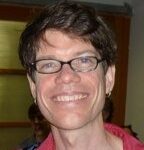
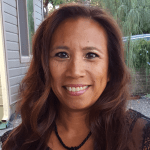
Kim Snyder & Shauna Dillavou: PII In The Age Of AI

Artificial Intelligence and big data have transformed privacy risks by enabling malicious, targeted communications to your team that seem authentic because they contain highly accurate information. Kim Snyder and Shauna Dillavou explain the risks your nonprofit faces and what you can do to protect your mission. Kim is from RoundTable Technology and Shauna is CEO of Brightlines. This continues our coverage of the 2025 Nonprofit Technology Conference (#25NTC).


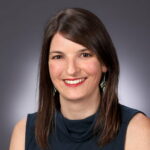
Gozi EgbuonuBalance AI Ethics And Innovation

Gozi Egbuonu encourages you to adopt Artificial Intelligence responsibly, in a human-centered approach. First, be thoughtful with the threshold question, “Should we use AI?” If you go ahead: Create a thorough use policy; overcome common challenges like staff training and identifying champions; manage change intentionally; and more. Gozi is with Technology Association of Grantmakers. This is also part of our #25NTC coverage.


Listen to the podcast

Get Nonprofit Radio insider alerts

Apple Podcast button


We’re the #1 Podcast for Nonprofits, With 13,000+ Weekly Listeners

Board relations. Fundraising. Volunteer management. Prospect research. Legal compliance. Accounting. Finance. Investments. Donor relations. Public relations. Marketing. Technology. Social media.

Every nonprofit struggles with these issues. Big nonprofits hire experts. The other 95% listen to Tony Martignetti Nonprofit Radio. Trusted experts and leading thinkers join me each week to tackle the tough issues. If you have big dreams but a small budget, you have a home at Tony Martignetti Nonprofit Radio.
View Full Transcript

Welcome to Tony Martignetti Nonprofit Radio, big nonprofit ideas for the other 95%. I’m your aptly named host and the podfather of your favorite hebdominal podcast. Oh, I’m glad you’re with us. I’d turned dromatropic if you unnerved me with the idea that you missed this week’s show. Here’s our associate producer Kate to introduce it. Hey, Tony. Our 25 NTC coverage continues with. PII in the age of AI. Artificial intelligence and big data have transformed privacy risks by enabling malicious targeted communications to your team that seem authentic because they contain highly accurate information. Kim Snyder and Shawna Deleu explain the risks your nonprofit faces and what you can do to protect your mission. Kim is from Round Table Technology, and Shawna is CEO of Bright Lines. Then Balance AI ethics and innovation. Gozi Egbuonu encourages you to adopt artificial intelligence responsibly in a human-centered approach. First, be thoughtful with the threshold question. Should we use AI? If you go ahead, create a thorough use policy, overcome common challenges like staff training and identifying champions, manage change intentionally, and more. Gozi is with Technology Association of Grantmakers. On Tony’s take 2. Tales from the gym in addition to my gratitudes. Here is PII in the age of AI. Hello and welcome to Tony Martignetti Nonprofit Radio coverage of 25 NTC, the nonprofit Technology Conference. We’re all together at the Baltimore Convention Center, where our coverage of 25 NTC is sponsored by Heller Consulting Technology services for nonprofits. Our subject right now is PII in the age of AI. Personally identifiable information in the age of artificial intelligence, safeguarding privacy in a data powered world plus we’re adding in the topic. Alright, already the show’s over. I wanna thank you all for coming. Uh, we’re, we’re here all week. Uh, be sure to tip your servers, um, and we’re adding in the topic a little more privacy please. Colin, diving into data privacy. All right, because, uh, our guests, um. Ask to combine topics which made a lot of sense. Um, but, uh, before I introduce the guest, well, now, let’s do it this way. So we have, uh, stand by there. We have, uh, first is, uh, Kim Snyder. Kim Snyder, um. I gotta take a deep breath. I do, uh, Kim’s title. I’m gonna hyperventilate trying to get enough air to oxygen in. I’m only 140 pounds. I don’t carry enough in my lungs to carry this, to carry this title of virtual digital privacy Project and program officer. You know Joshua Pesca is thanked for that word salad of it’s all nouns. It’s all it’s all one adjective. 12 nouns. Joshua, you’re, you’re out. Anyway, and then CEO doesn’t get any easier. OK. Also with us, uh we have a special guest who’s gonna give a couple of syllables. Uh, let me introduce Miles. Miles, say hello. Hi everyone, it’s Miles with Fundraise up. Thanks Tony. My pleasure. Miles is sponsoring the hub next door at Fundraise Up, so I, I thought I’d give him a little. He asked to give a shout out, so I said sure. And uh they’re giving away free socks. That’s what fundraise Up is all about socks and what else do you do at fundraise. Right, so we help nonprofits raise more money with AI and we do that by not using any identifiable information and are completely compliant across the globe. All right, that’s what a segue and not even reversal incredible. All right, you’ve overstayed your welcome. That’s enough. OK. OK. OK, thank you, Miles. No, thank you. I, he was, I, I did invite him after he pleaded. OK. So we are talking about PII. So Miles, a perfect segue, beautiful segue into personally identifiable information. Uh, Amy, we’re gonna do the overview, so I’m gonna ask Kim. Virtual digital data, virtual digital privacy project and program officer. I’m gonna ask Kim Snyder. No, I’m gonna, no, I’m hitting it hard. Uh, so for an overview, why, why do we, why do we combine these two topics? What are our issues around personally identifiable information and, uh, and artificial intelligence? Kim Snyder. So they both center on the issue of personally identifiable information. So on the one hand we’re talking about what kinds of regulations exist, how do you manage your data I’m too far away. Don’t whisper, Kim. Everybody hears you. Oh, go ahead. I’m waiting. Um, now you, you edit this, don’t count on too many edits. Oh dear, OK, alright, so, um, we’re talking about personally identifiable information which for quite a while for the last couple of NTCs have been talking about this here and. For quite a while it’s been about more about regulation this year I have to say it’s about having our data out there and vulnerability and so looking at data management and how do you start to take stock of your data so that it is less vulnerable and the person the people whose data it belongs to is also less vulnerable and the other topic which I’m here with my co-facilitator um. Uh, Shawna is with all the amens and I’m here. I’m just like I’m a man, yeah, in the, yeah, so, so talking about how that what constitutes personally identifiable information, how much that’s expanded in recent years and Shawna, what’s what’s your bright lines, how are you related to. Yeah, yeah, so Bright Lines, I founded it 4 years ago. We are a doxing prevention company for folks who don’t maybe know what doxing means. Yeah, it’s define it please. When folks will use your personal information or sensitive information, they’ll post it publicly, essentially posting your documents, that’s where doxing comes from with the intent to incite others to do you harm. So there’s like a malevolence there, right? I don’t usually consider it doxing if someone posts like. A relatively available email address from like a professional setting. I do consider it doxing when it’s your personal email address and the intent is to ask others. It could be your birthday, it could be, could be your wife’s or my man right here, yeah. the PII PII is an expanded. No, I never, no, no, actually I came out of US intelligence community. I was there as a much younger person and in a different age in the United States and in terms of our national security. It was really progressive national security person, um. The whole community, yeah, the I I’ll just say the I mean the intelligence community, yeah, yeah, I don’t usually get too granular with that um but the. Was it in the session description it would have said OK yeah we can talk about that. OK, well, I, I’m not sure I’m, I’m pretty sure, but there again it’s one thing when it’s like out on the airwaves. First is when it’s in like a session thing yeah and at at the time when I was there I was detailed out to the DEA this might have been what you read, to train them on finding their targets on the US side of the border of drug trafficking organizations so we were using these same techniques. I was training them in these like techniques to find people. We reverse engineered that now four years ago after the 2020 election when. Folks were going after Ruby Freeman and Shay Moss for just passing a piece of gum while tallying ballots in Georgia they have a penthouse in Manhattan now have the keys to that penthouses. Um, OK, interesting. So reverse engineer I see reverse engineered your, uh your prior prior work. All right. um, so referring to your session description, uh, how AI and big data are transforming privacy risks by enabling aggregation. So your concern is that the, the. Attempts at uh. Spamming people, not spamming but spoofing, fishing, they can, it can be so granular and so accurate that they, they look more and more real. This is a part of our problem, right? OK, and people and agencies, people are using artificial intelligence to gather this information and then and then put it together and collate and then threaten. So they will, so I think we could probably tag team on this. Do you wanna do the production part? So what we see is them gathering data. There’s a lot of data that’s out there about all of us, and I will. If there’s one point folks take away from me talking today in addition to my hype madness, it’s that this is not your fault. Our clients come to us and they say, oh, if I just hadn’t shared so much on public on social media publicly when I was younger and it’s like no no this had nothing to do with you. Your public records are being scraped by data brokers every day. If you own a property, if you’ve ever registered to vote someplace, if you have a driver’s license, which you have to have if you wanna get on an airplane, that data is being sold or scraped. So that’s the data that’s the source data for data brokers. So yeah, sometimes for free, for a, yep, OK, but publicly available, you don’t need to be, not an agency there’s no kind of like legal process to gather it exactly. This is why law enforcement officers, like certain law enforcement agencies now go around legal process and we’ll just buy data from data brokers. Oh, so much easier than defending a subpoena. to prove it to a judge to prove it to a judge and then if this if they move to quash the subpoena, you have to defend it. Exactly. So AI can now gather data from various sources, so it could be used to scrape these sites. It can then be used to connect data. Let me share a story. We got a phone call like a very concerned client. They had just received a phone call themselves from someone who claimed to have. Photos of theirs compromising photos from an old Snapchat account and on the call they described a photo that this that our client knew they’d taken right it was a photo of a room they were describing a room and the clients like, I remember that room. I remember that poster that they’re describing. I think I might have posted it on Instagram one point it was public, but how did they get my number? How do they know where I work and. My response was like, this is a scam. Someone scraped, someone bought a scra of LinkedIn. Maybe they connected that to your phone number. Maybe you have your phone number connected to LinkedIn because you use it from MFA for multi-factor authentication. They connected that to a handle on Instagram, probably using your face, a facial recognition. And then they just made this phone call and talked to you about your employer finding out about these photos, which was a bluff because your employer’s name is listed on your LinkedIn profile. It’s terrifying for her. And Kim has taken it a step further. So you can stitch all this together, right? and you can process all this data at speeds that never were possible before, but you can also use generative tools to create things so you can. Easily mimic a style of someone so you can also so you part of that data that you grab off of LinkedIn or social is somebody’s writing style so you can, you know, generative AI is really great tone and style and also events. So if you’re posting about events and things happening you could get. An email from your purportedly from your executive director or a colleague referencing that event and things that happened and people who were at that meeting it depends on how public the data is and then you know that can be used as a basis for a you know phishing email um that is a lot more convincing phone call yeah or a phone call this person that called our client was a human but they don’t have to be we’ve seen cases where EDs are being impersonated. And it’s video and it’s audio of them that is so convincing to the people that they’re reaching out to and this is it’s trivially easy to do right in our session in fact we had which one is the real Kim and there were two videos of me and one of them was not me um it was AI me but that cost me $29. To take that, so it’s not inaccessible. These tools used to be it used to be like really hard to do this or 25 cents and it’s like a photo in 3 seconds of audio, and they can make those videos, yeah, and you can have me say you don’t even need me saying the alphabet or or Kim’s title for Christ’s sake or half of Kim’s title. I did say you could swear. I didn’t say you could take the name of the Lord. There’s a difference. There’s a difference. There are boundaries even on nonprofit, there are boundaries. This is Chris. I’ve, uh, I’ve gotten, I’ve gotten these, uh. Dear Tony, I know I could have called you at my number or or written to you at my address accurately, uh, but I chose this method instead. So now I know they’ve got my email and my phone and my address, uh, included a picture of my home, which they probably got from Google Maps or, or right, and, uh, I, I some kind of bitcoin bitcoin scam. But how did that make you feel uh the first one I was a little like. Yeah, I was a little nervous, but, but I’ve gotten, uh, we all have gotten Bitcoin scams in the past, but this one had, like, you know, like you’re concerned that amount of information a lot of, yeah, yeah, it had the right and uh I, you know, I, I ignored it with some trepidation and then like a day or two later I got another one and you know I knew I was just kept coming. It was bullshit. Yeah, I saw one of those from one of our threat intelligence partners, someone who swims in this every day, and it terrified him and his wife. Yeah, because it’s so it’s so close to you. It’s why receiving one of those phone calls or back in the, I would say back in the day I got really energized around Gamergate started to try to support the folks who are being targeted by Gamergate. This is back in 2015, and they would describe what it was like to have like, you know, I sleep with my phone next to my bed. And or under my pillow and to have that be the stream of all of this like directed hate messages like you should kill yourself or I’m gonna do this to you or I’m going to do this to your parents or whatever the case might be. It’s so proximate that technology removes what feels like barriers between you and everyone else, and the issue with doxing so terrifying is that you don’t know who it is. It could be anybody. How do you walk down the street? How do you like sleep in your home, not terrified? You don’t know. I never thought about that. Who’s coming after you? Thank you. I never thought you bet new nightmare unlocked. Yeah, no, no, you know how, but Tony, so you get these things because you’re you’re killing me. It’s supposed to be reassuring us here on nonprofit radio. Well, you’re terrifying. We’ll get to that. We will get to that party eventually we’re we’re great parties, but, but, OK, so you’re, you know, more public person, uh, you, you know, nonprofit radio, so, so you. Get these things it’s a little unsettling and unnerving for you, right? yeah like so imagine how like a nonprofit staff person who happens to be working in an organization that may be more targeted by malicious actors, OK, so one is so your staff member starts to experience this and this may this could freak people out, right? So that’s who we’re thinking about. Um, and kind of raising the awareness, OK, yeah, I mean these are folks already dealing with some level of cortisol at a on a regular basis because of work because of their mission. I think we’ve spent enough time on motivation, and let’s let’s, uh, let’s let’s transition, uh, not subtly very abruptly to what the hell do we do? What do we do it already. Is it already too late? It’s never too late. I’m sure you’re not gonna say it’s too late. No, I wouldn’t be here. Yeah, well, I also believe it and I’ve had those moments. Listen, I live in DC and DC DC Health Link had their data leaked and taken a number of years ago and my child who had not even turned a year old had her social security number lost in that breach and I was like, oh man, she’s not a year old, you know, like how is this? This is the world we live in, right? And I turned to my partner and I was like, this is just, I don’t even know why we bother. And she’s like, you can’t, you of all people can’t have that feeling. It’s OK that you do right now, but you have to keep going. No, there are plenty of ways to ameliorate it. Yes, let’s get, let’s get into them. So what we’re with you. Why don’t we start? Go ahead and then we’ll go to Kim. Yeah, I think you can think about this so the individual as the vector to threat to the organization that can be reputational financial threats to the organization could make it hard to fundraise if you don’t support that person very well. Um, you, you would harm your reputation, say, or, um, it could make you look illegitimate to your funders, right? So if you can think about where the risks are to the organization, that’s one set of what to do, right, action items, and I might leave that with you and speak more to the personal. So when it comes to protecting yourself as an individual, there are plenty of ways that you can work to remove your data online was referring to Kim, not me. Oh yeah, no, Tony’s not gonna take that part no Kim’s got that, um, Kim. I won’t try your title um when it comes to the individual, listen, all of us have data out there again it’s not our fault we have lived a life, right? Like we’ve done things it’s, I think it’s a betrayal of trust in our own local governments that they sell this data and no one’s ever asked us for consent they’ve never informed us, etc. etc. etc. OK, so what do you do? You can sign up for one of those services that removes your data from data brokers we consider that like um. Like taking Advil, right? Like it’s like kind of taking care of some of the pain and some of the symptoms. What we also recommend is like looking back to the source data itself. So if you own a property that you live in, we always recommend that people consider moving it into a revocable trust that they don’t name for themselves. You’ve seen too many estate attorneys call it the Tony Martignetti revocable trust. Exactly exactly a different a different name to the revocable trust. That’s it. So now the ownership is obscured its data that’s already out there from prest. This is the argument that our interstate attorney always gives us and we have to educate them on this. They’ll say, oh, but it’s your name’s gonna be on the document granting it to the trust, but your name was there before on tax documents. The way data brokers work is that they’re constantly pulling this data down and renewing their data set. So when the new data comes down at this address, they want the most accurate, the most recent. they’ll overwrite it. So it may be that you lived at that address at one time but you don’t any longer and if someone’s looking for that address, it’s not your name on it. So it will get overwritten, especially over time. What we’ve seen wildly enough is that when that piece comes out, it’s like a house of cards. When you pull that property record out the rest of it tends to fall apart. We see our clients less and less on ownership is kind of a uh. a core or a hub to to other data yeah absolutely yeah I think there’s some connections happening there with like app user data that’s also on an ISP that’s connected to the house, etc. etc. is there other pieces about that location um that create profiles anything else we can do on an individual level besides the uh property ownership. Another big vector is voter data and I know that’s probably not popular in this audience because a lot of folks believe a lot in the voter file and voter data and using it and I, we often see voter data on getting used mm. Getting bought and getting scraped and so we will recommend that folks apply for programs in their states called address confidentiality programs or safe at home programs they’re always set up in with uh survivors of intimate partner violence in mind but a lot of the programs are pretty expansive, so if folks are concerned about stalking or harassment they can also apply and that then gives them a proxy address in some states like in New York across all agencies. So the DMV is now not going to sell your home address and your name. They’re going to sell your your name and your proxy address together. And and shout out the names of those programs that you would look for at your state. Address confidentiality program or safe at home. If you’re interested, the National Network to End Domestic Violence NNEDV.org has a comprehensive up to-date list of those programs. OK, awesome. Kim, uh, before we turn to Kim, uh I think you’re the perfect question perfect question answered. Person, you’re a person, you’re a person. You’re neither a question nor an answer. You’re you’re just a person with a lot of answers. Um, I read once, it’s so hard to unforget, you know, to unlearn things that, uh, the value of, of stolen data is really in the future is more financial like so that the bad actor can act without you tying it to a specific event. So my credit card, let’s say a credit card number is compromised, it’s of more value if it’s 3 years old than if it’s just a couple of weeks it was just stolen a couple weeks ago. Is that true or is that incorrect? I can see that. I can see that being true. Maybe we’ve gotten a little bit better banks and credit cards have gotten better about just reissuing new cards. Websites tend to push you to change your password when they’ve alerted you that there’s a breach, so I, I think. The private companies more so in government agencies but private companies I think have caught on to that a little bit and I think there is some truth if it’s not for financial means but really someone trying to go after you, we call that a ideologically motivated attacker. What we saw you used the word vector before I did, yeah this is my background so they um. What we found with uh a university, a client that’s a university, their students were being targeted. Some of these outside groups showed up to student houses over the summer. The students had already graduated. We’ve gotten some of their address stuff removed. The addresses weren’t available in connection to their names online any longer. So what we think happened was that those addresses that was screenshot and saved. That can happen, yeah, so it’s not a perfect fix. However, what if you have one as an intelligence officer, if you have one data point, so you have that screenshot, but then you have all these other things telling you that Shawna Dilla no longer lives at that screenshot address, you might show up there, but you’re not gonna spend a lot of time on it because you can’t verify it. You can’t confirm it with another source. Makes sense? Yes, thank you, thank you. All right, Kim, let’s turn to you on the organizational level. What, uh, what can we do, uh, there to. Protect ourselves from what’s already out there. How do we help nonprofits and small and midsize are our listeners. Alright, so for many years the the kind of mantra has been to verify, verify, verify verify. I thank you very much, that’s Kim Snyder and Shawna. No, I’m joking. She’s like I’m we’re out of time. No, we’re out of time. Are we out of time? No, I’m only child I fall for jokes very easily. I wish I had known. I wish I had so many. I had so many more. I had so many more in mind for you specifically talking about a targeted attack. Oh my, talk about a vector vector I was coming right at you. I could have written that you’re you’re putting this on the airwaves. You know how vulnerable you are. Oh man, I got all kinds of advantages. All right, I’m sorry, I interrupted you. What was I talking about dying. Go ahead. OK I’m sorry. OK, so we used to talk in cybersecurity world about, you know, verification verify, verify, verify that was the mantra, right? So now we kind of reshape that so that it’s vet and verify so have kind of multiple ways of verifying especially incoming requests. Anything kind of trust your spider sense is what I’d say if something seems a little bit off like what what are we talking about? So if you receive an email, if an email comes and it, you know, it comes from your development director who’s saying who’s referencing something that you just went to the panel or if it comes from accounting, write a check if any money is involved. And it wasn’t like completely expected even if it was a little expected actually I’ve seen I’ve seen this happen where people got into um nonprofit systems and using AI can scan what’s going on very quickly. And then target things that are about to happen from kind of things that are OK, so, so I would, so the instinct instinct, OK, use your, use your instinct but also make it a policy, make it a process that you just follow uncomplicated process for verifying like any financial transaction needs to be verified even if it’s expected, yeah, so yeah, so you wanna walk through that. You just get much, much more deliberate. About verification and and who is it coming from and you don’t want to. Confirming, did you send this email or not replying to the email, but my phone yeah exactly yeah you you send this email about this rush transaction or or routine transaction. Do it in a different format right different channel, yeah, so you know, and even though the instinct may be email back quickly but no right um but then what you do also is create a culture in your organization where that’s OK to do where it’s OK to take that extra 30 seconds minute to you know verify to ask someone for their time to say I just wanna check, did you send this to me? Um, and in that way it’s OK even if it’s because he’s actually director you can say, did you send this to me? I just wanna make sure and so that that’s an OK thing to do. In fact, that’s a good thing to do. Now we can’t they have to be boundaries around this because we can’t do it for every, every message we get so you mentioned. financial financial transactions and no no no not nervous at all financial no no no financial transactions, any kind of initiated correspondence where they’re asking you for something or for some information. I saw a scam recently where the uh an an old employee was trying to be reinstated and wanted to go around HR to IT to get their accounts reset up like I’m I’m coming back and it was like using the person’s middle name so it’s already a little bit fishy but. They went all the way up to the CTO of the of the company and said hey so and so and these people were friends on LinkedIn and like had shared messages back and forth so the attacker knew this was a personal relationship. hey so and so I’m trying to get reinstated. They’re telling me you need to go to HR, but like I but I can do this. I just need to get my account access back up and online and the CTO is like no. Oh bro, you gotta go through HR. I can’t do anything because they had those controls in place, but small and let’s be fair, small and medium sized organizations don’t, so I’ll just take care of it now or we don’t have a, we don’t have a we don’t have any clear guidelines that we give to people for all requests we need to go to HR. I thought of another. Potentially nefarious request you send your logo. Could you, could you, I need a I need a high def for the logo, you know, the, the, the, the JPEG I have is, is not good. I need a high definition logo that could be that could be to produce a check that could be to make a spoof a spare a spoof website, um, OK, I mean, but it seems innocuous send a logo, yeah, it’s very easy to spoof a website, right? So you know, you know, check. Also check where it’s coming from, right? So you know I’ve had an organization where there were two spoofed, um, there’s spoofs on both ends a spoof of the funder, a spoof of the the grantee. Can you tell us more about that story? It’s a really good one. So yeah, so they, they got into an organization’s, um, you know, Microsoft environment. I asked the questions here whoops. Go ahead. Uh oh, off the mic. 3 like 30, go ahead. So, um, Anyway, that’s late in the day. And I’m thirsty. Yeah, late in the day it’s not it’s, it’s well it’s almost 3 o’clock. You’ve been going since then nonstop. Um, anyway, all right. So the organization had someone get into their systems for a very short time, but in that short time they were able to tease out some information again this is AI can help with this kind of analysis short you know canal is a lot of data that it can grab very quickly and um identified some upcoming financial transactions which were rather large and so um in order to kind of trick. The person to sending to the wrong place, they set up fake websites, fake websites for the foundation, fake websites for the grantee, and domains not websites domains, and so then they had emails coming back and forth you could hardly see the difference and so the, the, the real people, the real people were communicating with the bad actor on both sides and the money. And he got sent to the wrong place, OK. Yeah, that was, that was actually no they did great, but, but it was that was a happy ending, but not necessarily. We started with Shawna, so we’re gonna end with Kim. give us oh no we did OK well I’m not Shawna, your mic is down but that she still gets through. She talks and laughs so loud you hear her over Kim’s mic. No, I didn’t, I did not but one more thing before, before we unless we’re totally out of time, um, don’t shoot the messenger. So create a culture. This is another thing that’s any size nonprofit can do where if something happens, if you click on that thing, if you did that thing that you feel like uh. That was really dumb, right? Make it OK to report that and you don’t get in trouble and there’s no shame and blame because it happens so but yeah the the no blame kind of we encourage you to. You know, say it, yeah, call yourself out, yeah, and there’s no punishment, you know, some organizations like they don’t want bad news at the top, so. All right, we’re gonna leave it there, OK? All right. That’s Kim Snyder. Virtual digital privacy project and program officer Roundtable Technology and Shana Dela Vu, CEO CEO Bright lines. Thank you, Kim. Thank you, Shawna. It’s a pleasure. Shawna laughed her ass off. I’m a good sense of humor. All right, I love it. Uh, and thank you for being with a, uh, well, whimsical, I’m not sure it covers it. Raucous maybe, uh, at one point, uh, uh, uh, anarchical because, uh, there was a question that I did not answer. Uh, session. Uh, thank you for being with us at uh 25 NTC for this episode sponsored by Heller Consulting. Technology services for nonprofits, virtual digital privacy project and program officers. It’s time for Tony’s Take-2. Thank you, Kate. A new tales from the gym episode just happened this morning, this very morning. I was minding my own business as I do on the elliptical. And overheard two women talking. One lives here permanently, and the other one who said her name. Sandra Lynn, uh, she lives in North Carolina, but not here in Emerald Isle. She lives, uh. In the Raleigh area, like that’s about 3.5 hours, 4 hours away, roughly. And she was lamenting, Sandra Lan was that uh that she can’t live here full time, house prices are high. And she also still has, uh, her mother and her father-in-law, so her husband’s father are still both alive, and so she needs to stay in that area, but she was, you know, looking forward to retiring here sometime but lamenting that she couldn’t live here now. And that got me thinking as I was on my. 6th or 7th uh interval on the elliptical. I do 88 episode 8, Not episodes. What did I just say? 8 intervals. I do 7 intervals of a minute, take a minute in between, and then the last interval is 2.5 minutes. I was toward the end and it got me thinking, listening to Sandra Lynn. That, uh, I’m grateful that I do live here full time, permanent. This is my home. And that, you know, it’s that there are other people who don’t live here who wish they could, you know, so, uh, you know, I, I add, I have, I have a long list of gratitudes, but I don’t specifically say grateful that I live here in Emerald Isle full time. So I’m gonna add that to my gratitudes that I do every, I guess I’ve told you every 2-3 times a week. I’m adding. Gratitude that I live here in Emerald Isle full time in this beautiful place and I have the ocean across the street. Uh, your own gratitudes. I hope you’re, I hope you’re doing your gratitudes out loud, at least a couple of times a week. That is Tony’s take too. Kate. You do sets. Uh, well, sets are for, yeah, no, that’s different intervals. Intervals on an elliptical, you do a minute hard and then a minute resting. And then a minute hard and a minute resting, it’s called high intensity interval training, HIIT high intensity. It just means you do intervals of things like you sprint, yeah, I don’t run, I’m on elliptical, but you might sprint and then walk, and then sprint and then walk and sprint and walk. Those are called intervals. Sets are like you do 3 sets of 10 if you’re, if you’re on a weight machine or something like that, or maybe pushups, might be 3 sets of 10 or something like that. I don’t know, they seem, there seems to be a different, well, I think the interval is because you’re still active, you’re just resting in between the high intensity intervals. Gotcha. That makes sense? Yes, and I am grateful that you have a beach house. Yeah, because you get to, yeah, you get to visit and uh laze around and uh. What is the word I’m looking for, uh, not schmooze, but, uh, you get to, uh, I don’t know. I can pretend that it’s my beach house. Yeah. You can for a week, yes, but then, then I’m very happy to say goodbye. After a week. Love you too. We’ve got bou but loads more time. Here is balance AI ethics and innovation. Hello and welcome to Tony Martignetti nonprofit Radio coverage of 25 NTC, the 2025 nonprofit Technology Conference, where our coverage is sponsored by Heller Consulting technology services for nonprofits. With me now is Gozi Egwanu. Gozi is director of programs at the Technology Association of Grant Makers. Gozi, welcome to nonprofit Radio. Awesome. Thank you for having me, Tony. Pleasure. You’re welcome. Your session is AI strategy for nonprofits, navigate ethics and innovation. We have plenty of time together, but can you give me a high level view of the the topic and the session that you did? Sure. So the session was really, um, and was really spearheaded by Beth Cantor, uh, and it basically provides uh a balcony view of where we are in the sector in terms of AI adoption, ethical responsible AI adoption, the nonprofit and philanthropy sector. And so, uh, we really start with what we found in the Technology Association of Grantmakers state of Philanthropy tech survey that we did in 2024. In that survey we found what many grant makers are currently doing with AI as far as you know are they testing are they experimenting? Has anyone rolled it out enterprise level, which is, you know, at the organization wide level and what we found is that. And which mirrors quite what we’re seeing in the nonprofit world is that most folks are not using AI in terms of, you know, anything that’s crazy, you know, innovative at this moment it’s really just kind of, you know, meeting summaries, you know, taking notes, that sort of thing, um, and so and but in addition to that we found that while 81% of folks are using AI, uh, sorry, while, uh, oh sorry, 81% are using AI but only 30% have AI use policies, so. You’re using it but you don’t have any guard rails you have no way to tell your teams or your staff, hey, this is what we don’t put into the AI this is what we do put in so you’re really running the risk of having your information potentially used in a way or trained uh an AI model that, um, you know, could potentially put your members at risk, your grantees at risk, whatever the case is for your organization and so. With that little bit of an overview it basically came down to the importance of AI experimentation and really do starting slow starting at the very base level working with your teams to kind of talk through should we use AI if we did use AI what would that be for? So thinking about the use cases, the business, um, the business use like what what would be the business case for it and then you know assembling a nice team of folks, you know, as advisers or experimenters and champions at your organization. Uh, to really kind of help you all start doing that experimentation in a safe and low kind of like low risk way, um, and then from there really defining whether or not AI is your, your next move and then once you do have decide that AI is the next move you wanna move into that next level of the AI maturity which Beth, you know, covers really um really well uh you know you go from that exploration to discovery and then you move into experimentation and ultimately enterprise eventually. Um, but what we’re finding is that most folks are not there yet. They’re still very much experimentation early stage, very early stage, um, and, uh, you get to kind of get to see a case study of it through the work that Lawan did at her organization United Way Worldwide. OK, well, we don’t have with us, but you can provide a lot of context, lot of, lot of detail, I just said you could talk. All right, um, are, are we, do you know the you might not be part of what you surveyed, but was there even intentionality around should we, should the should we use question or did it just kinda happen because people started, people started hearing about it using chat GPT. Well, you know, with one of the questions that we did on the survey, we found that like there’s quite a few folks that are using it in what we call shadow use or shadow AI, which is basically you’re using AI but your organization doesn’t know what you’re using. I see. Alright, so that’s not intentionality at the organization level. No, no, no, I would say not, not. Uh yeah, so we really want to encourage the intentionality which is don’t start using the AI unless you all have that collective organizational conversation of is this something that we should be doing? Is it useful? Is there a business case to go with it? Is it relevant? Does it make sense? Is it safe for our organization? does it align with our ethics? And then consider going into experiments. OK, let’s explore that question a little bit uh now in 2025 because I, I suspect at 26 NTC we won’t be asking the threshold question, should we, should we use? So what, what, what belongs in the conversation if we’re, if, uh if we’re at the stage where Well, uh, individuals may be using it, but we don’t know. Or if nobody’s using it and we’re trying to decide enterprise wide, you know, is there not, we’re not even at the is there a use case like but should we, should we explore it? What goes into that conversation? Sure, um. Again that you know, really thinking about the business case. So when you’re having that conversation about should we use AI, then you have to think about what would be the specific usage of it, right? So say you’re the finance team and you’re considering using AI, what would be the benefit of using AI versus doing the doing the the work flow or process that you currently have and you’re thinking of having AI do? so you really. Kind of have to have that conversation like an in-depth conversation about the process that you’re doing right now. Is there anything wrong with it? Are we losing anything? Could we gain, uh, productivity, time in our days and our schedules if we were to move to using AI to do this one process or this one, this one work flow? Then at that point you think about, OK, maybe we do get a benefit out of it now that we get a benefit out of it. What are some of the things that we have to be concerned about now that we have a benefit is it that now we don’t wanna make sure we wanna make sure that any financial information that could be sensitive to any of our donors or their their personal information, do we not want to have that being able to be, you know, used in the AI model or whatever system that we’re using so you know, you, you start with here’s how we do. Things here’s how AI could potentially benefit and then you move into that conversation. OK, if we did, what are some of the risks and concerns really thinking through all of them as much as you can, we know that you can’t think for every single possibility, but as much as you can kind of write it out and map it out as a group with several folks in the room, the better that you are at being able to say yes or no on moving on with AI as that. Potential new solution. OK, and a part of what goes into this intentionality is a usage, a use policy, your, your, you know, you want us to be thinking about ethical uses. OK, uh, what, what are the, what are, what are the ethical concerns? How can you, how can we talk through those? Well, you know, one of the key ethical concerns is that we know that most AI models that exist now, including open AI, were trained on the internet, and we know the internet can be, uh, wildly biased, wildly biased, filled with lots of terrible things. Not only biased but misinformed, misinformed wrong yeah complete nonsense in a lot of cases, um, and so if you’re using these open AI sources that have been trained on the internet, then you have to be really careful about deciding to use it against, say your theory of change. So if you’re an organization that is er. Be uh vulnerable populations groups that are already kind of under attack, whatever the case is, do you want to have AI making or informing your decisions related to work that you’re doing with these vulnerable groups? More than likely no because the AI may choose to do things that are more in line with the group that is. Biased that may have you know may be unethical and so you want to make sure that whatever you’re using the AI to do that it isn’t putting the organizations and the people that you support and serve in harm’s way so really thinking through, hey, if we’re gonna use it in this way, maybe we need to use it in a way that does not put these groups in harm. Maybe we just focus on using it internally like folks do for the meeting. Notes because that’s a very low risk thing whereas if you’re you know input you know uh decisions about whether or not to continue funding an organization or trying to measure or not whether or not their impact is aligning with your organization’s missions and values some of those those questions are not as clear cut as yes or no, whereas an AI that is trained on purely just wanting to see impact, purely wanting to see a return on investment, which is not always the case of what happens in philanthropy. Then you really have to take, take a step back and say is this the most ethical decision to go forward? Could we be putting organizations in harm? Now you can control what a model is trained on, yes, but that requires something proprietary, right? You have, you have to pay a developer to, uh, to create that. I get I don’t know it’s called a small language model. I don’t know what it’s called, but something that’s trained only on your own data, but your own website, maybe your own documents that you that you provided, but that, that requires a fee and a and a developer. Exactly, it it can it can cost, it can be expensive. The other option is if you don’t want to go the route of creating your own AI you do a paid version because we know the free versions of AI specifically I’ll talk about open AI there’s not a whole lot of freedom or flexibility in turning off the settings to prevent it from training the model on the data that you input. And so in that case you definitely need a use policy because some folks would probably just be like I really need to you know analyze all of this data on all of the groups that we served in this, you know, community that is already really, you know, under attack or potentially in in harm’s way and then now you’re putting that information into the AI to have it, you know, into the free AI to start doing it’s now. and now the AI has all of these people’s information and can now use it to provide it to other people who may look them up or want to find data on. That’s you’ve you’ve shared data that it’s gone. I mean it’s yeah yeah yeah there’s no control. So yes, enormous intentionality, care, um. And what if we don’t have a, you know, we don’t have a, a chief technology officer, chief information officer, you know, it’s an executive director, CEO, and, and maybe decent sized staff. I don’t know, 35, 40 people, but they still don’t have a chief technology officer. How do we, how do we uh ensure the intentionality and care that you’re, that you want us to? Yes, um, there’s a couple of ways, and I think oh good, I think at the core of it you don’t have to have a CTO and even yourself you don’t have to be a technologist. I would never classify myself as a technologist, but we can, there’s ways to find training. There’s plenty of training and 10 it has fantastic training for AI certifications for professionals in in the nonprofit sector, um, and I’d love to share that and 10 and tag are teaming up and we will be offering one for philanthropy professionals very soon. And so these are opportunities, a very, you know, relatively easy ways for people who don’t have that technical background to learn about the AI itself, get themselves familiar familiarized with, you know, what they need to be doing to protect themselves and their staff, ways that they can start to experiment in a safe, you know, safe space, um, so and there’s plenty of also free tools, free education. I will, you know, even I, even though I’ve talked. About OpenAI a lot. OpenAI just announced their OpenAI Academy which has all free resources and tools for learning how to utilize AI for anyone and so there are plenty of free resources out there and people online, you know, uh, there’s plenty of folks on LinkedIn that I see on a regular basis that are sharing information and providing some guidance for nonprofit leaders as well as, uh, folks. That are just not technically inclined so there’s ways that you can kind of upskill and train yourself to understand how to use AI even if you don’t have that technical experience in house. Say a little more about this partnership, can you uh and it’s technical association of grant pardon mechology Association of grants thank you um. Yeah, so I don’t have a whole lot of details to share, but essentially if you’ve, if you’ve used any of the great training and certification resources on the N10 website, we are essentially trying to make a parallel version of that same professional certification for nonprofit leaders using AI for. Our foundation leaders and so uh you can expect really a kind of a similar learning process but however it’ll be tailored to some of the different functions and needs that we find at the philanthropy you know at foundations versus what you would see at a traditional nonprofit. OK, so I’m sorry, it’s intended for professionals I should say. Um, Alright, what, so thank you. You know, that’s important ethical considerations, um, anything more on ethics because, uh, then I I want to talk about the policy, what belongs in your use policy, but is there more about ethical concerns? OK, OK, OK, enormous. I mean if you, if, if you’re exposing your data. And, and it’s gone. It’s, it’s out there like you said, right, um, our use policy that, uh, only 13, 30% have, although 80% are using AI. What goes into this use policy? The use policy essentially just outlines what you and your team should be thinking about before you ever use any AI, so. It’s kind of that no go or go kind of conversation so if it’s sensitive data, if it’s information related to any of your members that you just wouldn’t want anyone to have outside of your organizational members probably wouldn’t want to put it into an AI system so it just kind of outlines, you know, essentially guardrails for for teams and and staff to understand how to best utilize it. And I think some folks are also, you know, thinking about the environmental impacts of using AI are really now making sure that their data use policy or the AI policies are also, you know, having folks be ethical about how they’re using when they’re using AI right? so you know if it’s to do something that could take you probably about the same time that the AI does, don’t use the AI um if you’re just, you know, just tossing anything, any old thing and they’re asking questions all day probably also not a very useful. Use good use of AI you really wanna think about AI very strategically and intentionally, right? You wanna make sure that if you’re going to the AI, it’s for something that you know it’s gonna save you significant amounts of time. One of the things that I often will use AI for is drafting, you know, large descriptions for events. That takes me sometimes hours if I give it to AI, I can do it for me in seconds and the key to descriptions of events, yes, like, so we have webinars events that we have on our website, yeah, so you know I, I, I, I don’t wanna sit there talking about all the learning that you’re gonna get out of it and the objectives and this and that and so AI, I’ve trained, I have like a GPT that is based on kind of like my voice that I provide it like hey here’s the prompt, here’s what I’m kind of looking for. It provides me a draft and then I use that draft and I manipulate it how I want. Um, and so you really wanna make sure that you know when you’re prompting the AI or you’re using the AI, it’s they’ve measured it. I think one prompt uses as much energy. I think it’s like an entire city like it’s crazy. It’s like like it, I, I don’t use my quote me on that, but it’s enormous. There’s quite a bit of energy, and I can actually actually share a link to um one of the stats that came out about it. There’s a researcher that’s been sharing a lot about it, um, and she was just interviewed by, uh, I believe it was Doctor Joy Bullumwini on, uh, by the, um, the. AI justice uh group that she she leads, um, and so there’s a lot of it there’s a lot of energy being used so if you’re gonna use it, you wanna make sure that it’s for something that you don’t need to, you wanna learn prompting good prompting, so you can get what you need out of it and then you can make, you can, you know, refine it and make it better. Sometimes you may have to go back in and ask the AI to refine, you know, what it did, but you really do wanna keep it to a minimum. You don’t wanna be using AI. Constantly because the energy use and the impact on the environment is extreme extreme that gets over to the ethical concerns as well exactly because it’s yeah so yeah you’re you’re just really um basically telling your teams here’s the here’s what we expect out of you when you’re using AI and these are the things that could result in consequences if you don’t follow this policy OK um. What else, anything more about the policy, what, what, what belongs in there? Um, You know, I think the the key things is like you know making your team’s aware of the types of AI that are provisioned because that’s another thing some organizations have taken the decision to block certain AIs that they don’t want you using or even turning off certain AI functions in their uh current tech stack. So, uh, you wanna make sure that it’s really outlined very clearly the types of AI that are in use and also it may, you may wanna include something in there about how you, uh, communicate your use of AI to your teams or other people outside of your organization so. Kind of a, a nice, nice little bucket of what’s internal external, and then also where can you go if AI and where should you not go disclosures to the public um why would there be some uh some platforms or that are that are ruled out? Well, because You know, one of the things that I’ve seen some members talking about within, you know, the tag space is that there are some AI that do not allow you or some systems that do not allow you to turn off the AI function meaning that you don’t have any control of how that AI is taking your data that you have in that tech stack or that tech tool. Oh, you don’t have control no yeah and in in fact there was actually a conversation about a specifically a DAF uh platform that actually. Made this clear to many many many of our members who use it and so that is something that you really have to be concerned about is do you have any level of control if you don’t have any level of control and how the AI is using your data in that system there are organizations that would likely say this is a this is not a system that we would allow you to use. OK, it’s a good example. Um what else uh came out of the session? We still have a couple more minutes together. What else did you talk about in the session that uh that you can share with us? You know, one of the great things that we did was we did these scenarios, um, that Beth Beth put together about, you know, what are some of the things that you would say if you’re in a situation when where, you know, say for instance, uh, your organization is really excited about using AI they wanna jump head first and they just wanna start using AI without, you know, and and they they basically just want you to start rolling it out and get your teams on board. Um, and so in that scenario we really talked through all of the processes, you know, first of all, that first conversation that we talked about, like, should we even use AI that didn’t happen, so that needed to happen. The other part is also, you know, how fast do we wanna roll things out? What are some of the different change management principles that we should be thinking about as a team that could make AI adoption more beneficial and successful so really, you know, starting slow but really starting at the very beginning of like should we or should we not like that should be your because truthfully many organizations do not need AI. It’s true. I mean, it’s just the reality. Some organizations will never probably need to use AI, and then there’s a whole lot of them that probably will. So that question of like, should we do it has to happen first, um, and I think if you’re doing it on your own as a rogue, stop, do it on your own time. You want to practice on it, do it after after hours on a weekend. Exactly, exactly, not on our computers, not on our sisters. Yeah, yeah, if you, and that’s actually one of the things that, um, you know, we’ve seen a lot of our members and foundations, and I think Beth has also seen with, you know, some of the work she’s done in the in the sector is that a lot of foundations are now trying to just get to the staff and say, hey, look, we know that you’re using, can you just tell us and try to make that trust, build that trust with each other and I think that’s gonna be really a good way to help prevent a lot of the issues. Alright, let us know, but then stop. No, there’s no repercussion for reporting yourself, but only, well, only after what you report after the report date, you’re liable. All right, stop it. Exactly. OK, going rogue. All right, um, anything else? Uh oh, questions, any, uh, provocative or memorable questions that came. From the audience I’m trying to think. Um, No, well, you know, the one that had come up was just, uh, you know, there was a, there was someone at the front that had asked about, you know, AI hallucinates, and I was, and, you know, should you hallucinates, yeah, and she and the, the person was basically saying, you know, be careful using it as an organization because it could give you answers that are just factually wrong and so you know our response was like yeah you’re right AI does hallucinate but that’s why it’s incredibly important and I. And I didn’t even say this myself, but at the beginning, which is if you use AI, you always wanna make sure that it’s for something that you have a certain level or high level of expertise or knowledge about. So you know if I’m asking you to write descriptions for me, I know about the event details so that I’m not just gonna let the AI write a description and let it go and put it on the website. Yeah, that sounds good. I’m gonna put it no you review it, you make sure that. The details it’s including are correct. If there’s any statistics or numbers that are being used, you can go and verify those data. So if you’re ever using AI for anything, you should always have a human in the loop. There should be someone that’s able to verify the information, especially if you’re someone that’s not knowledgeable in that specific thing that you ask AI to do. You need someone who is either that or it’s gonna be written at such a high level that it’s maybe that has no value. Exactly, exactly. All right, how about we leave, are you OK leaving it there? Oh, you feel like we covered this? I think we did. OK. All right. All right. Go the Abuno. Euanu Gozi Ebo. Director of programs at Technology Association of Grant Makers. Gozi, thank you very much for sharing all that. Thank you for having me, Tony. My pleasure and thank you for being with Tony Martignetti nonprofit radio coverage of 25 NTC where we are sponsored by Heller Consulting technology services for nonprofits. Next week, 225 NTC conversations to help your fundraising events. If you missed any part of this week’s show, I beseech you. Find it at Tony Martignetti.com. And now the donor box is gone, I miss our alliteration fast, flexible, friendly fundraising forms. Uh, I miss that. All right, well, I am grateful to Donor Box though for 2 years of sponsorship, very grateful, grateful. There’s another gratitude. I’m grateful to Donor Box. Now that they’re not a sponsor anymore, I’m grateful to them. No, I, I’ve been grateful. I just haven’t said it. OK. Our creative producer is Claire Meyerhoff. I’m your associate producer Kate Martignetti. The show social media is by Susan Chavez. Mark Silverman is our web guy, and this music is by Scott Stein. Thank you for that affirmation, Scotty. Be with us next week for nonprofit radio, big nonprofit ideas for the other 95%. Go out and be great.

Nonprofit Radio for April 28, 2025: #25NTC & The Human Factors Driving Your CRM Success

Amy Sample Ward#25NTC

We launch our 25NTC coverage with the CEO of NTEN, which hosts the Nonprofit Technology Conference, sharing the numbers and the experience of this year’s Conference, earlier this month in Baltimore, Maryland. They’re Amy Sample Ward, and they’re also Nonprofit Radio’s technology contributor.


Rubin Singh: The Human Factors Driving Your CRM Success

Don’t blame your tech first when it feels like your CRM database is letting you down. Human beings, the tech users, have responsibilities that precede, and must align with, your technology. Rubin Singh returns to enlighten us about business processes; inclusive design; personal and professional growth; and more human factors that impact the success of your CRM database. He’s founder and CEO of OneTenth Consulting.


Listen to the podcast

Get Nonprofit Radio insider alerts


I love our sponsor!

Donorbox: Powerful fundraising features made refreshingly easy.

Apple Podcast button


We’re the #1 Podcast for Nonprofits, With 13,000+ Weekly Listeners

Board relations. Fundraising. Volunteer management. Prospect research. Legal compliance. Accounting. Finance. Investments. Donor relations. Public relations. Marketing. Technology. Social media.

Every nonprofit struggles with these issues. Big nonprofits hire experts. The other 95% listen to Tony Martignetti Nonprofit Radio. Trusted experts and leading thinkers join me each week to tackle the tough issues. If you have big dreams but a small budget, you have a home at Tony Martignetti Nonprofit Radio.
View Full Transcript

And welcome to Tony Martignetti Nonprofit Radio, big nonprofit ideas for the other 95%. I’m your aptly named host and the podfather of your favorite hebdominal podcast. We’re kicking off our 25 NTC coverage this week. These two segments are both from 25 NTC. It was a wonderful conference. I think the best. Uh, this was, I believe, the 11th year that I’ve hosted nonprofit radio, uh, in a studio at the nonprofit technology conference, and I think this was the best one. You’ll hear Amy and I talk about that. So excited, legitimately, you know, some people say, uh, I’m excited. No, I’m excited that we are launching, inaugurating, kicking off our 25 NTC coverage this week. Oh, I’m glad you’re with us. I’d suffer the effects of ramidenia if you pained me with the idea that you missed this week’s show. Here’s our associate producer Kate with what’s coming. Hey Tony, this week it’s 25 NTC. The CEO of N10, which hosts the nonprofit technology conference, shares the numbers and the experience of this year’s nonprofit technology conference last week in Baltimore, Maryland. They are Amy Sample Ward, and they are also nonprofit Radio’s technology contributor. Then the human factors driving your CRM success. Don’t blame your tech first when it feels like your CRM database is letting you down. Human beings, the tech users, have responsibilities that proceed and must align with your technology. Rubin Singh returns to enlighten us about business processes, inclusive design, personal and professional growth, and more human factors that impact the success of your CRM database. He’s founder and CEO of 10th Consulting. On Tony’s take 2. Tales from the gym. Meet Roy. We’re sponsored by DonorBox. Outdated donation forms blocking your supporters’ generosity. DonorBox, fast, flexible, and friendly fundraising forms for your nonprofit, DonorBox.org. Here is 25 NTC. Hello and welcome to Tony Martignetti nonprofit Radio coverage. Oh wait, I should do what Amy loves. Hello and welcome to Tony Martignetti Nonprofit Radio, big nonprofit ideas for the other 95%. I’m your aptly named host and the podfather of your favorite hebdominal podcast. What a genuine pleasure to welcome. The CEO of N10, the host of the 2025 nonprofit technology conference, Amy Sample Ward, welcome. Thank you. I don’t know that I’ve ever gotten to see in person witness live the Podfather intro. So yeah, exactly, it doesn’t have the same power, you know. Uh, so, uh, we’re here at 25 NTC. We’re at the uh Baltimore Convention Center. Oh, I, I should have said that our coverage here is sponsored by Heller Consulting technology services for nonprofits. Very grateful to Heller Consulting. How’s the conference going? CEO. It’s going great from community perspective, you know, I think we didn’t really know what to expect in this moment right from the community perspective, yes, I mean you know there’s always special things um there’s always opportunities to continue refining. Uh, but you know, from the, from the community side and kind of what we spend so much time focusing on, you know, the community experience, we just, you know, would anyone actually. Feel like coming when they woke up Wednesday morning would be, you know, like are is anyone even gonna be in a space to have conversations or wanna go to a session, you know, and we’re not trying to pretend that everything is fine and normal or that those things exist, you know. I like we’re certainly embracing that and yet we’re trying to embrace it within a reality of well we’ve all planned for this conference to be here so so it is still a a structured thing and and how porous can we make it in real time together to also meet whatever needs are emerging by maybe going to a session that was already planned and you know the speaker had prepared but from that conversation came something. Oh my gosh, we, we need a space, we need to keep talking about this right now and what do we do, right? So I’ve heard a couple of stories like that anecdotally that I’ve got I’ve learned so much I need to learn more now and you realized what I didn’t know and I I need to connect with that person or, you know, um, I heard it from an audience, uh, like talking to somebody who was sitting next to the person who was talking to me and then also to this for. Speaker, I, you know, I need to connect with, I forget whether it’s him or her or whatever. It doesn’t matter. Um, I need to learn more from this person. Alright, let’s let’s, uh, you know, I always like to ask you the numbers you know how many folks are with us here in real life in Baltimore, Maryland. I don’t know that I actually have the accurate numbers. We, we’re. Uh, 1800 registrants overall, but given how many shifts are happening, I don’t know exactly, and, well, I’ll finish my first sentence and then I’ll add a second so I don’t know how many folks are necessarily in person because we don’t. Require if you’re in person you have access to the virtual and so folks that couldn’t come for whatever reason didn’t necessarily have to tell us that so we don’t totally know or they could have even come one day and then gone virtual another day that’s right so I don’t totally know how many folks are in the room. I know that I think catering told us that over 1600. Silverware were used at lunch today. So just for lunch today I guess that yeah I know I only used one and I used one upstairs even so it’s a proxy for right so that’s how many people ate lunch I guess. OK, um, talking about the conference experience, uh, we’re gonna bring in someone who was a previous guest Aia Aria Ma, come on, come on, Arya. you can share my mic, just share my mic. Yeah, let’s make it easier. Um, because this is her first NTC, and I, I, she was saying, she was saying things that I think you would want to hear as CEO. So I said, if you want to come back, well, it’s not gonna be quite that long, but, uh, yeah, it’s not gonna be quite that long, but thank you. Uh, if you wanna talk to the CEO, let Amy know that, that, uh, what, how you feel about your first NTC. So this is Ama. Um, her company, uh, are, are you just, you say your company, so I don’t have to look back two pages. OK, I’m, I’m the principal consultant founder of Lunara, so I do consulting with environmental conservation nonprofits. Um, first of all, thank you. This has been amazing. I’m actually from Baltimore, so just jot down from Boston, do a quick family trip, and the people here, I feel. Like NDC really has curated an amazing group of people where it’s not really about networking but really connecting and knowledge sharing the accessibility here it really feels like the staff are here looking out for the for the participants and it’s just been an amazing time connecting with people the bird like the feathers of a bird table conversations, the comfy chairs like this is I’ve been to a lot of conferences. And it’s definitely one of a kind. So thank you so much for curating an amazing team, curating amazing people who come here. It’s been a really great time for me. All right, thank you so much for being thank you for being one of those amazing people that is here, right? Thank you. I so appreciate that. Of course, of course, lots more NTCs in your future. OK, good. Thank you. Thanks for coming back. Glad you did. I, yeah, a little treat for you. I knew I knew you would want to hear something. Thank you. You’re welcome. Um, So, oh, I turned up for that was turned it up for our, yeah, OK, um, alright, so we have about 1800 people. Well let’s call it 1800 between friends, just as a round number. That’s good. OK yeah, we, I mean, I think there were like 12 people who just showed up and registered on site yesterday, so. Yeah, the number is a moving. When we talked a couple of weeks ago, you said people just show up. I was amazed at that. OK, it happens. OK. There’s always room at the NTC, you know. Yeah, well, we’ll add another chair. What did Ari just say? There’s a staff. Thank you for the staff, looking, looking out for all of us. Yes, of course. We’re accommodating. We’re, we, I’m a member, so I’m not staff, but I’m, I’m part of the N10 the N10 community. I don’t want to call it the the NTC people call you NTC. Yeah, I know Amy. She runs NTC in a way they, they, yeah, um. The commons experiment, yeah, I mean, I hope like we could talk about it for a minute. I’m just gonna preempt your intro and say for people who run conferences as part of the larger work of your organization, right, not that not that you’re an event planner, but people who are listening to the show and have organizations that have conferences as a part of your programming. Would love to learn what you are testing because we, as I said the other day you know there’s that like analogy or whatever like oh I pulled the band-aid off and just you know tried something we we found every band-aid and we pulled them all off at once and tested everything is is different this year. There is not an exhibit hall with pipe and drape and 10 by 10 squares that you have to walk through, uh, hallway hallways of corridors of, uh, it’s an open space, open plan. The studio here is set up right behind all the chairs that are facing the stage where the main stage where all the keynotes are and the awards were given. Um, we’re by the food station. Well, the food is here. It’s just the the hall is open. There’s not anything dividing us. Yeah, we sold no exhibit booth packages. Uh, and I admire it, I admire the attempt at change. Look, even if you, I’m not, you’re gonna decide as a team what you’re gonna do, but even if you went back to 10 by 10 cubes, uh, pipe and drape next year, I would still admire the 2025 experiment because you are trying something that radically different. You’re not bound by what every other conference does and what you. Uh, what N10 has done year after year after year for 24 years, this is our 25th, your 25th NTC. So you’re not bound by, by your own history even. I just, I admire the outward look, the fresh look, even if you go back to the way it was last year, I still will never stop admiring what you did this year. Thank you for saying that. I mean, I think. It in some ways was was and is a huge risk to say we don’t we’re not even selling packages that would equate to hundreds of thousands of dollars of revenue um so if anyone’s listening and would like to write a check, please let me know um. But it just didn’t feel like that hard of a choice for us because it feels like every year all we want is to get closer and closer to an experience for as many people as possible to be in community and we, you know, getting rid of the booths was just one thing there’s also, you know, sessions are working in different ways and there’s. More furniture in this room that is not from the convention center, you know, it’s not rounds with chairs. We actually rented every piece of furniture from a local furniture company, um, just to, I can say the name that’s my show, not the Freeman Company. We’re not we’re not using that. We actually have put on an entire, you know, 1800 person conference in a convention center without a decorator, um, so we. Did everything ourselves so that we could control and make it just how we wanted it to be. You rented how many chairs you found a source for all these, all the everything, yes, every, every vendor is local, every maker is local. Yeah, you have a little shop. There’s there’s a market, local, local vendors that yesterday I saw cutting boards, uh, I see art, uh, that’s all I saw, but there’s a market over there, local, local vendors love it. You, you also do something smart that I learned, uh, one of your team members told me. That uh you you have your staff retreat in the city where or one of your annual retreats in the city where next year’s NTC is gonna be that’s very smart that way all everybody has walked the building we’ve all stood there and said, do we think this is really where badge printing could go? Do we really think this is. Because we also make basically every decision as a team for the conference, so you know there’s no one person on staff whose job is the conference and they get to make the decisions we we do it together or we say who wants to be in this decision, you know I think we’ve even talked about some of the the way Zen10 works um on the show before but. Yeah, so it feels good to have everybody be there, which means this late summer, early fall we’ll all party in Detroit and see what 26 NTC is gonna look like. OK, 26 NDC NTC in Detroit. Uh, no, it’s very smart and you’ve walked out. in the hotels we can make a couple of restaurant suggestions if somebody comes up because we, yeah, yeah, we went to that place. Yeah, very savvy, very savvy. I admire it. I don’t know. I just feel like I would never have thought of that. Like if I was a CEO I would, I wouldn’t need somebody else to suggest that. I think I never would have thought of that. Can I ask you a question? Do I get, is that allowed on nonprofit radio? OK, OK. I had an anarchist in the previous, uh, OK, I was gonna ask you, you know, I know, I mean with 160 plus sessions every year you have a hard job of only doing 30 or so interviews or or 20 or whatever the number is, right? Yeah, yeah, because it’s that’s only a fraction of how many sessions you could have um chosen from. But even still, I’m curious from the interviews you’ve had from, from a day and a half or so. This is content different this year? Like, is there, is there trends or or interesting notes surfacing because of the time we’re in, because of the moment we’re in the moment of under this administration, the the shifts of of the sector, but also even just like this weird moment around AI and the moment around, you know, all of those different pieces, is there something that you’ve seen? Artificial intelligence, yes, more panels on artificial intelligence. I, I requested more so we’ll have a couple more um. Yeah, I, that’s that’s what I was thinking it’s artificial intelligence, um, you know, the, the political environment, it comes out a little bit, but, uh, first of all, a lot of our, well, yeah, no, it comes out you know of course beyond the fundraising, uh, I was gonna say the fundraising panels have mentioned it, you know, but, but, um. Uh, also in the tech, uh, we just had a panel on personally identifiable information, how to preserve that, um, and including from government intrusion and subpoena, um, so you know that would not have been a topic last year would have been a thought, a possibility, um, so yeah, I’d say those mostly the AI and then the the the political and the, um, data, data protection, data protection, yeah, yeah. Um, Is uh is is Max here? Max stage managing? No, he hasn’t for a number of years a few years yes, yes, and I didn’t see Or Louise here. No, she, it’s not her spring break. Oregon already had spring break, so she is very mad to miss her first. TC. Oh, is this the first one? I think so many years at least, or yeah, I think so. She’s about to be 9. That’s right, yeah, yeah, I guess she missed Denver too because that was she was in school then, but yeah, so those are the only two that she’s ever missed, yes, even as a little babe, yeah, so we don’t have like a family photo booth photo from this, yeah, she has them like up on her, on her, you know, cork board in her bedroom. Yeah, I know he has all the NTG. In like the photo, you know, yeah, parent, yes. Um, How’s, uh, you know? How, how are things, uh, how’s the team, how’s the team doing? Thank you for asking. Um. I, I’m just looking because they’re in that room. That’s our, that’s our staff office so that we can see if there’s any issues, but that’s where everybody’s working the halls on fire or something. You’ll see it’s like a uh um called um smoke towers or fire towers. So, so we’re on, we’re we’re down on the floor, but up maybe 40 ft or something there’s windows and that you’re saying that’s the it’s like in the mall, you know, where the security is behind the one-way glass up above, yeah, that’s, yeah, so staffs up there’s too high, we can’t see in you know staff is OK, I think. Like Any any organizations group of staff, you know, there’s. A staff person dealing with this other issue that’s not work related and somebody you know caring for a relative and somebody trying to help their kid that’s having this struggle is that you know so. Uh, the team is OK. We’re a great team and folks have just been like. Even reflecting in real time like God we’re just like showing up for each other so strong and we feel so like happy to get to show up for each other these these few days together but also try to hold that like you know behind that or underneath that or around that. Life is hard for everyone right now in so many ways that have nothing to do with putting on a conference or or replying to your work emails or you know it’s just like everyone is always carrying these these other things that they’re thinking about um and we know and we’ve and we’ve heard from community members as we do every year that. We want the NTC to be a place where like you can set all those burdens down like it’s OK to talk about all of that stuff you know this is not like a perfect professional face you know like what does that mean? What what is my professional? I don’t know. You know, but also I think it’s a little bit hard for staff to feel like they get to do that too when we’re working so hard to create that space for the community because we’re also like on radio and calling catering and you know we’re like doing all these other logistic pieces so in some ways the staff like miss out on the on the best opportunity to do that that we have every year because we we’re we’re kind of behind the scenes but usually on Friday. Less logistics are happening because it’s the final day of the conference and then you know all but one or two people will get to be at the general session and listen to the keynote and everybody will get to like just go to a bird’s table at lunch or go you know people will really get to kind of come out and and. Enjoy it for a little bit. And when does the team depart on Saturday? Yeah, we fly out on Saturday. Oh yeah, we’ll, I mean Friday, Friday afternoon. Oh yeah, our stuff is getting palletized and taken away at 3 p.m. tomorrow. Oh yeah, yeah. Oh yeah, yes, and like we have volunteers, we have, you know, we have um. I mean it’s end 10. We have a spreadsheet, you know, and every storage bin is numbered and we know what goes in bin number 1 and bin number 2 and you know you just look at the spreadsheet and everybody knows what has to go. I see. Of course we have a spreadsheet for that. Yeah, wonderful, um. Yeah, I would say, and I’ve told others this, uh, this is, this is, I think this is the 11th, uh, NTC that nonprofit radio has come to, yeah, uh, I think it’s the best. I do, I do, you’re just saying that because I’m sitting here and I’ll push you off the yoga ball. I said it to somebody else. No, it’s, yeah, you know, you know, uh, no, I really do admire the open plan. I love. It’s, yeah, it’s just a better feeling, you know it’s not a congested feeling we’re not confined to a 10 by 10 cell. Right and like just from an attendee’s perspective, you know, we didn’t want to shrink it down to only a room of 1800 chairs in theater seating or something, you know, like there’s all this open space. Do you wanna just sit on the floor and build Lego? Go for it, you know, you wanna drag a chair away from a table and talk to somebody else? Go for it. Right, we, we, it’s called a pre-con when before you have an event we have a meeting with, you know, the head of every part of the facility, right, uh, like here’s the security, right, like, you know, one rep from every part of the building comes and you have this precon meeting. And they are like, OK, who are you? it’s like just the day before or a couple of days before or is this we do we do it, no, no, no, we do it Monday so you’re on site, you’re like ready to go. You’re starting to load in and usually events that do this like send one rep from N10 right? we send all of us, all 16 of us show up because each of us are here, right? And you’re supposed to say like, you know, is there any info about your attendees? Is there anything the team should know, you know, and we say. If our attendees want a chair move, that chair is moving. Right, you’re not radioing me for like an approval. If attendees walk up to you and say the water is out, you’re refilling the water, right? Like this community is making the space. Our job was just to make sure water stored in there 16 of us right that you can take direction from, yes, and I mean if they say we’d like a whole another part of the building and could you bring catering there that please don’t do without our approval. Right, but we really want to have a, a place that is just open. Make it. Do put the chair where you want it to be, right? Like Ryan, bring your penguins and set them up. Apparently everybody’s like putting in the chat who gets to take them home, you know, like that feels like a gift to ourselves and hopefully a contribution that’s additive to the sector to to have a space that’s like that or that tries to say. What does it look like? We’re, we’re not a trade show. We’ve never been an actual trade show, but what does it look like to say, yeah, there’s no booths, just talk to each other. And honestly like there are some providers who are here for the very first time and they’re like what? What am I doing? What, what am I supposed to do, right? So we need to do a better job of setting people up whether they’re a provider or a sponsor or just, you know, attendee what to expect, what do you, what does it mean to just walk into this huge room and pick, pick a velvet couch to sit on and talk to somebody, you know, but just walk up yeah um. I, I, I just heard someone’s heels. I, I looked because I thought I heard pickle. I thought it was pickleball, but there is pickleball here. We have there’s pickle ball. There’s ping pong. Oh yes, and the pickle ball tournament yesterday, you know, it ended in, I’m not gonna say controversy, um, but it was heated because E0’s very own Carl came in 2nd place and he desperately would like that trophy. Is there a rule about employees? No, no, no, no, but Carl keeps he has spent a year reminding everyone that last year in pickleball he lost in the first round, but to the eventual winner. Right, it’s just, it’s just like, you know, the, the drama of a bracket process and so he wanted to redeem himself this year, right? He made it all the way to section. Yes, right, Carl. Alright, alright, and Carl is celebrating, I think, 18 years as an N0 staff person. He’s our IT director. He started as an AmeriCorps Vista. That’s incredible. Yeah, is he the longest? He’s the longest. And then how many years are you since membership I’ve been, I’ve been, I started at the NTC like the, you know, two days before 11 NTC was my first day as membership directors, um, and, and Ailey’s right behind me at 13. 0, she’s she’s outstanding. She curated this table that we’re sitting at. Uh, she got the chairs that we’re sitting on, um, she chose this spot for you all to be able to see everybody coming in visibility. Yes, it’s very nice. Yeah, Ali on her game, her thank you. All right, I know you’re busy. Thank you, CEO. I hope Aria was a nice surprise. It was such a gift. Thank you for doing that. I so appreciate it. I’m gonna tell the whole team with our at our daily debrief, um, and. And I look forward to the next time Gene and I get to be on the show and I have slept in some reasonable amount of hours prior to talking into the microphone, but I really value you being here and creating a digital platform for so many of our community members to get to share, you know, all of their smarts beyond these walls. So thanks for thanks for the collaboration. Yeah, lots more. OK. Amy Semple Ward, they’re the CEO of N10. They’re our technology contributor here at uh nonprofit Radio. Thank you. Um, and thank you for correcting me, parent, parent, yeah, yeah, you’re right. I mean, I know you’re right, but thank you for the, thank you for the correction. I’m, I’m a trainable boomer. You’re very trainable. We’ll leave it there. Thank you also for being uh with with uh nonprofit Radio’s coverage of 25 NTC where we are sponsored by Heller Consulting technology services for nonprofits. It’s time for a break. Imagine a fundraising partner that not only helps you raise more money, but also supports you in retaining your donors. A partner that helps you raise funds both online and on location so you can grow your impact faster. That’s Donor Box, a comprehensive suite of tools, services and resources that gives fundraisers just like you, a custom solution to tackle your unique challenges. Helping you achieve the growth and sustainability your organization needs. Helping you, help others. Visit donorbox.org to learn more. Now it’s time for the human factors driving your CRM success. Welcome to Tony Martignetti nonprofit radio coverage of 25 NTC, the 2025 nonprofit Technology Conference. We’re at the Baltimore Convention Center, where we are sponsored by Heller Consulting technology services for nonprofits. My guest now is Ruben Singh. He is founder and CEO of 1/10 Consulting. Ruben, welcome back to nonprofit Radio. Thanks for having me, Tony. Good to see you again. This is, I think your 3rd, maybe 4th, 4th you’re counting, you’re more accurate than I am. Um, your session this year is the human factors driving nonprofit CRM success. Uh, I don’t know, I wonder, do you see people often or organizations often blaming technology when the problem is more team and human? Yeah, that’s exactly the the premise of it, Tony. I, I, um, uh, I’ve I’ve often found myself as a consultant coming into situations where Um, you know, the client we’re working with at the prospect we’re speaking with says, ah, we need Salesforce or we need, you know, uh, this particular solution or virtuous or something else, um, and, uh, you know, because they’ve had a bad experience with the technology that they were with, uh, and so, uh, as I’ve seen this so much throughout my career, um, and then you know you start peeling back the layers of the onions. And then you see, oh well, you know, the business processes are not fully defined. There’s not, you know, a plan for adoption, there’s not a plan for governance, uh, and so what I’ve realized is that, um, often times, uh, where the, the, the failures happen have really has nothing to do with the technology at all. So yes, that’s exactly what the premises of this uh of this um workshop. So the symptom I don’t know, cycling through, uh, platforms like, oh we need Salesforce, and then they have Salesforce for 3 or 4 years and then they realize, oh, no, Salesforce wasn’t really the solution. Now we need we need the Microsoft platform, right? Does it happen like that? That’s definitely a part of it. I think there’s also, you know, just there’s always this sense of urgency um as new technology comes along. Um, that uh we don’t, if we don’t innovate, we’re gonna fall behind, um, and we’re seeing a lot with, you know, AI now as well. Um, it’s, it’s no different, you know, everyone say well if you’re not using AI for your solutions, uh, you know, you’re, you’re gonna be left behind, you’re gonna, your organization’s gonna fail when really. Um, that is, that is really forcing organizations to adopt certain things that they’re not, they may not be ready for their, their processes may not be in place, their data might not be ready. So, um, so just like we’re seeing right now with, you know, the latest trend of technology, um, feel the organizations we work with just feel compelled to to to rush into whatever the particular trend is, um, and sometimes there’s business pressure also. Uh, you know, if this particular system failed, you know, new, new CTO comes in and says, ah, I need to prove myself or I need to get something going, so oftentimes they try to get the, the, the cart before the horse. You mentioned business processes a couple of times. What what kind of processes should we, so now we’re getting to what the human factors are that you need to have in place for the technology to be successful for the CRM. Well, what kinds of business processes are you looking for? Sure. Well, um, first, are they defined, are they documented? You’d be surprised how many nonprofits I walk into where, you know, they could be operating just fine, um, but there’s no nothing really documented and that’s fine, that’s where, you know, consultants like ourselves who would come in and help, uh, understand them, review them, define them. Um, and then there’s some that are just, uh, not very, uh, as you as you learn more about their business processes, you see that there’s, um, just inefficiencies, uh, that are there as well. So what kinds of business processes are we talking about? Just some examples. Yeah, um, fundraising, for example, so check come, you know, stack of checks come in, you know, what are the different processes to get that data entered into the system, or it might be donor advised funds, you know, what is the process around that? Or you know, we have a uh uh a series of files that need to be uploaded or it could be an application. process for programs uh that that might be so it it it could be um the grant distribution process what’s the reviews and applications that process who needs to review, who needs to approve before a grant might be approved. So, um, so there’s really a cross grant making fundraising program delivery um there’s there’s all kinds of steps that needed to happen and we ultimately want the the system, the technology to make it work as efficiently as possible. So we we we heavily rely on business processes to make sure that we’re. Um, that we’re creating things that ultimately makes the systems more efficient. So the technology is supporting the business processes not not we’re not relying on the technology for the business process, but it’s, it’s supplementing what our processes are. That’s exactly it. I would, I would add one more thing to that, you know, in addition to the technology supporting the business process, it also has to support the strategy. So that’s kind of one of the other points that we’re gonna be talking about later on today. Um, is to make sure that there’s a clear strategy. What is it that as an organization you’re trying to solve, um, how do you know that you’re successful? What are those markers or indicators to confirm that you’ve, that you’ve, you’re successful because we want again the technology to support that, uh, we want the technology to be able to track and report and monitor to make sure you’re meeting your goals, so. Uh, as a technologist, it’s a little bit tricky sometimes because they, they, you know, the clients often expect us to come in with a technical solution and, you know, code this and configure that, but we, we like to kind of step back and say, you know, what is it that you’re trying to solve? What’s your strategy? How do things work? Where can we create some efficiencies, then we start building. OK. Yeah, it’s it’s, it’s often important to have that consultant perspective to take a step back because you’re, you’re probably often. Uh, at 110th Consulting, and I’m, I’m gonna ask you to remind listeners why it’s 110. I think I remember, but we’ll get to that, we’ll get to that shortly. Um, you know, you’re, you’re often, um, confronted with, you know, we need, we need new technology. That is not our, that’s not our feedback. Amy. It is, it is feedback. OK. OK. There we go. Thank you. Oh, can you just try it with a lower volume? We’re uh we’re we’re, you can tell we’re live here at we’re, we’re just turning on the loudspeaker because the plenary session just ended, so we have a we have a loudspeaker and it was feeding back. OK, so that was us, that was us. Tala. All right, we’re accountable. I’m accountable. I feedback. It’s time for Tony’s Take too. Thank you, Kate. We’ve got a new tale from the gym introducing you to Roy. Uh, I met Roy by. Same way I hear about lots of people, uh, overhearing other people talking about Roy, uh, after he had left. And I know who he is. I’ve, I’ve seen him around. Uh, I’d say Roy is probably early to mid 70s. And the, the thing that the uh the two guys talking about Roy were focused on. Was that, um, well, he talks a lot, I agree. Uh, and he doesn’t put the weights away after he uses this one machine that he focuses on a lot, spends a lot of time on, and, and he actually grunts a lot when he’s on this bench press type machine. Uh, I had not noticed that he doesn’t take the weights off like you’re supposed to, but these two, guys did, uh, as well as talking about how chatty he is, and, you know, that he, he like, uh, just spends too much time in between his sets. Talking to other people. Maybe even annoying other people, uh, they did, they didn’t say that, but. They didn’t like how much he talks, and they don’t like that he doesn’t put the weights away. So I was, uh, so I was keeping an eye on Roy, you know, after I saw, I saw him again, and, um, word must have got to him about the weight part. Uh, he didn’t, he didn’t talk any less, still very chatty between sets. But he did start putting his weights away after he was done, takes them off the machine, puts them back on the rack where they get stored. So that’s good. So Roy did uh improve his bad gym behavior. Now, how did he get wind of the idea? That he’s not. Practicing good gym etiquette, I don’t know. Uh, I, I, I had nothing to do with it. I just stay out and listen and, and I happened to watch well, cause I heard about Roy once I learned his name, so then I was paying more attention, and that’s when I saw that he, he, uh, exercised good gym etiquette. So, but how he came to change his ways, I don’t know. I swear I had nothing to do with it. So that’s Roy at the gym, uh, along with many of our other characters I’ve introduced you to, uh, through the, through the many months. Roy at the gym, the community gym where I work out, uh, 44 times a week. And that is Tony’s take 2. OK. Are you sure you haven’t spoken to Roy before? Because he sounds familiar. I don’t think so. You might be, you might be thinking of Rob, Rob. There was Rob. He was the Marine Corps. Remember Semper Fi? He was talking to a another former Marine, and they ended their conversation with Semper Fi, the the Marine Corps motto. You might be thinking of Rob. I, I’ve seen Roy, but I never knew his name. OK. Hm. A lot of our names that are short. Well, it’s a couple. Try to keep track of all the characters at the community gym where I go, try to, maybe we should start a database. We should do, maybe we should start a CRM database. We said. We’ve got Fuku butlers more time. Here’s the rest of the human factors driving your CRM success with Rubin Singh. So you’re often confronted with our technology sucks, you know, we need this platform is not working for us. Nobody, I don’t know, nobody ever seemed to have learned it right. It doesn’t, it doesn’t work with what we’re doing, what we’re trying to do, and but you need to step back and say that there may very well be something deeper than your platform. OK. Absolutely, and you know there there’s there’s that and and I’d say also there’s been times if I’m being totally honest, Tony, where I’ve don’t don’t don’t be disingenuous, don’t lie to no I can’t do that, um, but, uh, you know, I’ve I’ve been part of teams early, early in my career where, um, you know, we have, we’ve completed the project. We have finished on time, we’ve finished on budget, we checked all the boxes for all the requirements that we met, but at the end of the project, at the end of the go live, honestly I, I felt kind of uncomfortable. I felt uneasy. I felt sick to my stomach because I knew that despite all the things that we’ve done for the technology, the nonprofit is not set up for success in the long run. Uh, some of the ways that I sense that were, um, they, you know, maybe all the users were really excited about the technology, but maybe the leadership was not fully on board, so they may not have, um, you know, they have not modified their processes, how they’re gonna do reporting, how they’re going to measure progress, how they’re going to measure performance, um, if they’re not really bought into the system, um, the whole thing’s going to fail. Um, also another key thing is governance. For leadership, the leadership buy-in is essential, uh, I think we may have talked about, or if it wasn’t you, it was another NTC how to get that leadership. It’s, if, if, if the leadership isn’t committed, leaders who are listening, CEOs, uh, executive directors listening, if you’re not completely committed, I mean your teams, your teams know that they figure it out and their commitment, uh, uh, is gonna be equivalent to yours for sure. If you could spend tens of $1000 on a on a new CRM system, if not more, but if you as a leader are gonna say, OK, you know, fundraising meeting, you know, fundraising, you know, check-in is going to be on Monday and everybody bring your spreadsheets, um, forget, you can forget the investment that you made in that CRM system, you’ve lost adoption right there holistic look remind us why your your company is one. Yeah, you know, well, um, you know, we’ve exclusively worked with nonprofits and, and very early in our, in our startup phase, uh, we worked with a lot of, um, uh, faith-based organizations, um, and, uh, it was, it was funny that as I was working with different organizations whether it was a synagogue or a church or a mosque or or cordura. Um, they all seem to have this 10% concept, this giving back of 10%, uh, to back to the community, back to causes, back to the good of, of the whole, um, and I thought that, you know, despite all these different faith traditions being so different, there was something that was, uh, you was a common thread amongst many of them, and so that’s kind of where 1/10 the consulting came from, yeah. I had it close. I thought it was, I thought it was giving I was giving back, but giving back 1/10. Yes, exactly, exactly, um, you, you, uh, your session description talks about inclusive design as a as a means to. Achieve the the CRM success that we’re looking for. Uh, say, say more about the design process, inclusivity. Yeah, well, well, we feel strongly that any technology that is meant for everyone should uh include as many people as possible as part of the design, otherwise, um, there’s gonna be blind spots. Um, uh, you know, this might seem, uh, you know, unrelated, but I was reading some stories about how when Um, uh, there’s crash test dummies, um, were being used, um, to test the safety of vehicles. They were based on a male body of 5′ 970 pounds and, um, the, and as is the 2011 University of Virginia study that showed that women were much more likely to be harmed or hurt in an accident. Um, than men were and 47% more it was like a pretty ridiculous number, so, um, just makes you wonder like when, when these vehicles and safety were designed and assessed, were they really thinking about different body types, different people? Well, the same thing applies to, you know, technology, um, the story I often give people is, um, you know, even my own parents, my, my elderly, uh, you know, parents, you know, from an immigrant community when they signed up for the COVID vaccine. Um, it was a process that was clearly not designed for immigrants and it was not designed for elderly, um, you know, it was, it was a the application form was very, uh, cumbersome. There was a lot of information you had to have, have prepared you cited this in a year or two in the past, yeah, the online form was not, uh, well, not user friendly for 70 or 80 year old, yeah, yeah, and so. Um, and, and so like, and then you, you also hear that uh well the immigrant communities are not signing up for the vaccine and, and it’s a public health problem. So, um, you know we feel that CRM is the same day is the same way that um it often times I walk into a room for a design session and I have the IT professionals there or because they’re the ones who can give us the quickest answers, um, or we have the people who are like the quote unquote super users who are the most technically proficient. Um, but you know, to me, if we really want to have inclusive design, we really want to see what who who’s not at the table. Let’s maybe have people of different ages, different technical proficiency, different, you know, socioeconomic, different uh parts on the company hierarchy because if this system is really designed for everybody, we need to get as many different thoughts, ideas, perspectives involved, um, to me, uh, often times if we overlook that, um, it, it, it ends up being a gap that we have to fix later. Um, you, uh, you also cite, um, this being valuable for uh professional growth. How is that? Yeah, and this is something, uh, as I get older, Tony, I’ve been reflecting on on a lot and uh I’ve been, um, I’ve I’ve felt this in my professional career and I’ve I’ve had the um privilege to uh teach as an adjunct professor close by here at University of Maryland Baltimore County. And it’s something I often tell my students, it’s like, um, you know, if, if you really want to be good consultants in this space, um. You know, we, we often times focus on the, the, the credentials or the certifications and you know we go crazy with the certifications and, and you know so we can present that and say, ah this is, you know, this is who we are but in my experience what’s been most useful and also has been useful to to the success of our projects is really being an expert in the industry that you’re working with, being passionate about the industries that you’re working in. Um, so for for us we tend to have a focus on the social justice sector, um, and it’s, you know, in my tradition, in my blood, and my, in my, uh, upbringing to be working with these types of organizations and really understanding the ins and outs of, of these organizations, and I feel like that’s been able to, um, uh, it’s it’s been something I’ve been uh able to bring to my projects, bring to my implementations, um, and the love and care that we give our clients and. It’s, it’s been very helpful so it’s something I, I encourage folks to, um, you know, to, to work on becoming experts work on becoming um keeping up to date with what’s going on in the industry so if you’re a nonprofit technology consultant being fully aware with the challenges with grant making or you know how government funding might be affected these days or you know taking an opinion on how AI can help or harm uh nonprofits. Uh, taking an opinion on data privacy and where it fits, so, uh, what I’ve seen is that what our clients need is not just, just people who are experts at the technology, but experts at the industry that they’re working in. And what about professional growth for for folks in nonprofits as they’re looking at their own businesses? I mean this is sort of a broadening exercise where folks are learning. there as you’re you’re suggesting for consultants, the folks nonprofits learning outside their own areas of expertise. Yes, yes, absolutely, um, an example of that is, you know, uh, to me I realize that, you know, equity and and technology is, is, is ultimately, you know, uh, it’s super important for inclusive design and inclusive systems, um, so for me that meant, um, I was gonna become a. A certified DEI practitioner, um, so I went and, you know, went through the classes, got my certification, and, and that was something that I, I wanted to make sure that was part of who, who I was. So while you might think that this might not be part of your part of your, um, technical credential, um, this might not be part of your technical credential, um, it, it having that business credential or having that expertise was super important, um. Another example could be change management. Um, so if, if you feel that change management, excuse me, change management is something that you’re passionate about, by all means become a certified credential change management professional because it’s only going to make all your projects, uh, more successful. Get you outside your comfort zone. Yeah, I mean I think there’s I think there’s value in that. I’ve I’ve seen it professionally, um. Just, you know, challenging, challenging yourself, you know, outside outside your normal boundaries and and and it really applies to any industry, so as I tell my students, if you’re a The technology is everywhere, so you know if you wanna do fashion tech, become an expert in the fashion side of it a sports tech, become an expert in the sports side of it doesn’t really matter, um, but it’s really just about, you know, what my clients over 27 years of of of this work, um, they don’t really care how many salesforce certifications I have. They don’t really care about, you know, what they, what they care about is do I understand them? Do I understand their business, do I, you know, what, what else do I bring to the table? There’s lots of tech consultants out there, but what else do you bring to the table? So it sounds like we’re in your backyard, uh NTC. You teach at University of Maryland Baltimore County. Yes, yes, yes, just uh uh right right outside 20 minutes from here, so it’s nice, we’ll see you again next year. I don’t do you know where next year’s is? I believe Detroit, but, uh, wherever it’s gonna be, I’ll be there. We’ll be together. Um, what else, what else are you gonna share on this topic that, uh, you and I haven’t talked about yet? Um, we are gonna, I think the one other thing, and, um, it’s not something I talked about, you know, a few years ago, but it’s just so much more relevant now is, um, you know, again as far as the, the human factors that that uh affect CRM, it’s also uh looking at um, you know, how bias and discrimination can make their way into the systems, um, so whether it is algorithms that are built, whether it’s AI models, um, and, uh, making sure that we have. Checks and balances in place to ensure that the data is um not toxic in any ways or or the data is not skewing results in a in a way that could um hurt or harm communities. I think one example I if I can give a specific is, you know, if you are a nonprofit that uses an algorithm for recruitment volunteer recruitment or application reviews, um, you know, making sure that those do not, uh, uh, create skewed results, making sure that. There’s a checks and balances process to make sure that that that the results are not discriminatory, that they’re fair, they’re unbiased, um, and that’s something that, um, organizations are really grappling with how do we do that? So I have some, some models that I’m gonna be sharing as well today that I’m pretty excited about on on how you can create some checks and balances. Yeah, um, I mean it’s uh I wish I wish I had my diagram I could bring up here too. Yeah, but um, yeah, yeah, um, but it’s basically just um being intentional about, OK, you know, if again starting with strategy, so let’s say it’s a volunteer recruitment plan and you say, you know, I and I had a lot of this well we want to increase our, our diversity in our recruit in our volunteer pool so you know it’s, it’s basically setting some measures for that. um, we wanna have 20% of, of this particular demographic or 40% of this and then it’s really just um creating some checks and balances just like in any. Um, in any implementation of of technology there’s gonna be a, a testing phase, there’s gonna be a data validation phase. So what what I’m proposing is we also have a a a a a bias detection phase. We also have a, um, you know, um, uh, a sort of um discrimination and bias, uh, check that we essentially do so in that case we will just like we have parameters to say these are the percentages we’re looking for, what are the results for it? So, um, so it’s, it’s not rocket science, but, but it’s really just making sure that when we build our test plans out that we’re also checking for bias and discrimination. I know a lot of work on LinkedIn. Have you written a book? Um, in the works, Tony, in the works you mentioned it or maybe I’m just that you ought to write a book. OK, uh, you’re working on a book, um, early stages, yes. But um but yeah, now there’s I’ve I’ve kind of captured a lot of thoughts um over the years about this and you know these are things that were just kind of things I uh thought about, you know, like uh you know this doesn’t feel right or this could be done in a more equitable way or this is this is not really doing good. Even though we’re calling it tech for good, um, and then, you know, being in communities like this at N10 and NTC, uh, made me realize, oh, I’m not the only one who thinks like this. There’s others who who are who have also found some weird stuff in out there in the implementation world and and I think, um, you know, as a consultant who, who now has started my own practice, um, I realized, you know, I don’t have to just continue being part of the problem, you know, I can. Uh, I can try to shift some things and, and, um, share my stories to, to make sure that we, we, we, we collectively do better. OK, now, you know, I imagine you’re, you’re part of a minority faith community in the United States. How does that inform your practice or or how does it open your eyes to the inequities that that we were you know, you’re doing more to fight than I am. I bring voice to them, but you’re actually doing. Well, well bringing to it is is very important, so I appreciate that you do that, Tony. Um, uh, yes, as part of the sick tradition I think um it’s it’s a few things. um, I mean it really does fuel a lot of my work, um, you know, the sick tradition is a very um deep in in community service and in justice and in collective liberation, so it it really is a fuel for, you know, the, the, the focus on the social justice sector. Um, but I would say, yeah, absolutely, you know, being a visible minority does, uh, help me have, uh, that the radar is always on. Um, you know, and, um, I, I’m, I’m very aware, hyper aware of of things that just don’t feel right or that that that that don’t sit well with me, whether it’s happening to me or someone else, um, so you know, early on in my career I was, you know, thinking to myself, ah, you know, I’m just learning the ropes, let me just follow along what everybody else is doing and you know, different practices that might happen in in implementations themselves and technology implementations. I’ll just go along with it. It’s fine, um, but now I, I didn’t it right, yeah, so now I kind of sense that, you know, I feel that agency that I can, you know, I can, I can speak my mind, I can step forward and say, yeah, you know, this, this persona building exercise we’re doing for marketing, you know, of, you know, guessing what. Different races and demographics might feel about our work. Yeah, it doesn’t, that’s not great. That’s there’s other ways to to get that information that doesn’t sit here and, and, you know, enable stereotypes, uh, you know, we can use archetypes, we can, you know, we can ask people directly why they could come to our nonprofit or don’t come. So there’s there’s alternatives out there, you know, the tried and true methods are not always the best, um, they’re not always the most equitable, so you know, let’s let’s brainstorm other alternatives. Did finding that agency come from starting your own business or before then? I think it was a combination of being in circles of other technologists of color that, you know, where I, I felt very empowered and said, ah, you know, we’re not the only ones, you know, like other people feel this way and collectively. You know, there’s things we can do better, um, and then yes, starting the company and I I recognize that comes with privilege, um, and not everybody can speak out the way that they want to, but, but definitely starting starting my own practice and being very transparent with my customers about, hey, this is who we are, this is what we’re about. If we see something that doesn’t feel right or that the data that you’re requesting from your clients is is overreaching, we’re gonna, we’re gonna raise our hand and and you know what I thought might have deterred. Customers is actually um uh had customers gravitate towards us. They want to be held accountable. Yeah, yeah. Well, I’m glad you found your voice it’s always good to see you, thank you very much. Thanks so much. My pleasure. Singer and CEO. Thank you for joining us for our. 2025 nonprofit technology conference coverage in the Baltimore Convention Center and thanks to Heller Consulting technology services for nonprofits for sponsoring nonprofit radio at 25 NTC. Next week, more from 25 NTC PII in the age of AI. If you missed any part of this week’s show, I beseech you. Find it at Tony Martignetti.com. We’re sponsored by DonorBox. Outdated donation forms blocking your supporters’ generosity. Donor box, fast, flexible, and friendly fundraising forms for your nonprofit, Donorbox.org. I’m gonna miss that alliteration. Donor box is going away this week. Fast, flexible, friendly, fundraising forms. Our creative producer is Claire Meyerhoff. I’m your associate producer Kate Martignetti. The show’s social media is by Susan Chavez. Mark Silverman is our web guy, and this music is by Scott Stein. Thank you for that affirmation, Scotty. Be with us next week for nonprofit Radio, big nonprofit ideas for the other 95%. Go out and be great.

Nonprofit Radio for March 24, 2025: Join Us At #25NTC & Great Value In Sustainable Giving

Amy Sample WardJoin Us At #25NTC

The 2025 Nonprofit Technology Conference is next month in Baltimore. Nonprofit Radio will be there. You still have time to join in-person or virtual. NTEN CEO, and our technology contributor, Amy Sample Ward, reveals all the learning and fun you can expect.


Dave Raley: Great Value In Sustainable Giving

Dave Raley is the author of the book, “The Rise of Sustainable Giving.” Our subscription economy has spawned a change in donor preferences and great growth in recurring donations. Dave shares his expertise on incentives; creating a thriving sustainer program; naming; converting donors to sustainers; what the future looks like; and more. He’s the founder of Imago Consulting.


Listen to the podcast

Get Nonprofit Radio insider alerts

I love our sponsor!

Donorbox: Powerful fundraising features made refreshingly easy.

Apple Podcast button


We’re the #1 Podcast for Nonprofits, With 13,000+ Weekly Listeners

Board relations. Fundraising. Volunteer management. Prospect research. Legal compliance. Accounting. Finance. Investments. Donor relations. Public relations. Marketing. Technology. Social media.

Every nonprofit struggles with these issues. Big nonprofits hire experts. The other 95% listen to Tony Martignetti Nonprofit Radio. Trusted experts and leading thinkers join me each week to tackle the tough issues. If you have big dreams but a small budget, you have a home at Tony Martignetti Nonprofit Radio.
View Full Transcript

Welcome to Tony Martignetti Nonprofit Radio. Big nonprofit ideas for the other 95%. I’m your aptly named host and the podfather of your favorite hebdominal podcast. Notice. I expertly wished you happy Saint Patrick’s Day last week when it was Saint Patrick’s Day, so prompt, so timely, right there, so no need to apologize this week for wishing you happy Saint Patrick’s Day week, a week late. We’re right on time here on nonprofit Radio. And I’m glad you’re with us. I’d get slapped with a diagnosis of cataphagia. If I had to repeat the words, you missed this week’s show. Pretty sad when the, the bar is just set at. Being on time with a happiness wish. That’s, that’s, that’s a sad state. Here’s our associate producer, Kate, to introduce this week’s show. Hey Tony, this week it’s join us at 25 NTC. The 2025 nonprofit technology conference is next month in Baltimore. Non-profit radio will be there. You still have time to join in person or virtual. N10 CEO and our technology contributor, Amy Stammple Ward reveals all the learning and fun you can expect. Then Great value in sustainable giving. Dave Raley is the author of the book The Rise of Sustainable Giving. Our subscription economy has spawned a change in donor preferences and great growth in recurring donations. Dave shares his expertise on incentives, creating a thriving sustainer program, naming, converting donors to sustainers, what the future looks like, and more. He’s the founder of Imago Consulting. On Tony’s take 2. Tales from the gym. If they can do it, we all can. We’re sponsored by DonorBox. Outdated donation forms blocking your supporters’ generosity. Donor box, fast, flexible, and friendly fundraising forms for your nonprofit, Donorbox.org. Here is. Join us at 25 NTC. I’m ready to record with Amy Sample Ward. They are the CEO of N10. Uh, they’re also, of course, our nonprofit radio technology contributor, but today it’s the CEO of N10 role that we are here to talk about because we’re talking about 25 NTC, the 2025 nonprofit Technology Conference. It is coming up April 16, 1718 in Baltimore, Maryland. Let’s talk 25. Amy, can’t wait to hugs, hugs. Uh, and, you know, I, I know that most of your time at the NTC you’re recording for nonprofit radio, but what’s nice about it is you’re not in like a recording studio. And so I can always walk by and just listen to who. You’re talking to and um I always see other people standing there listening, um, or taking photos, you know. Yeah, I love, I love the visibility. Yes, we’re, we’re gonna be, we’re in the hub in the commons, which is where all the meals are, all the all the uh keynote sessions, all the general sessions are right there, everything. What else? What else? The receptions, receptions, yes. Uh, so I, I feel like, you know, we’re just, by the time this is airing, we’re just gonna be 3 weeks out. So we probably should focus on the online. Version of uh you know, people register for the in-person conference. Even in person, like they will walk up on day 10, you get walk-ups every year. Oh, all right. Well, all right, so then let’s keep that open. All right, yeah, you you can still register to join us in Baltimore. Of course there is an online only virtual side of the conference that you can also register for and never leave your home or your office or wherever you are. That’s right. There’s, there’s a version for uh each in person and online, and if you need to switch, you can go, this is all on the website, there’s a little spot for switching from virtual to in-person and vice versa. And if you register for in person and end up not coming or you came and you felt like there was too many sessions to choose from, or you could only come for 1.5 days of the, of the 3, you have access to all of the online content, just like somebody who registered for only online. It’s all So if you register for Baltimore, you’re basically registering for both, essentially, because you can access all content. Right, for next, for the following 3 months, I think you can get access to all the, all the, uh, virtual sessions because there are a number of virtual only sessions, but as, as you just said, OK, you get access to both really if you, if you, OK, so all right, so let’s keep up the possibility then. so, you know, where should we show up if we’re, uh, if we’re walking in. Uh, of course, all the info is at.org naturally. But you know, just where, where are we in Baltimore? Where are we going? We’re at the Baltimore Convention Center right by the harbor, and I don’t believe that there’s another event happening in the convention center, um, but at least the area we’re in is very clearly just us. You can walk right through the sky bridge from the Hilton or walk from the Sheraton. They’re connected to the building, um, and Of course, as always, there are lots of other activities that happen that aren’t in the convention center, but all the sessions, all of the main conference stuff will all be in the convention center and We’re trying something that we’ve never done before, um, but because of the physical proximity to the stadium, we, with thanks to the financial support of three of our sponsors, have bought out two sections in the stadium for attendees that want to, to all go over to the Baltimore Orioles game together, uh, Wednesday evening. So, like, knock on wood for Memorable weather, whatever. I don’t want to just say good because it seems like it’d be good, you know, jinx, but um and this is free. This is free. Yeah, you got sponsors covering hundreds of tickets for, yeah, yeah, that’s outstanding. Baltimore Orioles game. OK, that’s that’s the football team. Noball. Oh they play baseball? All right. Well, baseball, no, that’s good. Baball is good. That’s right. That’s right. OK. um. Oh, I thought you were joking, but you were being serious. No, I was joking. OK, OK, good. OK, good. I was like, oh gosh. Yeah, so it’ll it’ll be fun and I think that. Somebody from our group, I mean, it doesn’t need to be me. So maybe, maybe we can convince the sponsors to do it. Even goes down on the field and says, Hey, everybody from the conference is here, and we all get to wave. So cool. I thought you were gonna say you’re gonna sing the anthem. Oh my gosh, no, they would pay me not to do it. All right. Um, so let’s remind folks that NTC. The nonprofit technology conference is not only for technologists. We, we say this year after year, but we have new listeners each year and maybe somebody didn’t listen to last year’s NTC TS TS show. Let let’s make this very, very clear. It’s not only for technologists. Well, it’s, it’s such a complicated thing because on one hand, I would say it’s 2025. We are all using technology to do our job. And so in some ways, we’re all technologists, but This is not a conference that was founded 25 years ago or still today operated with the assumption that everyone that is making decisions about technology or using technology or wants to know, like the latest developments of technology, see themselves as The IT director or or has technology in their job title, right? And so the topics, I mean, there’s, I think 162 with the latest count or whatever in the spreadsheet, you know, of of sessions, but there’s so many opportunities in sessions and out to talk about all the other implications beyond any technology system, you know, it’s not necessarily. Just about which CRM which database are you using? It’s why, why do you even have that data in your database? Where did it come from? Do you know when you could get rid of it? Do you have a retention policy? You know, it’s all these other pieces that impact, yes, our technology systems but also impact our work and how we can do that work and technology is just in in the mix of it all. There are multiple tracks that that are not that involve technology naturally that overlap but fundraising, there’s a fundraising track, there’s a diversity, equity accessibility track, um, there’s a leadership track, you know, there’s, so there’s lots of different subjects across these 160 some uh sessions, and some of them will be. Uh, I’ll be talking to the speakers from some of them, a subset of them, for future episodes of nonprofit radio. Of course, that’s what I’ll, will be on the hub, uh, will be in the hub at the Commons recording. Um. I love the, you know, if you do go, if you go in person, I had to, you know, I’m looking at the lunch, it’s incredible. We had to, I think we talk about the food every year, but I got, I got, I’m reading now. I’m reading from the lunch description for each of the three days, Wednesday, Thursday, Friday. All meals at the NTC. Include a range of options for gluten free, vegan, vegetarian, low carb, low salt and low sugar dietary needs. Menus avoid or label the inclusion of peanuts, tree nuts, shellfish, eggs, cow’s milk, soybeans, sesame and wheat. Halal, kosher and celiac meals are available on request, and if you need a space away from the cacophony, look for signs for the quiet tables. It’s such a thoughtful damn conference. I mean, this is just around the food, but that’s a microcosm of the thoughtfulness around NTC. Well this is a quite a core value of, of NTC and N10. Tell us how you, you think about what people need. At a conference and and how you execute on that. Well, maybe I could start with the food that feels um especially relevant, what you don’t know, or externally doesn’t know. Um, we have, um, I will say an animal rights activist organization, uh, that you can anticipate who they are in the community, glad they’re in the community, glad they come to the conference, learn from sessions, you know, presented sessions, etc. Who Has, um, for a number of years, tried a few different campaign strategies to have the conference be entirely vegan. I am vegan. I have been since I was still a teenager, you know, I I don’t disagree necessarily, but as an insight, and I’m glad that there are conferences that are able to be all vegan, but our community has Members in it who have allergies that make uh all vegan, you know, diet at a conference where it’s just all set out on the table, not something they could eat at. Um, and we have folks with disabilities who, even if they don’t have an allergy, they have food related needs that allow them to be comfortable and manage their day without having to go back to their hotel room, right, to eat, um. There are a lot of different things that come across someone’s decision making mind when they’re standing at the beginning of that like buffet table, right? And some of them are dietary, medical, health related, some of them are emotional, some of them are social, right? Like, what if you don’t recognize any food on that table? None of this food is from a, a shared culture that you have. We have people from 16 different countries coming to the conference, right? You might not be allergic to any of them, but if you don’t know what any of them are, and you’re trying to have professional conversations and you’re really trying to get along with this person that you just met in a session, right? And maybe you wanna work for them, and now you’re faced with a bunch of food that you don’t know what it is. That’s very difficult, right? And so we think about Accessibility in a lot of different ways at the conference, and what are the pieces that we can put in place that make it so people are comfortable, they have some things that they can recognize and anticipate throughout the day. It’s why we have coffee and tea at all different hours because Again, culturally or from the time zone that you’re in, right? You, this might be when you want coffee. Uh, so we really wanna think about how do folks move through this space without having To use up all of their decision making or all of their thinking for the day on where do I need to go? Is there gonna be food there? Can I get more water? What do I need to do? Like, we want all of that to be in place so that people are using up their brains saying, wow, what should I think about AI? Oh, wow, what should I learn about this new data standard? What, right? We want that to be where people can spend their thinking and not on Am I gonna be able to eat here, you know? It’s all very thoughtfully done. You, you, you, you call it accessibility and ease, uh, and I, I just caption it as thoughtful, thoughtful. A lot of thought goes into, uh, hosting over 2000 people, right? How many, how many do you think we’ll have. Well, I mean, unfortunately, we have in person, yeah, I mean, unfortunately, it’s so similar to 2020 in which, um, that was the year that it was meant to be in Baltimore previously. Um and with the start, uh, it was scheduled for March 23rd through 25th, 2020. So that was right when We were the first event that was canceled with the governor’s, you know, declaration that events are. I remember, I remember tearful. Yeah, because we made the choice to cancel before the governor, before any governor had stopped events, and so we had to make the choice to cancel, knowing that it would mean we’d close the organization because we’d have to pay all the fines. And thankfully, our lawyer found that the cancellation to the convention center, uh, has to be in writing, and we, we never bothered to tell them we weren’t coming because that felt self-evident, and we had spent a week telling the community and the governor said, hey, there’s no events, and we’re like, what we’re, we don’t have to pay. I mean we still have to pay some, but We didn’t have to close as an organization, right, and pay every dollar we had, um, but now with all of these just erratic and harmful changes that the administration is unleashing basically every day. We’re having, you know, we’re hearing from folks asking for a scholarship. They just lost 75% of their funding because of what’s happened, you know, they still want to come to the conference. They, they know that that’s where they can connect with people and get resources and, and learn. But they are firing staff, they, they have no funds. So we’re giving scholarships out to, you know, anybody who’s writing to us um in those situations, and we have continued the regular rate for anyone within about 100 miles of Baltimore that is maybe, you know, a a a local in that way to try and keep um it accessible. To folks who are really having those impacts. Um, so we’ve seen a lot of, not a lot, but a number of folks in February need to move to virtual because they Their organization no longer has funding, you know, um, which is Difficult and just outrageous that we’re in this place where organizations, you know, are somehow the target of I don’t know. I, I, I don’t even know how to frame what the situation is. Yeah, we talked about that. Yeah, so that is gonna impact how many folks are there. I mean, I’m sure they’ll still be, um, you know, 2000. Regis registrants, it’s just by the time we get to April, what will be the mix of a couple 100 online, you know, people in person, who, who, who can still physically come, you know? Um, and unfortunately, we’re having folks from a few of the non-US countries say, hey, I’ve been advised not to come to the US. So I’m not going to travel there anymore, and I’ll just be a virtual attendee. Which is also infuriating because this is a global community and I Don’t like that we would have, I mean, we’re just talking about accessibility, right? And, and that all the elements that we try to control so that we can create a, a place where folks really can be together and share their ideas and build power and, and make relationships that are beyond any of these, you know, oh, you work in a different organization. Who cares? We can still share our ideas. We can still figure this out together, right? And To have folks Feel unsafe is is. Not what we want, you know, and obviously not in our control, not in our, not our doing, but it still on a bigger scale to have folks feel unsafe entering the United States. Right. It infuriating. All right, let’s not end on an infuriating note, although, uh the the realism is uh realism and not ignoring. I feel like, I feel like too many. Too many of our community’s content creators are ignoring the reality that it’s besieging us every single day. Yeah, it is every day. I, I, so, you know, reality is essential. I, we’re living it. So, well, that’s a great pivot. We could end on something uh positive, which is the three keynotes that are coming because Alyssa Richardson. Her work is just on what you’re talking about. How do communities use the technology they have access to social media, etc. to shine a light on what is really happening in their community, to have some access to power through truth and information. Um, she has written books, she’s a professor, she has a, you know, whole lab, um, at UCLA or USC, um, and it’s just really An incredible person, so she’s One of the keynotes, just as you were just saying, why are we not talking about this, um, and Doctor Ashley Xu, who is the author of Against Techno Abelism and you know, kind of trying to counter this idea that technology is here to cure us and make us perfect because we don’t need to, you know, what what if we get rid of disabilities, which is such a Elitist ablest idea like this disabilities are in so many people in so many different ways, and that’s not that something’s wrong with them, you know, um, technology isn’t some cure or solution or path to perfection, right? That’s no, no, no, that’s so antithetical to, to what, at least in the community we’re talking about with technology. So I’m excited for her talk, um. But we also have Michael Running Wolf, who’s worked on indigenous language projects through AI. So yes, it’s probably unavoidable to talk about AI, but can we talk about it rooted in absolutely using it in ways that help us as the users, as communities who didn’t get to necessarily have access. To build open AI or anything else, right? So what, what do we, what, what can we learn um from Michael’s projects really rooting those technologies in um communities most impacted. All right, 3 outstanding. Keynote speakers, you’ll enjoy one each morning. Right after the breakfast. Yeah, or you can even, you know, if you’re a slow eater like me, save your breakfast and eat it while they’re talking, yeah, and savor your breakfast because it’s all in the same place. It’s all ins and of course the virtual attendees are are part of that part of the the keynotes as well, and they’ll be having breakfast, you know, on their own, just your camera will be off while you’re eating your Cheerios. Yeah, exactly. All right. Uh, so April 16 to 18, uh, Baltimore Convention Center, all the info is at n10.org. It’s right up the top of the website. You can’t possibly miss it. Join us in person, come see, come see nonprofit Radio at the Commons in the hub. We’ll have our studio set up or join uh 25 NTC virtually, but join. It’s, it’s worth it. It’s, it’s, it’s a smart savvy conference. That’s why this is the. 11th NTC that I’m bringing nonprofit radio to because the speakers are savvy and smart and they benefit all of us and as Amy, as Amy said, we all work with technology in our jobs and so the nonprofit technology conference is for you. Be with us. Thank you, Amy. Yeah, see you there. I’ll see you in a couple of weeks. Sounds great. All right, bye. It’s time for a break. Imagine a fundraising partner that not only helps you raise more money, but also supports you in retaining your donors. A partner that helps you raise funds both online and on location so you can grow your impact faster. That’s DonorBox, a comprehensive suite of tools, services and resources that gives fundraisers just like you, a custom solution to tackle your unique challenges. Helping you achieve the growth and sustainability your organization needs. Helping you, help others. Visit donorbox.org to learn more. Now it’s time for. Great value in sustainable giving. It’s a pleasure to welcome Dave Raley to nonprofit Radio. He’s the founder of Imago Consulting, an advisory firm that helps organizations create growth through innovation. He’s the author of the book The Rise of Sustainable Giving How the Subscription Economy Is Transforming Recurring Giving and what nonprofits can do to benefit. That’s what brings him to the show. You’ll find the book at sustainablegiving.org. You’ll find Dave Raley on LinkedIn. Dave, welcome to nonprofit Radio. So good to be here, Tony, and good to actually be, as we were saying offline on the other side of the mic. I’ve appreciated listening to the show and glad to be on it. Thank you very much. Thanks for being a listener. Congratulations on the brand new book. Oh, thank you, thank you, it’s been uh. Quite the journey, 3 years, um, 438 hours of writing enumerate the stats in the book. I, I have a friend who, um, because I I I’ve worked a lot with uh charities through the sort of the marketing agency space, Tony, and so I had a friend comment like, Dave, you don’t need to track your time. You do know that, right? And I thought, I don’t know, I just like tracking things, so I don’t want to track my steps every day, but I will track the number of hours I poured into this. This, uh, this, uh, passion project for sure. So as you were writing over those 4, you were you were keeping a log. I was keeping a log and thinking I don’t know if this thing’s ever going to. To be done candidly, I think the 1st 3 years, probably the 1st 2 years were like, OK, 1 ft in front of the other, and, uh, such a, such a huge effort, um, but I’m really proud of the book, uh, the early reception, and just I’m really hopeful that it makes a significant difference in our sector. It has that potential, absolutely. Um, if I may, I’d like to read from, uh, the foreword to, to sort of frame us a little bit, uh, your, your forward is by Gabe Cooper, CEO of Virtuous who’s been a guest on uh nonprofit radio also. The reality is that nonprofits are fundraising in a world that no longer exists. The total number of donors giving to nonprofits has consistently decreased over the past decade. Donors are more distracted than ever, and they receive a constant stream of ads and personalized messages from their favorite brands. Most donors still desire to make an impact in the world, but it’s become infinitely harder for nonprofits to break through the noise. That’s, uh, that’s as far as I got on the book. That’s page uh XXII. I stopped. I didn’t even to the pages. That was great. I didn’t even get into the Arabic numbers, so I, I stopped at XXII. Um, now, so. Uh, it’s getting hard to get through the noise. We’re, we’re fundraising in old methods. That was a little frame up. Why don’t you please give us, uh, your take on, on Gabe’s wisdom there. Yeah, you know, I, one of the meta sort of topics that I’m really passionate about is what does sustainable innovation look like? Uh, the book is certainly about sustainable giving and recurring giving in light of how, um, shifts have changed, and we’ll talk about that shortly, but You know, to respond to the way Gabe positioned that, number one, we are absolutely in the middle of a generosity crisis, um, and, uh, that is in North America, that the number of Americans that are giving to charity today is less than, uh, last year and is less than the year prior. Now, as those of us in this industry know, often the amount of dollars that are being given to to philanthropy, um, by individuals is increasing, but that’s thanks to largely mega, uh, you know, billionaire donors, which go for it. I would love them taking their, their philanthropic giving as well, but I do think there’s something about how do we teach the next generation generosity and what does that look like? Um, but to Gabe’s point about models, um, one of the things I always, uh, say is that it’s really important not to confuse your organization’s mission with your model. So your mission is about what your organization, your cause is, uh, is trying to change in the world. Your model is how you do that, right? Including how do you fund doing that. And so when I think about sustainable innovation, I think every organization, every institution, Is really somewhere on that organizational life cycle curve, you know, that S curve you see in like business books, you know, where it’s like infancy, early growth, mid-growth, slowing plateauing and decline, right? Every organization goes through that, and that’s just kind of a like the, you know, fourth law of thermodynamics for organizational health is that those models do age out. And so for me, um, the reason innovation is so important is because it helps us create new S curves, new models to effectively accomplish the mission that our organizations are called to, so. Innovation is critical, uh, models do shift over time, and one of the models that I’ve seen shift, uh, tremendously over the last decade is what’s been happening in the space of recurring giving, namely for the charities that have historically been left behind, uh, Tony, 3 quarters of charities, um. have historically not been able to really tap into strong, growing, resilient giving, you know, they’re not the local public television or public radio station or museum or, um, you know, 1 to 1 sponsorship type of organization. They’ve done pretty well over the last 100 years, uh, with Rick Gibbing, but it’s really the, the food bank, the rescue mission, the relief and development agency. The, uh, the think tank that hasn’t been able to really build strong growing resilient, recurring giving until really the subscription economy and the rises of subscription economy has essentially led to changes in how we consume. You know, the average American today, Tony, has, uh, more than 12 subscriptions, maybe to their chagrin, right, I know 96% of us I think have more than one. And yeah, I was 9. 9.8%. I have at least one subscription, adults, um, and what’s the number you just cited a number of subscriptions. Oh my gosh. All right. Um, before we get into the sustainable, let’s let’s define the subscription. I mean, Yeah, no, the Amazon Prime and Netflix are ubiquitous, but let’s just, let’s just make sure we’re all starting at the same place. What, what’s your sense of the subscription economy? Yeah, and you know, you, you hit it on the head. I think everyone kind of intuitively knows what it is today. Um, 10 years ago when I first started talking about this in the industry, Tony, I had to explain that, you know, what do you mean? You know, subscription. I was like, well, have you heard of Netflix? Oh yeah, OK, I get it. But today it’s really the rise of recurring ongoing, um, transactions in every area of our life, in our business lives, you know, we’re on Zoom right now. I don’t know about you, but I have to pay for the Zoom subscription. Um, you know, I listened to Spotify this morning while I was writing my latest wave report, the weekly column that I write on innovation, that’s a subscription. I had to change the batteries, by the way, in my Arlo camera, um, uh, some people use Ring. Uh, these, these doorbell cameras. Yes, right, you have a subscription, yeah, you make a point. You have a subscription to your doorbellion to your door. If you would have told me 10 years ago that you’re going to be subscribed to the doorbell company, I would have said, uh, no thanks, that’s not great. And yet I gladly spend, you know, whatever $15 a month to know when an Amazon package gets dropped off. One that that strikes me is that we used to pay. One time you used to buy a subcri you used to buy the product Windows. Windows you used to buy the, the operating system and every couple of years there was a new operating system and you have to spend $200 or $300 to, uh, now and, and other things similar but you now have a subscription to Windows 365. It’s called 365 and, and that’s the way you now access the Windows operating system. I don’t know, just, I don’t know, 78 years ago it wasn’t that way. Yeah, well, and I don’t know about you, but or your listeners, but I went uh kicking and screaming, you know, you’re like, no, I wanna own my software. I wanna own my music. Until you start to realize, oh yeah, how long did it take me to go from Windows, whatever, 95 to it was XP first and then 95. It’s like you would, you would end up with this like grossly out of date software because you’re too, I don’t know they meet you, but I was too cheap to, you know, get the next set of software to the point where it is so that ongoing value proposition, which by the way, is a key lesson for fundraising. Your proposition, yeah, but you have to, you have to like the reason I I give money to Spotify every month is not because I’m renting music from the music company. It’s because there is an ongoing each month I’m receiving novel value, and that is what’s uh helping me continue to stay in that subscription. And so I think software, I now look at it as a gift, right? I started uh started my company. And Mago just uh just under 3 years ago and I was so grateful that I have to spend several $1000 in, you know, in software costs. I knew I could I could subscribe to Adobe Creative Cloud, to Google Workspace, to Zoom, and get a lot of value and spread out that cost, um, but that their ongoing value is so powerful. Share some of the uh stats that you have about sustainable giving, why this is so important for nonprofits. Yeah, there’s, you know, there’s certainly some of the, um, the commonly used stats about the value of sustainable giving, which just to rattle through a few of those, average retention rates, 78 to 86%, that’s versus a multi-year, you know, single gift owner we call them. That typically they’ll retain about 42%, so, you know, almost double or in some cases literally double the the uh the the retention rate, significantly high, higher long term value, 5 to 7 times the long-term value. They’re 6 times more likely to leave an organization in their estate, um, or legacy plan, uh, if they’re a recurring donor. I was just doing a seminar with a Group that does uh recurring or I’m sorry, does legacy giving, Tony, and they, um they just did a study of all of the organizations and all these state gifts they’ve monitored and the number one most predictable factor, um, after an after a donor had been on the file for 10 years, so. The first one was longevity, but the second was frequency. It was the frequency of giving and so recurring givers were the most likely um indicator that they would be a legacy giver. That’s outstanding. What can you shout the company name? Yeah, Canopy Resources, um, for Ministry. They’ve got two different brands. Oh sorry, no, C A N O. OK, OK, but don’t spell it right, the incredible value. And but there are some less known statistics. Neon, the folks over at Neon looked at over 200. They found the average charity from 2019 to 2024 grew recurring 127%. So this is not, um, you know, I’m a big believer in seeing, you know, what changes on the horizon and what waves, you know, are coming. This is, this is an opportunity that’s not something that’s just coming down the line. I’m not here saying, hey, I wrote a book, Tony, in 2 or 3 years, this is going to be a big deal. It’s like, no, no, no, it’s a big deal right now, and it’s been a big deal the last couple of years. But, and this is critical, my, I feel like part of my role in this sector is to help people to connect the dots that it’s a big deal now, but then what do I do about it? And so really the, the third part of the book is ultimately, well, the 2nd and 3 parts of the book are how to take advantage of the subscription economy and then how to build and grow a thriving recurring giving program. Also recurring donors, uh, you make this point, give 25% more than their, their recurring donation commitment. Just, just flush it out a little bit quickly. Yeah, the, you know, and, and I, I’ve had some, as I’ve been speaking about this at conferences, I have had occasional people come up to me and say, yeah, set it and forget it, right? And I’m like, no, that actually it turns out in the subscription world that doesn’t work either. But really your recurring donors are the most generous single gift donors, meaning the average recurring donor um on a file will give in addition to their annual recurring giving another about 25% in single, what we call single gifts, right? So it’s the year-end gift, it’s the emergency relief gift. And so when I work with organizations to map out their cultivation of recurring donors, I’m we’re always looking at what are you doing to give your recurring donors additional gift opportunities, um, how are you messaging that to them because just as much as some organizations might think, well, you know, we should just uh not send any uh additional asks to our recurring donors. No, the opportunity is really to. To cultivate them because they are, they’re the most bought into your cause. So when there is that disaster or that uh crisis situation or that year end, again, those major times of year, those donors are often the most responsive. So what we’re seeing is that That this uh subscription economy that’s ubiquitous as you described. Has led to a change in donor preferences on the charitable side so sort of the, the corporate side has taken this and accelerated it and, and it’s like we said now ubiquitous. People are expecting this on the and, and looking for it even on the, on the charitable side. So it, so it’s a, it’s a shifting donor preferences, would you talk about that in the book. Yeah, and it’s really about um a lot of these trends, um, start on the what I would call the consumer side, right, which is just it’s it’s it’s setting tones. I remember I I started in the industry in the early days of digital fundraising and um I remember when people were were worried about putting their. Credit card in online and I remember when Facebook came out and clients would say, hey, should we do fundraising on Facebook and I would say, no, it’s a good, it’s a good relational platform, you know, it’s a good way to connect with your alumni or whatever, um, because it wasn’t intel several years of in this case Facebook being around and people becoming used to basically their consumer lives and their social media lives intersecting. That’s when then. You know, in this case, I think it was the Haiti earthquake that was the real uh linchpin moment, um, in the late 2000s when Facebook and the Red Cross raised, I think it was $30 million overnight and it just, that changed the landscape. Of people being willing to give related to their social media presence. Well, if it weren’t for several years prior to that of people getting used to using their credit card online and all these other things, it wouldn’t have paved the way for generosity. And so I’m seeing the same thing, the subscription economy is not new. I don’t have to convince people that it exists when I speak now, but I do have to help them understand how that has really laid the groundwork for people’s philanthropic behavior changing. You call in the book subscription philanthropy. Yeah, I don’t know, I don’t know if that’s your phrase. I had I had I’m crediting well, and the funny thing is, you know, and I don’t want people and I talk about subscription giving too. I want to be careful on the reason I didn’t use that in the title of the book, by the way, was I don’t want people to think I’m trying to, we’re trying to make philanthropy and generosity a consumeristic act. Now there is a value proposition and there’s a value exchange, and sometimes, by the way, there’s goods and services that even exchange hands. If I watch your public, you know, television station or I visit. The museum or I get the, you know, the free book resource, there could actually be some form of sort of good or service that exchanged, but what I’m trying to point out with subscription philanthropy is that really, um, there are some lessons we can learn from those subscription worlds and we can apply them to today. I remember when the streamlined purchasing uh um pages, I’m thinking of, you know, Amazon, one click buy, when, when those were emerging, they were influencing. Well, they were influencing what donors expected from an online transaction, and that influenced what nonprofits had to. Had to create that we had to make a, you know, more seamless online not a purchase but an online giving process because people expected that from the, from their commercial side. So this is, you know, it, and I think that’s terrific. I think there are lessons that can be translated, they learned from the commercial side to the charitable side, uh, that’s, that’s all to our benefit on the, on the charitable side. Totally agree, totally agree. So let’s talk about, you know, now we have to, you know, I always remind listeners, you know, you got to get the book because there’s only so much we can talk about in an hour. So you got to get the book at um at sustainablegiving.org. Of course, we all, uh, you can also get it through Barnes and Noble and Amazon, etc. um, but you know, give Dave’s landing page some hits because uh. He’s a metrics guy he’s tracking the metrics on the. You’ll you’ll end up with a copy of the book either way, but you may as well make, uh, make the gateway through, uh, sustainablegiving.org. So. Uh, we’re, we’re jumping a little ahead, but I, I do want to talk about some of the incentives. So now, you know, we’ve talked about sustainable philanthropy, how important sustainable giving is, how that’s created a subscription philanthropy, so that’s what I meant, subscription philanthropy model, um, some of the incentives if you wanna, if we wanna move into this. We, we, we don’t feel like we’re doing it well enough, the, uh, the way the Gabe Cooper quote, you know, suggests that we either not doing it, which is really unwise, um, well, you know what, let’s take a step back. Let’s go to, let’s go to the nonprofit that isn’t doing. Uh, isn’t doing sustain or giving. And we’ve already explained why, why it’s important. We’re not, we’re, we’re past the, the motivation step, but what should we think about, you know, like what should we bring, what do we need to bring to our vice president? What, what topics do I need to, as the vice president bring to the CEO or what issues, you know, what help me make the case, I suppose, for the nonprofit that may not be, uh, unwisely, unfortunately, but, uh, doing this type of giving. Well, the first thing I would say is you have a recurring giving program. Whether you call it something or you’ve actually spent any time on it, whether it’s any good. I have not met a nonprofit that does not have donors who have chosen to give on a recurring basis. The question is whether or not you’re taking advantage of that and whether or not you are creating growth. It actually again reminds me of the early days of digital, where I would, I would go and, uh, to a charity and I would say, hey, I think we can really help grow your, you know, your online giving. And they would say, oh, it’s already growing 20% a year. And I would be, and I would say, but how fast could it be growing because the reality is just with adoption, people are going to choose of their own volition. You know, in this, in the case of digital, to give online, in the case of subscription giving to give on a recurring basis. So first thing I would say is you have recurring giving um going on in your organization and so it’s about understanding what is that today and then what could it be in the future. I am a huge believer in the potential and, and really painting the picture for that. So I always like to ask people, you know, how many, how much, how many donors do you have today? How much are they giving on a recurring basis, because Nobody’s starting from zero, and that’s actually the good news. So that’s the first thing I would do, um, uh, certainly give them a copy of the book, that’s apparently, uh, work, uh, the book’s only been out, Tony, but, uh, just for a month as we record this, but it’s been really powerful when you have that kind of like I could try to convince you of something or I could let this third party podcast episode or you know or actual book, um, uh, you know, do some convincing for me, um, but. I think it’s really just recognizing that you do have a recurring giving program. The question is, are you going to do anything about it? And, um, and once you know kind of where you are today, that’s where you can start to um forecast for lack of a better term, like what would it look like to grow this program, and, you know, what, how might that enable our our mission that our organization is trying to accomplish? You’re, you’re thinking, you know, as I was reading. Made me sort of reimagine the work that I do, uh, it’s sort of a different framework. My, my work is planned giving fundraising consulting. You, you listen to the show, so you probably know that, um. You know, and there are, uh, clients that have donors. I’m thinking about a handful of people, but they, they’re doing their recurring giving, they’re just doing it every year. They’re putting $1500 or $20,000 into, you know, on the planiving side into a charitable gift annuity. So you, you got me thinking, you know, well, all right, so. In, in, in my practice, I’m seeing this. I, I don’t think that is recurring giving. I, you know, but what, what value proposition we’re gonna get, you know, we’ll get formally to the, to the value proposition. We’ve, we’ve teased it like 4 times now. We will get to it. I, I promise our listeners, um. You know, but what am I offering these folks, you know, so some of them, uh, have come to expect maybe a comp to the annual gala at which is like a $500 a person ticket. So there’s $1000 you know, that, you know, I, I hesitate to be, uh, too, too, um, lofty in my own like self-aggrandizement, but I meet with them often, you know, there’s that, um, I’ve introduced them to the CEO. And in one case I’m thinking of uh an attorney who I introduced to the chief legal officer at a client. So they’re, so they’re getting it just got me thinking, thinking differently about my work. Yeah, uh, uh, uh, you just gave me a little different framework to think about, um, which was very kind of, uh, opening to me. So thank you. Oh, you’re welcome. Well we’re seeing it in planned, which, you know, you would think, well, planned giving, like that’s the opposite of recurring recurring giving is transactional. No, well, this is what we’re here to learn that sustainable sus sustainer giving is not transactional, that’s not what you want, but the, the, the stereotype is, well, planned giving is totally relational and, and this recurring giving is totally transactional. All right, so we’re here to break that down for you’re wrong about the sustain the sustainer giving. And there is overlap between the two. it was kind of a broadening thing as I was reading the book. Well, and even there’s a reason that you don’t see in the book, uh, save for maybe one or two spots. Um, I don’t refer to it as monthly giving. I refer to it as recurring giving. I didn’t call it I did I make a mistake? No, no, no, but I’m, I’m actually, it, it reinforces the point that you’re making, which is, is planned is at least certain parts of planned giving actually a form of recurring giving. You know, I go back in the, in the early part of the book, the kind of the ancient history studying humanity and Plato and you know, different people around philanthropy and the earliest form of recurring giving was the ancient Jewish people and the practice of what they called first fruits, you know, it’s like if you’re a If you’re a farmer or you’re a shepherd, then you would take the 1st 10% of your crop or your, you know, your livestock, and then you would bring it to the temple, which was the local central, you know, essentially authority for the Jewish people, and they would, um, They would then as a part of that process, they would then feed the, the poor and the widows and, and care for, care for those in need in their society and so that was a form of recurring giving. Now did it happen every month on the 1st and 15th? No, it happened every season, turns out because when you’re an agricultural economy. Uh, that’s when that happens, but this idea of this pattern of, of giving, and I do think we’re seeing lots of areas of fundraising, including plan giving, including what I would call major gifts, you know, middle or major gifts that are seeing their own influences, um, in recurring giving, you know, I had one client, uh, a couple of months ago, we ran a campaign. For new, you know, recurring donors to the organization, uh, and they had one donor sign up for $5000 a month, and I said on their credit card, and they said, yep, somebody’s getting a lot of miles, right? Um, but that donor, that’s the, that was the comfortable giving level for them versus another donor that might be $50 a month or or $20 a month, right? And so I do think we’re seeing this form of philanthropy intersect other, you know, uh, areas of philanthropy as well, and it’s all kind of, um, I think working together to increase generosity. I agree, yup, absolutely. We are seeing it. OK, thank you. Now, let’s, let’s talk about some of the incentives uh uh uh that uh you can use to induce folks. To, uh, into sustainable recurring giving, tick off, tick off some of your your favorites from the book. Yeah, you know, and I think with incentives, especially when I write about those in light of the subscription economy, people think again the more the consumer side, and there are certainly incentives that are literal, you know, it’s what we would call a backend premium, you know, like. Uh, you know, I donate and I get a copy of the latest book or I get a, you know, a chotchke of some form, um, and those are a form of incentive, um, really incentives are about helping move the donor to that point of decision, um. So some other incentives that I like though, um, so, uh, classic fundraising, but an absolutely powerful incentive is a match or challenge grant for recurring giving. So not just a sort of we have an overall match, but no, we have a donor that has agreed to match every first gift or the first few months of every, every new recurring donor that signs up. It’s a win from a middle and major donor perspective because you can actually uh use that to say, hey, you can help us multiply giving. Um, but then it’s also a very motivational thing for donors. Um, I’m a big fan of, um, uh, multipliers depending on the organization. So like if some organizations do a lot of like gifts in kind or volunteer service where you can say every gift, uh, every dollar you send results in $30 or $10 worth of impact because of the donated goods we have or the, you know, the volunteer force that we operate, so multiplier. Um, I would call deadlines and goals candidly a form of incentive, you know, um, so I’m a big believer in saying, hey, by this date, because of this very specific need and this very specific reason, we’re looking for, you know, 150, uh, you know, monthly partners to help accomplish this, you know, this vision. Um, and there’s other, there’s others, but those are some of my favorites, um. Could you do the bounce back for me? Explain, explain the bounce back is a device, um, and I, you know, my first job was in direct mail, so it’s it’s a direct mail specific term, but, um, is really a device that you send that then the donor’s gonna return. So I, we used to do this um with some of the shelters we would work with, we would do a Thanksgiving place map. And we would allow, um, donors, we would send the placemats to donors and we would say we were going to use these when we serve the Thanksgiving meals, the week of Thanksgiving. Would you consider writing a note of encouragement to somebody who’s down, you know, um, and that’s like a really beautiful bounce back device because it’s like, yes, I would love to do that, um, for, for those listening that are familiar with the concept of child sponsorship, you know, letter writing is actually a form of a bounce back like I’m gonna write a letter to. To, you know, the, the person that I’m sponsoring, um, so it’s just some sort of involvement device, um, that engages the donor. It’s time for Tony’s Take 2. Thank you, Kate. Another tale from the gym. Uh, an uplifting one, not, not a whiny one like Mrs. Blood and Soil last week. Uplifting There’s a man who comes to the gym. I see him 3 times a week, probably. He comes in in a walker, and he needs help. He has a friend who comes with him each time the friend holds the door. They park the walker alongside the wall, and then the friend helps him over to the bike, stationary bike, and this guy does the stationary bike. He’s certainly 80 plus, uh, could, um, could be mid to at least even could be mid 80s, maybe even a little higher. But there he is Several times a week. Coming in his walker, but he makes the trip and he does the stationary bike for, I don’t know, a long time, you know, I’m not cocking the guy, but he doesn’t just do it for 5 minutes. And then there’s a woman who comes in, not as often as the man in the walker. Uh, she works on the treadmill. And she has supplemental oxygen. She has a cannula. In her nose, and she has a small oxygen bottle in a backpack. And she does the treadmill, and not also not for a short time. We’re not talking 5 minutes. So, Of course I don’t know these people because, uh, I, as we know, I keep to myself in the gym, just try to listen to others and do my business and, and depart. But if the man with the walker who needs help getting from the, from the where he leaves his walker over to the bike, and the woman with the supplemental oxygen, if they can be working out. We all can. They inspire me. They make me realize there’s no excuse when I don’t, you know, sometimes some mornings uh don’t really feel like doing it. I think of, uh, I think of these folks. So if they can do it, we all can. And that is Tony’s take too. OK. I think you should go talk to these people. I mean, I’m not a gym person, so I don’t know like the gym etiquette, but I mean if they don’t have like headphones on, I think you should go like introduce yourself, go talk to these people, see what their story is. You do, right? I don’t know. Uh, neither one of them owns uh headsets, I don’t think. They don’t, no, they’re not wearing AirPods or headsets or anything. I don’t know, you know, I like, I like to keep to myself in the gym, you know, because, especially the man, the man on the uh on the um on the bike, he does a lot of talking on the bike. Um, you know, it’s the chatty, it’s the chattiness I’m trying to avoid. I don’t know. Uncle Tony, you’re a little chatty yourself where you wanna be. Uh, when I want to be, yeah, I turn on the charm. I turned the charm on, but, uh, in the gym, I just, I turn it off, I keep to myself, you know, I’m still the New Yorker. I, it wasn’t, I lived in New York 15 years. I didn’t grow up there. I grew up in New Jersey, but close to New York City, you know, and these folks are, it’s, it’s North Carolina, small town. Different sensibilities, uh, and I’m making, uh, unfair rationalizations, uh, and, and, uh, stereotypes and rationalizations, but these things are important, stereotypes and rationalizations. Right. OK. Well for now. For now, you’d leave it. OK, thank you for now. We’ve got uu but loads more time. Here’s the rest of Great Value and Sustainable Giving with Dave Riley. Do you know the movie about Schmidt with Jack Nicholson? Well, I mean I know it, but I don’t know. He has a pen pal that he’s he’s he writes to this as his life is a spiral down after his wife dies, um, he writes to uh I think it’s, I’m pretty sure it’s. Yeah, so you hear him. Like probably 3 or 4 times in the movie, he’s, you hear a voiceover of him writing to uh to explain how his first world problems are uh spiraling. Well, there is, by the way, a principle in that story, and that is the power of human connection. Um, in fact, the first, um, uh, shelter that I ever worked with on a recurring giving program was called Union Rescue Mission in Los Angeles. I write about them in the book. And the first program I ever worked on, Tony was what they call a meal a day program. So it was this idea of if you give, it costs about, um, at that time with goods and service uh donated goods, it was like $1. $20 or something like that, a meal. Um, and so if you do the math, that’s about $35 a month, pay for $35 a month, you can join our quote unquote meal a day program. But Tony, a couple of things. Number one, it was a ton of work, and number two is it didn’t work very well, like it had a pretty low fulfillment rate. Um, these were in the old check writing days, by the way, that’s how long I’ve been in this industry, um. And um you’re gonna have a hard time dating because I’m 63, so you’re you look like 40 something, so you’re a way to go, yeah, 43. I’m right behind you. Um, the, but the, um, the reason I bring that up is because what one of the things we did that when we pivoted the program was we made it. About the actual guests at the at the mission. Now you had to be careful, uh, you know, privacy, all those sorts of things, but we made it about, um, this idea of you are helping to care for the women, children and families that are at the mission, which at that point was more than 50% of their guests. And Tony, when we shifted from being about meals, which are, if you think about it, inanimate objects that like, well, I guess if I don’t give this month a meal doesn’t happen, sort of abstraction to human connection. To the actual, this is, this is a story of a person and we may have changed their name and, and changed their photo for their privacy, but this is a story of a person you’ve actually directly made a connection with when we made that human connection, the fulfillment rates immediately went up by double digits, like literally overnight, we pivoted from meal a day to this representative sponsorship, and it was a huge lift in fulfillment because we made that human to human connection. So I think of Nicholson and his, uh, pen pal apparently. Yeah it was that human to human connection. How did you get to uh the Union rescue mission? The, the, it sounds like I just kind of hearing your voice that that work really moved you. How did you, how did you get into that work? Well, I grew up in Southern California was was really the part of the reason why it so moved me, and I remember, um, volunteering in high school at um at uh one of the missions downtown San Julian and San Pedro Street, right there, Skid Row, the original Skid Row, Los Angeles. And, and you say in the book that’s one of the most dangerous places in the country. Yeah, it’s one of the most difficult place to this day, it’s yeah, it’s it’s a difficult environment, um, and I’ve I slept at the mission downtown and, um, and served and uh so for me, my first realization that I could do um professionally. The kind of work that I, uh, feel like I’ve really am, am wired for the marketing and fundraising and business and, you know, that kind of stuff. Uh, Tony, the first time I realized that was when I, um, got a job at a fundraising agency. Um, this was 20 years ago, uh, called Master Works, and it was the realization that wait a second, I actually actually could have a career, professional, fulfilling career where I actually am able to help. Uh, causes, um, and the first client I ever had, Tony was Union Rescue mission. So it was, it was doubly, it was a double whammy. It was a personal passion of mine, having grown up in Southern California and having experienced that, but then also right at the point where I realized that my life’s work could be about helping with uh issues and situations like that. And so it’s just, it’s always been close to my heart. How old were you when you started the volunteer work? Oh, the first time I probably went down to Skid Row, I would, I would have been a teenager, um, yeah, early high school, you know, 1516, something like that. That’s not for 15 or 16 year old. What do you remember what was it, was it your parents or what moved you where most people are hanging out with their boyfriends and girlfriends. You know, I, um, it was a school related activity. It was a, it was a, uh, one of the missions down there that did like a shoe exchange, you know, donate, uh, lightly used shoes and then we pair them up with people and so I remember it was the one of the high school teachers that, um, basically said, hey, we’re getting on a bus, we’re going down, we’re going downtown. So then you’re like literally, I was, you know, sorting shoes and stuff, but then you’re helping, you know, uh, individuals find shoes that were great for them and their needs and I just, I still remember that today. And candidly, you know, I just wrote about this week the the question of are we teaching generosity to our children, um, Tony, because now fast forward however many years, 25, 30 years, uh, from that point. Um, I’m a dad, you know, I have two daughters, they’re ages 11 and 14, and I’m asking the question, like, am I, are they seeing me and my wife display generosity? Are they have are, are, are they having experiences that they’ll be able to tell 30 years from now that impact the way they choose to live out generosity in their own lives. Um, and so it’s been a more introspective time, uh, but yeah, thanks for asking that question. And how do you think you can motivate an 11 and 14 year old to, to, to be generous? Oh, I love that. Um, so the first thing, and I was just, this was very top of mind, so the first thing is to, um, make it visible. I think so much of generosity these days can be invisible, and I mean, this coming from a guy who literally just wrote a book about recurring giving, which is generally automated and You know, EFT or, you know, ACH preferably or credit card. And so the first thing that I think especially for us today is how do we make that visible, um, and Uh, that’s the first one. The, the second is, um, how do we, uh, the phrase I use is normalized generosity. I think, um, I think there’s, there can be, uh, an issue with kind of virtue signaling for lack of a better term, like, you know, you look at me, I’m so generous. However, I’ve been guilty of like not talking about my passion for generosity and I think that’s candidly just as. Not just as bad. I don’t know what the right phrase is, but I want, I want my kids, I want the people that are in my life to know that generosity is just a part of who I am. And so in our family, we, we want to do things that help people’s help our kids see that generosity is a way of life. It’s not like, oh, at the holidays, you know, it’s like, no, this is something that we do on an ongoing basis and we actually just had a conversation with our kids. Um, this last week, um, because a local charity, uh, actually it’s a national charity called Atlas Free. They do a lot with human trafficking. Um, our local church actually partnered with Atlas Free to do a, um, a, a program called Freedom February, and there was this idea of the phrase they use is do what you love to fight what you hate. And so do something that you’re passionate about, but essentially raise money to help fight human trafficking. And so my girls, um, on their own said, we wanna, you know, we want to do baked, you know, goods for, uh, for, for, uh, fighting human trafficking. And so my oldest made French macarons. We just spent some time in France, so she’s all about that. My youngest made cake pops and cookies and they sold them. And it was so cool. I have a picture on our website of them at the at the the the Sunday market, you know, selling their, their baked goods, and just the joy on their faces. Number one, they got to do what they love. They actually really do enjoy baking, but this idea of like we are making a difference and, um, I think that’s a memory, I hope, and I think they will, will stay with them for the rest of their lives and will maybe subliminally but will shape future decisions that they have around generosity and the joy of giving. No, you’re, you’re clearly thinking through it for your, for your children, um. Let’s go back to the book. Thank you for a little, uh, personal digression. Uh, we, uh, teased a couple of times, as I said, the, the value proposition. Now this is all part of your, uh, 76 or 7? No, he’s 77 steps, 7 steps to a thriving sustainer program, right? Uh, we don’t have time for all 7. You just, you gotta get the book because, uh, you know, we’re gonna, we’re just gonna, we had a couple. Uh, I would really like to talk about the crafting, uh, your, it’s your number 3, crafting. The an ongoing value proposition. So here’s where we’re explicitly defeating the Myth misunderstanding that this is transactional work, not at all, not at all. Uh, give us your, give us your thinking about, uh, you, you, you make it clear it has to be holistic, you know, ongoing quarter in the slot on, on the value proposition. Absolutely, yeah, you know, in in classic fundraising, you know, that we talk about the offer, you know, how, you know, how much will, you know, a dollar do kind of a deal, and this is an expansion of that. Um, and I do borrow a lot and quote in the book, the, the folks at Next after, they’ve done a lot of work on what I would call single gift value propositions, so like what is, what does it look like to create a value proposition for a single gift, but really it’s not a big stretch to say, OK, what does an ongoing value proposition look like? And so, Um, so a couple things. Number 11 of the mistakes I see organizations make is they use their single gift value proposition and they just say, hey, would you give us that monthly? So, Union rescue mission, classic example, the best single gift offer for the the mission was a meal and shelter, was this like, you know, very low on Maslow’s hierarchy of needs, it was a survival need. It was very easy, easy math, you know, $1 could basically a little more than $1 could provide a meal. Um, but like I said, the meal a day program, which is equivalent equivalent of saying let’s take our best single gift offer and just ask for that monthly, was the meal a day program. The fulfillment rates were not good. Um, so, so the first thing is I would just say be careful not to just assume that your best fundraising offer that you might use for single gifts is the same as your best fundraising offer for ongoing recurring giving. So some things to look for as you um define your ongoing value proposition. Um, the first thing is just to be super clear on the problem your organization exists to solve. Then, The second step is to really list out what I call your value claims, and again, this is borrowed heavily from the folks at Next after, but what are those things that are um Uh, that, that That are unique to your organization that helps to answer the question of, yes, we are the solution for this particular problem. Um, and then what you want to do is you list out those value claims, then you, uh, prioritize those. And the best way I know to do that is to actually talk to donors. Um, and so I don’t mean that euphemistically, by the way, Tony, I mean actually talk to don’t like call them, set up interviews, talk to donors. I’ve done that a lot with organizations as a third party, um, but until you actually understand what really motivates the donor and fires their imagination. Then, um, you, you’re just going to be guessing, you know, so talk to donors, and then I would say make sure you answer the question, why is this necessary on an ongoing basis? Because again, unlike uh single gifts, this is a donation that will hopefully be made month after month, year after year, and so you want to have a very clear ongoing need and the ability to then affirm the donor on an ongoing basis as they get towards that need. You make the point too that you should try to target um survival, safety, belonging, those again, those basic sort of Maslow needs. I think every organization has the ability to communicate its need in those sort of lower level survival, safety and belonging needs. And I think, and this is especially for organizations that tend to be a little bit more maybe esoteric or a little more um. Philosophical, you know, we help equip people with knowledge, which is true, but I think the question to for me to that type of a charity is, how does what you do contribute to the survival, safety or belonging of the people that you serve? And um, it’s so important to articulate your need in those terms and not in these kind of like higher functioning self fulfillment. You know, kind of needs, it’s just, um, and that’s really a classic fundraising lesson, you know, the, the more we can talk about how what we’re doing contributes to the survival, safety or belonging of the people we serve, the more just candidly emotionally resonant, um, the program will be with donors. Which one of your other seven steps, uh, to a thriving program? What do you, I’m feeling, I’m feeling very altruistic. We’re talking about talking about your daughters and now what which one what do you want to talk about? Well, we’ve had really two. We’ve hit the first one which is to benchmark your program and by the way, we do have a a vet blueprint guide, um, that is free, uh, Tony, so if folks want to get that, they can get that at sustainablegiving.org. Um, but so the first one we had is a benchmark your program, which is just how many, how much, how many donors do you have today? How much are they giving, and, and that’s a great place to start, crafting an ongoing value proposition and then, you know, just to pick one, I would say, um. I would say let’s talk a little bit about growing your program because that’s hard for you to pick, it’s hard for you to pick a favorite. They’re all my children. Yeah, so the 6th step is really to grow your program and I want to just point out one, there’s a number of things we cover in that that chapter, but one of the things we talk about is sometimes organizations make the mistake of focusing on the wrong growth lever. Um, so there’s two ways to get more new donors into your recurring donor program. Number 1, acquisition, straight, the first gift is a recurring gift, and then number 2 is what I would call conversion, and that is they’re an existing donor, single gift owner, and that you’re and they are becoming choosing to give on a, on a recurring basis. And the mistake I see is that organizations will focus on the wrong one of those two. and so they will be, for example, an organization that really their offer and who they are is really um tuned to them being what I would call a conversion focused organization, where really the best, most significant um success they’re going to see is by acquiring donors as single gift owners and then converting them to recurring. Um, but the mistake I see is I come in and they say, well, we’re running, you know, um, I don’t want to knock a channel, we’re running ads, uh, specifically for acquiring new donors, but nobody’s responding, and it’s like, well, actually your offer and your program are much more conducive to getting a donor in the door and then converting them. And then vice versa, sometimes organizations are very conversion focused when they could be acquisition focused. And so in the book, I’d say, what are the, the, the basic um components of an offer that is more conducive to acquisition. So just for example, um if it’s a highly visible need, very clear solution. Um, and it’s got a very clear specific price point and it’s widely understood. So, uh, for example, uh, not a client, but an organization I’ve respected over the years, Operation Smile. Uh, one of the things they do life saving surgeries, operations, certainly cleft palate, uh, surgeries. And it costs about, I think it was $270 to do a surgery. That’s a perfect acquisition offer because it’s super visible. Like you can literally, photos and video can tell the story of Operation Smile without doing anything else. It’s a very clear solution. We do these surgeries, very specific, you know, need, uh, an offer amount, $270 to a surgery, and that’s like a slam dunk for acquisition. Um, but a lot of organizations, and I would say a majority are more their uh their need, the need is takes a little explaining, um, the offer is not as clear and so it’s more about how do we get donors into the, the front door, giving that first gift and then. Move them candidly within 30 to 60 days, typically to then giving a monthly gift or or a recurring gift. And so that’s just one of the the levers and I write about that in the book of how do you know which one you should maybe uh uh put more emphasis in. You make the point in the book about the 30 to 60 day period. That’s the, that’s the period where people are most likely to convert. You want to flush it out a little bit? Yeah, it’s, it’s the, you know, people ask me when is the most likely time for a new, new single gift owner to convert, and we’ve already answered it, but it’s really right away. It’s that 1st 30, 60 days and I don’t know exactly why I have some hypotheses, you know, I think one of the reasons is that is the point in time when it’s the most fresh to that donor. They’ve made an initial decision to give a gift. Um, and by the way, this is a beautiful thing when you do have crisis type fundraising or disaster funding because those have classically been the most difficult donors to. Get to give a second gift. Um, but thanks to the subscription economy, we are all much more wired to be, uh, willing to do that and so. Um, you have the opportunity to basically within that 1st, 60 days to say, uh, basically two things affirm and invite, affirm that gift, you have made a difference. Thank you so much. You are the type of person that cares deeply about this cause, so you’re affirming, affirming, inferring, but you’re also very directly and indirectly inviting them to stand with the organization on an ongoing basis. And when I do a curve of um when people are most likely to uh convert, the highest time is always in that 1st 30 to 60 days, and then it falls candidly off a cliff for a while and then about a year later it might bump up again. So I’m not saying you can’t get people to convert to monthly giving on an ongoing basis, but that first introduction is, is really one of the most critical windows to uh to do that. You have a little advice on uh naming your sustainer program that that struck me because I, I have a sort of contrary opinion about naming, uh, what I don’t like legacy society, you know, plan giving recognition societies like stay away from legacy and heritage, please. There’s like ubiquitous, it could be anywhere, it could be any charity anywhere leg the legacy society, but share your advice about naming the recurring giving program. I think the short version is, um, and I think I opened that chapter with the Shakespeare quote, you know, um, you know, what a rose by a name, smells sweet, right? But I do think having a name meaning something that you can refer to as essentially a proper noun of the program is helpful because then when you’re referring to it in communications or you’re referring to them, the recurring donor, there’s like the shorthand, there’s the name, where a blank. I think it does create belonging. Um, but, and I outlined in the in the uh chapter on designing your program, really there’s two broad ways to do that, and I don’t think there’s a right or wrong answer here, but one way is what I would call descriptive naming and so that’s like, um, basically it’s our, uh, friends of the family program where you’re literally describing the program, and then there’s what I would call fanciful naming. Um, and that is where it might be more of a metaphor, you know, like Charity Water has the spring, right? Um, and I give some examples of programs in that chapter, uh, and I wouldn’t prescribe one way or the other, um, fanciful or descriptive, uh, but I would say having a name that you can refer to is actually really helpful and, um, and, and a piece of the puzzle. Beautiful, thank you. And so we still have several minutes together, but I kind of like to close on your, your thoughts about the future. That’s your last chapter in the book, the future of sustain or giving, trends you’re seeing. Uh, in terms of mindset, yeah, you know, it’s one of the things that really caused me a lot of consternation in the first year, uh, since of saying I think I should write a book was. These things are changing, right? So how do you, how do you write a book that is then, um, you know, going to stand some test of time? And I will say, uh, those of you that are fundraisers, you know, there’s there’s some real timeless fundraising principles in the book, and so it’s not just certainly not a fad book, uh, or at least that’s not the goal. But I did feel like it would, I would be very remiss to not um include a section in the book on how recurring giving is continuing to change. And so I break that into a couple of different categories. Um, I talk about, um, where what people might think of in terms of technology and how technology is continuing to shift. Um, you know, there was a, there was a comment you made earlier that I was thinking about, you know, in terms of how people are choosing to give, um, I can’t remember offhand, but the, the, the reality is that um technology is shifting. Um, I think I saw a stat the other day, more than 50%, I don’t remember the exact percentage. Of, of, uh, consumers today prefer to use what is called a digital wallet, right? So that’s the thing where I double click on my phone, um, and I can choose my Apple credit card or my whatever Bank of America credit card. And so, you know, things like, um, that the charity I just mentioned that my daughters um did a fundraiser for Alice Free, I was able to You know, standing at the bake sale, you know, actually go in and make a make a gift and use a digital wallet. That’s a big deal when you’re when you’re not on a computer and I don’t have my credit card handy or whatever. So I do, I do have a chapter on technological advancement. I have a chapter on how AI is actually enabling um some capabilities around. Uh, recurring giving I think is really powerful. Um, I do think the donor experience will continue to evolve. You mentioned the one click checkout. I still don’t think most nonprofits have the equivalent of a one click checkout, so I write about that. Um, and then, um, I write about some, some, uh, innovative ways that organizations are thinking about financing, um, recurring giving. Uh, I’ll give you one simple example because that sounds maybe, uh, pretty high level. Um, some of the most innovative organizations I’ve seen have basically, uh, created a system by which they can reinvest in their recurring giving program from new donors. So they basically talk to their board and they say what we want to do is we bring in 10 thousands or millions of dollars a year. We want to reinvest the first. 10 months of value from any new recurring donor, um, to then grow the program and so what it ends up doing is it basically creates a snowball effect where instead of just Uh, you know, investing whatever the number is, um, every month in a straight line, which creates, by definition, linear growth, like, oh yay, you know, it’s growing. When you double down that investment and double down and double down, you essentially get a compounding curve and so I know of organizations that have grown, um. Double and triple digits because they are, uh, basically reinvesting. They understand the value of a new recurring donor and they’re reinvesting that in. And so that’s not very common today. I don’t see that a lot, but where I do see it, I see really explosive growth and so I wanted to shine a light on some of those trends. And where would you reinvest in in promotion, marketing? Technology, well, it depends on what your growth engine is, um, so for some folks, if they’re more of an acquisition oriented, uh, institution, then acquisition versus do more, yeah, do more, you know, face to face or whatever, um, versus an organization that might be more conversion oriented, it might be like, actually, we need to invest more in our single gift acquisition because we know that’s what fuels the funnel for for recurring. And just generally too, you, you anticipate a sustainer first mindset. Yeah, that’s the, that’s the, I don’t see that um completely across the board, but I couldn’t come away and not see that the some of uh many of I would say the fastest growing charities today have this sustainer first mindset and they either have had that for a long time, you think of organizations like the Compassion, International or World Vision, they’ve had that for a long time. Or, um, Charity Water is a more modern equivalent where they’ve had it for, you know, 89 years and that’s created significant growth, and then now they are, um, sort of diversifying their focus, but is it is this kind of this sustainer first mindset, at least for a significant period of time that seems to have been really correlated with rapid growth. The book is the rise of sustainable giving how the subscription economy is transforming recurring Giv, what nonprofits can do to benefit. Uh, person who wrote it is right here in case you, you probably put those two things together by now. Dave Raley, you’ll find him on LinkedIn, you’ll find the book plus the free resources. At sustainablegiving.org. Dave, thank you. Thank you very much for sharing and, and you have my good wishes for your, your daughter’s philanthropy. Oh, thank you. Well, and I, I hope for, for the rest of us, you know, that’s just it’s a deep passion and I do think that sustainable giving is a part of that. So thank you, thank you for investing the time and reading that book and drawing out those insights and, and, uh, yeah, I’m just, I’m just really uh hopeful for uh for our our sector. Next week, mental wellness amid the political chaos. If you missed any part of this week’s show, I beseech you. Find it at Tony Martignetti.com. We’re sponsored by DonorBox. Outdated donation forms blocking your supporters’ generosity. Donor Box, fast, flexible, and friendly fundraising forms for your nonprofit, DonorBox.org. I love that alliteration. Our creative producer is Claire Meyerhoff. I’m your associate producer Kate Martignetti. The show’s social media is by Susan Chavez. Mark Silverman is our web guy, and this music is by Scott Stein. Thank you for that affirmation, Scotty. Be with us next week for nonprofit radio, big nonprofit ideas for the other 95%. Go out and be great.

Nonprofit Radio for July 8, 2024: Improve Your Communications With AI


Carlos MoralesImprove Your Communications With AI

Carlos Morales, from Viva Technology, shares how to use specific ChatGPT prompts to accelerate your written drafts; optimize your messaging for clarity and audience; and, personalize your outreach as you maintain a consistent voice, tone and brand. All through artificial intelligence. (This was recorded at the 2024 Nonprofit Technology Conference, hosted by NTEN.)

Listen to the podcast

Get Nonprofit Radio insider alerts!


I love our sponsors!

Virtuous: Virtuous gives you the nonprofit CRM, fundraising, volunteer, and marketing tools you need to create more responsive donor experiences and grow giving.


Donorbox: Powerful fundraising features made refreshingly easy.

Apple Podcast button


We’re the #1 Podcast for Nonprofits, With 13,000+ Weekly Listeners

Board relations. Fundraising. Volunteer management. Prospect research. Legal compliance. Accounting. Finance. Investments. Donor relations. Public relations. Marketing. Technology. Social media.

Every nonprofit struggles with these issues. Big nonprofits hire experts. The other 95% listen to Tony Martignetti Nonprofit Radio. Trusted experts and leading thinkers join me each week to tackle the tough issues. If you have big dreams but a small budget, you have a home at Tony Martignetti Nonprofit Radio.
View Full Transcript

Welcome to Tony Martignetti nonprofit radio. Big nonprofit ideas for the other 95%. I’m your aptly named host and the pod father of your favorite abdominal podcast. Oh, I’m glad you’re with us. I’d be stricken with dysphasia. Not last week’s dysphagia, dysphasia. If I had to speak the words you missed this week’s show. Our associate producer, Kate is away this week. It’s all me. We’ll get through it. Hey tone. Oh, sorry. Continuing our 2024 nonprofit technology conference coverage this week. It’s improve your communications with A I. Carlos Morales from Viva technology shares. How to use specific chat GP T prompts to accelerate your written drafts. Optimize your messaging for clarity and audience and personalize your outreach as you maintain a consistent voice tone and brand all through artificial intelligence. I’m Tony Steak too. Giving usa why do we have to wait six months? We’re sponsored by Virtuous, virtuous, gives you the nonprofit CRM fundraising volunteer and marketing tools. You need to create more responsive donor experiences and grow, giving virtuous.org and by donor box, outdated donation forms blocking your supporters, generosity, donor box. I’m channeling Kate fast, flexible and friendly fundraising forms for your nonprofit donor box.org. This isn’t so hard here is improve your communications with A I. Welcome back to Tony Martignetti nonprofit radio coverage of 24 NTC. You know that that’s the 2024 nonprofit technology conference. And we are in Portland, Oregon at the Oregon Convention Center. We’re sponsored here by Heller Consulting, technology strategy and implementation for non profits. With me now is Carlos Morales, digital marketing strategist at Viva Technology. Carlos. Welcome to nonprofit radio. Thank you so much. I’m glad to be here. Pleasure. Thank you. How’s the conference going? Are you enjoying? Oh, I’m loving it. This is very good. Is this your uh this is actually, this is my second one in like in the last 14 years. And so it has been a while. It’s been a while since you came, you miss them. I mean, NTC is a very good conference. It is. It is, I mean, great, great information, great sessions and great networking opportunity, meeting awesome people learning from a lot of people as well. Yeah. Have you done your session? I did, I did yesterday. People learned from you and now you’re learning from others as well. This is the community, the N 10 community. It is. It is. And uh your session that you did yesterday is accelerating nonprofit communications draft, refine and personalize with A I, correct. All right, personalization. It’s possible. It is, it is. Well, give us the overview first. Why, why did you feel we needed this session? Sure. Uh Well, as you know, A I is sort of actually now the uh the talk of the town, right. And so a lot of organizations are using A I or want to learn how to use A I to actually communicate better, to market better and to reach their audiences better. And so it’s a great tool. It allows to save, uh save us a lot of time. It can give us great ideas and how to do our job better. We can be more efficient. And so the whole purpose of decision is actually to give practical tip hands on uh tips and how to use chat G BT in this case, uh effectively for nonprofit organizations uh create some efficient and effective communication strategies. So, yeah. Alright. So uh you say, you know, draft, refined and personalized. So why don’t we take those in order, drafting comes first before we’re writing? So what’s, what’s your advice around the use of A I drafting? Sure. So when we’re talking about drafting, communication is basically let’s, let’s uh let’s talk about CG BT as being the tool that he actually we talked about yesterday. It’s going into chat GP T uh and prompting or giving instructions to cha G BT on a specific task. For example, help me write an email about fund raising for my donors. Um And you know, I want this email to be very uh to have a grateful tone. Um And I want you to cover, you know, mention all the goals that we were able to achieve based on our fundraising strategies. It’s just, it’s just a simple prompt. This is a simple instruction. Now, Judge GP T is gonna come up with, OK, here’s the email based on the instruction that you gave me as you actually read the first draft of the email, right? What you’re getting is basically, that’s the first thing that’s the draft based on one instruction, the email comes up and then you’re gonna actually now refine it. But the whole idea right now is just to start getting some ideas, brainstorming and what would be the best email I can send out to my donors? That’s it. So I’m just giving you one instruction, you create the task and then from there we’ll go and improve it. So that’s the draft piece and, and we’re gonna, we’re gonna, we’re gonna improve it with future with additional instructions exactly in a prompt. And so that’s when the refining piece comes along because then as after I looked the draft, I can say, well, this is great, but I want you to be more specific. And so, and I want you to address the donors that actually donated between five and $10,000 for example. Um and I want, and I wanna make sure that uh you know, as you were thinking them, I wanna make sure that we actually put a link where they actually can go and click on it so they know how their money is being used. So now we’re actually adding more instructions to be able to actually refine that email. Now, maybe the first draft was not what you wanted. Maybe the first draft was too vague, too general. Well, the refining piece is giving more context, more detail to cha GP T. So you can actually get better results and you go from there. So this is obviously an iterative process, you know, using A I in G BT or any other language model is not a one time thing. It’s not like giving instruction once you’re gonna come up with, you know, with the best idea, the best email, the best marketing communication is not gonna happen. So you have to continue talking at it providing the context or the additional information for that, you know, for cha GP T to give you the best result possible. OK. Yeah. So you know, we’re talking about prompt engineering, which is a fancy way of saying, you know, learn how to talk to A I by giving actually the right prompts the right instructions. That’s what that is. And we had a session yesterday, a conversation about prompt engineering with uh with two other guys. Um All right. So is that enough? I mean draft refine and then personalize right, the personalized piece though, after you are refining after you’re enhancing your communication that email. Now, we wanna make sure that we are personalizing, right? Remember that I said donors that actually donated between five and $10,000 that piece of it. There you are segmenting you are, you are sort of actually personalizing your message to a specific specific segment of your audience, right? Because the language that you’re using is gonna be different for someone who probably donated about $1000 right? Because that money might go to a different cost. And so that’s the personalizing piece. The other thing too is that you can actually train cha GP T to adopt the tone, the brand voice of your organization. For example, you can actually give them documents, you know, past emails or a specific flyers in which you say I want you to look at the way that we have written this communication pieces to donors and I want you to actually adapt or a adopt that specific tone into the email. So that’s where the personalization and keeping your brand voice comes in. So that’s, that’s the piece about personalizing it. But you’re gonna, when we talk about personalizing it, it’s pretty much talking, you know, we’re talking about let’s let’s communicate with a specific type of audience. No, in this case, we’re talking about donors, it could be parents, it could be youth, depends who, who, who your target audience is. Yeah. OK. And right. And the personalization also comes from you giving it text to train itself to you, to train it to adopt my tone. Use this ii I don’t know, use some of the maybe use the language of the second paragraph, you know, or things like that. It’s time for a break. Virtuous is a software company committed to helping nonprofits grow generosity. Virtuous believes that generosity has the power to create profound change in the world and in the heart of the giver, it’s their mission to move the needle on global generosity by helping nonprofits better connect with and inspire their givers. Responsive fundraising puts the donor at the center of fundraising and grows giving through personalized donor journeys that respond to the needs of each individual. Virtuous is the only responsive nonprofit CRM designed to help you build deeper relationships with every donor at scale. Virtuous. Gives you the nonprofit CRM fundraising, volunteer marketing and automation tools. You need to create responsive experiences that build trust and grow impact virtuous.org. This is uh it gets a little tiring now back to improve your communications with A I I think we’re doing OK though. Uh you mentioned a link. Now, how would we a link? So donors can see how their gift was used. How’s that gonna work? So basically, you can actually do that. You can actually say well and I want in the email to for them to go to my website, give them, give it the URL, give it to your RL and then that will be included in the email that Chad G BT generates. Alright, I mean uh there must be more to talk about because you had a session we just did draft or fine and personalized. Um What what what, what more, what more do we need to talk about? Sure. Well, I think we look what we’re talking about actually communicating with JG BT. The whole thing is about prompting is actually about, you know, making sure that you know, exactly or you learn how to actually talk to it, give the right instructions. So one of the things that we talked about is OK, we actually came up with a basic structure, right? In other words, first thing that you wanna do is actually just state what your uh goal and the communication type is. So in other words, if you’re asking to write an email, that’s a communication type, the goal is to actually raise awareness about a specific, about a specific cause. You wanna also give context, tell cha GP T why this is important. You wanna also highlight the audience who is the audience going to be. So in other words, if the email is going to donors, that is my audience, you know, donors that actually donated between five and $10,000 for example, right. And what’s the call to action when I want them to actually go to a specific website for them to actually see how their money, how their funds are being used So that’s the structure, right? Basic structure that a prompt should have. When you actually have that structure, then you actually come up with a very good draft. In fact, we actually put it in practice yesterday. And when people actually saw that email, the first draft, they say, well, that’s a pretty good one. So when, when you actually come back into an editing mode, you’re refining it. Obviously, you spend a lot less time. Why? Because you were specific in the first try. If the promise to beg you’re gonna come, you know, you’re gonna have an output, you’re gonna have an answer more, more generic. So you’re gonna end up editing a lot more. So that’s the whole, that’s the whole, uh you know, kind of the whole idea is to actually learn how to talk to it. Now, I’m just mentioning, you know, email, but you’re gonna use it for marketing, how to create effective social media post. You can fact give it a, you know, if there’s a social media post, for example, either from your organization or another organization that actually has created a lot of engagement, you can grab that post, give it to chat GP T and say this post generating, you know, 25 shares had about 1000 views, whatever, whatever the metrics that actually you get from that post, you feed it to chat GP T and say I want to create something similar. But my audience is Xy and Z right, please adopt the best practices that you found from this post to generate one that is actually gonna work for me. Do you need to say please, you know, GP T just do it right. So it’s interesting because we, we, we were talking about it and one of the decisions like, well, you know, che GP T appreciates when you are polite and say please and thank you because you know, there’s been some research where this actually shows that when you are polite, you know, it’s end up producing better results for you. There’s research. Yes. However, however, the nice thing about this, you can actually read all this research in the world, but you can actually test it yourself. Is there been instances on my, on my end where I haven’t said please and then the results versus versus an instruction when I say please doesn’t change much. OK? So in my experience, you know, this is, this is one of the things that I’ve done. I get frustrated with cha GP T and you know what I’ve done is like you did not do what I asked you, you are making stuff up, you’re hallucinating because that’s the term that we use. So you’re making stuff up, please. OK. Revise the instructions and pay attention to details. All right. So I use the, please, then I draft the same prompt, same instruction without the plea and I pretty much get the same result right. There’s some instances when the results varies. A little, a little bit, right? But with a GP T, I’m gonna be honest with you, you can use the same prompt right now. Uh And then 10 minutes later you get a different, a different, um a different result. I’m gonna give you an example. So yesterday, someone asked at my session, OK, what happened if you actually say to chat G BT, write this email based on the target audience, you give it an audience and, and, and, and, and all the criteria. But then for the second prom, you say write an original email. What’s the difference between those two? Actually, there’s none because when you’re asking chai to write something, it’s going to be original. He’s actually creating the text for you. All right, you can edit it, you can change it, you can go back and forth, right? So, so we tested it out. So we tested it out. And so basically, we’re asking the same thing and one prompt, you know, uh we didn’t say original, the other one, we did. Obviously we had two different answers, right? Because because just one word that we changed now, what happened when you actually use the same instruction? The same one, no changes whatsoever, identical prompts, we also get different answers, but they were close but different answers. Here’s what happens when you can grab both, both of those answers. And you can say, oh my God those are good. What I can actually take from each of them to make one that is actually better and what you can do, you can give both answers to Cha J BT. And I said, I like both of them mention what you like about it. And now I want you to create one final email based on the instruction based on this criteria to make sure that is the best of the both versions that you gave me. So see all the things that we can do with it. And I’m just talking about text based, but we can do a lot of stuff, we can ask it to help us create prompt, to create images um to analyze data. Um You know, for nonprofits, for example, yesterday, we talked about let’s talk about different roles that you have in the nonprofits, right? You have a grant writer. How can you use a GP T to actually write a grant that’s very useful, you can actually fit in the whole information of the grant application, right? And then you can actually give a specific instructions and to tell you, you know how to actually answer those sections from the grant application with the tone of your organization. Make sure that actually highlights or give more importance to some of the sections of the grant of the grant application that it needs to be given importance to. But making sure that it maintains the whole brand’s voice, right? Obviously, it’s gonna come up with an answer. It’s not gonna be a perfect one. That’s where you actually go and start refining it and going back and forth. That’s, that’s just one, you know, one practical way of doing it. It’s time for a break. Imagine a fundraising partner that not only helps you raise more money but also supports you in retaining your donors, a partner that helps you raise funds both online and on location so you can grow your impact faster. That’s Donor box, a comprehensive suite of tools, services and resources that gives fundraisers. Just like you a custom solution to tackle your unique challenges, helping you achieve the growth and sustainability, your organization needs, helping you help others visit donor box.org to learn more. It’s time for Tony’s take two giving USA. Why do we have to wait six months for a report about fundraising the previous year giving USA comes out each June 6 months after the end of the year, we used to have a far far superior product. It was the Atlas of giving longtime listeners to the show. May recall that the Atlas of giving Ceo Rob Mitchell was on the show several times, usually maybe always in January because the Atlas had and he was announcing the report on fundraising from the previous year in January. And on top of that, very importantly, he came with the forecast, the quantitative forecast of fundraising for the coming year and he had this report from the previous year and the forecast by sector, meaning nonprofit mission sector. He used to say, sector source, the source of the giving and state state, he could break down giving by state. He could tell you that last year, what the dollar amount was of arts fundraising in the state of Wisconsin. And in the forecast, he could tell you what the religious fundraising is going to be for the coming year in the state of Maine. That’s how robust and detailed and sophisticated the Atlas of giving was giving USA doesn’t even come close to this and we have to wait six months for it. And the forecast you get from giving USA is qualitative like uh the election and inflation and donors perceptions will impact fundraising this year. Oh What, what brilliant insight. So, so, so deep, the analysis and, and so actionable for us, it’s worthless. Uh OK, so what happened to the Atlas of giving? Uh it, it, it fell away, you know, so if, if I here I am saying it was far superior, why didn’t it survive? Well, the best products don’t always survive. Um In this case, it may have been underfunded. So the marketing and promotion was not adequate giving USA has its relationship with the University of Indiana and the Lily School of philanthropy which lends it uh undeserved uh credibility. And so, you know, puts those institutions imprimatur on the, on the giving USA product uh I believe it’s misplaced, but anyway, it’s there. So, but I, I really don’t have a complete answer as to why the Atlas of giving didn’t survive. I think the last report was 2017. So I think the last time Rob Mitchell was on was January of 2018 with the report from 2017, again, such deep analysis by sector source and state. And also, of course, then he had the forecast for 2018. I guess I’m voicing frustration and lament that we don’t have a better product. And uh I lament the loss of the Atlas of giving. That is Tony’s take two, Kate. No, of course, Kate’s not here. We’ve got just about a butt load more time this week. Here’s the rest of improve your communications with A I. Again, when you say use, use our tone, our voice, you can train it with your own text. You can even give it URL si mean, maybe a blog post or you can copy and paste or whatever. Well, and Tony, here’s the thing about it that you said give it a blog post. Somebody actually asked yesterday can actually, can I give cha G BT a link to my page? So he knows a little bit about me about my organization and ask him based on that information to actually write an email, making sure that he’s skipping that brand’s voice, that has a little bit of background of who the organization is. And use that when it’s actually drafting that email, right? And so, um, and you can certainly do that. You can certainly do that. And so, um, so it’s powerful, there’s so many things that we can do with it. You know, I’m gonna share with you a, a concern that I have that I shared with the, the, the two, um, the two technologists who were talking about the prompt engineering yesterday. And I’ve shared this with other folks too. I, I’m interested in your reaction. Um My, my concern about the use of chat GP T or any of the, the generative A I tools is that we’re, we’re seeing away our most creative time, which is the blank page, the creation of the draft. We’re staring at the blank screen. How do I get started? Um You know, where should I start with my ending or should I start with my call to action in the middle or, you know, but where that to me is the most creative that we can, we can be and then less creative than that is refining editing, you know, copy editing, uh proofreading naturally, you know. Um So, so to summarize it, like my concern is that we’re, we’re gonna become less creative, we’re giving away our most creative moment. That blank screen moment. What’s your reaction to that? You know, I don’t know what kind of answers you get in regards to that, but I have found myself to be more creative by using Chat G BT. And the reason why is because now I’ve learned how to be more effective at communicating and given a specific instructions. Not only that though, but as I’m actually seeing the answers, I start thinking of ideas that I actually can use to enhance the final product that I want from cha GP T. So in other words, to me, for example, if I’m looking, I’m gonna give you example, I did, I did my workshop yesterday. Did I use C GP T to create an outline for my workshop? What do you think the answer to that is, of course, I did have I done workshops before on marketing and social media and uh and technology. Yes, I have prior to chat GP T. What did I do to create an outline for a workshop that I was about to present? What do people do? You go to Google? Right? You do a little bit of research, you can come up with an outlet yourself, but then you go to Google and you start actually looking at case studies, you start looking at concepts you start looking at and then you start putting all the information together. What Cha GP T does is basically grab all the information that he knows that exist and actually put it in a package for you in front of your screen based on the instruction that you give it. That’s what it does, right? So, so to a certain point is like if I want to write an email, for example, I would say to cha GP T I need to write an email, right? Um Ask me clarifying questions to get more context before proceeding. That’s it. Then cha G BT will say, all right, you, I I understand you need to write an email. Now tell me who the audience is. What’s the type of tone that you wanna use in the email? What are the key messages that you want to convey? These are things that well, we, we already know that we need to write on an email. But what chat G BT is helping me is kind of actually be more organized if there are things that I’m seeing there that I hadn’t thought about. And then once I see it is, oh my God, I forgot this. Now, now chat G BT is prompting you exactly is prompting me instead of actually thinking and being a little bit more creative and how I can enhance that process. And so that’s the way that actually I see it. Um So I don’t think the creative process is gonna go away. What is actually happened with shifting and how to be creative in a different way by using technology. And so, and that’s, and that’s the way that I, that I see it. That’s actually I see it with the people that I work with and how we have applied A, I thank you. Creativity in a different way. Yes, definitely. Um What else do you want to talk about? We, uh we could still spend some more time. What, what haven’t we gone deep enough on or? Well, yeah, I think, uh you know, for nonprofits, for example, but this is the audience of your, of your podcast. It’s like the question is, how do we actually use a tool like cha GP T to be more efficient? Well, you know, I gave you prior examples and how it can help you save lots of hours. You know, one of the things that we talked about yesterday was like, you know, if you want to write a blog post and you want to write a blog post about um mental health issues for teens uh in your, in your local area, for example, and the purpose of the blog post is to educate parents and provide resources well, prior to cha GP T, you probably would think and you will look at the blank screen going back to your, to your concern and you probably spend about eight hours trying to write, to write a very good blog post. Right? Well, with J GP T, we can certainly actually spend between 2 to 2 and four hours and actually write a very good blog post. Now, what happened with the other four hours, the other four hours that I’m not spending now and writing a blog post can be used in the marketing piece of the blog post. Now that I have written it, what can I do to actually promote it better and making sure that parents actually get to see it and get to apply what I have I have written for them to do or the tips that are provided for them in terms of mental health and, and, and, and, and how to deal with that with, with their, with their Children, for example, with their kids. And so notice how technology now is being used more efficient and we become more, I mean, uh more efficient on time, but more effective in the way that actually we produce results. So those are some of the things that I think is important for if you are a for nonprofits, if you ask the question, OK, what are the number one thing that you want cha GP T to help you with a lot of people are gonna raise their hands, they’re gonna say content creation, how to create more engaging content on social media. For example, my goodness, you have these tools, it’s gonna help you do that, right? And so when we’re talking about, you know, uh you know, using a GP T more for the nonprofit organizations, you know, one of the things that I would say is like get good at prompting. But on the other hand, just yesterday, I was reading an article where prompting in a few months is not gonna be something that it’s gonna be needed because what’s happening is as this technology advances, um the la language model is actually by just giving an instruction, the language model is gonna be able to actually predict what exactly is it that you want. So, and so basically, it’s not gonna be, you know, you’re not gonna need to be more detail than necessary sometimes. And so, so it’s a dancing rapidly, right? You actually go and go to websites and grab uh you know, uh prompts library for any type of role that you want. And then what you do is just copy and paste it and edit it based on your own needs. Prompt library. Oh yes, yes. So you want you, you know, you copyright it. Yeah. If you actually are a graphic designer, uh data analyst, there are actually prompt libraries in which you actually for anything pretty much that you want, you can copy it and paste it, edit it as you see fit and it will allow you to get more results faster, right? And so, so, you know, for nonprofit organizations, one of the things that I say is like, let’s get good at the basics first. If you get good at the basics, you’re gonna, you’re gonna see right away. Very good results. You’re, you’re gonna actually produce some tangible results, great results for your organization and then you’re gonna be able to now promote, better, communicate better. Um you know, if you are using uh cha GP T to create content on social media, you’re gonna be able to actually see the results of that by the content being more personalized, remember, personalizing and refining. And so those are the things that I think will be beneficial for fund raising. My goodness. If you’re, you’re fund raising and you have a database of donors, you feed that to cha GP T and you start segmenting your donors based on the amount of money that they actually have given you. Not only that, then you personalize that email, like I told you at the beginning based on that, not only that those that are actually have not engaged with you or for some reason, they haven’t donated with you in a while. How do we re engage them? How do we make sure that we remind them of the cause that at some point they actually, you know, believed or they engage with us at the first, but they haven’t done in a while. How do we re engagement? How do we actually make sure that actually they, you know, they donate, they come back. So look at all the great benefits that you can actually as a nonprofit can reap from this technology. It’s just knowing how to use it, right? It’s key. But you know, but as you, as you’re learning how to use it, the creative, the creative actually thought comes to you and say, oh my God this is just one tip of the iceberg. Now we can do this, this and that. So that’s what I say is technology for me had to allow me to actually be more creative in the way that I do things. All right. Yeah. All right, Carlos, we’re gonna leave it there. All right. Thank you so much. My pleasure. Thank you, Carlos Morales, digital marketing strategist at Viva Technology. Thank you very much again for sharing, Carlos. My pleasure. Thank you and thank you for being with Tony Martignetti nonprofit radio coverage of 24 NTC where we’re sponsored by Heller consulting, technology strategy and implementation for nonprofits next week, exploiting conflict and intuition makes better products. If you missed any part of this week’s show, I beseech you find it at Tony martignetti.com. We’re sponsored by Virtuous. Virtuous. Like I’m 14. My voice breaks, virtuous gives you the nonprofit CRM fundraising volunteer and marketing tools. You need to create more responsive donor experiences and grow, giving, virtuous.org and by donor box. Outdated donation forms blocking your supporters, generosity, donor box, fast, flexible and friendly fundraising forms for your nonprofit donor box.org. Love that alliteration. This does get a little tiring doing my per one person. II, I must be out of practice doing it by myself. It’s been over a year. Our creative producer is Clare Meyerhoff. I’m your No, no. The show’s social media is by Susan Chavez Mark Silverman is our web guy and this music is by Scott Stein. Thank you for that affirmation. Scotty be with us next week for nonprofit radio, big nonprofit ideas for the other 95% go out and be great.

Nonprofit Radio for July 1, 2024: Use Your Tech To Enable Generosity


Jamie Mueller, Peter Genuardi & Natania LeClerc: Use Your Tech To Enable Generosity

Our panel encourages you to expand your definition of generosity and how you measure it, to better acknowledge diverse forms of giving. They help you facilitate generosity through your data, tech and business processes. They’re Jamie Mueller with PTKO; Peter Genuardi at See the Stars; and, Natania LeClerc from Feeding America. (This was recorded at the 2024 Nonprofit Technology Conference.)

Listen to the podcast

Get Nonprofit Radio insider alerts!

I love our sponsors!

Virtuous: Virtuous gives you the nonprofit CRM, fundraising, volunteer, and marketing tools you need to create more responsive donor experiences and grow giving.


Donorbox: Powerful fundraising features made refreshingly easy.

Apple Podcast button


We’re the #1 Podcast for Nonprofits, With 13,000+ Weekly Listeners

Board relations. Fundraising. Volunteer management. Prospect research. Legal compliance. Accounting. Finance. Investments. Donor relations. Public relations. Marketing. Technology. Social media.

Every nonprofit struggles with these issues. Big nonprofits hire experts. The other 95% listen to Tony Martignetti Nonprofit Radio. Trusted experts and leading thinkers join me each week to tackle the tough issues. If you have big dreams but a small budget, you have a home at Tony Martignetti Nonprofit Radio.
View Full Transcript

And welcome to Tony Martignetti nonprofit radio, big nonprofit ideas for the other 95%. I am your aptly named host and the pod father of your favorite abdominal podcast. I apologize for the distortion you’re gonna hear in this recording from 24 NTC. It’s especially in the, the last segment, but kind of throughout uh it was much worse and I, I had to edit out some parts because you just couldn’t understand what was being said. I, I kept in what you could hear over the distortion. So, uh just I, I forgive me for the distractions that you’re gonna hear in a few places in today’s show. Oh, I’m glad you’re with us. I’d be stricken with dysphagia if I had to swallow the idea that you missed this week’s show. Here’s our associate producer, Kate with what’s coming? Hey, Tony, continuing our 2024 nonprofit technology conference coverage. We’ve got use your tech to enable generosity. Our panel encourages you to expand your definition of generosity and how you measure it to better acknowledge diverse forms of giving. They help you facilitate generosity through your data tech and business processes. They’re Jamie Mueller with Tko Peter Genuardi at see the Stars and Natania Lalai from Feeding America on Tonys take two Jim attire were sponsored by virtuous. Virtuous gives you the nonprofit CRM fundraising volunteer and marketing tools. You need to create more responsive donor experiences and grow, giving, virtuous.org and by donor box, outdated donation forms blocking your supporters, generosity. Donor box fast, flexible and friendly fundraising forms for your nonprofit donor box.org here is use your tech to enable generosity. Welcome back to Tony Martignetti nonprofit radio coverage of 24 NTC. You know that that’s the 2024 nonprofit technology conference. This conversation kicks off our day two coverage. We are in Portland, Oregon at the Oregon Convention Center and we are here sponsored by Heller consulting technology strategy and implementation for nonprofits. Kicking off our day two with me are Jamie Mueller, Peter Genuardi and Natania Le Claire. Jamie is Chief Growth Officer at Ptko. That’s papa tango kilo Oscar for those who like the phonetic spelling. Ptko Peter Genuardi is founder of see the Stars. And Natania La Claire is Director of Strategic and Integrated Planning at Feeding America, Jamie Peter natanya. Welcome. You did your session yesterday and your session title is use your tech to enable generosity. Uh Let’s start right here. Uh Sitting, sitting next to me, Jamie, why don’t you explain why, why the session was needed? Why, why uh what, what we could be doing better in the, in the community about uh, about the session topic. Yeah. Well, Tony, as you, well know, we’re seeing a decline in individual donors, right. Um, and we have some very uh generous people that are kind of making up that difference in the 1% and that is not a sustainable model for the industry. And so we’re really trying to figure out what is it that is decreasing fundraising or dollars coming into organizations. And, you know, the Generosity Commission has done a great job at uh looking at what makes people be more generous, what um encourages people to be generous. And so we wanted to have a topic that really explored all the realms of generosity and how they interconnect together and create a AAA pipeline for dollars to come in uh by way of volunteerism, advocacy and um just giving up time and influence and how our tech can better enable us to identify those indicators of generosity so that we can be more prepared to ask more of um the individuals that want to support our missions. Ok. You mentioned the Generosity Commission. I don’t, I’m not familiar with that. Yeah. So the, so the Generosity Commission is a group, a coalition of individuals that come from Stanford and a number of other uh uh um think tanks in the area. Um The Giving Institute is involved in that as well and give usa coalition. And so there’s been a number of studies that have been done over the that have looked at and explored through different colleges and universities and think tanks. This role that generosity has to play in our society, is there a report issued a report recently, a number of reports 2022 was the latest report, but there’s actually been a longitudinal amount of research that’s been done. And over, I mean, as you probably can imagine, volunteerism is a key indicator of uh of donations in the future. And um also advocacy and just overall relevance to somebody’s life and the way that they are being generous in their everyday life um can be an indicator of future generosity. And so how are we actually identifying those behaviors that people are naturally displaying in their everyday lives as being generous opportunities and then funneling that into the dollars that organizations really need to in order to, you know, further their mission and their capacity. OK, I see. And uh Peter, part of what you talked about in your session is expanding the definition of generosity, which Jamie was just alluding to how, how, how should we be redefining generosity? Yeah, that’s a great question, Tony. Um I think there are two ways that we should really look at it to help organizations just be more productive and engaging and getting more from their audience. The first is what Jamie alluded to, which is really taking a look at, say, Tony and saying, OK, today we really see him as a donor, but we know that he, you know, um volunteers that he is actually seeking services from us, that he is doing so many other things with us, but we’ve hyper focused on just his value to us as donors. And so we need to expand that. The other piece I think um that’s really important is expanding who we think of as people who can be generous to our organization. Um I’ve done a lot of work uh for and with direct service organizations and the vast majority of them really see those as two separate audiences, the people they serve and the people they raise money from. And so the more that we can think about a holistic uh relationship with people uh with the people who come to our organization to seek services, but also to support us in the future, to volunteer creates just a, it, it lets us expand the tent and draw more people into those who could support the organization in a, in a bigger and more holistic way. OK. So I, I’m, I’m, I’m stereotyping and generalizing with both of which are dangerous. But I think the stereotypes, I don’t know, I think they’re, I think they’re not valid. I think they’re ubiquitous that those of us, those who come to us for service are, are whether it’s feeding and of course, we’re gonna get to Italia Feeding America um or, or sheltering or, um, you know, I’m, I’m something of the, the, the the personal type of services that those folks aren’t just don’t have the, the capacity, capacity, the means to, to be donors. And I don’t think we think of the future, but we think of now they just don’t have the means. We’re, we’re wrong headed. I would say yes, I think with direct service organizations for sure. And I’ll let Natania um, tell us a little bit more about that. I think one of the, one of the organizations that actually does this really well is the American Heart Association. Um Several years ago, my dad had a heart attack and we need to get some help from the Heart Association. They gave us great advice and guidance. Um You know, after uh my dad got sick, he passed away, we made a contribution to the organization as donors and now as somebody who’s 47 and, and needs some support myself, I’ve gone back to the organization for information and that sort of thing. And so the way that they have thought about engaging me across this whole cycle of things where I’m a service uh beneficiary as well as a donor as well as somebody who will probably leave the money when I pass. You know, it’s that kind of long term thinking and holistic relationship that I think is really a productive model for many, many organizations. It’s time for a break. Virtuous is a software company committed to helping nonprofits grow generosity. Virtuous believes that generosity has the power to create profound change in the world and in the heart of the giver, it’s their mission to move the needle on global generosity by helping nonprofits better connect with and inspire their givers responsive fundraising puts the donor at the center of fundraising and grows giving through personalized donor journeys that respond to the needs of each individual. Virtuous is the only response of nonprofit CRM designed to help you build deeper relationships with every donor at scale. Virtuous. Gives you the nonprofit CRM, fundraising, volunteer marketing and automation tools. You need to create responsive experiences that build trust and grow impact, virtuous.org. Now back to use your tech to enable generosity. Natania. You’ve been doing a lot of nodding as uh as Jamie and Peter were talking uh whether you want to share your experience at Feeding America or you wanna, you wanna think broader about this expanded definition of generosity who’s capable? Yeah, I think I just wanna touch on the fact that it is a stereotype that the people that we serve and that are in service uh would not be contributors, financial contributors. We find time and time again that our best supporters are our neighbors and the people that have received the services from our food pantries, our food banks and, and the network at large. And we even tell stories of our neighbors who are now volunteers at these pantries. Um So they see the direct benefit of the service they received and the value that they get from that and want to immediately give back and, and turn that into more that, that ripple effect of continuing to give to others who now need. Um which is, you know, it’s a beautiful thing and we’ve started to give them a platform as well, not only through our storytelling and um you know, not being the mouthpiece for the, for the movement, but really allowing our neighbors to be the voice of the movement and, and telling us what they need in order to thrive. Um So that’s one way in which we’ve been generous. But I think, you know, in terms of expanding the meaning of generosity, um you know, I think the big um the sound bite that I wanted to bring from yesterday was I think, you know, not that you need to throw out technology in the whole process, but that you can start from a place of ignoring the drop down menus that you have in your technology and, and not trying to categorize generosity based off of the constraints of what’s in front of you in, in whatever platform you’re dealing in, but go out and talk to people about what is meaningful to them, about giving to you um in the ways in which they want to give and then try to build systems that can track that in a, in a way that is, that helps you understand how invested they are in you are, are there other constituencies Natania that, that we should be thinking about? Besides those of us who are uh service beneficiaries, are there other constituencies? We should be expanding the definition of generosity to I think. So, I think uh you know, there’s advocacy for sure. And I think there’s also folks who um who want to create their own fundraisers or they want to give in ways that are not currently in our structures. And really what this is about is giving people the opportunity to, to support you in the ways that are meaningful to them. That could be a number of ways and a number of platforms. And one of the things that we kind of ran into some friction in, in the conversation yesterday was, well, you know, how do smaller organizations that don’t have the resources and um the means to adopt all these platforms and run all these programs and just, you know, try anything under the sun, you know, what are we supposed to do? And um you know, really, what, what we, our other um compatriot who’s not here today was, was able to contribute was, you know, pitch it to your leadership as a test start. Say it’s a test of trying out a new platform, a new way of um you know, tracking the, the ways in which people support you and then see over time if it gets you um exponential results, Peter can we talk a little about using technology because your, your, your session topic is use your tech to enable generosity. Now, Natania just referred to the inadequacy of the current drop down menu uh menus. I’ll just, I’ll just pluralize menu and this way, I don’t have to think of another noun. So the inadequacy of the, the drop down menu, how should our tech be integrated into this expanded definition of who can be generous and how folks can be generous. Yeah, I mean, you, you’ve kind of opened up this Pandora’s Box and I got, I’m afraid I’m afraid that my friends who work at software companies here are listening to this podcast and I hope they are. But um I’m gonna be critical of us as an industry for a second. I think Jamie um by coordinating this session really got this topic out on the table for us and it’s being had at, you know, all levels of organizations um in all the departments. But here at the, the technology conference, you know, we have to be a little critical of ourselves. Um I’ve worked for a couple of software companies that have made online cr MS that help with email and fundraising and advocacy and volunteer registration. And I have to tell you, you know, the place where those platforms are the most mature is when it comes to uh seeking money. So whether it’s getting people to convert more often on donation forms or to hit them at the right time with an email that gets them to open their wallet. That’s all well and good. And that’s important. But I think, um, don’t stop there. That’s right. We’re not, we’re not expanding beyond, beyond the, the simplest. That’s right. And so, you know, as a senior ranking Marxist at this table, I don’t really know if I’m the senior ranking Marxist. But I would tell you that my goal is to take all of this technology that we use to get people to open their wallets. Um All of these tools of late capitalism and flip them on their heads. So how do we use the tools that help us advertise to find people to draw them into the fold to provide those social services? Can you imagine if we lived in a world where direct service organizations brought the same kind of discipline and technology to serving their population as they do to raising money? Um I think that’s where we’re going to see a lot of research and expansion in the next couple of years. Be a little more specific about the software shortcomings. What’s the ideal for you? You know, I’ll give you a good example. Yeah. So here it is one of the organizations that I work with, we help them find about three quarters of a million people to put into and lead to their job training programs every year. Um Part of that challenge is that we’re trying to reach them with advertising tools that find people who are over 50 people of color, primarily women, lower education, lower banking rates. And those tools for advertising are optimized to find rich people who have money to spend on discretionary stuff, whether it’s buying a TV or donating to, uh, a worthy organization. And so we’ve had to come up with really innovative ways to identify people who meet those criteria, um, because they’re not optimized to find people with lower income, lower discretionary dollars and that sort of thing. And so, um yeah, I’m not sure, I’m not sure how we do it. I think we have to do our best to take those tools that exist that have been built by very smart people and get them to really deliver a human service and make the world more compassionate, diverse forms of generosity is essentially what we’re talking about. So, Jamie, you were, you were the impetus behind this, this session. Don’t be ashamed. It was, it was, it was my fault. No, what else? Um Let’s see, uh facilitating generosity. I’m just reading from your session description, facilitating generosity through your data tech and business processes. I mean, we’ve alluded to all that stuff but why we, you know, you had a full hour session. What else? What else can we dive deeper in? Well, we had two other individuals that were here and I think that they made two very strong points that I’d like to just bring up real quick. Yeah, I will cheer. So Mike Fisher Trusts Republic land, he was uh he was really bringing home the point that one thing that nonprofits could easily do well and that there is technology to support is to encourage those individuals that are your five star fans, your, your, your individuals that are advocating, they’re opening your emails, they’re clicking through, they’re donating, maybe they’re volunteering, maybe, but they’re just consistently available to you and your mission. They are the ones that you should be asking to get more involved by bringing more people into your organization. They are your super fans. They are the ones that can tell their friends about you easily and well, because they’re obviously passionate about your cause and mission. Um The other thing is to be looking at who your social influencers are, uh who is on um who’s retweeting you who or re xing you. I don’t threating you. I don’t know. I know, but you know what I mean? I think now they just call them posts which is totally generic. So let’s do that. Well, I like, I like I do too that we’re expanding the definition, we’re expanding definitions. So yeah, so the ones that are posting about you on social networks that matter to you or that you’re finding um engagement on those are the people that you should be asking to support you in those regards that the idea of spreading generosity and connecting people to resources into each other is, is something that I think we undervalue yet is extremely important. And so Mike Fisher was really great at driving home that point that we are well under utilizing those individuals that can help us invite more people into our cause. And then also, and how we measure what they do. We don’t even have metrics really for like social influencing. Oh no. Does that exist in CRM systems? It does in some? Yeah, but it, it’s underutilized primarily and then it’s, it’s the other thing is, is that it’s a acknowledged and Peter really brought this home to us yesterday is the fact that when you get an email talking about the way that you’ve made impact at an organization, commonly, they’re reminding you of the last donation you made and how you can expand that donation or up a $10 and become a sustainer. But rarely do they say, and we really appreciate also the 25 hours that you, you gave to us this year through volunteerism or the peer to peer fundraiser that you helped us make a success and our match with others on Facebook last year. And so we’re really not tracking these different ways that people are showing their generosity and it’s really a shame. And um, so I’ll just make two other points real quick. One is um, storytelling which I think Natania has led, um, has done a great job at talking about and Michelle Payne who is jobs for America’s graduate on our panel as well. Um She, you know, they work with youth and high schools that um need are, are looking for a pathway to success in underprivileged neighborhoods or, and in areas um where opportunity is limited and the stories that those J A alumni are providing jobs for America’s graduates fundraising team in order to go out and raise more funds is critical to the success of jobs for America’s graduates. And um that, that needs to be acknowledged that these people are spending their time, their energy and being vulnerable by telling their stories to others in order to help raise critical funds for organizations and commonly, that goes unnoticed. Last thing I’ll just challenge everyone to say is we talk about donors like we’re not donors and like we’re not generous people, we and to take a step back and say, why aren’t donors giving more or why are, you know, or what should we do to make our donors more engaged with us? Look, look at yourself what is missing from the process of donations and from the way that organizations are engaging with you, how are we going to get folks to be more engaged with us, engage with them? I mean, you’re saying, acknowledge, acknowledge the breath of their generosity. Right. Exactly. Are you satisfied or dissatisfied with the way that a mission or organization has been responsive to you? How would you like to see that improved? Um If you’re feeling dissatisfied by the process, then I guarantee you every stakeholder in your organization, every stakeholder that’s giving to your organization is probably feeling the exact same way. Um So do unto others as you want to do unto you, I think was Peter’s line yesterday. Several years ago, there was someone on who I followed on then Twitter. So I’m gonna keep using Twitter. Uh She was, uh she was the Whiny donor. Uh She was a board member and I had her on the show. She didn’t want her name revealed. Uh but she was a board member of a couple of nonprofits in upstate New York, Buffalo area. Um So I had the Whiny Donor on several years ago and I used to follow her on Twitter and we would engage and she was, you know, she was, um often disappointed, not always. I mean, she would point out successes too, but, you know, you sent me, uh you sent me a thank you letter, but the donation amount is wrong. I mean, that’s a, that’s like a killer, you know, I mean, that’s so basic. That’s that, I mean, that is cr MS are capable of somebody put the wrong number in, you know, someone who was careless or, you know, they didn’t proofread the letter to compare it with the data in the, in the CRM and it’s time for a break. Imagine a fundraising partner that not only helps you raise more money but also supports you in retaining your donors. A partner that helps you raise funds both online and on location so you can grow your impact faster. That’s Donor box, a comprehensive suite of tools, services and resources that gives fundraisers. Just like you a custom solution to tackle your unique challenges, helping you achieve the growth and sustainability your organization needs, helping you help others visit donor box.org to learn more. It’s time for Tony’s take two. Thank you, Kate in the gym. I’m, I’m coming back to these gym stories. Uh Yeah, no spending a lot of time there. I’m, I’m noticing things. I see a big difference between the way women dress in the gym and men dress in the gym. I, I think it’s easier to describe men the way they dress. They don’t give a shit put on anything old. I mean, and I know for myself like I’ll go in a pair of uh I, I typically wear, I wear a bathing suit as a workout workout shorts. Uh because they’re nice and short, you know, like they’re running, I use them as running shorts and also workout shorts like, uh you know, orange, uh orange bathing suit shorts and a green shirt. It makes no difference to me and my socks. All my socks are white. I don’t, I don’t call to coordinate any socks or anything that’s men, don’t give a shit. Women the color co ordination. The time that goes into the, the, I can imagine the hours that go into the shopping, not just the dressing but the shopping to match like the, the ankle band on the socks matches a color on the shoes or the ankle band on the socks matches the shorts. I’ve seen both of those or the shorts and the top color coordinate. Not identical. Man, you, you don’t have to go identical, but they’re coordinating a color, not saying matchy. Matchy. I’m saying coordinate much more sophisticated than Matchy. Matchy color coordinate or the shoes and the shorts. That’s another one. I’ve seen a lot. I the, the time that goes into matching these colors, it’s, it’s amazing uh or coordinating these colors. So women have a much better game in uh in gym attire. Uh You gotta say much better and um I just saw something in the New York Times this afternoon, uh about sock length in millennials versus Gen Z. And we get some of both on, on a, uh I’d say most of the people probably more than half the people who come to this gym, this town community gym are over 55 sixtyish uh but some, you know, but some are, are younger. Uh Now I have not noticed this myself. This is one that I I got from the Times today. Your, your Gen Z will, will not show their ankles with socks. It’s gotta be above the ankle and maybe even up to like mid calf gen Z but millennials always show the ankle what heads, I don’t know if P socks is an outdated. I didn’t, they didn’t, I don’t think they mentioned pets in the, in the article. Maybe that’s an outdated term, but that’s how I know them head socks. So you’re supposed to be able to tell Gen Z for millennials by the height of their socks. I don’t know what that’s all worth. Uh Congratulations women for having so much more pride in your gym appearance. And now I hope, I hope the energy that goes into your workout is equivalent to the energy that went into your shopping and then wearing the coordinating colors. I mean, I hope you’re working out just as hard as your shopping, but women got it over men. That is Tony’s take two Kate. What do you think? It’s, it’s like that old. Um If you feel better, like you’ll be better kind of thing. I think when you look better, you’ll feel better and you’ll do better. Um Also shopping for active wear is like so much fun nowadays because they have so many colors and you don’t want to show up in like boing black leggings or like white tank top. Like I want to show up in coral, you know, color coordinating, head to toe. It’s more fun that way. Ok. Ok. That’s the, that there’s the sentiment behind what I’m, I’m, I’m observing. And then you said pets for the socks. That’s how I know low, so low socks that are, are below or right at the ankle. Those are pets. We call them no shows because you can’t see them above your shoe. Yeah, I, I, I gathered that meaning, I, I was able to figure that out why they might be called No show. Thank you. All right. So, I’m using an outdated, outdated, antiquated, uh, uh, anachronistic term for old. Simple, old. All right. Well, I like, uh, I like, uh, I like, uh, synonyms as well. Ok. No more pet socks. No shows. We’ve got just about a butt load. More time. Here’s the rest of use your tech to enable generosity. Uh, Natania. I’m gonna put you on the spot. Do you wanna, do you wanna tell AAA um, a fee? No, no, a feeding America story. This antiquated, uh, mindset that nonprofits have that donors, you can only communicate to donors about giving money. And if you have advocates or volunteers don’t, don’t ask them for any money, you better not, you know, don’t, uh, don’t intimidate them or vice versa, you know, don’t encourage your donors to do other things besides donate. Um, we don’t want to distract them. We want to keep them on this path on the, the donor journey and the ladder of engagement to get them to be major donors. But none of this other stuff is gonna matter in that Um And I think that’s, that’s broken thinking and we have started to see how we’ve turned that around at Feeding America is, we’ve started to message all our in full file about advocacy actions and legislation that’s at risk. Here’s the spectrum of possibilities of how you can engage with us. That’s how you’re going to really build those brand champions for yourself. Um And, and get them to be the voice of your organization too as Peter um alluded to um II, I presume you haven’t had a lot of pushback from these donors as you’ve broadened their, there’s been no, no risk to it. I give, why, why do you ask me to sign the petition? Why do you ask me to write the email to the representative? You know, I’m already donating. People don’t still think that way they see everything as something coming from feeding America and a message from us to them. And, you know, I think that lifting that up and, and starting from that point, you can create a more holistic message that is more meaningful and stronger and gets you the results that you wanted. This is right within your purview as strategic and integrated planning director, right? And that’s a pretty big portfolio, strategic and not just strategic, strategic and integrated big portfolio. What I have to ask you the uh the significance of the you’re wearing a hat that says bagels, are you a, are you a bagel? Um connoisseur because I live here. They live in OK. Now I’m from New York where we’re boiled bagels? Are they boil them? OK. That’s the boiling. That’s the boiling. That’s the pre boiling before the baking. Which is, that’s, you get the golden crust on your bagel. It’s not supposed to be a pound cake. The definition of relevance. I’m learning a lot. I find this to be very generous. Henry Higgins. Henry Higgins. Henry Higgins. Spoiled bagels. Tony. If I could be so cheeky. I’m going to ask you a question. Um, Zars or David Bagels. What’s your, what’s your bagel place in New York? Well, it used to be H and H God, they close, they close, they always warm bagels. It’s gotta be, if you were willing to wait like five minutes, it’s the next round of warm whole wheat bagels, which is my, my, my, my go to would be coming out. But so, but h and h isn’t there anymore. So I’d probably have to say Zars. There are, I’m hearing an echo from our production assistant. Soon to be demoted. I said that earlier though to be nice to Amy free. I think that’s a good idea. No, after the conference, after the conference, but before the bonus. Yeah, exactly. After the work is done before the bonus is paid. Um, ok. Uh, so, ok. No, probably Zars. Yeah, we’re in Portland. Natan is Portland. Not a food city. It’s a big food city. This is an appropriate digression plus, you know, the middle aged white guy has got the master board and I I’m dictating the agenda. So, no, but I do, I do, I wanna work food in because Portland is an enormously rich and rightfully proud, rightfully proud food city from the trucks to the restaurants, et cetera. So, uh ok, let’s go back to genero expanding the definition of generosity though. Um What else? What more can we Peter? You’ve, you’ve been uh well, the, the, the one who hasn’t spoken. Well, you did contribute the bagel to the bagel conversation. But aside from that, uh what else, what else came out? Well, maybe some questions if uh if you feel we’ve covered topics, maybe some questions that came out of the session yesterday that were provocative, informative, interesting things you all hadn’t thought of. No, the questions were dull. You know, honestly natanya mentioned a couple of the really good ones and it was, you know, hey, look, we’re really small. How do we, we’re just trying to find our um our butt with both hands. How do we, how do we do the things that big organizations are doing? And I usually don’t say it so kindly, but with both hand that’s acceptable here. Oh, we had somebody say, fuck yesterday talking to my 14 year old daughter. So, you know, I try, I try to keep her. This is, this is not a G rated show. I mean, it’s a PG show but yeah, I still think it’s appropriate. I get it, I get it. Um I might, um, I might let you talk a little bit about it, Natania. Um, but I, I thought like, you know, look, you just have to, you just have to do it. Um delivering value to people and delivering a valuable experience is really critically important. Um And that’s one of the ways that smaller organizations can dive in and really try to grow. Everybody started their email list or their, their, you know, Instagram or Facebook profile or tiktok. Uh What do they call it an account, I guess over there um with one follower, right? Them, plus their mom. So um it’s really one of those things that I think we get asked a lot is how do small organizations get in? And so, you know, you just have to do it and, and from my perspective, I think delivering value is the way to, to really um start to do it. Just just give people something that they want, whether it’s that experience, whether it’s those compelling stories, whether it’s, you know, imagery that reflects people who look like them and the people they care about. Um that becomes probably the first step on that ladder towards, you know, programmatic maturity and getting people to really um engage an audience and get them to support their cause. Um Natania, I trounce all over what you were saying yesterday. Can I just insert something? There’s, there’s a basic principle in promotion and marketing that the way to get more clients or in this case, donors or volunteers is to be great to the clients or donors or volunteers that you’ve already got. And Natania, that goes right to what you, you’re saying about expanding their engagement. Uh and not, not, you know, putting people in silos as strictly a donor, never talk to them about, you know, other, other opportunities. Uh You know, and I think it’s just treat people the way you’d like to be treated. You know, you don’t even have to go to Prenn of promotion and marketing. Just uh the golden rule. Yeah, totally. Yeah. And no, you did not trounce all over. I was gonna say, um I do think, um, you know, yeah, offering those opportunities and, um, you know, I think there’s, there’s this perception that, um, you know, if you can’t do things at the, at the Cadillac or the gold standard that then you shouldn’t do it at all. And I just don’t think that’s true and, you know, we might be at, or I might be at a large organization now. That doesn’t mean we have everything figured out either. You know, we, we all are in the same industry that is founded on some broken principles, you know, the nonprofit industry isn’t perfect just like any other business out there. Um, and we all have to deal with the same fundamental um cultural issues that we, that we are dealing with um as an industry and uh at the end of the day, if you can ask three people, five questions or five people, three questions. However, you want to go about it, which are, you know, something like what are the ways in which you want to be involved? Do you prefer to support in person virtually or behind the scenes in an operational capacity? Do you wanna get email from us? Do you wanna get paper mail? Do you wanna not get anything? Um You know, asking people how they want to be involved is the first step and that can get you more data than any kind of, you know, the only caveat there is you then have to honor their honor their request. I mean, if you can’t, if you don’t feel that you can segment that way, then don’t ask the question. But I do think you can ask people, you know, what are the ways in which you do want to be involved? That doesn’t mean you’re gonna promise them that, but it does mean that you want to get to know them better. And then this is for in the future for us to be able to understand what do we need to deliver to you in the future. And it’s all about how you deliver that message to them. And I think you can keep yourself honest and accountable. Without over promising too much. All right, I’m gonna defer it to Jamie as, uh, as our origin originator, uh, to, uh, to wrap us up with some warm motivation. Ok. Well, so there were actually two other things that came out. They weren’t questions. We had a lot of people that offered a lot of great ideas in the audience as well. So we actually did, yeah, we did an exercise where we turned to each other and talked about as donors. How would we want to, how do we like to be treated? Um What seems to be missing from our, our um generosity experience beyond donations. And there were two things that came up as one is uh a Human centered design approach and starting from places of generosity, different origins of generosity, right? Volunteerism or advocacy or influence or engagement of referrals, storytelling and then mapping a journey uh throughout your organization for how you believe that individual is going to want to engage with your organization and, and delve deeper into your mission. Um And then using CRM automation or Eecrm automation, um offline analog, whatever, whatever you need or have available to you to make that journey as realistic as possible. People that are showing generosity in a certain way together to uh to help design together. How are you going to further that form of generosity within the mission? So if you have a number of volunteers that are volunteering at a food bank, uh bringing them together into a roundtable or fireside chat to talk about what’s missing from the experience. What could we be doing better? What are you finding fulfilling about that experience is a great way to get people involved and people find that form of generosity and, and being invited into a community of common, like individuals and common behaviors to be very fulfilling and a way of saying thank you to those people because you’re acknowledging the fact that they are contributing in a certain way. And that’s why leadership circles exist and giving circles. I just want to insert that I had someone a guest yesterday, call that a town hall. Yeah. Yeah. Yeah. Whatever you want, whatever you want to call it, people feel warm invited to that. Absolutely. People want to share their ideas. I will say I’m very, I am excited about this book, Tony and I do not know the gentleman’s name and I apologize. So I hope you can find it for me. But the head of Ted just came out with a book called Infectious Generosity. And it’s all about how the greatest form of generosity is spreading ideas. And he gives some great examples, some great stories throughout. And I think that there are some really critical lessons for us in the nonprofit industry on how we are helping individuals uh and facilitating individuals, the spreading of ideas and resources to each other. Um because that’s really what connects us all together. That’s Jamie Mueller, Chief Growth Officer at Ptko papa Tango, Kilo Oscar, also Peter Genuardi, founder of see the Stars and Natania Le Claire, Director of Strategic and integrated Planning. What a portfolio at Feeding America. Thank you very much, Jamie Peter Natania. Thanks very much for sharing. Thank you, Tony. Thank you outstanding. Thank you and thank you for being with Tony Martignetti nonprofit Radio coverage of the 2024 nonprofit technology conference where we are sponsored by Heller consulting technology strategy and implementation for nonprofits next week using A I in your communications. If you missed any part of this weeks show, I beseech you find it at Tony martignetti.com were sponsored by Virtuous. Virtuous, gives you the nonprofit CRM fundraising volunteer and marketing tools. You need to create more responsive donor experiences and grow, giving virtuous.org and by donor box, outdated donation forms blocking your supporters, generosity. Donor box fast, flexible and friendly fundraising forms for your nonprofit donor. Box.org. Our creative producer is Claire Meyerhoff. I’m your associate producer, Kate Martinetti. The show social media is by Susan Chavez. Mark Silverman is our web guide and this music is by Scott Stein. Thank you for that affirmation. Scotty be with us next week for nonprofit radio. Big nonprofit ideas for the other 95% go out and be great.