Tag Archives: OneTenth Consulting

Nonprofit Radio for April 6, 2026: Consider The Human Factors & A Conversation With The NTEN CEO


Rubin Singh: Consider The Human Factors

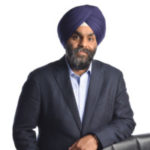
We launch our coverage of the 2026 Nonprofit Technology Conference with an NTC perennial: Rubin Singh. This year, he asks you to consider the human side of tech that impacts your CRM, and really, all technology: governance; business processes; inclusive design; and, change management. Rubin is CEO of OneTenth Consulting.


Amy Sample Ward: A Conversation With The NTEN CEO

NTEN hosts the Nonprofit Technology Conference. NTEN’s CEO, Amy Sample Ward, is also Nonprofit Radio’s technology contributor. They join us to share about the people and place of 26NTC. What does the host CEO do to prepare for a major annual conference?


Listen to the podcast

Get Nonprofit Radio insider alerts


Apple Podcast button


We’re the #1 Podcast for Nonprofits, With 13,000+ Weekly Listeners

Board relations. Fundraising. Volunteer management. Prospect research. Legal compliance. Accounting. Finance. Investments. Donor relations. Public relations. Marketing. Technology. Social media.

Every nonprofit struggles with these issues. Big nonprofits hire experts. The other 95% listen to Tony Martignetti Nonprofit Radio. Trusted experts and leading thinkers join me each week to tackle the tough issues. If you have big dreams but a small budget, you have a home at Tony Martignetti Nonprofit Radio.
View Full Transcript

And welcome to Tony Martignetti Nonprofit Radio. Big nonprofit ideas for the other 95%. I’m your aptly named host and the pod father of your favorite hebdominal podcast. Oh, I’m glad you’re with us. I’d be hit with delusional parasitosis if you infested me with the idea that you missed this week’s show. Here’s our associate producer, Kate, to give you the highlights. Hey Tony, we have consider the human factors. We launch our coverage of the 2026 nonprofit Technology conference with an NTC perennial, Ruben Singh. This year, he asks you to consider the human side of tech that impacts your CRM and really all technology, governance, business processes, inclusive design, and change management. Ruben is CEO of 1/10 Consulting. Then A conversation with the N10 CEO. N10 hosts the nonprofit technology conference. N10’s CEO Amy Sample Ward is also nonprofit radio’s technology contributor. They join us to share about the people and place of 26 NTC. What does the host CEO do to prepare for a major annual conference? On Tony’s take 2. Tales from the gym. Sourdough from Kim. Here is, consider the human factors. Hello and welcome to Tony Martignetti nonprofit Radio coverage of 26 NTC. That’s the 2026 nonprofit Technology Conference. We are kicking off our 26 NTC coverage with this interview. Everybody’s gathered in Detroit, Michigan, this incredibly savvy, smart tech community. And we’re beginning with Ruben Singh. Ruben is CEO at 1/10 Consulting. Ruben, welcome to nonprofit radio coverage of 26 NTC. Thanks for having me, Tony. It’s a real pleasure kicking off. You’re our first one, first one of the year. Excited to be here. It’s a real privilege. My pleasure too. Thank you. You’re a perennial. I don’t know, 3 years running, 4 years at least, at least, yeah, yeah, yeah. I always enjoy the conversations. Um, thank you. I do, I do as well. Um, just give us an. Overview of the the the topic your your session topic is beyond the technology, the human factors, the human factors driving nonprofit CRM success. Give us an overview. What, what are we confounding between tech and human factors? Sure, sure, um, yeah, thanks for asking. That’s why I really love being here at uh. Um, at NTC because, uh, I spent a lot of time throughout the year, uh, going to other different conferences that focus so much on products, um, on, on newest innovations and, uh, newest technology, and, uh, this conference really gives us the opportunity to step back and say, you know, what makes the technology successful, and in my 20 plus years of consulting experience it actually has very little to do with the technology. Itself it has to do with all the things that are surrounding it in my opinion, yeah, yeah, yeah, I mean the, the technology is out there, um, everyone’s, you know, all, all vendors are really, um, doing as best they can to make sure they’re, they’re aligned with, uh, the needs of the community, but, um, that in itself doesn’t make success, so that’s kind of what I’m hoping to, to touch on this week. OK, sounds very good. Yeah, thank you. That’s a great overview. Uh, you can, you can grab, yep, grab his mic and. So what are some of these, uh, Amy also we might wanna be sensitive. I’m not sure about if the PA is a little too loud. I’m not sure it might be. We’ll take care of that. What are some of these human factors that you think are influencing CRM success? Sure, um, there’s gonna be about 5 or so that I’m gonna cover in my talk, um, but I can surely, uh, chat about some of those here. I, I, the first and foremost is really clarity of purpose. Um, what is it that we’re trying to achieve with the system? Um, oftentimes, uh, organizations will reach out to us and say, hey, you know, we, we need Salesforce, uh, and then I might ask them, uh, you know, what is it that, what, what is it that drove you to that decision, or, you know, what business problem are you trying to solve, and there’s not always answers for that, um, or the answers are very different depending on the different folks that you speak with, and, um, you know, it’s, it’s very easy, especially when, you know, you as a consultant to wanna jump in and problem solve and, all right, let’s build. Um, but, uh, you know, as I’ve learned through my career, uh, you, you really need to start with that strategy first, um, so that’s a, a, a, a key point of, of clarity of purpose, you know, what is it that we’re trying to achieve? Are, are we all on the same page of what we’re trying to achieve? Are there potentially different goals? Is it, you know, that we want to increase fundraising? We want to, uh, you know, we wanna be able to measure our. Impact better of our programs we want to be able to tell our story better. Is it, is it all of the above, um, all, all of these things ultimately need to be defined so we know how to, to, you know, uh, chart a path forward. I feel like some of this may be simplicity too isn’t, I think it’s simpler, although taking on a CRM change is not, is not simple, but. Is it, is it easier from an institutional perspective to say, you know, it’s a tech we need tech we needs Salesforce and we need versus being more introspective about our human our our our our human influences over technology? Absolutely Tony I think you you you hit the nail on the head there. I think it’s uh. Uh, oftentimes I’m brought in for what is said, hey, we, we need to solve this technology problem. We need to migrate to this new system or we need to upgrade here. And as I start having conversations and peeling back layers of the onion, I realized, goodness, this, uh, this is not a technology problem at all, um, or, or a very small part of it is technology. Um, there’s, um, you know, and, and I would say that, um, we, we often as a consulting practice, um, get brought into. Uh, organizations that have had a system for a very long time or they may have had an implementation that didn’t go very well, and when we look at the system itself, um, it, it’s almost, it is a reflection of the organization as well. It’s, it’s like we could see what your operational model is just by looking at your system. If it’s, if it’s very siloed and the data is very, you know, walled off, well, you know, it, it’s probably how you operate as an organization. Um, you know, every, everybody kind of doing their own things without a whole lot of synergy or a whole lot of, uh, ways to, to, um, work with each other towards a shared goal. Um, if data is, um, not really, really maintained very well, there’s not a lot of good data integrity, well, that probably reflects about, you know, how, how much or how little you value your data. Um, there’s so much that we can learn, you know, by seeing how the systems are and, and to your point. It takes that introspection and um it is much easier to just build and to be fair because then we can jump into a we can jump into it now we’ve got these 18 month project and just take a life of its own and we can ignore we can ignore we can ignore it the issue, the human issues and the culture issues that that we’re suffering through. Yes, and, and if I can, you know, if I’m being truly honest here, um, I will be honest it’s a safe space here. Um, we, uh, vendors, product vendors and consultants, uh, like myself, we don’t, we don’t necessarily make it easier, you know, we, we’re also like, oh, you know, if you’re not jumping on AI right now, you’re behind, or, uh, you know, if you’re not taking advantage of the latest product, oh gosh, where are you, you know, so I think, you know, we, we play a role in some of that as well, um, and so I really, uh, respect those organizations and, and especially those leaders within those organizations. who have that introspection and humility to say, you know what, before we jump into this, um, we need to make sure, uh, we’re aligned and, you know, our data is right and we’re, uh, you know, we have, uh, similar ideas in terms of strategy. We’ve cleaned up some of our processes. Otherwise what we’re doing is we’re spending those 18 months building something that ultimately won’t be used, um, and really, uh, hurts the bottom line of the organization and the impact they’re trying to deliver. How do you help clients? Make the pivot from we need the we need the tech solution to. We need to look introspectively at our, our human factors. Good question. And it honestly it doesn’t take much, um, you know, I, I, one thing I, I tried to insist on in our projects and try to build it into the, into the budgets is at, at bare minimum of, of what I call a visioning session where if nothing else we get leaders, managers, some, uh, you know, folks who are using the system in the front line. Get them together and be able to have a simple conversation about what exactly are the goals. Who are you as an organization? What are you trying to accomplish? What are those metrics that, that can tell you that you have or have not accomplished it? Um, what’s your vision of how a CRM system or your technology is going to help you achieve those things? Really just these 5 or 6 questions, um. I will get a good uh idea of how uh aligned they are and then you know when you ask those questions and everybody in the room has a different answer, that’s when they realize oh OK we’re not ready to jump right in um there are cases where everybody is aligned OK well then we can we can move a little bit faster and start talking about requirements and design, um, but I would say majority of the time with nonprofits, you know, trying to juggle as much as they have to in, in very unprecedented times. Um, it is, uh, it’s really, uh, that, that, that sort of initial conversation, um, is usually what makes folks realize, oh, we really need to step back and do this right. I’m wondering, has this cost you clients where, where, you know, they, they realize they’re not ready for the kinds of solutions and the kind of work that you bring? Um, it, it, it, it did early on, it did early on, early on I would say, you know, that they would come to us and say, hey, you know, we were referred to you, or, you know, can you implement this, and, and, and I like to step back. OK, well, we’ll find somebody else then. Um, oftentimes I’ll, I’ll actually refer them to somebody else. Like I, I, I don’t want to, I’m not in the business of, of, uh, wasting nonprofits money, um, or, or setting them up for failure. So, um, there’s, uh, but I would say as, as I’ve gotten further in my career and, you know, um, have shared a little bit, you know, the success story. That we’ve had with this approach, it’s, it’s actually, you know, we’re starting to see some nonprofits, uh, uh, reach out to us for this. They, they know that they, they need someone and, and they also don’t necessarily wanna bring in a different strategy consultant because they don’t want to have someone who is so disconnected from the technology, um, so they like to have someone who understands the technology, understands the technology roadmap, but doesn’t start there. Um, so I would say it’s, it’s actually, um, it, you know, at the beginning, it, it was tough at first trying to, to convince folks that this is the right way, but now folks are looking for it. Yeah, you and I have talked in the past about inclusive design. Let, let’s talk some about the, again, remind folks the, the value of that and, and how that plays into the, the human factors that are going to influence our, our CRM success. Absolutely, thank, thank you for asking. It’s, it’s not a question I get asked enough, so I appreciate that. We’ve talked at length about it. Yeah, well, I appreciate it. You, you always make sure that we include this as part of it, as part of the conversation. I, I love that, um. It’s, uh, uh, it’s, it’s definitely one of the factors, one of the 5 factors that I’m gonna be speaking about today later on, um, yeah, it’s, it’s, it’s really just asking ourselves, uh, when we build systems, uh, as I mentioned, it is a reflection of the organization, it is a reflection of the organization’s values, so we have to ask ourselves who, who, who is at the table making these decisions about how the system is gonna be built, um, and who is not at the table, um, if and who is not at the table, you know, what can we do to get some form of representation to make sure that their voice is heard. Um, oftentimes I’ll go into an organization and, you know, IT will, will, will be sitting with me and say, OK, let’s get into requirements and design, and that’s why I always, you know, say, OK, well, we can, we can talk about this, but ultimately we’re gonna need to talk with the folks who are gonna be using the system day in and day out. Um, or some organizations even a step better, say, OK, well, you know, here’s our super users, and I’ll, and I’ll say, great, you know, I’m happy to talk to the super users who love, you know, the technology, who love CRM. I also wanna talk to people who hate, who hate it, who are uncomfortable with it, who are reluctant, who are resistant, even. We wanna talk to everybody. We wanna talk to people of different demographic, different lived experience, the, the, the more, the more, uh, perspectives we can get. Um, it is gonna help us build a system that’s really designed for everyone, um, so, so I, I, I do believe that and I think also we’re in a time now where, um, we have to be mindful about the data that we capture, um. You know, we, uh, only maybe 10 years ago everyone was talking about big data and collecting as much data as possible so we can do all kinds of, uh, analysis and such and, and patterns and visualizations, um, where I think the nonprofit community is being a little bit more intentional, needs to be more thoughtful about the data that we capture and the data that we decide, hey, this is not, not good or not safe to, to keep in our system. Um, so, you know, these perspectives don’t really come up unless there’s people in the room who are thinking about it, um, so that’s where the inclusive design part comes in, uh, is really making sure we have, uh, as many perspectives at the table, so we have a system that’s really designed for everyone, and we’re being mindful and intentional that, you know, in the data that we capture, the processes that we build, that we’re really. Keeping our communities in mind that we’re serving and and not potentially creating harm, you, uh, you alluded to the principles. I think you’ve got 5 principles of, of, uh, for successful CRM implementation. What can you just tick off those 5, um, clarity of purposes, as I mentioned, the inclusive design is another governance is a 3rd. Um, uh, leadership and leadership growth in the process is, is, is a 4th, um, and the 5th, uh, is, uh, uh, the, the human factors, uh, sorry, the, the emotional, social, emotional aspects of, of moving to a new system, and that’s where I’ll speak a little bit towards, you know, really just understanding that for some folks, uh, moving to a new system, it’s, it’s more than just. Just a technology change, it is really changing your way of life, especially for, you know, I, I work with gift processors who’ve been doing, you know, this, this, this job, um, where they really ensure every gift is, is, uh, entered and processed and coded correctly. Some of these folks have been doing this for 1015 years, um, and it could be a thankless job, and, um, you know, everybody wants them to move quicker, move faster. Um, and, and so I, I, you know, spending time with folks, um, in those roles have just made me realize that this is more than just a software change. Um, it’s really their livelihood, it’s their, it’s the way they do their work, it’s, it’s what they feel comfortable with every, every day, so we have to be thoughtful and intentional in the way that we, um, bring change in those situations. How about the governance role? What, what’s the, what. You’re you’re thinking there, yeah, on the governance side, um, it’s, it’s sometimes one of the hardest things to, to get, uh, folks on board for, but it’s to me it’s one of the most critical things. It’s, uh, you know, when we, when we roll out a new system, it is, it is, we try to make it as perfect as possible, but it’s only good for that moment in time. Um, organizations will evolve. They will change. Their needs will change. New programs come, new programs go. The, the, the social political climate changes, um, and the system needs to evolve with it. And that’s one of the things that I’ve seen when we, when we see how CRM or why CRM systems failed. In my opinion, this is one of the biggest reasons, um, because the, there’s no structure in place to ensure that the system is evolving along with the, uh, with the organization. So when I say governance, I’m talking specifically about a committee, a council, call it what you want, of a cross-functional group of uh folks across the organization, some leadership, some frontline staffs, everything in between. Um, making sure every department is, uh, or business unit is represented in this council, and they’re actually the ones who own the system. It’s not IT. It’s not consultants. It’s not any particular vendor. It is really this governance council that ultimately makes the decisions on, on what gets prioritized, how the system will evolve, what integrations are in place. Um, they don’t have to be technical, you know, that’s where. You know, consultants or IT come in to help implement and execute, but the ultimate decisions are really made by this, uh, governance committee in itself, and I could see how that would bleed into leadership, another one of your five principles you need leadership to create this governance council to make it real and not a, you know, a facade, right, right? And you’re saying and that yeah, and, and the buy-in that the governance council owns the. Owns the system. IT is a support absolute IT is support. So but leadership. I was, I was encouraging you to talk something about the leadership role. Yeah, absolutely, and I think that, um, and, and it’s critical because, uh, we work with some organizations right now who’ve who’ve taken our advice. They’ve created this data governance council, but it’s tough because let’s take an example, um, you know, how do we track certain demographic fields in the system? It might seem like a very simple thing of how do we track race, ethnicity, gender. Um, in, in, in these types of factors, uh, there’s actually a lot of discussion and debate when it comes to these things, you know, how do we wanna break things down, how do we wanna track it? Should we track it, um, and there can be lots of, um, differing opinions here, but this is where leadership then comes in and says, OK, I’ve, we’ve listened to everything, and, and they help, can help facilitate and manage the discussion. Um, there’s also, uh, another topic that comes up in these governance councils is also permissions and security. Um, especially for organizations that are, that are a bit siloed or are used to having their own shadow systems or their own way of doing things, you get everybody together, but now everyone wants everything walled off. I don’t want anybody to see my data. This is where leadership can come in and say, look, these are the advantages of, you know, transparency. This is what the advantages are of, of having some shared data. It can bring synergies that you can, we can refer from program to program. Um, so you know there’s going when we get these governance councils in place, um, there’s going to be debate, there’s gonna be discussion, there could be very heated discussions, but this is where leadership can really grow into, uh, they can either, you know, avoid it and say, hey, you’ve all figured out yourself, or they can lean into it and, um, help facilitate decisions. That can help the organization long term so leadership growth um or that leadership role is is critical to making the data governance work. Say a little more about the the growth and the the evolution really of the system you’re saying as the as the institution changes the the system has to change with it. Uh, is that, is that just like a, a technology maintenance plan, or, but rather, I’ll tell you what, rather than me guessing what it might be, why don’t you just tell us what, what it actually is? Yeah, yeah, sure, um, no, no, all good, um, so an example of specifically around data governance is, um, I sometimes work with organizations, uh, and we start looking at their data of, you know, OK, well, let’s say for what we need to, what we need to move to a, to a new system. Um, they wanna migrate to a newer platform and such, and I find all these data points that are there that have been there for maybe 1020 years, and then you start asking around and nobody can really explain what it’s for, um, nobody can explain the, the root of it, the origin of it, and it’s just things that have been added over time. Um, in, in the most basic form ways, it, it, it clutters the system. It adds to the technical debt. It clutters the layouts that makes it hard and, and, and to use, and, um, oftentimes that stale data, um, it, it sort of takes away from the confidence people have in the system. So they’re like, OK, yeah, I don’t know if this data is accurate. I’m not going to use it. Uh, in fact, I have this spreadsheet that I keep, and I know that’s accurate. A death knell to CRM success exactly antithetical to CRM, uh, yeah, and then if we, if we tie it back into the inclusion conversation, um, you know, sometimes I’m, I’m working with a nonprofit that works with, uh, housing, for example, and then I start looking at all these questions that they ask in their questionnaire questionnaires, and it has to do with criminal history. It has to do with substance abuse history. It has to do with all these things, and I, I start, I have to ask these questions. Why are you tracking all this? What is it is. It, is it required? Is it, and then some of the answers I get back is, oh no, no, no, this was from a grant report that somebody asked for 10 years ago or, um, a leader who was trying to do a report and they asked us to capture this, but nobody’s actually using it right now, um, and now if we think about, you know, big data, data analysis, we talk about AI, um, you know, my fear is, uh, that this, this data gets in the hands of the wrong folks and it can actually harm the communities that, that, that they’re trying to serve, so. Um, so I think that those are just a couple of examples of where, you know, systems need to evolve with the organization and then of course there’s the more operational stuff, new programs, different data points that we wanna collect, different drop downs that we wanna collect, um, and just making sure that the system evolves. The moment, the moment the system doesn’t catch up with it and it becomes too hard to make changes, um, that’s where you’re gonna see the shadow systems and the spreadsheets coming back into play. Share something else that uh you’re gonna talk about in your session today that that we haven’t talked about or or go into, go into more detail on something you think we haven’t covered sufficient. Yeah, I think, um, yeah, the part that I’m most excited about is, is really just talking about how, how the, the, how the CRM is really that operational model. I don’t, I don’t think folks really see that enough, um, you know, I am gonna ask folks like what, what are the, you know, key reasons that they see CRM systems going sideways or implementations going, you know, getting derailed. Um, so I’m excited to hear what the feedback is, but I know when I’ve done these presentations before, it rarely has to do with the technology, and so, um, you know, so, so I think that we haven’t talked about things like change management. Of, of course that’s definitely a key component of it, um, but yeah, I’m really most excited about just kind of talking about the operational model, and, uh, you know, when I, um, Had, I did a similar presentation last year and I spoke a little bit about one of the, one of my five factors back then or last just last year was, um, make sure you start every project with a project charter and uh I don’t know if I feel strongly about that this year. I say the project chart is important, but you know I, I, I would start with a theory of change like that that I think is more important, um. The, the, the project charter could is still a good data element to capture um on how you’re gonna run the project, but I think it’s a project charter, charter, yeah, yeah, of like, you know, what are we trying to accomplish in this project, who are the people, who are the roles, um, how do we make decisions, it’s important, but I think even more important and what I’m gonna emphasize this time is, is the strategy part of it. You know, who are you as an organization? What is your theory of change? How do you intend to achieve the change that you’re trying to create in the world? Let’s start there. Let’s start there and then, uh, we work backwards. We then we figure out the processes that will support that. We figure out the outputs that you wanna track to know that you’re successful. Now let’s start talking about the technology. The technology comes last, OK, yeah. Let’s, uh, so that’s the place to start. We’re gonna end, uh, we’re gonna end our conversation with that. Ruben, always a pleasure. Thank you. Thank you so much. My pleasure. Ruben Singh, CEO at 1/10 Consulting, where you know that you’re not gonna just be sold a system that, that, uh, will keep Ruben busy for 18 months, but, uh, you ultimately unsatisfied with your CRM that, that, that does not happen for 1/10 consulting clients. So pleasure, Ruben. Thank you. Thank you so much. It’s time for Tony’s take 2. Thank you, Kate. We’ve got tales from the gym, sourdough from Kim. I learned recently. Uh, one of my, uh, visits to the gym in the morning that, uh, the sourdough bread. Is still flowing from Kim to Robert. I know you know Robert Semper Fi, our, our, uh, PhD, our Harvard Kennedy School of Government PhD in, uh, global studies. Recently, new PhD and it was Kim who was giving him sourdough bread. We saw this happen once before, uh, and they had made it sound like it was gonna be an ongoing thing and it turns out that it is. I saw the exchange, she brings the loaf. Last time she went out to the car to get it. Uh, she was, she was, uh, this time she was better prepared. Oh no, you know what? Last time it was impromptu. She was just talking about the bread and he got a loaf, but then it’s continued. And this week I saw, I witnessed one of the exchanges firsthand. It’s amazing to see, to, to catch a glimpse of, of monumental, you know, milestones of in history like this. The sourdough loaf, exchange, the transfer. The gift of bread from Kim. To our new PhD Robert. So, it was a startling thing to witness. I’m, I’m glad that I was there at, at the moment. You just, you just never know when these things might, you know, might never, might, it might never happen again. You just, you just have to get lucky in life this way. I also learned that Kim is the choir director. Uh, here in town at the church. Now, my town has lots of churches, but I guess one is the church. If I had to guess, I would say it’s probably the, the biggest one, which is the Baptist Church. Uh, Emerald Isle Baptist Church. But I, that’s a guess. She’s, we just know that she’s the choir director at the church. If I ever get confirmation on, uh, on which church in Emerald Isle is the church. Of course I’ll share it in another Tales from the gym. And that is Tony’s take too. Kate. I think you need to get a loaf of this sourdough bread. Well, the first thing I would need to do is start talking to Kim. I guess you can’t just walk up and ask for a loaf. Yeah, no, I’d have to start, yeah, you know, and I wave or I say, I do say occasional good morning to Kim, but that’s it. That’s as far as it goes. So, first thing I would have to do is introduce myself. That’s a big step. You know, I like to, I like to get my stuff done in the gym. I’m there to work, not, uh, not chat up folks. Uh, oh, I got another tales from the gym. Oh, a, a, a, another chatty guy, chat, and this guy. Uh, it’s coming. It’s coming. There, there’s, there’s too much chatting. I got, well, again, I got a place to go. Well, I got a place to go back here in my home office. So I take care of my workouts in the morning. I gotta leave. I, I can’t be chatting between sets and It’s just, there’s no time. There’s no time. You know, um, these folks are all retired. We’ve got just about a butt load more time. Here is a conversation with the N10 CEO. Welcome back to Tony Martignetti nonprofit radio coverage of 26 NTC. You know that that’s the 2026 nonprofit Technology conference. You know that all these smart folks. Using technology or consulting in technology or thought leaders in technology, all for the social good, you know that we’re all gathered here in Detroit, Michigan. My guest now is Amy Sample Ward. They’re the CEO of N10. We are not at N10. We are at NTC, which is hosted by N10. It’s a little bugaboo that we share, uh, a little. Joke that we share. So we are hosted by N10. Amy is the CEO, of course, you also know that they’re the. Technology contributor to nonprofit radio. Amy Sample Ward, welcome back for, I don’t know, the 60th time, the 70th time to nonprofit radio. Thank you for having me. Thank you for, I forget the number, you’ve already told me 12 times of getting to do this at the NTC. It feels good to have it’s like it’s a core part of it now, you know. Thank you. You you actually planned for where. Nonprofit radio studio would be. Oh, absolutely. When we were on the site visit, we’re like we’re right here, this little beautiful view, sunny corner, everybody walking by, you get that like perfect podcast, ambient background noise of, of chatter and laughter. Yeah, no, we, we held this corner for you. Thank you very much. That’s what a lovely, what a lovely intro. That’s, that’s fabulous. Thank you. You can uh doff your little mic. OK. So we’re gathered here in Huntington Place, yes, which, which, uh, which is the convention center, but they don’t call it that. Exactly, thank you. I didn’t want to steal the headline, but yes, it is the Detroit Convention Center. Yes, we have thought, I, I, I’m quite curious how it came to be named that because. You know, like, what was the focus group room where they just tried and then everyone loves Huntington. Great. OK, well, let’s just call it Huntington Place, you know, um, I’m sure it’s maybe named after someone or mayor I, yes, the province leader of, yes, this is a trivia question. I, I can’t wait for a listener to email me like I can’t believe you didn’t know. Why is it Huntington Place? All right, but it is, and we’re gathered here. How many of us are gathered here in person? Well, because we’ve committed to continuing having both an in-person and a virtual, we don’t totally know how many people are in the building because you could just join virtually and not tell us. You can swap out at the last minute, totally, yep, so we’ve got, um, just about 1600 attendees in total. How many of them are in the room on any given day? I’m not sure, but you know, I, I don’t imagine that it’s 5, So it’s probably close to that number. OK, much higher than 5, right, much closer to 1600. OK, that’s right. Um, what’s, um, we’ve had, we’ve had a lot of chats, not surprisingly here at, uh, in the studio about artificial intelligence, of course. I imagine so. Let’s, let’s diverge from that. Oh, thank you for that gift. Share, share, uh, today’s keynote. I, I, I cannot. Uh, be in the key in the, in the comments for the keynotes because we’re setting up the studio because, uh, last minute stuff has to be done, ready for the 9 o’clock interview. So what was today’s, uh, keynote about? Sure, today was our, uh, the whole keynote was presented through our partnership with PIT UN, the Public Interest Technology University Network, um, which is part of CUNY no, no, oh, Pitt. OK, the pit lounge, we’re, we’re right here across from the pit lounge, yep, we sure are, um, CUNY, like many other universities, are part of that network, um, of the of the university network. That’s right. But so just to answer, I will come back to your question and I’m gonna take a meandering path, uh, to first say that because everything is horrible, everything is hard, um. Not everything, many things that we really tried this year to embrace the things that aren’t hard and horrible which are partnerships and collaboration and community and invited a number of other nonprofits who not just like in a. Talking point our mission aligned but like practically are part of what it means to advance intense’s mission of having equitable technology and an equitable world, Pit UN being one of them, spaces where they’re trying to make sure tech is built in community with community members. So we asked if they would come underneath the tent and and just have one big tent for this year and they of course said yes uh and we’re like we’ll do all the things we’ll sit right here we’ll bring all these people, you know, and one of the things they offered is how do we elevate these conversations should we partner on one of the main stage conversations and we said yes of course and how. We showcase what what it means to actually build technology in community. I think obviously that’s something I talk about you’ve talked about, you know, like that’s an idea, but how can we prove to this whole audience that it’s a real thing that people do every day. So this morning’s general session, Andrene Soli, the executive director of PI UN. Hosted a conversation with two practitioners from the Pitt UN Network where they talked about, yeah, literally this is a center at a university I run and we get all these students and all these community members and also these local government folks and these businesses and we built this whole advisory and then they decided what tech they wanted and then they built it together and then they have rolled it out and here’s how it’s sustained and really talked about like. Yeah, it’s not just possible, it’s, it’s happening, um, and, and kind of filled the morning with those possibilities. OK, cool, cool, cool. Um, so I, I’d like a little insider insider scoop or something like what is as we sit in this hallway with all these people, let’s get the secrets out. Yes, you’ll you’ll you’ll temper my question. No, what does the CEO of the host organization do with a 1600 person. 2.5 day conference. I see you, uh, you run back and forth. You, you have a radio in one hand. Lots of people have radios. All the team members have radios, but, uh, you know, I see you having conversations as you’re going up the escalator. You’re shouting down at the, you know, like asking this, yeah, but, but did the audience understand the nuances of the ethical considerations as you’re, as you’re gliding up this 10 minute answer is coming? Do they understand the ethical considerations as the as you. Um, no, so what, what, like, you know, what, what’s your, what’s your, what are your days like for the, not the lead in, but the live, the live 2.5 days. We started yesterday, today’s Thursday. Tomorrow we close Friday like around 2 o’clock or so, roughly. What do you do for these 2.5 days, you as the CEO of the host organization? It’s a great question, um. I think that my job is making sure that everyone is competent doing their jobs, so making sure everybody on the team knows if they’re. Signed up on it we have an internal staffing calendar for all the different roles to make sure people get breaks and get lunch and can walk away and not talk to anyone for a minute, you know, and so if they’re signed up for a shift and they’ve never done it before, do they know how to do it and they feel good and they don’t have to. Admit that like I’ve already checked in to say hey this is what’s gonna happen do you feel good you know you can ask me questions um and then the same thing goes to all of the partners anybody that’s here attendees too like. I want everyone, if you made it all the way here, even if you walked from a block away or you flew from 4000 miles away, that like. If you’re spending all of your precious energy to be here that you, you get out of it whatever you needed out of it, you know, and for some people that sessions, OK, let’s make sure the sessions are running, the AV team is there that, you know, those are gonna come off and you’re your best self, but also that attendees or partners, everybody felt like they’re leaving. Like satisfied and satiated and full and ready for a whole another year of hard work. So, A lot of my walking around or talking with folks is just like, do you have what you need? Do you not know where to go? Do you not know that, oh yeah, there’s already a room for that like here let me show you on the map where that room is, um, and then solving when people say no I don’t have what I need actually or I don’t know how to find that room, uh, and walking in there. So that’s my job. OK, so not, not so much putting out fires. That’s the, the, the team is empowered to deal with the if someone has a, has a purple lanyard and a radio, that means they can, so we have a, a pre-conference meeting with, with a representative of every vendor associated with the building and we say. You’re escalating it to me because I, I, I guess you believe that has to happen. Anyone on the team can say yes or no to a question and can authorize how we do this work. You, you pointed out last year that when you go to that, when you have that meeting with all the representatives of, I guess, housekeeping, uh, food, security, everything. AVIT. They’re accustomed to meeting one or two people on, on the host from the host organization. You bring the whole team. All of intent is in those meetings and they’re shocked. Like all these people, we can, we can deal with all these people. It’s right, and we ask every single one of them does an intro. Every single one of them shares what part of the conference they run. Yeah, alright, so you’re doing it differently. The food is excellent this year, as good as usual. We do really care. We want people to food. I know, yeah, I know, I mean. Uh, I, you have plus all the options. I mean, uh, there’s gluten-free, which I know is important for you, but it’s important for hundreds of people here, and there’s kosher and there’s vegan. The options have all been, it’s all been arranged. It’s not like we don’t halal, sodium-free, everything. Thank you for calling out a couple more that I that I didn’t think of, right, um. What’s the, what, what goes into the planning? Like, what’s the, what, let folks in on the. The two weeks before the first day here. What’s that, what’s that like for N10? Two weeks before, I mean, by that point we’re so down into the details of, OK, do we feel like this, you know, do we want an easel sign or a meter board sign at the bottom of that escalator? jargon jet. What’s a meter board sign? Oh, a meter board is like is literally those tall signs that that stand like 2 m tall, um, versus an easel sign which which goes on an easel, um, but yeah, we’re really down into the details within 2 weeks, you know. We have looked through all the bins and storage and we’re deciding that 2 weeks out is kind of when we do our final, you know, do we think that we need 3 more plastic sleeves that hold an 8.5 by 11 sign, you know, do we need more chocolate for community assistance desk, um, I think. Our biggest work starts a year out, you know, 2 weeks in it, you know, the train hasn’t just left the station, the train is like arriving the next and so our kind of our, our shipping. What about shipping? No, shipping is a month out. Shipping is already done. Yeah. 00, everything’s already on site here. Yeah, OK, OK, OK, um, but. We take, you know this, we talked about, you know, we have intense sleep day on Monday and then the following week is when we have our kind of multi-hour debrief and we start a debrief doc for the next conference. in 2 weeks because we don’t wait until it’s over to start, you know, um, because as soon as you’ve done something well now you know oh I shouldn’t have done it that way I’m gonna put it in the debrief, right? so we’ll go through everything. That we’ve put in there for the last year, make decisions. OK, do we just need to vent or is that actually something that we need to change, right? Or is that an idea for something to do differently and then we in that same document transition to here’s the build for next year. Speakers need a different form when they do their thing or badges need a different field in the, you know, right then and that feels in some ways like. A really big mental lift because you in order to make a lot of those decisions we’re like really playing in our mind OK what will that be like to build the registration, you know, checkout process or what will that be like to run a session in that room if we change the AV set and so it takes a lot out of everybody and it’s like hours of discussion. But then once we have that, we’re just referring to that document for a year, you know. It feels like there’s a catharsis to that too. I don’t have to keep this in my head, you know, it’s until we start the, the planning for the next one. That’s dump. It is a common refrain because it’s a year-round practice. Somebody will say, oh, I wish I had thought of put it in the debrief. We just, you know, star that document and everyone is just opening it all the time, all throughout the year, yep, put it in the debrief. OK, this is valuable institutional knowledge. Yes, yes, cumulative they are, they are coveted documents, you know, that’s cool. That’s cool. Um, are we, are we able to announce next year’s location? Yes, I should have looked up the dates. I know where it’s gonna be, but is it, it’s in Portland. Portland. It’s Portland, expected to be Portland and it’s in March. That’s OK. That’s OK. We’ll, we have plenty of nonprofit radio episodes between now and then. 50 50 to be exact. Between now and then, so there’ll be plenty of opportunities, but yes, next year’s is in Portland in March. That’s right. OK, because we, because you’re so egalitarian. Last year was Baltimore, East Coast. We’re Central Detroit. And West Coast is always Portland because so many staff live there and so Portland. Do we know two years out the location? We don’t. We don’t know that. Oh, you’re not bound. We’re not bound. You’re not bound. OK, well that’s good, right? Yes, flexibility because in years past, there were, there were binding contract COVID. Threw off the the cadence of how far out you could really book too. So I see. OK. OK, good. So Portland next year. Look forward to that. I already met someone from the AV Jen partners with us every year. Yeah, I didn’t know that. I, you know, she’s an all black and she’s got the logo on her shirt. Uh, you know, audio tape, whatever it says. And so I just pigeonholed her into, oh, they do the graphics and the recordings of, of all the of the sessions and the and the main room and the comments, etc. But no, she said she does the early walkthrough with you. They’re year round. Told me how you thought about this alcove for nonprofit radio and she’s, yeah, this is perfect. So yeah, so I’m gonna talk to her early for next year on how to get all my gear to Portland. This year, Amy, my wife and uh production assistant here, uh, lives in Indiana. Uh, where you went to college, um, so she drove, so I shipped a bunch of stuff to her because I fly. Last year Baltimore, North Carolina to Baltimore, I drove, so I drove the gear. This year I shipped the gear to Amy. She drove it up to Detroit. Next year nobody’s driving. No one’s driving all the way, neither North Carolina nor Indiana to Portland. So I would like to be able to get my gear there. It’s a real pain in the ass to bring it on a plane. I’ve done it. I’ve done it, but I’ve so many bags, gear bags, so Jen Jen is gonna. Partner with me. Jen’s gonna help you. She said talk to Hailey and Jen will have advice. Yeah, what were you gonna say? Well, you know that I do this to you regularly, but can I ask you a question, even though it’s your radio show? I think I know what you’re gonna ask, but yes, well, OK, it might be the one you, well, you might surprise me. Go ahead, of course you can. I was just gonna say it’s been 12 years of you being at the NTC and hosting. So many, I mean you do a really great job kind of curating if that doesn’t feel like a weird word, but you know selecting a real cross section of content across, I mean there’s, you know, 180 sessions or whatever and you’re not doing 180 interviews that would, you would be here for 2 weeks, you know. Ash’s with Ash’s help, I do, I do go through and select, but so I’m curious, you know, obviously 12 years ago people weren’t talking about AI and now a bunch of them are, but you know, separate from that kind of change, I’m curious any reflections that stick out to you of like. You know, I, I’m in the middle of the storm and, and you’re in the storm but not in the same spot of it that I am and I’m curious like if you can see shifts in those conversations or in those topics or in those, you know, like I’m curious what you see that’s maybe changed over those 12 years as an indicator of, of the larger sector conversation. Well, I’ve, I’ve, uh, complimented you on this before that you are a very much a macro and also micro thinker and I tend to be more tactical and so less of a macro thinker, so it’s a challenging question, but yeah, no, uh, so it’s not the one I was expecting. That’s OK, which is fine, which is absolutely fine. So I would say. You know, the way, the way now technology is mostly software, it’s not exclusively, it’s also human processes are, but I would say the way technology has evolved has changed the conversations. I mean, you know, 12 years ago, I don’t know, like I feel like 12 years ago we might have still been reading software manuals or app manuals, you know, but, but now software is so intuitive and. The user experience, I mean, I don’t, I don’t, I don’t know if 12 years ago we were talking about UX and UI. I don’t know if we were, they were very technical conversations. And, and yeah, but you know design is not just intentional but it’s just more common. I feel they’re part of that. Yes, you can feel more a part of it because the technology is more I guess human human focused, you know, it’s, it’s, it seems like it’s, it’s more common. They’re more common threads binding the technology than there than there were 1012 years ago, um, yeah, an app. Across multiple apps is a more common experience than it was 1012 years ago. The expectations are, are, are higher, I think software is certainly more sophisticated, um, but it’s, it’s, it’s more than just user friendly. It’s, there’s a more common understanding of what technology is now than I think there was 12 years ago, I think. Yeah, you would not have, you wouldn’t have looked at, well, what do, what do our competitors do? That we can improve upon presumably, but, but you know, where are they starting from versus, you know, now versus, you know, let’s start out of the box. So I’d say that I’d say that. I don’t know how to put that in 6 words, but I like that and and I think that’s all for the good and that’s all for the good of humans interacting with the technology um it’s for the good of the missions that we’re all here to promote through. Savvier use of technology, that’s all for the good, yeah, yeah. The question I thought you were gonna ask me, tell me what that is, uh, what’s a common theme this year? Oh, OK. I mean, you’re welcome to answer it if you had an answer AI, of course, which was, is more common this year than last year, but you know what I’m seeing within that niche. Much more. Conversation about the environmental impact. We’ve only got one floating in the sky. People are more concerned about it this year than they were last year. Last year, uh, ethical considerations and, and that certainly not that we’ve abandoned the ethics and the biases of using artificial intelligence, so more of like the social human impact when you say ethical, just clarifying because people maybe categorize environmental as the ethical, you know, ethical use of our resources versus ethical. Impact on humans that’s the bigger picture that you that you see. Yes, I’m seeing more of the physical environmental concerns. Water, electricity centers, yes, with massive data centers, and I think that’s because of the proliferation of them. It’s like even just in the last 12 months that conversation is coming up. If it’s not in your backyard, there’s a good chance it’s in your state. Right. We’re now talking about billions of gallons of water. Well, and, and it’s so complicated, right? Like there’s already great examples of communities doing like the real work of democracy, you know, like local communities working together, lifting up their voices and saying no, right, getting city council to not approve a, a data center contract or, or whatever it might be. However, and I think that’s great, you know me, I, we could go down that road deeply, but the thing I hear every time I, I want to celebrate one of those stories is, but then what about the community that didn’t have enough people. Like I’m gonna cry just thinking about it I know you know or know how to organize to know how to organize to organize they didn’t know what to do, hadn’t hadn’t built that social infrastructure as a rural or low resourced community. To get to make the city council do that same thing, these are the voiceless, right? or or the marginalized, right, and, and so I, multiple things are true at once. I’m so proud of communities saying we get to have a choice and our choice is no and that needs to be respected. And at the same time it is true that there are so many communities that don’t know or have access to the resources that would allow them also to get to do that, you know, so then it’s like well then we just completely keep repeating the same patterns of the places where jails are built. Right where data centers are built, where giant warehouses are built, are continue to be in the places that are gonna keep mostly impacting those same groups, you know. Yeah, yeah. And the physical impacts of all those things, as well as the environmental, just environmental meaning like just what what you you do you even have a neighborhood or you just live someplace. You don’t have a community, you don’t have a neighborhood, you just have a home or an apartment somewhere. Yeah, I know. I don’t know. They’re Amy Sample Ward. They’re a good friend. They’re, they’re our tech contributor. They’re the CEO of E10, um. I don’t know. They’re in our hotel. You’re, you’re in our hotel. Maybe we shouldn’t, I don’t know. Do you have a Friday night planned? Um, for the first time in my personal NTC history, so of every NTC I’ve worked as a staff person, but even as an, as an attendee before I worked at N10, um. I am leaving Friday night. I have like the last flight out because, um, Saturday, I was gonna say tomorrow but it’s not, it’s not Friday. So the, the, the next day, um, at 10:00 a.m. is my daughter’s ballet competition and I wanna, I don’t wanna miss it and I couldn’t and I couldn’t fly in time. You know, on a Saturday morning, so I had to take the last flight out late Friday night. Good parent. Good parent also they’re a parent. Also they’re a parent. Yes, and she’s very upset she didn’t get to come to the NTC this year and it’s like, well, next year for sure. Yes, of course, of course hugging her. Yes, yes, she will expect an interview. I’ll put her on mic. Why don’t you bring her with you? It’s, uh, it’s Amy and Oren next year. That’s on mic. Yeah. OK. Alright, alright. They’re Amy Sample Award, the CEO of N10. They are the host organization of the nonprofit technology conference. We’re at NTC. We’re not at N10. N10 is the host. Amy is the CEO. Thank you very much, my friend. Thank you for having me, my friend. pleasure. Thank you for having me. You’re, you always, you always plan on nonprofit radio. Thank you. 13, we’ll be there in Portland, whatever the dates are, we’ll be there in March in Portland next year. Yes. Next week, our 26 NTC coverage continues with responsible AI adoption and ethically using AI. If you missed any part of this week’s show, I beseech you, find it at Tony Martignetti.com. Our creative producer is Claire Meyerhoff. I’m your associate producer Kate Martinetti. The show’s social media is by Susan Chavez. Mark Silverman is our web guy, and this music is by Scott Stein. Thank you for that affirmation, Scotty. Be with us next week for nonprofit radio. Big nonprofit ideas for the other 95%. Go out and be great.

Nonprofit Radio for June 5, 2020: Don’t Get Played By The Product Demo & Facebook Fundraising Data

I love our sponsors!

WegnerCPAs. Guiding you. Beyond the numbers.

Cougar Mountain Software: Denali Fund is their complete accounting solution, made for nonprofits. Claim your free 60-day trial.

Turn Two Communications: PR and content for nonprofits. Your story is our mission.

Get Nonprofit Radio insider alerts!

Listen Live or Archive:

My Guests:

Rubin Singh: Don’t Get Played By The Product Demo
We’ve all watched in awe as the cursor flies across the screens of a demonstration. Nine months later we’re scratching our heads. “They made it look so easy back then.” Get insider tips from Rubin Singh, who’s led hundreds of sales demos. He’s CEO of OneTenth Consulting. (Part of our 20NTC coverage)


Nick Burne, Julia Campbell & Maureen Wallbeoff: Facebook Fundraising Data
This 20NTC panel feels your frustration over Facebook not sharing donor data. But they also admonish that you can’t ignore the value of Facebook fundraising. They bust myths, help you overcome the challenges, reveal how to thank and engage your fundraisers and steer you clear of pitfalls. They’re Nick Burne from GivePanel and consultants Julia Campbell and Maureen Wallbeoff.


 

Top Trends. Sound Advice. Lively Conversation.

Board relations. Fundraising. Volunteer management. Prospect research. Legal compliance. Accounting. Finance. Investments. Donor relations. Public relations. Marketing. Technology. Social media.

Every nonprofit struggles with these issues. Big nonprofits hire experts. The other 95% listen to Tony Martignetti Nonprofit Radio. Trusted experts and leading thinkers join me each week to tackle the tough issues. If you have big dreams but a small budget, you have a home at Tony Martignetti Nonprofit Radio.

Get Nonprofit Radio insider alerts!

Sponsored by:

Cougar Mountain Software logo
View Full Transcript
Transcript for 492_tony_martignetti_nonprofit_radio_20200605.mp3

Processed on: 2020-06-06T04:30:45.115Z
S3 bucket containing transcription results: transcript.results
Link to bucket: s3.console.aws.amazon.com/s3/buckets/transcript.results
Path to JSON: 2020…06…492_tony_martignetti_nonprofit_radio_20200605.mp3.491252485.json
Path to text: transcripts/2020/06/492_tony_martignetti_nonprofit_radio_20200605.txt

[00:00:11.54] spk_0:
Okay. Hello. Welcome to tony-martignetti non

[00:02:30.78] spk_1:
profit radio. Big non profit ideas for the other 95%. I’m your aptly named host. I’ll have something to say about George Floyd and racial equity in Tony’s Take Two. Oh, I’m glad you’re with me. I’d be forced to endure the pain of Ballon O prostatitis if you pissed me off with the idea that you missed today’s show. Don’t get played by the product demo. We’ve all watched in awe as the cursor flies across the screens of a demonstration. Nine months later, we’re scratching our heads. They made it look so easy back then. Get insider tips from Ruben Sing, who’s led hundreds of sales demos. He’s CEO of 1/10 Consulting. This is part of our 20 and TC coverage and Facebook fundraising data. This 20 and D C panel feels your frustration over Facebook not sharing donor data, but they also admonish that you can’t ignore the value of Facebook fundraising. They bust myths, help you overcome the challenges, reveal had a thank and engage your fundraisers and steer clear of pitfalls. There. Nick Byrne from Give Panel and consultants Julia Campbell and Maureen will be off tony Stick to be The change were sponsored by wegner-C.P.As. Guiding you beyond the numbers. Regular cps dot com by Cougar Mountain Software Denali Fund Is there complete accounting solution made for nonprofits tony-dot-M.A.-slash-Pursuant Mountain for a free 60 day trial and by turned to communications, PR and content for nonprofits, your story is their mission. Turn hyphen two dot ceo Here is don’t get played by the product Demo. Welcome to tony-martignetti non profit radio coverage of 20 and TC. That’s the 2020 non profit Technology Conference sponsored A 20 D. C by a Cougar Mountain Software Denali Fund. Is there complete accounting solution made for non profits tony-dot-M.A.-slash-Pursuant Mountain for a free 60 day trial. My guest now is Ruben Singh. He is CEO of 1/10 Consulting Ruben. Welcome to tony-martignetti non profit radio. Thanks

[00:02:38.40] spk_2:
so much, tony. Glad to be here.

[00:02:48.54] spk_1:
Pleasure on pleasure. I’m glad that we could work this out virtually. And I know that you are well and safe outside Baltimore in Maryland goods, your topic is don’t get played by the product. Demo, Exclamation mark! If you’re shouting this from a mountaintop, don’t get played by the product. Demo. You’re an insider you’ve done How many? Hundreds of product demos?

[00:03:02.44] spk_2:
Yeah, definitely in in the hundred’s. But the thing is, I’ve been on all sides of it. I have, ah, delivered demos. I have been on the the the customer side or the prospects of receiving demos, and I’ve also coordinated them on behalf of my customers. So I felt like I had a lot of good experience and perhaps some insider tips and tricks toe offer.

[00:03:22.57] spk_1:
Okay, there is There is some deception in these in these demonstrations.

[00:03:40.46] spk_2:
Well, you know, I wouldn’t quite say deception. It’s a spectrum, Really, Uh, some things I have some practices I’ve seen over the years have ranged from you, maybe a little questionable to mislead it, and then some of it has been deceptive. But, you know, honestly, tony Yeah, it’s a little tongue in cheek. I I don’t want to imply, especially the non profit sector, that these that these sales reps are being dishonest in any way. I think most of them have great intentions. But what I really think that there’s a handful of tips and tricks and practices that folks can use to really make sure they’re getting the most out of their demos.

[00:05:07.37] spk_1:
Okay, My my recollection of these as a consult. So I do plan giving consulting. And I’ve gotten some demonstrations for profit from products as a as a as an observer for on the client behalf. Um, and then together we make a decision, but my memory of them is that the cursor is flying around the screen. It started non stop. And then at the very end of a 30 minute demonstration, Do you have any questions? Well, I probably had questions from screen number two about 90 seconds into the thing, but I’m flummoxed now. I’m overwhelmed by the by the movement by by the screens flying around. I can’t remember my question. I I think I had one, but I’m not positive of that. I need to I need a I need a drink. I need to calm down, because the thing just went so damn fast, you know? Um, all right, so that’s that’s probably on the negative end of the spectrum again. Not suggesting deception, but it just goes so fast, you know? Shoot. All right, So where should we start? I mean, you have tips for preparing before the demonstration starts. Yeah,

[00:05:12.64] spk_2:
Well, what you just described is a very common situation. And I would say where the biggest gap is I’ve seen where customers have come back to me and said, You know what? Everything looks so seamless and looks so, uh, you know, so nice and shiny and so quick and easy in the demo. But that’s not the product we ended up with. The biggest reason for that is, in my opinion at least, is how you come into that demo. How prepared you are. If you simply just walk in, let the sales rep do their thing and just, you know, as you and just wait to be wowed and impressed. You’re very likely going to end up disappointed so that one of the first points that I really bring up in, uh, my talk was to present some use cases to really think to yourself, what are the four or five things that we must have on Day one when our new system is live, as well as one of those four or five things that are working terrible right now in our current system, those are the areas we want to focus on, Let’s draft up our use cases. Let’s get very specific examples, not yes or no questions and provide that to the sales rep account executive ahead of time. That way, you’re not really focusing on the fluff. You’re not focusing on the bells and whistles. You can watch that stuff on YouTube. You’re really focusing on those areas that are going to be critical for you to be successful.

[00:06:24.34] spk_1:
Okay, Anything else we should be thinking about as a team before we before we view this extravaganza?

[00:06:30.66] spk_2:
Yeah, definitely the prep that you do up front. You know, I kind of alluded to this that you doing your homework? A lot of these products that you see out there, especially in a non profit technology side. There’s demos available. There’s demos available on their websites. You know, maybe you need to download a white paper. There’s demos available on YouTube. Eso, you know, watch those demos do your homework. Don’t just wait to the demo. You know the facilitated demo before you see it for the first time. That way, you can really understand what the potential pain points are again. Also, there’s many different organizations out there that do independent studies on the various donor management C r M systems eso. So that might be a place as well as other other applications. So do your homework. Understand where the weaknesses are already a prom. That way you can focus on their those areas in the demo. So the team or the pattern I really focus on here is move away from the demo just being a presentation and really try to make it a working session with your sales rep. Eso you’re really working through this scenarios and not just sitting back and watching can presentation.

[00:07:29.58] spk_1:
Okay, Yeah, you’re focusing them on on where your pain points are, what your must haves are and not just getting a generic description of, you know, a lot of times, you know, if you if you end up meeting this, then we have this component and and we have this feature to you might not end up needing it, but I just want to acquaint you with it. You know, that that’s really irrelevant.

[00:07:52.71] spk_2:
That’s right. And so those were some things that you could ahead of time, you know, even during the demonstration itself, there’s certain things that you want to look out for, You know, again, the yes, no questions. Do you have all into your management? Do you have events management? Do you have playing? Giving the answer is always gonna be yes to a Yes. No question. We had a If you can always repurpose, you know, certain functionality to make it fit A particular scenario. So I try to encourage your my profit, remind my customers that’s gonna move away from that and really give a specific example. Hey, you know, I do a lot of events and I sit at the desk during our gala and I need to register people when they come in the door and also have the ability with the check and check out process to enter a new attendee. Show me how I can do that and that that could be one of the use cases that you present ahead of time. So again it gives it gives very specific things. Another thing that I suggest is is be careful about those words of integration and compatibility. Um, because everyone is integrated, you know, especially I deal a lot with Salesforce and everyone claims to be integrated with Salesforce but that integration it could mean anything. It could be a plug and play out that takes 10 minutes. Or it could be, Ah, it could be a separate third party solution that you need with 1/3 party consultant to integrate it. So all that falls within the category of integration. So you want to be very clear when someone says, Oh, yeah, we’re compatible with such and such or were integrated with such and such. What exactly does that mean? And how does it look?

[00:09:57.04] spk_1:
Okay, that’s interesting. Yeah, I don’t think most people know that. They just they say, Oh, it’s integrated. Okay, that’s awesome. It’s time for a break. Wegner-C.P.As Things are moving fast. The Senate passed a bill on paycheck protection program loans that extends the covered period from eight weeks to 24 weeks. You need a place to keep up with everything that we’re being hit with. Financially wegner-C.P.As dot com Quick resource is and blawg now back to don’t get played by the product demo. I should have given you a chance to shout out what? What’s the work at 1/10 Consulting.

[00:10:27.99] spk_2:
Oh, well, we, uh we do everything from strategy we work exclusively with nonprofits. We do strategy, work. We do implementation of C R M. Systems all the way through change management and user adoption. So we take a slightly different approach in the sense that we, uh it’s not really just the technology that we focus on. We really try to make sure that the people, the process, the strategy, the data, everything is aligned. Because if one of those pieces were missing, you’re not you’re not gonna be happy. So as a consulting practice, we try to make sure all those are aligned to help help move missions

[00:10:35.81] spk_1:
forward. What’s the significance of the name 1/10 Consulting. What is that? Does that mean?

[00:10:55.56] spk_2:
Yeah. You know, in the six faith, there’s a, ah principle or a concept of thus fund we call it, which is giving 10% of your your income, your time to the community into the greater good. Um, and in my early years of starting this practice, I worked with a lot of faith based communities. Um, and as I was implementing donor management systems for churches and synagogues and masa, I started noticing that this concept of 10% or 1/10 of your income. Er, and giving back was was such a central component of every one of these faiths and every one of these faith traditions. Eso to me, it was it was nice. It was this unifying principle. And and so that’s kind of where 1/10 comes from that the 1/10 really represents this this treasure. And, you know, I’m hoping 1/10 consulting helps helps that 10% really realize its full

[00:11:36.74] spk_1:
potential. So before you recognize this commonality, what were you, Reuben sing Consulting? What were you before you were 1/10

[00:11:43.75] spk_2:
before 1/10 I have worked for, um I worked at a non profit sector, but also in CR ems for over 20 years. So prior to 1/10 I was with an organization called Round Corner. In their non profit technology sector. I was vice president of digital transformation, and, um, and they actually have been acquired by Salesforce. But that was the time I realized that I don’t want to be tied into one particular product and really want to be able to look at things more holistically that way. Started.

[00:12:14.94] spk_1:
Um, let’s go back to ah to advice you um, you know, part of what you ah talk about is tough questions to ask way at that stage, or is there more you want to say leading up to it? But you you, uh you take it where where we need to go,

[00:13:44.97] spk_2:
right? Right. Yeah, I think you know, as far as the tough questions that we covered, some of them the integration, the interoperability. Okay, I think another thing we talked about with terms, not just the yes, no questions. Also, when it comes to things like, Do you handle soft credits? Do you handle plan giving? Do you handle solicitors again? The questions the answers will always be Yes. And although, you know, matching gifts, workplace gifts, these these air something that all non profits due in some way, shape or form. But you want to make sure that your impression and your understanding of it is the same as the sales reps because I’ve noticed a lot of gaps in that area as well. Another couple tougher questions that I always like to get into is asking this question of what exactly is has been upgraded in this demo. So I’ve just seen it Time and time again, tony. Where, uh, you know, again, you’ve seen this great demo. And then when you come back and say, Well, these air, like, archaic looking Web forms can’t show these to my donors, and then they come back and say, Oh, yeah, you just need to upgrade to the next forms package or, oh, if you’re going to send more than three emails, you have to say you have to upgrade to the next email package. So the demo has been filled with all these add ons and upgrades, but you’re kind of getting something different, you know?

[00:13:47.33] spk_1:
And so you bought that you bought the base model, but you test drove the, uh, the SLX expanded, uh, 16 cylinder version.

[00:14:01.74] spk_2:
Exactly. And I often, for example, a few years back I was, uh, family. We were purchasing home, and we wanted a new home, and we were looking all these model houses, and I know some people really like to see these beautifully furnished homes with great interior decorating. And I was just like, Can I just see an empty house? You know, I want to know what I’m getting. I get thrown off, I get distracted by all this. You know, Do you have some sort of, you know, house that’s being built, That that’s the same model that I could look at. And so I kind of looked at demos the same way. Do as little as possible, you know, and And don’t customise too much. Don’t add on anything. I want to see how close my use cases worked with your out of the box product that way. Ah, comparing apples down.

[00:14:39.06] spk_1:
Okay, Okay. So you can actually ask them to demo a specific version that you’d be most likely to be buying without whatever add ons, plug ins, upgrades, et cetera.

[00:14:51.31] spk_2:
Yeah, and it really should be easier for the sales rep to to prepare for that on and really have them. You’re focusing less on customizing and focus more on the use cases that you provided them. Okay. And I will tell you, you know, this not all sales reps or account executives will be receptive to this. And some of them might say, Oh, this is too much work. Or where they might look at your use cases and say we’re clearly not a fit, which is not a bad thing either. At least you know upfront. Yeah. The sales reps that I think are really good. And some of the ones I’ve worked with they would love something like this. They would love the client toe, give them a list of use cases. Give him some very specifics That way, they’re not guessing either. Ah, and the session is going to be a lot more fruitful when both sides

[00:15:34.44] spk_1:
are prepared. OK, OK, Reuben Weaken, spend some more time together. If you have more suggestions,

[00:16:04.52] spk_2:
you know, I’d say that there’s there’s probably one other suggestion that I would, uh I alluded to this at the very beginning on I think it kind of sums up. The whole point is when I talked Teoh sales reps and want to prepare them for a demo, I even tell them up front. You know, we’re not really interested in the demo. We’d like to have a working session and just even using that term, it changes the paradigm, and it really changes the relationship. They’re between yourself and the vendor. Eso even just something as simple as recommending that we’re calling it something different. The sales right will come in a little bit more prepared to work with you and really try to work through those use cases. Eso the more you can move away from the canned, you know, bells and whistles, presentation and Maurin toe a meaningful conversation on your use cases, the more happier you’re going to be with the end product,

[00:16:38.54] spk_1:
okay? And I guess if you get any if you get any pushback or objection from the from the sales rep about converting this from a demo to a work session, that’s a red flag about whether whether you want to purchase their ah, against purchasing their their product and continuing with the conversation with them.

[00:16:47.75] spk_2:
Absolutely. I mean, you know, we’re talking about on profits here, and, you know, obviously funds are always limited, and you want to make sure that you’re making smart decisions on where that money goes. So, like I said, a nonprofit sector, that’s the sales reps I’ve worked with their usually very much in line with this thinking. Um, so so but yeah, if there was any objection, that’s definitely red flag. In my opinion,

[00:17:10.04] spk_1:
you have ah, you have a resource at the on the 1/10 consulting site

[00:17:17.24] spk_2:
Yeah, yeah, you know, and we’re really bummed about that. The conference, the NTC conference being canceled. So what we did is we went ahead and I recorded the session that I had planned to deliver at the NTC conference, Um and ah ah. And have uploaded that recording to our website www 0.1 temp that consulting. Um, it’s there in the blog’s section. And you know, I would also suggest that that blawg section does have a lot of other resource is, you know, if you’re interested in grant management and what products are out there or if you’re trying to figure out what might be the CIA RAM solution for you, we have several articles free webinars on other insights that folks are welcome to take a look at

[00:17:56.84] spk_1:
Okay. And the full the full conference. Ah, this presentation is there. That’s correct. Okay, is 1/10 dot consulting. That’s correct. Oh, I didn’t know. I didn’t know dot Consulting is a, uh Is it available for those called extension?

[00:18:17.13] spk_2:
Yeah, it’s available. Signed, signed up for a couple years ago and definitely opens things up. T create the name that you want, so yeah, www 0.1 temps that consulting, and we’ll take you right

[00:18:29.14] spk_1:
there. Okay, It’s in the block block section. That’s right. All right. Ruben saying he’s CEO. 1/10 Consulting, Um, in Maryland, outside Baltimore. Rubin. Thank you very much. Thanks very much for sharing.

[00:18:35.14] spk_2:
Thank you, Tony. I appreciate your time.

[00:21:12.05] spk_1:
My pleasure. Thanks. And thank you for being with non profit radio coverage of 20 and TC. We need to take a break. Cougar Mountain software, Their accounting product Denali is built for non profits from the ground up. So you get an application that supports the way you work that has the features you need and the exemplary support that understands how you work. They have a free 60 day trial on the listener landing page at tony-dot-M.A.-slash-Pursuant. Now time for tony Stick to George Floyd. It’s a recorded murder. I am skeptically optimistic that the United States will deal this time with its institutional racism. If we’re gonna have a chance that that we each need to be the change we want to see, there’s no waiting for political leadership. They’ll get dragged along after we the people, start the conversation at our level. That needs to happen and I would like to help. Next week, non profit radio will have a special episode devoted to how to start the racism and white privilege conversation in your office. It’s a long journey. It begins with a single step. We each need to be the change we want to see. Start with me next week. That is tony Steak, too. Now, time for Facebook fundraising data. Welcome to tony-martignetti non profit radio coverage of 20 NTC 2020. Non profit technology conference with me now, our Nick Byrne, Julia Campbell and Maureen will be off. Nick is founder and CEO at Give Panel. Julia Campbell is author, speaker and teacher at J. Campbell Social Marketing And Maureen will be off is digital strategist and technology coach with practical wisdom for non profit accidental techies. Welcome, everybody. Nick. Julie. Morning. Welcome. Welcome, city pleasure. I’m glad we’re able to work this out. I know you’re each well and safe on. I’m glad to hear that. Everybody’s okay. Um, we’re talking about Facebook. Fundraising your 2020 topic, uh, for NTC is best kept secrets the getting and using Facebook fundraiser data. Julia, you’ve been talking about Facebook fundraising for so long we had you on?

[00:21:16.09] spk_3:
Yeah, last two years ago

[00:21:18.57] spk_1:
Was the the last year or two years ago. Um, you’re gonna have toe. You have to find a new gig.

[00:21:23.62] spk_3:
I know. Well keeps changing

[00:21:26.41] spk_1:
this this one trick things.

[00:21:27.84] spk_3:
And now I found neck. You’re like my Facebook fundraising soulmate, so

[00:21:32.14] spk_1:
that’s right. So I’m going to start with you, Since I know for a fact you’ve been doing this thinking about Facebook fundraising a long time. Um, what the problem is, Facebook doesn’t share. Right? We lamented the last year or two years ago, you and I.

[00:22:42.13] spk_3:
Yes. So I Yeah, it was in New Orleans, Um, 18 ntc with and I did the first session on Facebook fundraising tools, and it was when they had just come out and I had mental health, America and the Polaris Project with me because they were kind of just slaying it with Facebook funders and raising thousands of dollars. Like Nick likes to talk about that magic money that comes down when you turn on the tools. But the number one this was two years, the number one quandary and problem, an issue that nonprofits had and still have is this issue that you don’t get the information of the contact information for everyone that makes a donation, even if it’s not to you? Necessarily. It’s to someone else’s birthday fundraiser. So our entire philosophy and the three of us are all on the same page, and we talked about it. We have talked about this a lot is that you’re missing the point. If you focus on the data that Facebook gives you, there are ways to get the data and the content information for your fund raisers. The people that are raising money for you that are stepping up and saying I want to donate my birthday. This is a cause that I really care about right now. Everyone come together, raise money. Those are the people you need to focus on. And I think Nick made an amazing amazing point earlier this morning when we were talking. I love that point where you don’t want to clog up your Sierra Room in your database with the data of all these donors who don’t even want to hear from you anyway because they haven’t elected to hear from you. They didn’t really box

[00:23:27.81] spk_1:
their connection here, person they’re connected. The person who is running the fundraiser?

[00:23:32.51] spk_3:
Yes, exactly. Exactly. So get around this. We need to get over this hump. And Nick can also talk a lot more about that. And Maureen can

[00:23:40.82] spk_1:
too. All right, So you don’t want to focus on what we don’t have.

[00:23:44.34] spk_3:
Yes, there is a

[00:23:44.95] spk_1:
possibility that they might be, uh, uh, interested in engaging with you and your cause.

[00:23:51.81] spk_3:
Maybe,

[00:23:52.45] spk_1:
But you don’t want you don’t focus on that possibility. Want focus on what we do have is that

[00:24:31.94] spk_3:
Well, yeah, there’s kind of two ways to look at it. One is Do you want un discretionary? Do you want to, um, totally on un discretionary funds? Do you want free funds that you could do with whatever you want to do with coming in? No one telling you what to do? What? They’re not earmarked. Do you want that kind of money? Do you want exposure to a brand new audience? Or do you want to focus on the fact that I gave $5 to Maureen’s birthday fundraiser But I only gave because of Maureen? I’m not really interested in animal rescue yourself. Hung up on getting my email, but we got to stop with that.

[00:24:33.41] spk_1:
OK? All right. Well, Nick, Julie obviously teed you off. So why don’t you give us your overview?

[00:24:39.94] spk_5:
Yeah, I mean, I think, like like Facebook. Call it social fund raising. And I think that’s the key, right? It’s social. It’s it’s enabling people who love your cause who want, like, support your mission to go out and raise money from their family and friends. And if if organizations and nonprofits just treat it like direct mail or something, right, it’s not social, and so you have to you have to go with it. And so there’s this myth that, you know you can’t get the data. Yeah, Facebook don’t share the data. That is true. But actually, we’ve pion eight near two ways that you can get a lot of fundraiser data. You’re not going to get the data of every single donor that gives to every every single fundraiser on Or do you want to clog your sierra em up with that information, right? Because they’re not gonna convert on email or direct mail like less than 2% of them opt in. When Facebook asked them to hear from you. And that’s a good sign that they gave to your t their friend or their family or their loved one. Not Teoh your cause. So go with the flow. Don’t fight Facebook. Use it for a CE, much as we can possibly use it for. It’s a fantastic fundraising

[00:25:50.14] spk_1:
tour. Okay, Nick, what’s out in your background? You have You have a projector on your ceiling projecting that onto the wall.

[00:25:56.43] spk_5:
So that’s Michael. Jordan told me to read the quote. It’s a bit it needs to be bigger, right? But Michael Jordan quite. It’s a Michael Jordan quote. So is Michael Jordan

[00:26:05.70] spk_1:
Reed. It go ahead.

[00:26:20.05] spk_5:
It says, Uh, I’ve missed more than 9000 shots in my career. I’ve lost almost 300 games 26 times. I’ve been trusted to take the winning shot and missed. I failed over and over again in my life, and that is why I succeed.

[00:26:25.02] spk_3:
I love that

[00:26:26.76] spk_1:
additional. Okay. Is that that’s not a projection from your ceiling onto the wall, is it?

[00:26:31.26] spk_5:
That is one of those decals things.

[00:26:34.15] spk_1:
Okay? You’re very, very high tech. If you’ve got one

[00:26:38.12] spk_5:
E say it’s like a hologram,

[00:26:41.29] spk_1:
right? Exactly like It’s a

[00:26:42.77] spk_5:
commercial reality. It’s argument is not really there.

[00:26:50.94] spk_1:
It’s one of those lights that shines in front of a restaurant on the sidewalk. Where is it coming from?

[00:26:52.25] spk_5:
A car, guys, it’s,

[00:26:53.94] spk_1:
uh uh OK, Marine. You want toe? Er, why don’t you add to the overview and get helping us get started?

[00:28:30.69] spk_4:
Sure. I think that, you know, part of what Julia and Nick are alluding to has been around for a long time when you think about peer to peer fundraising generally. So I’ve helped a lot of people over the years with either live physical events, that’s a five K or a bike or walk or D i y peer to peer fundraising events and organizations, generally speaking, do not do anything with the donors who give to those team captains or those participants. The data does go into their C. R M because somebody’s made an online gift and is part of that text stuff. The date is getting sucked over, but they’re not trying to convert those people. But for some reason, people feel very frustrated about the inability to get the $5 donor into their database and is Nick and Julie have both said. You’re paying attention to the glass half empty. You need to shift your mind, pay attention to the information you can get and cultivate those relationships. Um, we and fundraising think a lot about the lifetime value of a donor, right? It’s just like it’s ingrained. And whether you were formally trained in the stuff or not is all around us about who’s valuable, Who do I spend time on and who I don’t. And Facebook turns that like a 45 degree angle. And it can be awful hard to get your leadership on board with ignoring donors just really what we’re telling people to dio. Those aren’t the folks that you should be paying attention to When it comes to Facebook fundraising, it’s the fund raisers themselves, not the people who were actually giving. And that could take some conversation at your board level or your your executive or sea level Um, inside your award that it is. It is not the way it’s always been, and you have to be cool with that and give

[00:29:00.80] spk_1:
it a try.

[00:29:01.75] spk_5:
Can I just jump in, jump in and just come off the back of the no Yeah, yeah. On anarchism. So polite, right?

[00:29:21.14] spk_1:
No. Yes. You’re not sure what I was? What I was going to say, Maureen, before I was interrupted was e. I could see how clearly. Yes. Take a drink, Nick, please. I can see why your company’s practical wisdom.

[00:29:23.34] spk_4:
Yeah, like

[00:29:30.74] spk_1:
your wisdom for non profit accidental techies. All right. And I saw you checkered with Donald Techie. Okay, so So we’ve gotta persuade our vice president, CEO and board, Maybe. I mean, the board may not be involved in what we do. Ah, fundraising campaign on Facebook or not. But at

[00:29:43.83] spk_4:
least these leaders, you

[00:30:05.28] spk_1:
persuade some people in the chain that we should be focusing on the five people a year who hosted us hosted a fundraiser for us on Facebook. Or it might be more than five, But but not not the 500 who gave at the rate of 100 each to to those to those five fundraisers. Ones who created the campaign’s not the wardens who donated to the campaigns.

[00:30:32.38] spk_4:
Okay, wait a few rooms about Facebook. You know, sometimes people have negative feelings about Facebook and that can you know, dr their business practices and where they’re choosing to invest their time. And what we’re what we’re here to say is Evaluate, evaluate, test it. Is it gonna work for your organization or not? And

[00:30:32.57] spk_1:
it

[00:30:32.68] spk_4:
probably is. So, you know, get ready. Get ready for that

[00:31:05.04] spk_1:
time for our last break. Turn to communications. They’re former journalists. So you get help getting your message through it is possible to be heard through the headlines. They know exactly what to do to build relationships with the journalists that matter to you. They are themselves former journalists. Those great relationships will lead to great coverage. They’re a turn hyphen to not CEO. We’ve got but loads more time for Facebook fundraising data. Nick you not because you interrupted, but Julia said earlier that you had some tools that we can applying here. You want to acquaint us with something?

[00:32:40.83] spk_5:
Yes. So my background as a digital fundraiser, we got into this early when client we saw the problems of the clients were having with data on. We started doing everything like, manually with spreadsheets and reaching out to fund raisers one of their time on Facebook, that kind of thing. And we just decided Look, this is crazy. We’ve got to build a tool to help that fast forward 18 months later, and we’ve got over 100 nonprofits in seven countries using give panel on What we do is we basically help organizations take the power back from Facebook? That’s kind of what we do. Like Facebook are getting a lot out of this, and that’s great. They’ve given us free tools. It’s free to use no platform cost, no technology costs, nor even any credit card fees, Right? So Facebook have given us something great. We know that they benefit, but our job is to leverage that tool as much as we can get a gun and leverage it for their advertising model on to keep them employees happy and like it’s a great thing that they’ve given the world. But it’s upto organizations toe to take the power back. And so we do that by helping how organizations Steward Steward their fundraisers get the data from their fundraisers on do you know, see graphs and dashboards and all that kind of thing. So it’s kind of the missing tool that Facebook haven’t given Facebook’s base books. No interested, necessarily in kind of building the best tool for charities, their customers, the end user on. So they’ll always be a gap where people like me will want to service the non profit. Right? OK, that’s what we

[00:32:43.61] spk_1:
do. Okay. Thank you. Julia party. Your description says how to identify who launches Facebook fundraisers. Is that Is that something that’s difficult to dio Julia?

[00:32:54.64] spk_3:
Yes. So Facebook is not going Teoh tell you when someone launches fundraiser and they’re not going to tell you who has necessarily launched a fundraiser. So you do have If you’re small organization and you’re not using a tech tool like give panel to help you, then you are going to have to figure that out. You’re gonna have to constantly be looking at your fundraisers and constantly trying to figure out and identify where the campaigns are. But that is absolutely crucial even for a small organization to dio to thank people especially, and give them the tools to sort of have already in your maybe on your website toe have a little bit of a tool kit. Maybe it’s a one page document with tips for fundraisers to really elevate their campaigns because we know nobody was born a fundraiser. No one’s born knowing how to fundraise. And if someone’s trying to raise $200 for their birthday, it’s a win win. If they can succeed because they’re gonna feel great and it’s going to be an amazing legacy for them and they’re gonna be really excited, and then you’re gonna build that relationship with them because you helped them. So, yeah,

[00:34:06.96] spk_1:
so how do we identify if we don’t have a tool? How right? Go to Facebook O. R. And find who’s doing this for us.

[00:34:14.09] spk_3:
I’ll turn that over to net cause there’s a couple ways.

[00:34:25.07] spk_5:
Okay? Yes. So Facebook. When you signed up to Facebook giving tools, you get a tab on your fate on your non profit Facebook page that says fundraisers. So you can see fund raisers that have raised more than $50 in that list. The problem is that you over about 70 60 to 70% of your fund raisers don’t reach $50. There’s a lot. There’s a lot of big fundraisers, but there’s also a lot, a lot of small fundraisers.

[00:34:41.89] spk_1:
All right, so you’re not going to capture the smallest ones. You won’t be able to say thank you to them. Maureen, what do we do? Once we have identified the people who have have launched these fundraisers for US

[00:35:35.06] spk_4:
micro appreciation, I’ll use next term. You have to find small ways to recognize and appreciate the effort that these fundraisers air making, no matter how much or how little they’re raising for you. Facebook is the great equalizer in that everybody sort of knows what everybody is doing, and your fundraisers expect it. They expect you to be paying attention. They expect you to thank them and acknowledge them all within the tool, you know? Yeah, you certainly want to try to get enough information and their permission to move them over onto your email list so that they can learn more about your organization. They can be more empowered to fundraise more for your get otherwise involved, but, you know, sending a message. Knicks got a great program where people send a tiny little gift like a like a pin, a piece of swag that in your non profit they have sitting around It’s pennies. Teoh access it a diner to to mail it out, and then that person has a tangible thing that is reinforcing that relationship. They knew that I did it. They took a minute to say thank you. They actually gave me a thank you gift. And so every time an opportunity comes up in my personal life for me to start a fundraiser, I’m gonna go back to that organization and show my loyalty.

[00:36:20.11] spk_1:
And what can we do to encourage these fundraisers, whether it’s birthday or or whatever, How can we? How can we be promoting that idea to To our constituents?

[00:36:34.41] spk_4:
You do have to promote it. Radio promoting Julia, which I

[00:37:28.28] spk_3:
guess you have to be proactive rather than reactive. So sure, setting up the tools and registering for Facebook payments. Make sure you’re you know I’s are dotted and your T’s are crossed and your registered and you have all the tools set up. But it’s just like with the Donate button on websites 5 10 years ago. If you just put it on your website and don’t tell anybody, then you can’t just expect the donations to rolling as much as they could. You really have to be proactive. So advertising it, telling people this is an exciting new way. It’s effective. It’s safe Facebook doesn’t take any fees, kind of dispelling the myths and misconceptions out there around Facebook fundraising showing people examples of other fundraisers that have occurred, giving them the tools like, um, giving them photos, giving them videos, giving them text, explaining to them here the top five things to do when you start a Facebook fundraiser. Here’s what to do when you hit your halfway point but actively encouraging people. I’ve seen it in a welcome email sequence. Actually. Ah, lot of nonprofits. When you sign up for the email issue, make a donation. I’ve seen them encourage you in their little sequence. Say, to make a bigger impact. Would you be interested in setting up a Facebook funders or force? Put something on your website? Put something in your email signature. Do a Facebook live. You know, you really have to look at it as all hands on deck promoting this.

[00:38:06.00] spk_1:
What do we know about the characteristics of people who are most likely to do this? Are they necessarily the under 30?

[00:38:13.12] spk_3:
I don’t know, Nick. You might know that we

[00:38:15.41] spk_5:
we don’t have any demographic information. What we do have is that its acquisition, actually, this isn’t for something for your existing supporters donors as much as it is people who are getting noted, verified a week before on Facebook, a week before their birthday. Hey, do you want to set up a birthday fundraiser? And then they’re searching for breast cancer? They’re searching for arthritis. They’re searching for dunk cap, you know, whatever they want, their passion about what they want to give to. So 90% of our client data From what the studies we’ve done our new to the organization. They’re not people that were already on the database. So this is acquisition and its huge. We have clients that have 30,000 fundraisers a month. I mean, when you get it right, it’s by big.

[00:39:05.70] spk_1:
I’m surprised to hear I’m surprised to hear its acquisition. I didn’t expect that at all. We’re committed donors who thought of you on their birthday. You’re saying they’re thinking that their birthday is coming up and they’re looking for a cause?

[00:39:39.52] spk_5:
Yeah, that’s like So my my wife lost unfortunate, lost her mom to breast cancer two years ago. She wasn’t she just fighting breast cancer and shows the 1st 1 that came up on what we’re seeing is as more nonprofits get on Facebook, the slice of the pie is getting thinner and thinner, so you need to get in early is growing, but so is the adoption. And so organizations that go on it two years ago did very well. It’s not the birthday. Fundraising is slowing down is the fact that actually more organizations are jumping on because they’re seeing how successful it is.

[00:39:46.57] spk_1:
Okay, we’re gonna start to wrap up, Julia. I’m gonna give you ah, a shot and then never go to Maureen for the final. What do you want to leave people with? Maybe how to get started. Whatever final thoughts.

[00:39:59.52] spk_3:
Well, if you’ve not started yet, go to social good dot FB dot com and see if you’re eligible to register. It’s not open in every single country yet. And some tools air open in some countries and some are not. But the very the second thing I would dio is understand that this can Onley augment and enhance what you’re doing. What we’re saying is not to completely replace everything that’s working. I’m not saying Onley to face with fundraising and throw out your direct mail, which is what people are hearing. I think sometimes when I talk, I’m not saying that. I’m saying this is gonna enhance. And like Nick just said, it’s a way to acquire new people that are passionate. That could be even more passionate about your cause. Because everyone’s already on Facebook all day already. You know, there’s millions. Billions of people on Facebook is the leverage, the tools and do the best you can with what you have.

[00:40:55.84] spk_1:
Okay, Marine, would you wrap us up, please?

[00:41:31.71] spk_4:
Sure. Um I would say, Don’t let the perfect get in the way of the good, you know we can. We’re very terrible about snow. Sometimes in non profit culture. We take a really long time to think about things. A really long time to change gears. This is a time for action. Even if the world wasn’t dealing with the pandemic, it is a time for action for nonprofits. Try something having experimental frame. Get buying from your leadership, but try it. Try it. You really have nothing to lose. How’s that?

[00:41:38.24] spk_1:
Would an impassioned plea Yes, that Z from from Kit God, that’s Marine will be off digital strategist and technology coach with practical wisdom for non profit accidental techies. Also, Julia Campbell, The

[00:41:47.02] spk_3:
Penis of your voice over Any time you talk

[00:41:49.93] spk_1:
work what it is. The company right?

[00:41:52.11] spk_4:
It absolutely is

[00:42:10.80] spk_1:
way. Non profit. Accidental techies. Julia Campbell, author, speaker, trainer, author, speaker, teacher and trainer. Well, teachers Train right, Jay Campbell, social marketing and Nick Byrne with Any at the end. Founder and CEO Give Panel Marine and Julia and Nick. Thank you so much for sharing with us.

[00:42:15.43] spk_3:
Thanks, tony. Thank you.

[00:43:41.52] spk_1:
Stay Well, I’m glad we were able to work this out and thank you for being with tony-martignetti non profit radio coverage of the virtual 20 NTC workshops sponsored by Cougar Mountain Software. The Knowledge Fund. Is there complete accounting solution made for non profits tony-dot-M.A.-slash-Pursuant Mountain for a free 60 day trial. Thanks so much for being with us next week. The special episode on the racism conversation and more from 20 NTC on the regularly scheduled show. If you missed any part of today’s show, I’d be sent. You find it on tony-martignetti dot com were sponsored by wegner-C.P.As guiding you beyond the numbers wegner-C.P.As dot com. But Cougar Mountain Software Denali Fund is there complete accounting solution made for nonprofits tony-dot-M.A.-slash-Pursuant Mountain for a free 60 day trial and my turn to communications, PR and content for nonprofits. Your story is their mission. Turn hyphen two dot ceo Ah, creative producer is clear. Meyer off Sam Liebowitz Managed stream shows Social Media is by Susan Chavez Mark Silverman is our rep guy. This music is by Scots You with me next week for not profit radio Big non profit ideas for the other 95% Go out and be great