Tag Archives: PBS

Nonprofit Radio for June 1, 2026: Brand Your Giving Programs & Donor Retention


Farra Trompeter & Ishmam Rahman: Brand Your Giving Programs

Farra Trompeter returns, with Ishmam Rahman, to share their advice around applying brand strategies to your monthly, mid-level and Planned Giving programs. You’ll build connections between your programs and improve outcomes. Farra is with Big Duck and Ishmam is from International Rescue Committee. (This continues our coverage of the 2026 Nonprofit Technology Conference.)


Jen Newmeyer: Donor Retention

If you want to retain your donors, engage them, and be strategic about it. You may face some roadblocks at your nonprofit, and you’ll want to be familiar with the Fundraising DISC Model. You also need to know the metrics that’ll tell you how you’re doing. Jen Newmeyer has you covered. She’s at PBS. (This is also from 26NTC.)

Listen to the podcast

Get Nonprofit Radio insider alerts


Apple Podcast button


We’re the #1 Podcast for Nonprofits, With 13,000+ Weekly Listeners

Board relations. Fundraising. Volunteer management. Prospect research. Legal compliance. Accounting. Finance. Investments. Donor relations. Public relations. Marketing. Technology. Social media.

Every nonprofit struggles with these issues. Big nonprofits hire experts. The other 95% listen to Tony Martignetti Nonprofit Radio. Trusted experts and leading thinkers join me each week to tackle the tough issues. If you have big dreams but a small budget, you have a home at Tony Martignetti Nonprofit Radio.
View Full Transcript

Hello and welcome to Tony Martignetti Nonprofit Radio. Big nonprofit ideas for the other 95%. I’m your aptly named host, and I’m the pod father of your favorite hebdominal podcast. Oh, I’m glad you’re with us. I’d suffer the embarrassment of hydropois if you made me sweat with the idea that you missed this week’s show. Here’s our associate producer, Kate, with what’s on the menu. Hey, Tony, I hope our listeners are hungry for. Brand you’re giving programs. Farah Trumpeter returns with Ishmam Rahman to share their advice around applying brand strategies to your monthly, mid-level, and planned giving programs. You’ll build connections between your programs and improve outcomes. Farah is with Big Duck and Ishmaam is from International Rescue Committee. This continues our coverage of the 2026 nonprofit Technology conference. Then, Donor retention. If you want to retain your donors, engage them and be strategic about it. You may face some roadblocks at your nonprofit, and you’ll want to be familiar with the fundraising DC model. You also need to know the metrics that’ll tell you how you’re doing. Jen Nemeyer has you covered. She’s at PBS. This is also from 26 NTC. On Tony’s take too. Number 5 in the top 60. Here is brand you’re giving programs. Welcome to Tony Martignetti nonprofit radio coverage of 26 NTC, the 2026 nonprofit Technology Conference. All these smart folks are convened in Detroit. And our coverage continues with Farah Trumpeter, who is co-director and worker owner at Big Duck, and also Ishmam Rahman, who is director of audience and donor strategy at International Rescue Committee. Farah, Ishmam, welcome to nonprofit Radio. Thanks for having us, Tony. Yeah, thanks for having us. Pleasure. Your topic is branding your giving programs to attract, retain, and upgrade donors. Farah, could you give us a kind of high level view of the of the topic before we dive in? Sure, so lots of organizations have individual giving programs for monthly giving, for mid-level giving, for legacy or plan giving, for major giving. And um many of them may not even brand those programs they may just be how they segment their donors in the database, but some organizations you see it particularly with monthly giving and legacy do have a name like the XYZ Society or whatever the name of the group is. Uh, what we did in partnership with the International Rescue Committee was look at all their different giving programs. Pros and determine if there could be an overall sub-brand for being part of of one of these donors to the International rescue Committee as well as having names of the individual programs, names and messaging and visuals that had a connection to each other to build a community among the donors and deepen their connection to the mission as well as to look for opportunities. For them to not only stay in these programs but potentially upgrade into others and in particular with the IRC we focus part at on their uh sustainer program, their mid-level, and their legacy program, which I know you’re a big fan of plan giving and legacy giving a little bit, you know a little bit about that a little bit, um, alright, fantastic, thank you. That’s a uh an ideal overview, um. It’s, it’s, it’s interesting because, yeah, there are lots of branded programs, but you’re sort of taking a comprehensive view and you’re also thinking of subgroups within. So Ishmael, what, what, what did. I guess I would say, what did individual giving branding look like at IRC before you started working with the worker owners at Big Duck, the, the Marxist socialists at Big Duck. Big fan of the Marxist Socialists at Big Duck, by the way, um, but yeah, I think IRC was structured in a very similar way to other organizations where, um, many organizations have giving programs but usually they’re not connected to one another because they’re started at different points in time and so. Just like that IRC had um rescue Partners that was the sustainer program and then Partners for Freedom that was the planned giving program, and then the Compass Collective that was the mid-level program so you can just hear that the three of them don’t really have a huge through line. They sound like completely three different programs, um. And so because 3 of the programs didn’t have a lot of brand awareness, uh, the leads of the programs came together and we had a discussion that this was actually a unique opportunity for us to rebrand all of them and create an ecosystem which would be. Moving it in a different direction than most other organizations were doing and so we partnered with Big Duck then to do that some other organizations were doing that, so we also took that as a as an example, um, and brought that over to the IRC. OK, yeah, I’ve never, uh, uh, uh, personally never. Yeah, I haven’t had this topic. Um, I’ve never thought of coordinating, you know, uh, yeah, coordinating the branding across all the individual, all the individual giving programs, um, so how do we get started? Like, does this make sense, Farah, for Like any organization or I mean you need to have, you need to have individual donors first of all right so if you’re purely you know revenue fee for services or purely government funded OK that doesn’t make sense, but you need to have individual giving or individual donors um and then where do you, you know, where do you. Take it from there. That’s pretty high level. Yeah, I mean, I think you need to have groups of supporters. We’re also working with an organization right now not only looking at some of their giving programs, but, uh, we’re seeing a trend also in organizations where they’re making many networks or groups of advisers, professional advisers who work with them, particularly around D giving. Um, as well as other ways that professional advisers are bringing supporters to organizations, so a few different nonprofits now have small groups or networks for those as well. So I think the idea of bringing a group of people together, creating an identity for it that makes sense for the people who belong to that, but also thinking about how do we create an identity that still ladders back and connects to the organizational identity because you wanna create something that kind of people realize they’re part of the XYZ, you know. Society or group, but they don’t realize even what that’s for it should always still be connected to that primary organizational brand so you have to have donors. The question is, are there enough of them? Have you done some research to see does belonging to something connecting to something, does it make sense? And then do we need it to be its own brand or should we just still use the primary brand of the organization? So that was one of the questions we went through. Um, after Ishma brought this project and was sort of raising the question, so the first phase was just even just asking and considering the options, and then we went through the actual development of the names and the messages and the logos of it all. OK, and then I, I guess I’m sort of jumping to the end, but I’m anxious to hear Ishmael, what did, what did the branding look like after the project? Yes, so we decided that actually. The groups of donors, we often look at them in a very siloed way, but all of these donors actually are moving across each other, right? A lot of mid-level donors become plan giving donors, a lot of sustainers become plan giving donors. Your ideal donor is somebody who’s a mid-level sustainer who’s also a plan giving donors, so you want the donors to be aware of all the giving programs and what kind of perks or benefits they can get that helps them get closer to the mission or your organization and so we decided we need to have one umbrella name we called it Rescue Collective because we wanted um this idea of community and the collective impact of a larger community. Through because what a lot of our donors were saying was that you know I don’t feel like my donation’s making a difference it’s just a drop in the bucket, right? What IRC does is we work with refugees and displaced people worldwide and every year the number of displaced people keeps growing and so our donors often feel like, well, what are we actually doing? And so we were trying to also kind of answer that question by making them feel like part of a bigger collective and then under that sub-brand we made. Sub subbrands if you will, um, we called the mid-level donors leaders, uh, we called the sustainers partners and we called legacy donors change makers and so you can be a re rescue collective leader rescue collective partner, rescue collective change maker. OK, a lot of this is messaging, right? And, and not, not only as it gets created, but you know, going forward, I mean, yeah, it’s gotta be explained. So what does it mean to be a member of the rescue collective. So nobody’s nobody’s just a member of the rescue collective. You’re either a leader, a change maker, or a partner, right? Well, you could be more than one, and you are still a member of the collective, so you’re a member of the rescue collective, but you are then also a rescue partner, a rescue leader, rescue change maker subgroups exactly, and I mean it’s hard for us to, to fully explain it, but there is also a logo for rescue Collective that connects to the International Rescue Committee logo and then there’s color designation for the three programs we named. OK, OK, um, alright, so, and, and this is, this is also supposed to help with fluidity across, right? I mean, the whole idea of individual giving is to upgrade folks from low level sustainer to maybe mid-level sustainer to major giving because you didn’t say, you said intermediate giving is what you call it at IRC like you have sustainer uh, well, sustainers uh can be um converted. Into mid-level sustainers um and then mid-level donors can be converted into plan giving donors but once they get to major gifts there is no like group or name for major gifts because that sits on a different team. I think part of it is also internal as well as external like yes it is external messaging for donors, but also it helps our staff and our teams have these containers to help create conversion and upgrade journeys. How does it do that? How does this help? So donor conversion, yeah, so an example is we are now upgrading more mid-level donors than ever from the bridge program, and the bridge program is a new program that we started that are for donors that are giving anywhere between 500 to 999. Mid-level starts at 1000, and so for bridge we can now give them invitations to the rescue collective leaders and if they. Say no to the rescue collective leaders, then we can give them a secondary ask being like, well, can you become a sustainer rescue rescue collective partners? So I think it’s really about being able to give like a very specific value proposition instead of an arbitrary number of, hey, give $1000. What does that really mean? Whereas with rescue collective leaders and rescue collective partners, there’s a specific mission attached to being part of that community, um, by giving at this level you’re enabling X, Y, and Z. OK, um, it, it’s interesting, you know, it’s, it’s, it’s kind of hard to. Listen to and and process because you all have been working on this for what, like a year or something I don’t know we worked together. It was 2023 to 2024, so this now has been out and about for two years, almost two years, and I want to make a pitch. I think it’s rescue.org/collective. It is, uh, you can go and actually see what all this looks like and sounds like and the benefits for being part of the rescue collective globally as well as for each individual program, OK, and, and. That’s a good shout out because folks may want to see the visual identity uh that Big Duck is renowned for. Thank you. And also support lots of social worker owners there. They’re all worker owners. It’s a, it’s an owned it’s a collective, right? Yes, but it’s not just about being, it’s not, it’s about trying to create a space where we are sharing power, we’re sharing decision making. We are still operating in a capitalist society, uh, but we’re trying to do it where we’re leading with our values. I, I think it actually dovetails really nicely into the mission of Rescue Collective because I think part of Rescue Collective is making donors feel like we’re interdependent with one another. We can only change the world because we’re interdependent, not because one group is saving the other, and so I think that’s why also the collaboration and partnership with Big Duck made a lot of sense. OK, OK, good segue there we go. Um, I was so. I, I was, I was saying that it’s, it’s hard to process as hearing it for the first time, uh, but I think there’s value in that because it just kind of emphasizes the, as you said, Imaam, the internal as well as the external that I brought up and Farrah talked about the internal and external messaging there’s this kind of a culture. I mean it’s, it’s culture a culture change. We restructured our teams honestly because of the way we’ve structured our audiences. Our team looks completely different than it did 3 years ago, partly because we did launch Rescue Collective and now we have these containers and we have very clear lines on which staff member is in charge of which journeys across channels. OK, um, maybe you could say a little more about that. What, how, how that, how the teams collaborate, how they share donors, presumably, I mean, obviously they are shared. Yeah, say some more about that collaboration pre-rescue Collective, the mass markets team was, um, structured in a very channel led way where teams were on the email team, uh, uh, staff members were on the email team, SMS team, direct mail team. It wasn’t really divided up into audience teams, but once we started. Having this conversation about Rescue Collective, we realized that if we are asking donors to go on this donor led journey externally, we also need to be donor led internally in our structure and so then we completely shifted from channel led to audience led where now we have a mid-level team, a sustainer team, um, a bridge team, a core standard donor team, a plan giving team and now each of these teams work together, um. Um, on their shared goals rather than having these siloed channel targets, um, which don’t actually work towards shared audience goals, and how do they actually share? Do they, they have prospect meetings? I don’t know, weekly, biweekly, um, some of the, yeah, so it’s a direct response program, um, we have around 250,000 mass markets donors, um, and so all the audience leads live. Under my team and we meet on a weekly basis on everything starting from strategy tactics, meal plans, data polls and so we’re constantly having the conversation about cross pollination between our teams. We’re always having a conversation on not only how do you retain but how are we converting between each teams and how are we upgrading and all of the targets and goals are now set around that it’s not just about keeping your donors in your own territory and seeing how well they do. And I just wanna chime in and say, you know, someone who’s been doing fundraising for 30 years, what I love about that switch is again we’re orienting around the group of people who we are interdependently working with to advance our mission as opposed to, um, years ago I had a client that we that I was working with us before I was at Big Duck at another agency where if we were raising money I know it’s hard to imagine I’ve been at Big Duck, it’s almost 19 years I know, um. But that uh with that organization if we raised money online, the direct mail program was getting really upset and like you can’t send an email to our donors because we’re gonna be sending out an appeal in 3 weeks and I’m like the donor doesn’t care whose bottom line they’re giving to they wanna give to the mission and they want to feel connected. So how do we actually communicate with them? And again, most programs now are omni-channel and they’re not just no we don’t there you go, OK, just kidding I think programs. to transition, but I think there’s a disconnect between the infrastructure that’s there and what’s possible in that current infrastructure and the infrastructure we need to move to, and I think that was like the struggle that we went through on our team, and it took us 3 years honestly to make that transition, but I, I, I’ve talked to multiple people today being like how did you do this? And it’s, it’s a really hard shift because it’s a cultural shift. You talk to your finance team, your budgeting, you can budget in a completely different way because you budget by audience, not by channel. How about the naysayers to this uh culture change? I know they exist and I wanna just give Ishmaam is very good at internal change management. I don’t, I don’t know about if I’m very good. Well, at least you took on the fight. There you go. You worked on it. All right, so how do you, uh, how do you overcome the, the naysayers? It’s not gonna work. It’s gonna be confusing. So I think that the way we made it work was we started doing an omni-channel audience led approach with mid-level first and that was easier because mid-level audiences oftentimes have a higher ROI so the risk appetite is higher even for finance and so we went through this audience led change we saw that it increased retention rate by a lot. We saw revenue per donor jump upgrades into major gifts jump and so when we saw. That, um, we took all those numbers and then presented to finance and leadership being like can we now expand this to sustainers? We expanded it to sustainers in year two, did the same thing, it worked really well and then we expanded it to standard, then we expanded it to bridge, and then we expanded it to plan giving marketing so it was definitely a shift, uh, a phased shift, but that was part of getting that buy-in basically. So you can’t do it all at once it’s gonna take patience, but I think that’s the way we got around it. I think another thing is seeing that other organizations were doing it. And so sometimes one way to get around that naysaying is being like look our donors we know also give to A, B, and C and look at how A, B, and C are communicating and we need to keep up with that or we need to be part of that because that’s how now people are experiencing the world and if we don’t meet them where they are, they’re gonna stop paying attention to us absolutely and and we took a look at, you know, MSF’s program because they were kind of going that way before. For us Orbis International, I came from the ACLU and we were doing this at the ACLU before I came to the IRC, so I kind of brought that institutional knowledge. uh, Planned Parenthood is also doing it and so I think bringing in that peer organization information also helped build, um, credibility. Interesting. OK, so were you, were you the genesis of this work at IRC having come from ACLU? I, I think so, partly yes, and then I brought on the team members that, you know, also really helped you know, be catalysts for this work as well. Yeah, yeah, what else, what else should we know about, uh, well, maybe, maybe I can be a little more definitive than that. Um, you talked about uh conducting research is that, was that preliminary research or I’m just going by your session description. Yeah, there were, there were two parts of it. One, we always like to start every project with research and really understanding why we should do something before just jumping right into it and making sure we’re clear on the direction we should follow. So in this case, Ishmaam can speak in a moment about all the research they had already done over the past few years that we were able to read, learn from, build on. And then we also did some interviews with some of these peer organizations to learn about their program, what worked, what didn’t work, what we should, we should know going into it, any advice they had. We, um, met with some of the different programs to understand a little bit more about their donors. We were going to do a donor survey, a new. Donor survey, but we paused it because at the time we were doing this work was right around when the war in Gaza started in uh 2023 so we wound up not doing a new survey. It wasn’t the right time because IRC needed their donors to focus on some other things, but they had done other donor research that we were able to bring in and Ishmaam can talk about that. Yeah, something that we also started doing even, you know, even before bringing on Big Duck is surveying our donors, which is why we realized we needed these giving programs to create these containers to actually move donors from one program to another. We did a lot of online surveying and actually I’ll shout out, uh, Sea Change Strategies who we’re continuing to work with. They’re an agency that really focuses on qualitative and quantitative research with donors. Um, we survey our donors. Every single month, um, from the rescue collective and that’s actually part of one of the perks if you’re part of it it’s basically saying hey we really care about your feedback because you’re part of this community tell us how um effective our messaging is tell us what you understand about our work what do you wanna hear more about what questions do you have and so we had already started doing that on a quarterly basis before bringing Big Duck on and all of those results we gave to Big Duck which then Big Duck synthesized and now we’re doing it on a monthly basis. Did Big duck use AI to synthesize that that body of research? We use human intelligence, not artificial HI. We went HI kept it high. They went low. I feel like this was also before the big boom. It was, I mean, I mean, yeah. Even then though we’re we’re not, I mean we’re we’re using our brains, uh, humans are reading things and and interpreting them and bringing them to conversation. Yeah, cool, um, any, uh, Ishmaam, did you experience any donor confusion like to a call center like I don’t understand whether I’m a change maker or a pacer or a leader. I know Pacer is not one of them. I just partner leader change maker that on purpose. No, uh, was there any external. Confusion there was a little bit but not actually as much because I think that was part of our roll out plan we made sure it was super robust, really multi-channel, really comprehensive that it not only went out to people that are already in those communities, it also went out to prospective donors which are the standard donors that are not yet sustainer or mid-level, um, or legacy giving um we talked to our supporter care teams and you know we gave them a run through of this project so we made sure that they felt confident about. Answering questions for any telemarketing campaigns we made sure all of our callers knew how to talk about it um more often than not actually we received more inquiries on like how can I become a leader and that actually led to conversations of how can I volunteer so that was really interesting and actually that we didn’t really foresee and so we didn’t have that many um FEQs set up for volunteer questions and so that was a gap that we addressed yeah. I’ll give you the parting words, Ishmaam because Farah opened, so you know, why, why, what’s the value here? Overall, you know, with, uh, uh, empower us, encourage us to uh consider this. Why, why? So. First year retention, multi-year retention, and overall retention rate for all three groups have grown significantly since we launched this, and you know, now we’re in year 3 and we’re continuing to see that growth. I think what we see is especially first year retention rates are really impacted by this brand launch because donors, once they come into the program and once they come into the IRC. Immediately feel like they’re part of something bigger and we know the value of one year year exactly, especially because we’re an emergency, yeah, we’re an emergency response organization. Our first year retention rate for mid-level donors is 54% at the end of fiscal 25. Um, it was, I believe I might get the number wrong, but I think it was like maybe 50% or 48%. It was already at a solid place, but the fact that we saw such. A big increase, um, I think, I think was kind of amazing just because with all of the emergencies that’s been happening over the last few years we’re getting more and more new donors influx of donors that also don’t really know that we do comprehensive work for refugees and displaced people um a lot of people think that we just do crisis response and so I think that was a really um great outcome um and lastly I guess I’ll close out by saying that. Doing this gives you an opportunity to really maximize lifetime value from every single one of your donors because now our donors know that they can make more of an impact by being a sustainer, they can make more of an impact by giving more than $1000. They can make more of an impact by putting us in their will and by doing that they can learn more about us because we’ll keep engaging them more and talking to them more and so. Retention rate is up, revenue per donor is up. A gift is up and so not only is this like a container for your staff and to have more seamless communications plans, but it’s also making a tangible difference in your fundraising KPIs. I said I would give you the last word, but I have to, uh, I’m reneging on that. So I, so to a newcomer, uh, to this for a newcomer to the subject. Why could you not have achieved, why do you feel you would not have achieved those outcomes with just Proper messaging, uh, donor, you know, typical donor outreach moves management. What, what, what is it about this that you think makes your outcomes better than would have been? I think it’s about communicating that donors have collective impact. They feel even better about their donation when they know it makes a collective impact because this is a huge. Community of people that’s also giving at that level and so I think they feel like they’re making more of a difference. I think we see a lot of hopeless hopelessness from donors, um, and we survey donors every single month and this is one of the biggest things we hear from them is that we feel really hopeless because of the state of the world, but I know that giving through the IRC and giving with all these people that also care, I’m making some kind of difference and by putting it into this container. You don’t have to explain that in so many words. It’s just being explained by like two words rescue collective rescue, yeah, OK, OK. Not being a naysayer but a newcomer. All right. No, totally understand, and I think, I think, um, we asked ourselves that question as well and I think part of that, um, part of that was, you know, let’s see what what happens let’s see what the KPIs look like after the first year and if we don’t see an increase then. We, we shouldn’t put so many resources into it and for some reason, not for some reason, I mean, clearly the, the community aspect did really resonate because that’s lifting, um, all boats and you did it incrementally as you explained, yeah, and I would just say a good branding is about using communications to build relationships that ultimately inspire action and so if you bring good branding principles to fundraising generally you see positive results. Alright, how about we leave it there? Is that alright, Ishmaam? I gave Farragut the last word after all. No, I think that’s perfect. I agree with that 100%. That’s Farah Trump Peter, co-director and worker owner at Big Duck, and Ishmaam Rahman, director of audience and donor strategy at IRC, the International Rescue Committee. Farah Ishmam, thank you. Thanks very much. Thanks so much. It was a pleasure. Thanks for having us. All right, and thank you for being with Tony Martignetti nonprofit radio coverage of 26 NTC, the 2026 nonprofit Technology conference. It’s time for Tony’s take 2. Thank you, Kate. We are 5 in the top 60 fundraising podcasts. According to Million podcasts, it’s a podcast listening platform. You might listen to us there. So that’s outstanding. Number 5, I thought I would give a shout out to the, uh, the top 4. The ones that, uh, maybe you should be listening to before you listen to nonprofit radio. No, that couldn’t be. No. It’s just, you know, this is just the way that things sort out. I mean, what’s really the difference between number 1 and number 5? It’s, it’s so small. We could just as easily, it’s probably in the margin of error. I don’t know what the margin of error is, but I’ll bet it’s within the margin of error, so it’s, we could be #1, we could be, it happens to be number 5 this time, you know, next time. I wouldn’t be at all surprised we’re number one. So, uh, you know, it’s all. They’re all neck and neck, let’s say. But I’ll, I’ll give a shout out, uh, to the, the top 4. Number 1 is the p.m. podcast that is hosted by Jay Frost. I’ve been a guest of his on the p.m. podcast a couple of times. Number 1, that’s number 1, Jay Frost. Number 2 is, uh, nonprofit Nuggets with Jennifer Yarborough. I have not been on that one. That’s probably why it’s #2. Uh, maybe I can help her jump up if she wants to have me as a guest. Uh, but that’s number 2, nonprofit nuggets. Number 3, the nonprofit show. This is a daily. I admire their commitment. They have rotating hosts. They have 5 or 6 different hosts that rotate. Uh, I’ve been a guest on that one. Hard to see why that’s number 3 then. Hm. That should be, uh, that should have been number 1 too. Uh, like I said, all within the margin of error. We could be number 1. We, we, we probably are, but it just, it’s embarrassing for a million podcasts to list us as number 1. but that’s number 3, the nonprofit show. Number 4, nonprofit news feed podcast, hosted by George Weiner. Uh, I’ve been on their podcast. I’ve been on the, uh, I’ve been on 3 of the 43 of the top 4. George is a good friend. I know him very well. Not only LinkedIn, but we’ve seen each other many times in person too. That’s number 4, nonprofit news feed. And you know, these are, I, I, I make light of it, you know, look, we’re number 5. I’m grateful to be number 5. I’m, I’m grateful to be in the top 60. There’s, there’s probably 600 of them, right? Fundraising podcasts. There’s a lot, there’s a lot. So, you know, it’s, it’s a bit of a vanity metric, but We’re grateful. I’m grateful that we’re, uh, we’re recognized. And so what that really means is, thank you, our listeners, because if we didn’t have any listeners, we wouldn’t even be on a list. We would just, we wouldn’t, we wouldn’t even, we would just be floating in space. We wouldn’t even belong to any list. How tragic that would be. So. Thank you. Thank you for listening. It’s been almost 16 years, only a couple of months away from 16 years and 800 episodes. Thank you. For getting us, uh, In the top 60, grateful to be at number 5. And thank you a million podcasts. Thank you, Kate. Kate. There’s a double Kate there. Um, there’s always room for improvement, you know. Oh, harsh, harsh. What kind of, what are you an associate producer for some other podcast? Are you, uh, trying to, uh, sabotage nonprofit radio? No, of course not, no. Mm, it doesn’t sound like 100% loyalty to me. We’ve got boou but loads more time. Here is donor retention. Welcome back to Tony Martignetti nonprofit radio coverage of 26 NTC, the 2026 nonprofit Technology conference. We’re kicking off day two at the conference with Jen Nemeyer. Jen is senior director of digital fundraising strategy at PBS. Jen, welcome to Nonprofit Radio. Well, thank you for having me, Tony. It’s my pleasure to be here. Uh, a genuine pleasure. We arranged this on the fly over breakfast because we had a cancellation and now you’re in the spot. Your session topic is donor retention by design. A strategic engagement lab for digital teams. Just give us a like 30,000 ft overview of the topic and then we’ll have time to go in deeper. Yeah, sure, so the topic really focuses on engagement for retention. So as part of the, you know, donor cultivation journey, it’s important to, yeah, you know, not only engage. Donors for acquisitions and prospects of bringing new people in, particularly in digital, but also as a stewardship, um, tactic and and all of those efforts really, um, you know, uh, inform and support, uh, long term donor retention and loyalty so that’s what we’re gonna be talking about and I’m gonna be helping the attendees put together a program. How they can, you know, really put together a plan for um engagement that um supports retention. All right, thank you very much you’re welcome, um, so let’s dive in a little deeper into uh the the relationship between engagement and uh retention. Sure, what, what are your, what’s your thinking around uh engagement strategies, uh, digital? Yeah, sure, so I think that a lot of times these types of activities are really overlooked or they’re, you know, um, living in the marketing department, for example, you have your marketing, you know, teams that are really active on social and doing a lot of really great work engaging audiences, but there’s no thought. To conversion and there’s no thought to stewardship like these people that they’re talking to are not not not only prospects but they’re also donors and so it’s just really important to have a very you know collaborative um approach to um engagement and um and so that is uh all of those efforts just really support. You know, as I had said before, long term, um, retention and loyalty and so it’s not just about the social media, it is actually putting together a very intentional plan so engagement strategies throughout the year touch points with donors, um, really, um, incorporating intentional acquisition and and prospects and focusing on. Um, conversion in digital, that’s really, you know, the, uh, part of the engagement strategies that are often overlooked just because nonprofits are busy, they’re focused on their campaigns, it’s one, you know, revenue campaign after another, and so, um, but by the same token we know how important retention is for sure. All right, so now I, I know in your session you’re gonna be having folks, uh, develop a plan, a calendar we’re not gonna be able to do that. But we can talk through what goes into this plan. So you’re, you’re, you said, you know, this is a, this is collaborative. It’s not just the digital team that’s involved in the engagement of our digital donors. All right, who do we need to bring in? What are we asking these folks to do to improve engagement so that we improve retention? Yeah, sure. So I mean you not only need your fundraisers and you need your marketing department, but. You also need your communications team um if there is a team that works on events, uh, that is helpful to have you know as perhaps part of a campaign, uh, you know, a virtual event, uh, you know, virtual, you know, live streaming, uh, activity as a part of an engagement campaign, um, sometimes, especially in public media, a production team would be helping you with video, uh. On Air spots, broadcast spots, radio spots, um, and then, you know, you also, uh, in some cases there could be some corporate, um, support that’s a part of some of the engagement teams so it’s really very much of an integrated approach, especially for, you know, a really, um, robust, uh, engagement effort where everyone is kind of coming together and pulling in. Um, their expertise and their contacts and the channels that they work on and just really developing an intentional strategy. OK, now if we don’t have the benefit of, uh, in-house audio production teams, we may not be a PBS member station. We might be involved in animal welfare or domestic violence protection. Um, you mentioned uh live streaming events as something, so what like bring folks. Behind the scenes, what, what might we, what might we live stream for our, our our digital donors? So, uh, I’ll give you an example of a, um, campaign, an engagement campaign that I put together when I was at, uh, WHYY in Philadelphia. So we, um, I went to law school. Oh, is that right? HYY and so I, uh, I told you over our impromptu breakfast, uh, I grew up with WNET 13 and WNYC radio radio public radio, um, and then law school. I went to, uh. Temple Temple, so WHYY, yes, yes, yeah, I remember HYY. I loved my time in Philly. I was there for about 2 years, yeah, yeah, yeah, yeah, it really is, yes, yes, yes, so, uh, this campaign that we put together, um, now it, it is very specific for public media, but the, um, the, the strategies and the tactics can actually be, um, replicated. For an animal welfare, you know, type of organization or any type of organization, it’s just a matter of being creative in the approach that you have. So the theme that we had at the WHYY, uh, campaign was around, uh, Jane Austen. So we had, uh, acquired, uh, Pride and Prejudice for, um, uh, passport for, um, you know, digital. It was, uh, on, uh, online, somebody on demand. And um so we really created a um sort of a 5 week uh campaign where we had uh a special email newsletter we used one of our talent uh uh members who you know does reviews of. Of movies and and he was the voice of this newsletter and every week it went, uh, he gave some behind the scenes, you know, details about the show, um, in his, you know, voice so that was the email series that we had then we also had, um. We also had uh a Spotify playlist for music that everyone had contributed to. We had trivia, uh, and a personality quiz about uh Jane Austen. We had a giveaway to acquire, uh, new, uh, folks and, um, we also, uh, utilized, um, an event, so we did a partnership with the Jane Austen Museum. Museum in England to do this was during COVID so we did a virtual tour and she just did this lovely, you know, uh, behind the scenes tour of Jane Austen’s house so everything was focused around this um theme and we really incorporated, you know, um, events and, uh, no I’m sorry you asked about live streaming that was a different campaign. The now that I’m remembering, uh, the, yeah, the, so we did a separate one called the Great Fall Feast right before year end that was the same sort of idea. So there was, um, an email series that had recipes we had, um, trivia, uh, questions, and, uh, you know, we had a giveaway with cookbooks and, and it was centered around programs that focused on food. So what we did is every week we had a different uh theme, a different food theme, and we went to a local Philly restaurant and we did a live streaming uh live taste test, had people, you know, tune in for that. So it was just a, just all of these different ways to bring in different audiences. So those are sort of two examples that give, um, you know, a little idea of how these kinds of things are structured. So these are, these are, you know, really focused campaign initiatives that might span, as in these two examples, a couple of weeks, but there are a lot of other activities that you can incorporate into. Um, you know, one of your, you know, fundraising campaigns. So if you’re, you know, doing year-end, you know, um, focusing on, you know, some sort of, uh, I love trivia giveaways, but also downloads trivia, you mentioned trivia quizzes twice, I think, yeah, yeah, down so in traditional marketing, you know, everyone uses lead gen, so lead generators where they’re. Offering a guide or a download or something like that for an email address well you can do the same with um an engagement campaign so for the great Fall feast we had a recipe guide they could download for Jane Austen we had a book list that they that people could download so it’s a way to just add a different, you know, element of engagement to your overall, um, you know, uh, strategy and bring in new prospects so then you do advertising around, you know. This, um, you know, piece that you have that people can download, but there’s so many creative ideas. I was talking to one, organization who had like a 50th anniversary, and I was like you should do like a historical book that, you know, on the culture in your community and have it as, you know, a downloadable piece to incorporate into all of your events that you’re doing around your anniversary as an extra acquisition piece. It also acts as a stewardship piece so you have your major, you know, send it to your major donors. It’s another touch point. So, so just being really creative in the way that you’re pulling together these ideas to just be very focused, uh, time-bound, um, thematic, uh, branded, and that really is sort of the secret to these putting together engagement strategies. You have something in your your session description called the uh the fundraising disc model DISC model. What is, what is that? I, I’m not, never heard of it. Uh yeah, because I created it. Oh, it’s proprietary to you. Are you willing to share it? I hope you’re willing to share it. Sure, yes, so, uh, disc, you gotta get it out more. I know. Well, it’s in my book, um, and you know I’m talking about it today. Thank you. What’s the title of your book? Digital Fundraising Transformation The Insider’s Guide to Revolutionize your strategy. And raise more so it yes, that’s right, um, so the, uh, DC model is digital integration for strategic collaboration and, um, it pulls together three different, um, traditional models in fundraising, uh, that, um, really do not reflect the digital aspect of, uh, you know, acquisition and prospecting. Um, and so I think that that’s why it’s so confusing, you know, I’ve been, I’ve been doing digital fundraising strategy for almost two decades now, and still I, I get asked, you know, you know, what does this look like? Who does it? Like what are we supposed to do? Like people do email and they do social, but there’s no real strategy that’s pulled together and um. And I think that uh you know as I was going through, you know, the, you know, all of the materials for my CFRE you know, um, these models just really don’t reflect that, you know, it’s focused on the cultivation of existing donors it’s not really focused on pulling in, um, you know, new, you know, acquisition and, and prospects so the, uh. The um fundraising disc model takes the um constituent circles Rosso’s constituent circles, uh, which, um, you know, focuses on, you know, the stakeholders at the very center and then, you know, and then as you go out of the concentric circles, the commitment, you know, is a little less from, you know, it’s very similar to other models where commitment is a little less um. Um, you’re, you know, sort of going to the last circle of the concentric circles where it’s called the organization’s universe, just this very sort of broad description, but that, that piece of the circle is so important from a digital fundraising, um, and, um, uh, uh, strategy to really be intentional about how you’re pulling. In those prospects and focused on the conversion that I kind of alluded to earlier when your marketing team is doing all of their wonderful efforts focused on the conversion to bring them toward the center so that’s a concentric circle that is um sort of lives in the um you know uh middle of sort of the center of the model overlaid uh on the concentric circles are the growth funnel. And so the growth funnel is really great for digital fundraising because the 1st 3 levels are intro introduction, uh, acquisition, and cultivation before you get to the conversion of donations. So that’s overlaid and again really demonstrates all of the very intentional strategies that go toward bringing in these, uh, new digital audiences. Then the growth funnel, um, I’m sorry, the giving pyramid, uh, focuses again it starts at the very first level as your one time donor, so there’s not even a level for acquisition so I added a level for acquisition, overlaid this on the model so that it demonstrates, uh, this really cohesive strategy for bringing in and you know, uh, all of these new audiences and then. To very intentionally convert them and bring them closer to the center of the disc model so it’s shaped, uh, you know, a little bit round with, with the, um, growth funnel and the giving pyramid overlaid on it so that’s the fundraising disc model. OK, yes, I, I wish I could see a visual because it sounds like a circle and a and a triangle and and another triangle that’s right yes yes yes I can visualize. Uh, your session is this afternoon. You’re, you’re gonna be talking about, uh, oh no, this morning, later this morning, um, you’re gonna be talking about some common roadblocks that we might see as we’re trying to Take this integrated approach and bring in other stakeholders. What, what are some of those obstacles? How do we overcome them? Maybe there are naysayers in the organization. Like, let’s, uh, let’s flush this out. Yeah, sure. So, um, one of the very common barriers is really, um, the silos that organizations have. So the marketing department often, uh, you know, doesn’t really understand what fundraising does. Or they sort of feel icky about it, you know, like we don’t want to ask people for money that just seems, you know, you know, uh, sort of, you know, not unseemly, it’s beneath us. Yes, yes, we’d rather, we’d rather do uh display ads in the, in the local in the local bus shelters, right? And then your fundraising department who works so hard and really, um, you know, strengthening relationships and cultivating relationships, which really is the core of fundraising. Um, they can’t understand why marketing is not thinking in this way of, you know, stewarding, and these, uh, you know, these audiences in a, in a very intentional long term way. So there’s a lot of, you know, communication, uh, barriers that come between the marketing and the fundraising department. So, um, in my book, uh, we, we actually won’t be talking about. This specifically at the uh session but um in my book I do talk about how to break down some of those barriers and have those conversations. Really the DC model um it was created to demonstrate how everything is supposed to work together for a success. So um how how do we bring along some of these. Uh, objectionist, I don’t have a lot of tolerance for naysayers. Oh, we’ve done it this way for so long. You don’t know what you’re doing. I don’t know what the, you know, how about turn that on its head. Suppose it’s wildly successful instead of wildly failing like you predict. So no, but, so how do we bring some of these folks along? Share a couple of tactics. I think the. Thing is um communication like sitting down and talking about what the goals are in marketing, what the goals are in fundraising and how there could be some first steps of kind of collaborating even in some small way with, you know, can we add some digital ads for our year-end campaign so taking, um, you know, some baby steps and just. Demonstrating how a couple of uh you know collaborations for different campaigns would work even on the marketing side, you know, if there is like a big marketing theme, you know, at PBS there’s, you know, viewers like me campaign that the marketing team has and you know, so is there a way that we can take all of those wonderful strategies and um. Introduce some conversion elements like how are we measuring what are the call to actions that we have for that? Can we create some sort of, you know, like I had said before, some trivia or download where we have some email capture so that that can lead into a cultivation strategy for emails or, you know, and then on the email side of things. Can we share some of these lists so that when we do have a year-end campaign we’re actually talking to the um talking to these audiences about how important it is to support the organization. So it starts a little bit with baby steps. Yeah, incrementalism can be very valuable folks along. Another of my favorite words is a pilot. Can we do a pilot? People like, people don’t mind pilots. They don’t like pilots, a little pilot light. There’s a little, a little flame in the stove, just that little burning flame 24 hours. It’s always on. I just think of a pilot light, but yeah, can we do a pilot? That sounds, it sounds very, I don’t know, it sounds experiment gingerly, a pilot. Let’s just see what sounds like fun. That’s right. That’s right. So, uh, a pilot, talking about a pilot is another, um, you know, really great way to explore the conversations of how collaboration can happen and then I think the third is really just some demonstrated success and so that’s why I. You know, do a lot of presentations. That’s why I’m here today to talk about like, yes, these things are successful because I have done them at my organizations. I have been in resistant organizations, um, where I’ve had to have some pretty candid conversations about like this is what I’m doing here and and if you don’t want me to do these things. Things like, you know, from an organizational standpoint, you know, like let’s have that conversation because I can go elsewhere and you know, take my, take my little bag of tricks on the road, uh, but, um, you know, um, it really, it really just starts with um some conversation, some testing, and, um, sometimes some research also when I was at WHYY. Um, lovely group of folks that I worked with. I just, you know, they’re just really passionate about what they do, very interested in doing experimentation and AB testing and those kinds of things, but when it came down to actually changing things on the donation form, it was like, well, we love experimentation, but you can’t change the donation form. So you know I, I took about, uh, it probably was about a 6 to 8 month process where I did research on each, you know, we had, we had meetings about the donor I just wanted to folks, well, um, so there were some fields that, uh, were, um, from my perspective unnecessary as it turned out they were. And so, but in their minds like no it’s so important that we know if the donor wants to support TV or radio it’s so important that we know, you know, um, their, uh, you know, middle name and their street number 2 and that they have the option to leave comments because we read those comments on air and all of these just little small elements that really slow down the donation process and actually these things you can collect on the back end. and actually utilize them as touch points after they become a donor, we’re so interested in your opinion. We’d love to read it on air and what second address might you have because we don’t want to lose touch with you. Yeah, right. It could be stewardship and cultivation for talking about, you know, engaging instead of front loading it all like don’t like you feel like they’ll never come back. Kind of a negative, you know, kind of a, a, a scarcity mindset. Well we’ll never see them again. They’ll never come back and answer questions, so we better get it all now. So like two page donation form. Exactly. I don’t know if you’ve ever tried to give to it this is I have a separate presentation on, you know, user journeys and streamlining donation forms, and I love to use the example, and I understand it’s very hard for universities and folks who work in academia from a fundraising standpoint, but, um, it’s so important that the that you know. If you ever go to a university to make a donation, you know, most likely it’s about 5 pages. They want you to log in first. They want you to choose the school that you give to. They want to, um, you know, have you create an account. They want, you know, the, so, um, so I like to use that example, not, not to shame anyone. I understand that every, you know, it’s very difficult because you do have so many different, uh, possibilities for support with. In, um, within a university, but sometimes, you know, it’s not a very good user experience burdens and yeah and yeah thinking of these as stewardship, stewardship and cultivation points after that first gift. Let’s just get the first gift in Amazon does not ask what else might you like to look at when they, they, they’ll just throw it to you later. It doesn’t all have to be done in the, in the first instance, alright, alright, um. I know I want to be respectful of your time because we did this on the fly. We still have about another 10 minutes or so. Um, let’s talk some about, uh, metrics, important metrics that we determine whether our engagement is actually retaining folks. Mhm. So, um, very similar to the marketing metrics, uh, that you have, uh, when you’re looking at your impressions and your. click throughs, um, the most important metrics that you’re looking for for engagement are not only conversion, of course that’s really the main goal, but also looking at performance of, um, your existing donors. So for example, the trivia that I did for, uh, the Ardently Austin campaign was what it was called, um. We looked not only at the um number of new prospects that we had that that that gives a really great indication of the um. Uh, the potential for cultivating them and you know if you have your, uh, you know, conversion, um, uh, metrics and your lifetime value metrics, then you can estimate how much, even if it’s just 30 or 40 people, the impact that they’ll have over the course of several years so that’s, that’s always good and that’s of course prospecting, um, metrics. But then also looking at the number of donors uh or in our in the case of WHYY the member existing members who participated because that means that they’re engaged this is a touch point that they that they have and those kinds of interactions that you have really pay off downstream now it is a little difficult for organizations to really um track that there’s, you know. Some, some technical, um, limitations that a lot of organizations have, but there are experiments that show that, um, for example, doing a series of emails before a year-end campaign between two audiences, those that group of folks who received those cultivation pieces before a year-end campaign were like 197% more likely to make a donation during the year-end campaign and. Um, you know, and then looking into the retention of these donors, so you’re taking these groups and you’re just really looking at their performance over a long period of time and so, um, that is really how you get to the core of how, you know, you can justify some of these efforts because leadership a lot of times even when we were doing, you know, live stream or live streaming taste test. You know, lunches for this campaign that we had the great fall feast that we did before year end, your leadership might say, what, what are you doing taking the intern out for lunch and why are you, you know, like what is the purpose of this? How does this really fit into a fundraising strategy that seems more like a marketing thing so it’s telling the story also from a metrics standpoint, uh, that will really help sort of, um, garner the support within your organization. especially from leadership to continue um those efforts so really looking at retention long term uh lifetime uh donor value, the um performance of the prospects, the performance of your donors, uh, those donors who are receiving these, um, communication points, uh, you know how often they’re giving afterward, um, are they making multiple gifts a year, um, what is their re. So it’s really drilling down into these groups and tracking them over time. OK, cool. I love ardently Austin. I love, I’m a, I’m a big fan of alliteration. Was that your idea ardently Austin that came from the marketing department. I happen to love alliteration. OK. Did you by any chance ever work in Pittsburgh KQED? I did not. No that’s my undergrad. OK, I thought maybe we were tracking my you were tracking my. my my favorite stations, but no, OK. But I do know the folks from KQED that was Mr. Rogers. It was that was all uh with some uh like, well, we still have we still have a few minutes left being respectful of your time. Uh what haven’t we covered that you’re gonna talk about in your session that you think listeners should know. Well, one of the things, you know, uh, a lot of times this the kind of embarking on these, um, you know, in this area can be overwhelming. So when I’m working with folks as we’ll be going through this session today is, you know, there are lots. Of ideas of things that you can incorporate into an engagement campaign and so what I’ll be uh working with with the attendees is just choose one, just choose one or two things incorporate that into your next incremental right exactly exactly so. So I do present sort of a very robust sort of calendar if you’re going to have, you know, in addition to your, um, you know, your existing activities that you already have like we’re gonna be mapping out what those are. So what do you, what’s your direct mail schedule? What’s your year-end. Pain schedule? Do you have events? Do you have your galas? Putting them out on a calendar and just looking for some gaps of maybe, you know, maybe we can insert, you know, um, a a little mini, you know, engagement campaign, a plot a pile. That’s right. Um, and, uh, you know, from all of the ideas just, uh, pick one or two that you think that you could implement, sort of making this incremental list, things that you like, oh yes, I think we could do that like, yes, we could, you know, do, you know, a giveaway. One station that I have in, um, Montana, they have a a member giveaway every month where you know they have. A lot of, a lot of, you know, CDs, t-shirts, tote bags, those kinds of things they put it together in a little package and they just do a giveaway in their member newsletters. They have a monthly newsletter that goes to their donors and, and, uh, and their donors can enter to win this, you know, little giveaway. It’s very small little thing. It’s just a small little package. But um it’s boosting those click through rates it’s boosting that engagement it’s, you know, operating as a stewardship tool people are posting that they love the t-shirt and tote bag that they got so if it’s just that one little thing, can we just do one of those in the in the summer? Can we just do one of those maybe, you know, in January when we’re really focusing on our stewardship, um, efforts, so. Um, just, uh, thinking of more the incremental strategy because there is a lot that you can do that you can put together really amazing robust, you know, um, calendars and, uh, touch points throughout the year, automations, new member, you know, uh, new, new donor automated series, a new subscriber automated series, um, your impact reports, like lots of things that you can do, but just pick one. So that’s what we’re gonna, you know, there’s a little booklet that I’ll have for everyone, uh, where they can, you know, make their, you know, little check marks of things that they think that maybe they could just do, uh, when they get back to their office, but then to think bigger like what if we really did have the support of the marketing team, if we really did have, you know, some production, um, you know, um, resources, you know, it, you know, maybe. Next summer, could we put together, you know, a 3 week, you know, uh, more robust engagement initiative. So, uh, we’re gonna be documenting that in the, in the little book and hopefully that is something that they can tangible they can take with them, um, to think about as they’re putting together their campaign plans for the year. And also great ideas for nonprofit radio listeners. These are all very small small but. Meaningful and they’re the beginning of the, the beginning of the journey. Great ideas. Thank you, Jen, Jen Nemeyer, senior director of digital fundraising strategy at PBS. We did this, uh, like you said, on the fly. I, I saw Jen at breakfast. I walked over, can I share a table with you? And then it turned out, uh, we had invited her to come and, and, uh, sit for a conversation, but the timing didn’t work out. But I had just this morning I had a cancellation at 9:00 a.m. and so Jen was willing to slide in and here we are and your session is at 10:15. You have plenty of time to get to your room. Yes, all right, Jen, thank you very much. It’s a pleasure. Thank you. Appreciate it and thank you for being with Tony Martignetti nonprofit radio coverage of 26 NTC, the 2026 nonprofit Technology conference. Next week, apps, tools and tactics, and internal newsletters your staff will open. If you missed any part of this week’s show, I beseech you, find it at Tony Martignetti.com. Our creative producer is Claire Meyerhoff. I’m your associate producer, Kate Martinetti. The show’s social media is by Susan Chavez. Mark Silverman is our web guy, and this music is by Scott Stein. Thank you for that affirmation, Scotty. Be with us next week for nonprofit radio. Big nonprofit ideas for the other 95%. Go out and be great.

Nonprofit Radio for June 19, 2015: Smart Donor Engagement & The Right Database

Big Nonprofit Ideas for the Other 95%

Our Sponsor:

Opportunity Collaboration: This working meeting on poverty reduction is unlike any other event you have attended. No plenary speeches, no panels, no PowerPoints. I was there last year and I’m going this year. It will ruin you for every other conference! October 11-16, Ixtapa, Mexico.

Sign-up for show alerts!

Listen Live or Archive:


My Guests:

Rich DietzSmart Donor Engagement

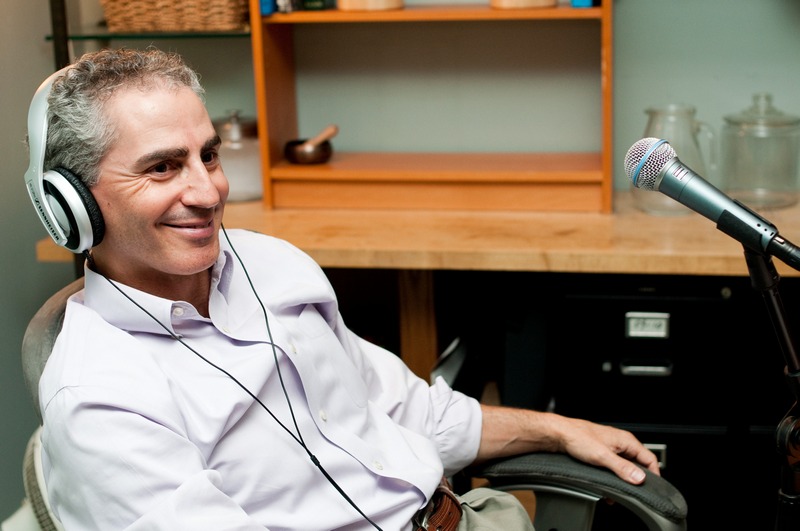
Compare what you’re doing with takeaways from Abila‘s study of how donors want to be engaged and how nonprofits engage them. Some methods are on target; others miss. Rich Dietz is Abila’s director of fundraising strategy.


Michelle ChaplinThe Right Database

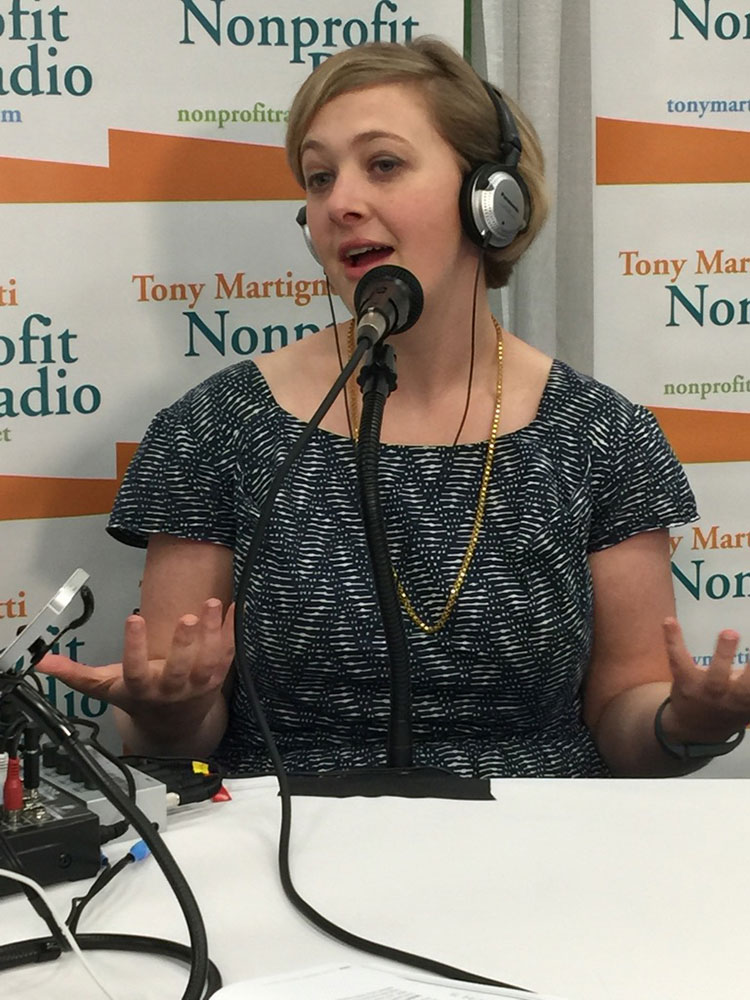
What are the steps to select the right database for your organization? Michelle Chaplin is senior manager of online fundraising at PBS. We talked at NTC, the Nonprofit Technology Conference hosted by NTEN, the Nonprofit Technology Network.


Top Trends. Sound Advice. Lively Conversation.

You’re on the air and on target as I delve into the big issues facing your nonprofit—and your career.

If you have big dreams but an average budget, tune in to Tony Martignetti Nonprofit Radio.

I interview the best in the business on every topic from board relations, fundraising, social media and compliance, to technology, accounting, volunteer management, finance, marketing and beyond. Always with you in mind.

Sign-up for show alerts!

Sponsored by:

oc_wb_logo_banner-resized
View Full Transcript

Transcript for 245_tony_martignetti_nonprofit_radio_20150619.mp3

Processed on: 2018-11-11T23:29:33.955Z
S3 bucket containing transcription results: transcript.results
Link to bucket: s3.console.aws.amazon.com/s3/buckets/transcript.results
Path to JSON: 2015…06…245_tony_martignetti_nonprofit_radio_20150619.mp3.369000169.json
Path to text: transcripts/2015/06/245_tony_martignetti_nonprofit_radio_20150619.txt

Hello and welcome to tony martignetti non-profit radio big non-profit ideas for the other ninety five percent. I’m your aptly named host. Oh, we have a grand to affiliate. Welcome katie artie ninety five point seven fm davis, california while non-profit radio was on the road past two and a half weeks, i stopped by davis. I’m a program director. Jeff executive director autumn i toured the studio and i thank you very much for hosting me. Jeff in autumn and this is the california announcement that i’ve been teasing you about, and there will be another california affiliate coming but for today. Welcome, katie. Artie davis so very glad you’re with us, our newest affiliate. Oh, i’m glad you’re with me. I’d bear the pain of encephalomyelitis ridiculous if i had to think about the mere idea of you missing today’s show smart donorsearch gauge mint compare what you’re doing with takeaways from a bill, a study of how donors want to be engaged and how non-profits actually engaged them. Some methods are on target. Others miss rich dietz isabella’s, director of fund-raising strategy also the right database. What are the steps to select the right database for your organization michelle chaplain is senior manager of online fund-raising at pbs, we talked at ntcdinosaur non-profit technology conference, hosted by intend the non-profit technology network on tony’s take two, a tribute to rochelle shoretz responsive by opportunity collaboration, that working meeting that unconference on poverty reduction that will ruin you for every other conference. I’m very glad to welcome rich dietz he’s, director of fund-raising strategy at abila he began his non-profit career as director of a youth mentoring program in college. For twenty years, he’s been working in and with a wide variety of non-profit political and government organizations, as well as tech companies, focused on the nonprofit sector. The company is at abila dot com, and he is at rich deets on twitter. Rich, welcome to the show. Thanks a lot, tony. Glad to hear you’re. I’m very glad that you are. Where you calling from college? You’re in austin. All right. Austin is awesome. We just had and to see their non-profit technology conference where you were you there? I was definitely there. It was right in our backyard and actually found it harder to go to the conference when it was in my own backyard than when traveling, decide to drive in every day in austin traffic with us a month. I’m so yeah, i’m sorry. We didn’t meet there, though, but i met a bilich there, but i didn’t see you personally, but next year, you’re going to be there. You think in twenty sixteen? Most definitely okay. That’s san jose, i believe, isn’t it? Yes. I’m very excited because california from california originally lived in the bay area for quite a few years. I’m very excited that i just spent ah, weekend half moon bay. Beautiful. Yes. Very nice round the coast. Very, very nice community. Okay, rich, this donor engagement study. Why? Why do we need such a study? Well, we we did the study for a couple reasons. One we were looking at the industry and we seen way saw a bunch of other studies out there that talk to donors or maybe talked organizations and was trying to get this whole idea of why donors give you know what? What motivates them to give what makes them feel engaged? And we found that there was a lot of studies that looked at one or the other. But there weren’t studies that looked at both groups as a whole and then compared them to see if there was any differences, overlap, commonalities or actually holes in that and some of our concerns around that was, you know, fifty seven percent of donors each year are leaving organizations, you know, donor attrition, you know, we also see seventy four percent of non-profits admits that they don’t use donordigital to make program decisions on dh, that sort of, you know, concerns us a little bit, so we wanted to dig a little bit deeper into that. So we created the study, the donor engagement study, it was a survey of both donors, a cz well, as non-profit organizations we ask them a number of questions to find out preferences on engagement, so we asked the non-profit how do you think not, you know, donors want to be engaged with, and then we asked the donor’s, how do you actually want to be engaged with and then compared those and found some really interesting commonalities and some very, very interesting differences that attrition rate that you mentioned that we’ve had the other guest mentioned that seventy four, seventy five percent of donors leave an organization. Each year that’s, that’s startling it is startling in striking and and the way i usually tell people how startling it is. Let’s say you had one hundred, donors donate today in five years on ly one of those donors is still donating the organization that should scare you. And that should keep you up at night. Ninety nine percent over five years. Well, no, no, i’m saying it is the year over year, seventy four percent every year you’re leaving? Yes, yes. So after five years on ly one of those hundred still still don’t. Okay, so we could call that ninety nine percent attrition over five years over, but yeah, my gosh, yeah, alright, neverthought about it longer than okay on dh. How did you select the non-profits and donors to survey? We actually went to a research firm called ed research stuff just to make sure that we weren’t biased and how we we don’t want to just select our clients or just not our client. So we went to aa research company called research on and they did it all using, you know, the highest statistical standards. Ninety five percent plus confidence all of that fancy. Stuff that i don’t understand everything about. But, you know, i i leave that for smarter people, okay? Confidence intervals. I remember those confident from college statistics, like if you had ninety six percent confidence that’s, actually not very good, as i recall from i don’t know what i’m saying if no, no, i didn’t mean if this study had ninety six percent. I mean, in general, if one has ninety six percent confidence, as i recall from college statistics that’s not even very high, you want to be like ninety eight or ninety nine percent? I’m not imputing the abila study way haven’t gotten into yet there’s nothing to impute. All right, so you have some excellent takeaways, which we want to leave listeners with remember our our audience is small and midsize non-profits and they are certainly struggling with that kind of attrition, and we’re interested in the the commonalities, but also the misalignments in the disconnects between what donors are saying they would like or believe they’ve got and what non-profits believe they are doing or believe they ought to do so that that’s where we want to, we want to focus on these your your your first takeaway is that basics and fundamentals are very, very important most definitely in this is this was one of just one of the findings i was very excited about because i’ve been preaching the fundamentals and getting back to the basics for many, many years, as i’ve been consulting and teaching and training across the way, in fact, i have a master’s in social work, so i’m a social worker by trade and something we learnt about social work school is mathos hierarchy of needs, which which i’m sure most people on the caller are very familiar with and massive marchenese says, you know, you have to have your basic needs met before you can move up into higher level things, you have to have food and water before you even care about friendship or, you know, confidence or or anything like that. And when i found working with non-profits is it was very similar in that they need to focus on the basics first and then move up the ladder there and see what i mean by that is you need to focus on your website, email marketing your donor process. You know how you move a donor? From an email all the way through the donation process, actually becoming a donor, and you need to focus on that first before you get into things like peer-to-peer fund-raising and social media and and all of that stuff on so we found in the study is going back and really focusing on those fundamentals and what do we mean by those fundamentals? The number one thing is thinking through that donor flow, thinking through what it is like to be a donor to go through your entire process of a fundraising campaign, and that is from that email they receive to the length they click on to the page, they land on to the donation form and and all the way through the thank you. And then, of course, the follow-up follow-up is so is so important. And so the way we’ve been trying to talking about now, instead of thinking of a holistic donorsearch experience where we’re calling it a holistic donorsearch donor experience because you not only need to think about the entire process, but also the actual individual that is going through that process, i’m going to get much deeper into this when we get into the segmentation, but thinking about who’s doing it is it a major donor is in a major donor who likes polar bears, and that gives you a very different process that you may want to do than a fifty dollar donor-centric frogs it, and we’ll get much more into that as well as a cz we go through another really important thing on the on the fundamentals is showing impact you’ve probably heard other people talk about how important it is to show impact and that the work that you’re doing is meaningful and making a difference will in our survey, we found that the number one thing donors wanted to know about was is the money being used wisely? They also wanted to know if their support is making a difference was another top three concern of theirs on dso. By showing the impact you can do that, the best way to show that impact, of course, is stories story is going to be the best way to show that impact on and that’s again going back to the basics, really crafting some beautiful stories and if you can bring in that visual storytelling on dh, what we mean? By that is, using video using pictures to really tell a great story. Okay, which study done by cloudgood yes, i wanted to point out that the going back a little bit you your premise was that people started that pipeline through an email, but they’re actually maybe multiple ways. They may have found you first on one of the social networks, or they may have found you first through hearing about you from a friend. So even just that entry into the pipeline is going to vary across people. Definitely definitely andi and channel preference is something that would be talking about some of the later findings as well. But that’s that’s, a great point is actually tailoring how they found you in that messaging and in those stories and how you communicate with them is also very important. Yes, okay, thanks, rich. We need to take a break on when we come back. Of course, you and i’ll keep talking about a billa’s donorsearch exgagement study. Stay with us. You’re listening to the talking alternative network. What are the latest travel trains? How khun travel. Be a part of your overall health and wellness plans. This’s william paris, lifestyle travel consultant and your host foreign travel and wellness today. Join me on thursdays at twelve noon eastern time. For travel chat, travel tips and travel news. Update that’s on thursdays at twelve noon eastern time on talk radio dot n y c. Are you stuck in your business or career trying to take your business to the next level, and it keeps hitting a wall? This is sam liebowitz, the conscious consultant. I will help you get to the root cause of your abundance issues and help move you forward in your life. Call me now and let’s. Create the future. You dream of. Two, one, two, seven, two, one, eight, one, eight. Three backs to one to seven to one eight one eight three. The conscious consultant helping huntress people be better business people. Talking dot com. Hyre welcome back to big non-profit ideas for the other ninety five percent. I can’t send live listener love, spy city and state today because we’re pre recorded by a day it’s a it’s a day before the live show. But of course, live listener love to each person who is, in fact listening live podcast pleasantries so there’s over ten thousand listening and the time shift, wherever it is, whatever device, whatever you’re doing, maybe washing dishes. That was the latest i’ve heard podcast pleasantries to everybody in the park in the podcast and listening that way and our affiliate affections love our affiliates, those am and fm and online stations throughout the country, whatever day, whatever time they they play it and their schedule affections to all our affiliate listeners. And, of course, katy art being our newest affiliate in davis. Richard you from davis or davis area, by any chance you said you said i am not out from from her down the beach, california, down south. But i lived in san francisco for about seven years, okay? Yeah, you did mention bay area. Okay. All right. So moving on, we have we have some disconnect, but between donors and non-profits around frequency of communication. Yeah, and this was one of more controversial aspects of the study. We had a couple people come up to this on this, we actually had somebody accused of malpractice, quote unquote, talking about communication frequency and think they read it slightly wrong, so what we found is non-profit professionals were ten times more likely than donors to feel that they were not communicating enough, so the organization’s felt they should be communicating more donors were saying, you’re doing it just about right? So there’s a disconnect there so some folks thought were saying, don’t communicate as much. Don’t email as much don’t do as many facebook post and that’s, not really what we’re saying, what we’re saying is actually bringing in the next key finding with this one is critical content is more important than frequency or channel, so what we’re saying is it’s not how much you communicate it, how you’re communicating, one is communicating with really good content, so that is giving them the stories the thank you’s showing the impact, the accomplishments that you’ve made that’s, the content that they want, that’s, the content that they don’t mind if. You email mohr of it. The other thing is to customize your content, you’re now non-profits are now being compared to amazon and zappos and these for-profit who are really customizing and tailoring their content and donors air at home going well, if amazon knows that i like books about weaving, why can’t my non-profit know what i’m interested in about the organization wanted? They know that i’m interested in the girls after school program, how come they can’t taylor that content? So we’re saying better content and a little more taylor to the organs to the individual donor, you have some findings on different channels that donors would like to see frequency manage differently on? Yes, definitely, and that was some of the interesting fundez while there was some surprises in there and some things that we have come to expect as any particular ones you’re interested in tony yeah, well, let’s start with email. What, what, what, what? What donors feel about the email channel? What i found about email, what i was actually very happy to see and something i’ve been preaching for a while is that email is actually pretty solid across all groups, andi also way also had at abila we also slice the, uh, the the data by generation, so we slice it out by millennials, gen xers, boomers and matures on, and we found something like email was actually solid across all of those generations, in fact, that matures, which air, you know, sixty five over sixty nine percent of them said that email was a fine way to communicate with them. So when people say that the older folks aren’t on e mail or they don’t like getting their email, we’re definitely seeing a shift change there. Yeah, i don’t agree with that matures or olders how boomers boomers matures don’t like email. I think in a lot of cases you would have the individual would have given their email address to the to the organization. So you’re you’re expressing your preference for that channel that way. Ok. What about direct mail? Us paper mail? What? Your findings on that? Yeah. There’s. Actually. Interesting finding on that. And i definitely want to dig deeper. But we found that, of course. You know, you would expect boomers and matures. About eighty percent of them are saying direct mail’s fine. Ah, funny. That was a little surprising as millennials, eighty four percent of them said direct mail’s fine and my my running theory right now, i don’t have any evidence to back this up yet, but that millennials aren’t getting a lot of mail, so getting something in the mail is kind of a cool thing to them, you know, maybe direct mail might work with millennials. Okay, it’s gonna be something that we looked at a little deeper. I see why you were chuckling when when i ask you about that. All right? They’re not getting enough. Those j crew catalogues on the american apparel catalogs. Just not sufficient. Exactly. Okay, um, all right? Interesting. And then all right, so then, sort of related to that is that people do want content that they believe that that is relevant to them most definitely most definitely, and it really gets into the segmentation. Yes. Okay. And we’re going, we’re going to get teo. We’re gonna get the segmentation. Well, i guess we could, you know, means it doesn’t have to be in the sequence that you and i have been thinking about since we’ve teased it a couple times. Now what? What do we know about segmentation well, other than it’s not really being done quite as well as it ought to be. Yeah, yeah, definitely. And i think if if if you talk to non-profits their pride pretty honest about this in fact, fifty two percent of non-profits felt like they really weren’t using, you know, segmentation as well as they could, and we found surprising. Well, not surprisingly, fifty two percent of donors felt like organizations weren’t taking their preferences into account. And so when i talk about segmentation, that’s what i’m really talking about his donor preferences, how can you build an experience that the donor feels that you have taken their preferences in account that you have taken their interests into account? Remember, like i said earlier, you are being non-profit are being compared to amazon and zappos and all of that now, so they’re getting highly segmented in some of their emails and some of their communications that they’re getting on, and they’re not being segmented and talked to in a very specific way from the non-profits so we really need to do a better job at that that when we found his most non-profits felt that they were using donation amounts as a source of segmentation, but it really dropped off drastically when we started looking at other ways to teo segment. And so what i’d like to suggest to my non-profits is to start with donation amount because, you know, you’re already doing that and then try to add in one or two more other data point, andi, you know, a really easy one to do would be interested. Um, what are they interested in? What have they shown any sort of interest in and a lot of non-profits have this data already on hand, and they might not even know about it. You can go to your email marketing software and look at what links did they click on that they click on a link for the girls after school program? Then they’re probably interested in women’s issues, girls issues, or maybe they even have girls, you know, did they click on red eyed tree frog? And they did click on polar bears so you can actually pull out some of that interest data. So they’re telling you in many ways, on dh, then you can segment further down from there, okay, so we we’ve talked. About age and interest communications channels. What else? Ah well, we mentioned giving him out that’s that’s very standards. That seems very, very standard method of segmenting what else? What else can you recommend? Another interesting one to think about his location on? And i think this one is particularly good for national organisations, organisations that are that are fund-raising or doing things across the country. And the best example that i’ve seen of this in recent years has been the obama campaign. During the last obama campaign, there was a window. There was a new york times reporter. I believe they did it interesting study where he went, and he signed up for all the candidates emails, but he signed up from different parts of the country. And so for the obama campaign, when he signed up in portland, oregon, he got very different emails than when he signed up in south carolina. Portland, oregon. He got emails about forestry, about labor issues down in south carolina. He got very different communications, so just buy the location that somebody’s ass that they signed up for. You can actually start segmenting based on that and making educated guesses on what? Their interest might be, and then you look to your email statistics that they continue to click on those things that you think they’re interested in. Then yes, they are. If not, then you, then you can try something else. Signing up from portland, i would add, thai food should be added to that interest because i had i had the most delicious thing in cycles are really big in portland. Oh, are they? I didn’t see that, but i didn’t see i didn’t see any use cyclists miss that, but i had the most delicious us thai food that i’ve had since i’ve been to thailand and i live in new york city and supposedly we have good restaurants here. But, uh, i have to shout since you mentioned portland pock pocket pook, pook, best thai food i’ve had. It was in portland best us tie i’ve ever had, so i would add thai food to the forestry to the forestry interests in portland. Okay, yeah. What? What about agent? Which, if we don’t have a gin our database wait, how do we get out that that that that is an interest one and that one’s going to be a little bit of a challenge? But i have some ideas that i think might might help broke down, so it is an important one, and we really do want to highlight the age since we did look at this data and we did, you know, at abila we slice it up into the different age groups, you know, millennials gen xers matures, baby what’s up, we found that only three percent of non-profits said that they’re really looking at age on a frequent basis in order to segment, and we saw, as you saw in the channel preference and all that there are some big differences in there. So when you’re looking at age, i think there’s some ways you can get this data, some of this data non-profits may already have if a non-profit has done a walk or a ride or a run or any sort of event like that, they probably asked for a gin order to put them into their age brackets and so that can help get that data right there. Look at any of your past registration on and see if you have that that age data on do you know it could already be there? The other thing is to do a donorsearch on and there’s a lot of good reasons to do. It donorsearch not just for ages, but to actually get into your preferences. I say all the time that you know, when we talk about best practices, a best practice is really just a starting point. You still need to test it and try it out within the organization because you might have very different donorsearch mints than what we’re talking about here. And so by doing a donorsearch way, you can dig deeper into what their bread, you can ask them their channels reference, you can have them. You know how they want to be communicated with how frequently they want to be, commute whatever you want to do in there now. The big problem is surveys of getting people to turn them in. You’ve got to come up with some incentives for them to turn in those surveys, you know you can obviously, give away some chock keys, a t shirt or a bumper sticker or, you know, a discount to your gala, something like that. But in a new idea that i’m seeing a few started to experiment with now is doing some sort of matching grants or matching gift with service. So get of one of your major donors to say anyone who turns in the donorsearch ve i’m going to donate one dollars, two to the organization and letting the donor’s know why you’re asking for this data. The reason you’re asking for the data is so you can communicate with them in the way that they want to be communicated with, you know, letting them know that you know, that they’re overwhelmed with emails and overwhelmed with with direct mail and all that stuff, and you only want to be sending him the communications that they actually wanted, that would be their incentive for filling it out as well. I love that donor dahna contribution match for ah, for each survey we have a donor who will donate a certain dollar amount. That’s outstanding that’s it that’s it gets a cool idea. Haven’t heard that. Excellent. Excellent. Um all right, well, any other, any other suggestion about getting at age for an organization that doesn’t have it? It’s not well, we can. We can move on anything else you got? Yeah, you know that. I mean that i think something is going to develop over over the next six to ten months if any listeners out there come up with some good ideas, please send him in, send amar away because i’m looking for new things to test and try on defy could find new ones. I will let you know as well. Okay. And i’ll remind listeners ah, that you are at rich dietz d i e t z at ridge detail on twitter um, okay, let’s, let’s, move, move on then some other takeaways people love giving right makes them feel very good. It actually makes them feel very good on. And this is one of the interesting ones is the number one way that they felt engaged and connected to an organization was through the act of giving. Volunteering came in a fairly close second on attending events, and doing things like that really had started fell off dramatically. From there people people felt like attending an event wasn’t as engaging as, you know, volunteering or actually donate and on the surface you’re like, okay, that is totally obvious, right? But there’s a couple of key points, you’re one, i try to use this to help non-profits feel more comfortable and asking for money people want to donate, and when they do, they feel really, really good, so you’re actually helping people to feel good, so you’re doing a service for them, you’re not taking their money, you’re giving them good feelings is the way i like to tell us, why not? Provoc dahna very good, very good love that. Okay on you have now there’s a difference among millennials? The number one and two are swapped. Yes, it is, and that was really interesting for us. So millennials number one is volunteering and number two is donating and what’s interesting is this aligns really well with some other research and other discussions i’ve had with folks that air that air looking at millennials is millennials have a very different process, one on how they evaluate an organization and how they engaged with an organization. What they’ll do is they’ll go teo and organizations social. Media profiles to learn a little bit more about them they want to see that you’re really people, they want to see that you’re human. If you have the same sort of corporate speak that you have on your website, they’re they’re they’re probably gone. They’re not even going to engage with me any longer, but if they like what you’re saying on social media, then they’re going to come in and volunteer. If the volunteering goes well, then they will make that donation decision, so it is a very different way on dh really, organizations should be looking at getting millennials volunteering well before they even asked them for for a money which which makes sense if you think about it, our wonder of millennials are telling us that they have they have more money than the rest of us, and their time is scarcer, which would well, i don’t mind their time being scarcer, but if they have more money than the rest of us that’s annoying the hell out of me, that’s what they’re saying way have just like a minute and a half before we have teo to wrap up so let’s uh, let’s just flush. Out a little bit more. We’ve already very touched on this a fair amount, but the differences in engagement around age and generation. Yeah, so that you know what i would recommend for folks to a download the study. And they could do that at abila dot com a b o l a dot com forward slash donorsearch gauge mint study on dh there they conceal the charts and dig deeper into the data. But we did find those very interesting differences and, you know, like i said, you know, you’ve got to take everything like this, aziz, a starting point on, and then you need to test it and try it within your own organisation. Weii brought up a lot of the ones earlier about direct mail and all that. But another one i found really interesting on the differences was on, uh, gifts where’s that i’m looking at my date right here. Rich, we have two that’s. Okay, we have to wrap it up. But you’ve told people where the where the study is and if they want more through, they could get you on twitter at rich dietz which, thank you very, very much. Thank you so much. All right, thanks. My pleasure. Thank you for joining us. Tony steak to and the right database air coming up. First opportunity collaboration. It was a terrific experience. It really kicked us up to the next level. We built out a fund on site, and we have raised two and a half million dollars toward a target first close of five million dollars from delegates at the twenty thirteen collaboration that’s from russ baird, executive director of village capital yusa. There are funders at opportunity, collaboration and the rolls and impact investors, as well as lots of smart people from non-profits opportunity collaboration, a weeklong unconference in x top of mexico for everyone who is working in or around poverty alleviation, lots of people who can help you get your work done. And there’s plenty of free time built in to meet those people, make friends and figure out how you’re able to help each other. I was there last year. I’m going this year. Every session is in a circle. It’s very collaborative. No power points, no plenary speakers. Three hundred fifty people from around the world collaborating. If your work is related to poverty, check it out. Opportunity collaboration, dot net. We had a death in the non-profit radio family. Rochelle shoretz the first guest on non-profit radio to die deshele founded sharks share it, a support network for breast cancer survivors and very sadly, she’s no longer a survivor. It was june first when she died. She was on the august thirty first, two thousand twelve show, and we talked about storytelling and deshele very generously shared her story and story of lots of people that share share. It has helped and worked with my thoughts go out to her family and shark share it and those tens of thousands of women and men that her work has touched. Oh, and i have a tribute video with a link to the show on also the new york times obituaries at tony martignetti dot com and that’s tony’s take two for friday, nineteenth of june twenty fifth show of twenty fifteen here is the next segment, which is also from well from ntcdinosaur as many have been lately. Excellent stuff from the non-profit technology conference here is the right database. Welcome to tony martignetti non-profit radio coverage of the non-profit technology conference twenty fifteen were hosted by intend the non-profit technology network in austin, texas, at the convention center. My guest is michelle chaplain, she is senior manager for online fund-raising at pbs and her workshop topic is how to choose the right database for your organization. Deshele welcome to the show. Thank you. Great to be here. It’s a pleasure to have you thank you for taking time on a busy conference day. Let’s uh, let’s, start with a threshold question how do we know if our existing database needs to be changed? Yeah, absolutely that’s a great question, and i think the first thing is you have to sort of go through the process as if you’re looking to change your database. So first you wantto look att all your current users and what their needs are, what they’re trying to get out of the database and what it is doesn’t do that they wanted to dio, and then you need to bring all of those questions to your current vendor and asked them like, is this something that database really can’t do? Or is this an add on feature that we can pay for? Or is this you know, a custom ization that we can get or do we actually have access to this all along? And we just didn’t realize it. And then you went away like the costs of adding those features to your current database to the cost of switching and implementing a brand new database, which is substantial when you taken implementation, cost training cause and just the time it’s going to take for your staff to learn a new system. How do we filter out when we’re asking these questions in our organization between people just complaining about the database and really having a genuine need that isn’t being fulfilled because lots of people have complaints absolutely way filter out the yeah, the mere complaints on dh sort them out from the woods. Isa really write well and i think it’s really helpful to build requirements document, which is just a family non-technical word for need tohave list and a nice hot list. So you take all of the various rants and complaints and things they want, the database tohave and you divided into things that are real deal breakers like your database is not gonna work. Your users are not going to get what they want without these. Things. And then the nice to have things which, you know, might help you increase adoption. It might make a few people happier, but it’s not going to make or break your database and that’s going to help you kind of narrow down your options. Okay, so people will become more rational if we asked them to categorize between needs and needs and desires. Exactly. Okay, we’re trying to insert some rationality into this whole process, right? Be a lot more strategic and sophisticated. Okay. So then, if we have our we have our requirements document, uh, most vendors are going to be willing to review this with us. Yeah. And generally, when you ask a vendor to present there their database or their system to you, they probably have, like, a put together power point presentation. And i would say, just send them your requirements. Ask them point blank, like, does your system me all of these requirements? If not, then they don’t need to waste their time presenting or your time, you know, giving you this presentation. And when they present to you, ask them tio just do open up a kn example of their database and go through the steps that you, your users, will go through. So you can see what your user experience is. Rather than just getting kind of their standard sales pitch. That’ll save you both a lot of time. Let’s. Take a step backward when you’re talking to your existing provider. How do you sort of position it so that they don’t feel like they’re being threatened, not threatened, but so that they don’t just become defensive and you know, but you, you know, you didn’t identify that is a need years ago, we didn’t understand that that was a requirement of yours, you know, he’s trying to cut through that stuff and just can we get our can we get our needs met, right? Yeah, and i think it’s it’s a matter of, you know, acknowledging the fact that this process you’re going through is a process that you’ve just started and you’re looking at a database and you’re looking what people didn’t need to get out of it, and you’re asking them, like, is this something i could do with the database? You know, because this is a new, like me that has come up or this is a new requirement that we’ve identified that’s goingto be necessary in the future and, you know, most vendors will work very hard and if it’s at all possible to keep your business going your way, you’re asking exactly and understand, and, you know, if they can’t do it, then it’s sort of, you know, it’s self explanatory, why? Why you need to move on? And i think they understand that, like most vendors aren’t going to throw a fit over, you know, you making a reasonable, logical choice that this isn’t the right fit free. Okay, okay, um, so let’s, let’s jump back to dark metoo new potential vendors, are you ah, fan of r f piece for this process or some people are, and some people think they’re overblown and don’t really accomplish very much. I’m i’m a fan of a super simple r f k and what i do is my request for proposal are here my requirements? This is my requirements document the list of need tohave nice toe have stuff. And if your database could do all of my need to have in some of my nice to have that i want to hear from you, okay before exactly pretty simple or yes, compared to many that we’ve all seen exactly. Yeah, because most vendors, they already have their standard product. They’re not going to take the timeto, you know, answer. Accustom are for every single line. Okay, that’s, the that’s, the other side of one of one of the other disadvantages is you’re going not here from a lot of potential vendors who just won’t spend the time answering a lengthy are exactly okay. All right, so what’s, our next step? Well, how do we proceed in this in this process? Yes. So once you kind of have your short list of vendors and you’ve seen their presentation, then you really want to dig in and evaluate those, you know, top three or four vendors. Teo really ascertain whether or not they meet your needs and if if they all meet your needs. Like what nice tohave requirements do they also meat that will help you further narrow your list down. Andi, i for this part, i recommend, like, actually doing trials of everything. And if a vendor won’t let you try out their product and go in and mess around, i would be a little bit wary of that, because then you’re like buying. You know, you’re buying a car without giving it a test drive. So what do you migrate? Just a part of your database into the into each platform that you want to test. Yeah, you can just create some sample data. Are a lot of databases ifyou’re doing their trial portion? They even would come with sample data so you can just play around with the way it exists and just go through a few of your processes, you know, there doesn’t have to be, you know, huge reports generated or anything useful, it’s just you need to be able to see if your users were going to be able to get what they need to get out of it. All right? Dahna no, please, no more. Oh, so then after that, you can just sort of rate the different the different options based on your criteria. So your needs to have obviously, if they don’t meet any of the needs to have that’s a deal breaker, you can stop right there, throw him out and take him off your list. They wasted your time because you’re you asked him that originally exactly hyre they more points they lose right for squandering time? Alright, who’s involved in this process from the organization now that we’re out to the outside potential vendors. So i mean, i think there needs to be like a point person or a project manager who’s doing the implementation. And really, that depends, like, if it’s a small organisation, it could be just somebody with the title of project manager or executive assistant or you, you know, it might be the ceo doing all of this by themselves and then buy-in bigger organizations, they probably have, like, a database implementation manager or an administrator who’s in charge of all the databases who can kind of oversee. So it depends on the size of the organization, but really, one person should take ownership of it, and then they can lease and manage all the relationships with the key decision makers like the cfo, the ceo were actually, you know, signing the checks and then all of the different types of users, the power users who are going in and, you know, stretching the database to its limits every day, the people who maybe, like volunteers using it every so often and then all of the managers and and other people of the organizations who may not ever use the database but need information from it. So, like, your finance officers might need financial reports out of your database, but they don’t actually go in and generate the reports, so we need to talk to them. Tio, do you think the board has a role here or not? Really, i think it really depends on the board and the scope of the project that you’re working on. So if it’s a large like, if it’s your like a financial management database and the board, you know, is looking at the finances of recorder, hopefully and is generating the reports that i think including them in, you know what they want to see in terms of those reports and make making sure that the database meets their needs in that respect on dh then on the other hand, if they’re key decision makers in terms of this, this could be a very large purchase, and they’re, you know, key decision makers in terms of purchase decisions, then you need to be able to show them like this is the best option for organization and why and having that, having that documentation of like this so these air need tohave nice to have criteria and how every single option rates and you’ll get sort of like a clear picture of this is the winner and it’s something that’s easy for them to. Digest and easy for you to sell that yes on dh in large part because you’re showing that you’ve done your due diligence when you can document the process that you’ve been through. Exactly. Okay, thank you for that aggression we were at the stage where we’re testing, we’ve got we’ve got sample data yet, and we’re testing a few alternatives exactly, and then it’s just about going down your requirements document and checking off like every every process you go through everything that it khun dio, you know, all the little nice to have stuff that you’re users may want, but it’s not necessary and, you know, grading those and using those two just rate, you’re different options and again, that’s going to give you a clear winner in fact, there’s a really cool excel spreadsheet, which allows you to do like waiting of your different options, and you’re different criteria, and it gives you a new miracle score for each of the vendors. So you can say whoever has the highest score wins and has the advantage of waiting, so everything is not equal. Exactly because in reality, it’s not all right, what’s our next step now we’ve we’ve selected one, i presume we have a stage where we’ve we’ve chosen one, the chosen one, you’ve hopefully chosen wisely and everyone’s on board because you can straight that you did your own work and and then it’s time to make a plan like this isn’t the end really it’s the beginning of what goes in our plan? S o i like transition plan exactly the implementation plan on dh. I like to start with kind of the end date. So when we want all the users to be able teo, log onto the database and use it that’s the kind of what i start with, and then i work backwards from that until they get to today. So maybe, you know, three to four weeks before the end will be, like the soft launch where our power your users can go in and play with stuff and look at it and maybe, like a month or two before we’ll do that data migration on dh, you know, you just map it out and going backwards until you have today. We’re it’s like that. Everything you have to do right now. Okay. Okay. Let’s. Spend a little time on migration, because that could be very, very messy. We should expect a lot of support from the new vendor in migrating data. So that’s going to be something that you have to consider in your requirements document is how much support do you need to migrate your data? Do you have a lot of in house expertise or you’re going to need full support? And is this new database something that you know your i t team are your in house database experts can figure out and migrate your data into. Or is it a proprietary software that the vendor has to do themselves so that’s definitely something you want to consider while you’re looking at different vendors, what your need is in that respect, another option would be hiring a third party or an external consultant to come and look at your current data, clean up your database and migrated over for you. Yeah, this could be an opportunity to clean up your data. Exactly. Okay, up. Maybe you can include cleanup in the migration support that you get from the from the new vendor. Absolutely. Build that in. Yeah. I mean, just like every time you move your house. You kind of clean out your closet. Every time you migrate your data, you want to think about cleaning it up. Like what you’re hearing a non-profit radio tony’s got more on youtube, you’ll find clips from stand up comedy tv spots and exclusive interviews catch guests like seth gordon. Craig newmark, the founder of craigslist marquis of eco enterprises, charles best from donors choose dot org’s aria finger do something that worked. And levine from new york universities heimans center on philanthropy tony tweets to he finds the best content from the most knowledgeable, interesting people in and around non-profits to share on his stream. If you have valuable info, he wants to re tweet you during the show. You can join the conversation on twitter using hashtag non-profit radio twitter is an easy way to reach tony he’s at tony martignetti narasimhan t i g e n e t t i remember there’s a g before the end he hosts a podcast for the chronicle of philanthropy fund-raising fundamentals is a short monthly show devoted to getting over your fund-raising hartals just like non-profit radio, toni talks to leading thinkers, experts and cool people with great ideas. As one fan said, tony picks their brains and i don’t have to leave my office fund-raising fundamentals was recently dubbed the most helpful non-profit podcast you have ever heard. You can also join the conversation on facebook, where you can ask questions before or after the show. The guests were there, too. Get insider show alerts by email, tony tells you who’s on each week and always includes link so that you can contact guests directly. To sign up, visit the facebook page for tony martignetti dot com. I’m rob mitchell, ceo of atlas, of giving. And you’re listening to tony martignetti non-profit radio. Big non-profit ideas for the other ninety five percent. Oppcoll we need to be very specific. I would think about what’s going to be included in the in the implementation plan that it be in the contract with the new vendor. Yes, absolutely. And most vendors will build that in usually it’s in like a number of hours that they’ll offer in certain packages to work on dahna migration on training, on support on dh, they’re all you know, most vendors will negotiate that with you depending on your organization’s needs. Okay, what’s, our next step now we we’re past the time line. Where are we now? We’ll hopefully you do everything on time, right? If your implementation over schedule, of course it doesn’t. But it’s a it’s an aspiration exactly off the goal. We’re talking in hypotheticals waken weakened dream. But even if not, you know and plan for that in your timeline to, like plan for what happens if everything falls apart and we don’t launch, you know the database on october first if we do it november first. Like how much of a catastrophe is that? What about december first? You know if it’s a cr m and you’re doing your in giving do you really want? Your database to launch on december first so, you know, planning for contingencies like that. But once you’ve gone through the timeline, once you’ve migrated your data over, you’ve gotten your staff trained on it, you know, your users air doing it, you’re getting good user adoption and really including them in the entire process, asking them what they want is going to be a big help to you and getting user adoption. Then you know it’s about just maintaining your database and keeping the support going and keeping your users engaged in using it and making sure it’s still doing what you’re doing is there much of a difference? And you’re free to tell me that it’s obviously the way whether the new vendor train’s just the power users like train the trainers, or whether they should be training all the users does that matter? I think, and and then the trainers would train the lower level users, right? Your internal trainer, i think there’s something to be said with training the trainers. You just want to make sure that you have enough to support your kind of lower level users so they can all get training quickly and also, one of one of your trainers leaves. Do you have another trainer? Do you have a program for keeping that knowledge and house, or will the vendor continue to train people on an ad hoc basis afterwards? So, you know, it’s, just the benefits and risks of having some stuff done in house versus everything done by the vendor, okay? And then, of course, ongoing support critical. Well, it really depends on again your in house expertise and how complicated the databases that i always think of smaller and mid size non-profit because that’s, what our audience is right, they they’re they’re less likely, and certainly they could, but less likely that they’ll have a lot of in house expertise around. Yeah, third base administration and day to day issues. So support is important. Yes, definitely. We still have a couple minutes left. What do you want to share that i haven’t asked you about? Goodness? Or more detail on something immediately, even if we talked about it. But any more detail? Yeah, i mean, i think one thing that we didn’t really have a chance to go into in depth is the idea of hiring a consultant to do all this with you, especially if you are a small organization or even a medium sized organization. You might not have a staff person with the time to do all of this research and, you know, talked all the vendors and go through all the trial periods, and you know, the advantages if you do it with the consultant, you have them come in, they assess all your needs one time, you know, they talked to all your respective users bundle that they already have a really good knowledge of all the different you know, database is out there and how they would fit so they’ll know which vendors to go to, which are the best options, probably in the first in the first place, and be able to pull it in and it’s assess it so you can kind of skip over the decision making their research part and go right into your short list. Where? You know you work with a consultant, teo, analyze the, you know, the top three best fits and they can make, like, a spreadsheet and analyze it and make it so you can, you know, defend it to your board and show that, like there’s, you know, research and due diligence was done on that, you know, it’s more expensive, but it’s off your plate and it’s off your staff’s plate. You could also be value in the consultant evaluating the state of your data. Someone objective who’s not likely to say. Oh, well, you know, there’s this problem in the data, but yeah, we figured out how to work around that. So it’s not a big deal when really, it is a big deal because you have faulty data. You’ve just developed a workaround. Exactly. Yeah, and then they can also come up with strategies for cleaning the data or people you may cos you may want to engage to help you clean your dad up. So it works for you the way you needed tio what’s been the pbs experience. Have have you done database change? We actually went through thiss process about a year ago. We were looking at changing our email marketing system and way kind of went through the first update our needs assessment talked to all the users, went back to our vendor, and they actually made a lot of changes in custom is asians to our existing system so it would meet our needs and, you know, and now there are just a really strong partner, and they’re consistently checking in with us to make sure that databases still meeting their needs. So it it is it really, you know, we didn’t end up changing databases, which saved me a lot of headache personally, and it gave us, like a really strong relationship with our current vendor. Have you had your session yet? No it’s tomorrow at three, ok? Because i was going to ask if you heard of any disaster stories that do you know of any migrations that went badly? Conversions went badly. We know of so many so many. I mean it’s. One of the reasons that i proposed this session is because migrations often happen too fast without enough thought and they end up just blowing up in people’s faces nobody’s happy with the end result and they end up, you know, a year later, after hobbling along with their new database, either switching back-up watching something different into a completely s o i am looking forward to hearing a lot of horse stories tomorrow you expect you expect to hear a good bit, but we could do this all much more strategically and smartly if we have this plan and process that we just talked about? Absolutely. And avoid the heart. Avoid being the next horror story of ntc twenty sixteen. Exactly. All right. Thank you very much. Michelle. Thank you. Michelle chapman, chaplain. Pardon me. Michelle chaplain is senior manager for online fund-raising at pbs. And this is tony martignetti non-profit radio coverage of the non-profit technology conference. Twenty fifteen. Thanks so much for being with us. Thanks to everybody at antenna non-profit technology network loved being at ntc this year. Next week get your emails delivered and did you know that there’s a job called emailed deliver ability specialist also the open movement. If you missed any part of today’s show, find it on tony martignetti dot com opportunity collaboration. The world convenes for poverty alleviation. That outstanding unconference that’ll ruin you for every other. Conference opportunity collaboration. Dot net. Our creative producer is claire meyerhoff. Janice taylor is today’s line producer shows. Social media is by susan chavez, susan chavez, dot com and our music is by scott stein. Be with me next week for non-profit radio. Big non-profit ideas for the other ninety five percent. Go out and be great. What’s not to love about non-profit radio tony gets the best guests check this out from seth godin this’s the first revolution since tv nineteen fifty and henry ford nineteen twenty it’s the revolution of our lifetime here’s a smart, simple idea from craigslist founder craig newmark yeah insights, orn presentation or anything? People don’t really need the fancy stuff they need something which is simple and fast. When’s the best time to post on facebook facebook’s andrew noise nose at traffic is at an all time hyre on nine a m or eight pm so that’s, when you should be posting your most meaningful post here’s aria finger ceo of do something dot or ge young people are not going to be involved in social change if it’s boring and they don’t see the impact of what they’re doing. So you got to make it fun and applicable to these young people look so otherwise a fifteen and sixteen year old they have better things to do if they have xbox, they have tv, they have their cell phones. Me dar is the founder of idealist took two or three years for foundation staff, sort of dane toe add an email address their card it was like it was phone. This email thing is fired-up that’s why should i give it away? Charles best founded donors choose dot or ge somehow they’ve gotten in touch kind of off line as it were on dno, two exchanges of brownies and visits and physical gift mark echo is the founder and ceo of eco enterprises. You may be wearing his hoodies and shirts. Tony talked to him. Yeah, you know, i just i i’m a big believer that’s not what you make in life. It sze you know, tell you make people feel this is public radio host majora carter. Innovation is in the power of understanding that you don’t just put money on a situation expected to hell. You put money in a situation and invested and expect it to grow and savvy advice for success from eric sabiston. What separates those who achieve from those who do not is in direct proportion to one’s ability to ask others for help. The smartest experts and leading thinkers air on tony martignetti non-profit radio big non-profit ideas for the other ninety five percent.