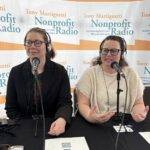
Our coverage of the 2026 Nonprofit Technology Conference continues as Jackelyne Briseño helps you leverage giving day opportunities through segmentation; gamefying strategies; multi-channel methods; collaborating internally; using social influencers; preparing your CRM database; and, more. Jackelyne is with American Near East Refugee Aid.
Sarah Marcotte & Katherine Scott: Biases In Prospect Identification
Let’s name how and where selection bias, confirmation bias and availability bias creep into your prospect identification processes, and identify methods for stepping away from bias so it’s mitigated. Sarah Marcotte is at Sick Kids Foundation and Katherine Scott is with Princess Margaret Cancer Foundation.
We’re the #1 Podcast for Nonprofits, With 13,000+ Weekly Listeners
Board relations. Fundraising. Volunteer management. Prospect research. Legal compliance. Accounting. Finance. Investments. Donor relations. Public relations. Marketing. Technology. Social media.
Every nonprofit struggles with these issues. Big nonprofits hire experts. The other 95% listen to Tony Martignetti Nonprofit Radio. Trusted experts and leading thinkers join me each week to tackle the tough issues. If you have big dreams but a small budget, you have a home at Tony Martignetti Nonprofit Radio. View Full Transcript
Welcome to Tony Martignetti Nonprofit Radio. Big nonprofit ideas for the other 95%. I’m your aptly named host and the pod father of your favorite hebdominal podcast. Oh, I’m glad you’re with us. I’d suffer with dextrogastria if I had to stomach the idea that you missed this week’s show. Here’s our associate producer Kate, to give you the highlights. Hey, Tony, I’ll be happy to. Your successful Giving Day. Our coverage of the 2026 nonprofit Technology conference continues as Jacqueline Briseno helps you leverage giving day opportunities through segmentation, gamifying strategies, multi-channel methods, collaborating internally, using social influencers, preparing your CRM database, and more. Jacqueline is with American Near East Refugee Aid. Then Biases in prospect identification. Let’s name how and where selection bias, confirmation bias, and availability bias creep into your prospect identification processes, and identify methods for stepping away from bias, so it’s mitigated. Sarah Marcotte is at Sick Kids Foundation, and Katherine Scott is with Princess Margaret Cancer Foundation. On Tony’s take 2. Tales from the gym. Oysters orgasm. Here is your successful Giving Day. Welcome to Tony Martignetti Nonprofit Radio continuing coverage of 26 NTC, the 2026 nonprofit Technology Conference. My guest now is Jacqueline Briseno, director of digital fundraising at American Near East Refugee Aid, ANEA. Jacqueline, welcome to Nonprofit Radio. Hi Tony, thanks so much. I’m so glad to be here. Oh, it’s a pleasure. Oh, you’re smiling and you’re all bubbly. Thank you. Thank you so much, Jackie. Um, your session topic is a complete guide to planning and executing a successful Giving Day. If you would just give me the 30,000 ft view to, to get us started. Sure, yeah, I think Giving Days are becoming increasingly important for nonprofits. They have been for a very long time. I’m sure your listeners are very aware of Giving Tuesday, which is the one that a lot of people know. Um, recent stats came out for our most recent Giving Tuesday in December, and over, I wanna say 38 million Americans gave on that day, and over $4 billion was donated on that day. So I think Giving Day as a concept is really relevant for nonprofits and the session really talked about, OK, so whether you’re doing Giving Tuesday or your own Giving Day another day of the year. Is totally possible. Here’s kind of what they are, what they look like, why they matter, and here are some six main strategies on, you know, creating a successful one and making sure that you’re checking all the boxes and seeing some really good results on that day. OK, cool. That’s a great overview. Thank you. Um, so you, uh, let’s talk about knowing whether you want to create your own Giving Day. Maybe in addition to Giving Tuesday, Giving Tuesday is the Tuesday after Thanksgiving, but if you want to do something in June or May or April or something, you know, how do you know if, if you might be ripe for your own creating your own before we get into how to? Sure, yeah, I think some things to think about are maybe the day you were founded as a nonprofit or uh you can look at observance days are another really good one if you want to kind of anchor the day on a specific time of the year outside of Giving Tuesday. But quite frankly you could pick a random day and then just build branding and stories and build a campaign around it so I don’t think it matters so much but if anybody’s thinking well we wanna do one we’re really thinking about timing, what makes sense for us, but you have no idea where to start, I would look at observance days, look at your organization’s history and founding days, days that might make sense for you but the other question I think more importantly to ask is when does it make sense on the calendar for a nonprofit, right? If you’re looking at, well, you know, we don’t really have much going on in. Q2 Giving Day would be great in Q2 because no one’s gonna be extra stressed out. OK, OK, um, so you have 6 strategies. Can we, can we, can we, can you tick off the 6 and then, and then we’ll go into some detail for sure. Alright, so give us the overview of the 6. Alright, so I think first you want to segment your audience. That is a really big one. I also talked a lot about gamifying strategies which are really fun to do, especially in a digital space. We talked about prepping your CRM. And making sure that you’ve kind of got all the back end ready to go clean and organized. We talked about working with major gift officers and your communications team and specifically also working with influencers. And that was, was that 6? I wasn’t counting. That’s 5. Let’s see here what else did we, we’ll we’ll get to we’ll do that, yeah I know it’ll come to me. Alright, alright, so, so, um, segmenting your audience, your audience and uh donor segmentation. Oh, I think, um, leveraging it for the collaborating with, 00. I think the influencers coms and marketing, yeah, I’m going by your session description. OK, collaborating with coms and marketing was one and then collaborating with major gift officers another. OK, so you did do sex. Yeah, I was like I thought I counted, but I wasn’t sure. OK, great. OK, so, uh, segmenting your audience, but yeah, so I think it’s, it’s definitely something you want to do. Um, one of the things that I talked about yesterday was it’s not. Creating 6 different versions of an email, like 6 different unique emails, it’s really looking at, in this case I’m, I’m gonna use email as an example because I think that’s where most people do it, but it’s really looking at a whole email and figuring out where those small little tweaks that you can make to segment your audience and why we do segmenting is because we know that there’s an increased ROI and conversion rates when people feel like the message is really targeted to them. And so again you wanna do it but do it in a way that makes sense. Some of the things that I talked about um yesterday too was looking specifically at like a CTA and so um you can segment donors by donor behavior, communication preferences, even geographical locations or causes that they’ve maybe given. Let’s say you work for an organization that um works across multiple countries you could segment by countries and interest, right? Uh, for er specifically, we segment by, uh, donor behavior and so our segments are usually monthly donors. We’re looking at active donors. We’re looking at lapsed. We’re looking at previous Giving Day campaign donors. They’ll get their own version that’s like, hey, you gave last year, you know, that Giving Day is rolling around again. Can we count on your support? Um, and again, just kind of going back to those CTAs, it could look very different for two people, but it doesn’t mean that you’re adding on more than maybe 5 minutes to your time. So a good example of that would be um maybe your monthly CTA is you know thank you so much for your monthly support your additional one time gift today for Giving Day is going to be matched here’s the kind of impact that you can have can we count on you? And so you’re acknowledging that they’re a monthly supporter they feel seen they feel appreciated, and they’re given an opportunity to do more because you have that. Match, um, let’s say if you’re talking to maybe a lapsed donor they usually need a little bit more convincing in my experience and so, um, we’ll usually lean a little bit more towards, you know, every single dollar makes a difference. You’ve been part of our community we’re so grateful you’re here. Please can we count on you today? And there’s a little bit more urgency, a little bit more fluff for lack of a better word. Um, but yeah, again, small little tweaks that you can do here and there to really make sure that message hits the way you want it to. When do you like to start the promotion for your Giving Day? Yeah, we usually start with a save the date about 2 weeks before and then, yeah, it’s pretty close, quick turnaround. Yeah, and so I think Giving Days really kind of live in a digital space for the most part, yeah, and so. We don’t wanna kind of go too far before the Giving Day because people will forget. I mean, our attention span is not great, right? So you kind of wanna start building momentum. Usually for us it’s about 2 weeks before, um, we also do a direct mail piece that kind of coincides with our Giving Day and so people will get the save the date and then a couple later, a couple days later in the mailbox they’ll receive a letter for our Giving Giving Tuesday campaign and then the week after we’re probably sending two more segmented emails to a smaller group to kind of get that momentum going. And then we’ll do a pretty heavy messaging the day before Giving Tuesday, day of. We’re sending at least 3 different emails, 2 text messages, web pops, web pop-ups, social media asks, and then of course we’ll follow that with a thank you, uh, the next day with an ask for anyone who didn’t give. So it’ll include like a soft ask for non-donors. OK, um, do you encourage gifts before the actual G Day? Or you do? Yep, yep, absolutely. We’ll have matches. Shout out to our major gift team to secure those matches. So those will come in first. Um, we’re probably raising a good amount of money that day and so you wanna have some of those funds come in, especially if you’re gonna do a progress bar. No one wants a progress bar starting at zero, right? You want at least maybe 12 to 15% in of that goal. So yeah, definitely encouraging gifts before and usually that’s done through the segmentation, so. Um, I would recommend thinking about messaging if you’re going to wanna get that progress bar started. I would send out an email to your monthly donors to maybe donors that gave the the campaign before or the year prior and say, hey, you get first access to our match. Like, here’s an opportunity to make sure your gift is doubled now and start getting those numbers in. And then how do you message it around a giving day? I mean, so you’re. So if you’re starting 2 weeks early, you’re accepting gifts for 2 weeks, but you’re calling it a giving day. Sure. So I mean, my work is planned giving fundraising, so this is foreign to me. Alright, so how do you message for 2 weeks around a single day, but you’re accepting gifts during the 2 weeks? Yep, so for example, I’ll use the save the date as an example, right? So we’ll have the save the day, which is, it’s really that. So there’s a soft ass. In there like allowing people to give, but that’s not the main reason for the email. The main reason for the emails keep a lookout the date’s coming up. Here’s some things you can do to prepare, so we’re giving them an option to add it to their calendar and that goes straight to any kind of calendar that they use. We’ll format that calendar invite to include a link to our giving form so when they see a day of they know where to click, they know where to go. We’ll also give them a chance to look at our tool kit if they want to start sharing for their followers on social or to their friends and family. And then we’ll also give them the chance to start their own fundraiser and kind of have those tools for peer to peer if they want to start, you know, spreading the word sooner than later, and then give them other best practices like, hey, Annera’s gonna be sharing. Make sure you tag us at era.org and it’s really more like let’s prep for it. Here’s some resources, but also if you wanna give, here’s that link, and that’s kind of a, it’s a softer ask, yeah, yeah, so maybe it’s like an 80. 20. Sure, yeah, it’s a little bit of a softer, but, but 20% ass if you want to do now, OK. And then you have matches as well. You can take advantage of the match and then I’m assuming there’s a match for the giving day itself. Yes, so we’ll do a general match and then we’ll have a power matches day of that we’ll usually go live around noon and say, OK, now it’s a 3 to 1. So every dollar you give becomes $3. Here’s what that impact looks like. We’ll do price points and multiply. Those price points as well. So if you’re saying $5 does this, now you’re saying $5 turns into $15 which does this, right? And so people have a really clear idea of what that impact looks like for those matches and how they’re able to, you know, make a difference, even if it’s just $5. Everything adds up. Yeah, OK, OK, good. Thank you. All right, so I made you digress a little bit from, uh, segmentation. We’re talking about segment. Anything more you want to add about the, the, the importance of segmenting. I think um again just it’s very important to do um maybe also with your thank you email so obviously every campaign you wanna send out a thank you after if anybody was a first time donor you want a segment for that give them a special message if they became a monthly donor through your giving day you wanna look at those numbers too and make sure they’re feeling seen and appreciated and heard, uh, but rule of the game is you want a segment even if it’s basic, even if it’s just by donor behavior. Um, you definitely will look at it and make it in a way that makes sense, right? If you’re a one-stop shop, maybe you don’t want to do three different versions. Maybe it’s a small tweak here and there, but for sure do it because I think the the ROI is there and it definitely shows that that effort is worth it. Yeah, OK, I think it’s worth repeating, but I think, yeah, we’ve talked, we’ve been talking about personalization and segmentation for lots of years. Uh, I think gamifying. What kind of games do we have here? So, uh, your face lit up. I, I love gamifying strategies. I, I find them so fun. So I’ve been talking about a progress bar that is a really good example of a gamifying strategy, and what they are is just kind of again going back to that attention span. I mean we have an attention span. That is less than a goldfish. Like we wanna get that attention and make people give in that moment versus, oh, I’ll come back later. So what they do is they create a sense of urgency, they create a sense of community, and there are multiple different gamifying strategies that you can incorporate. Some of my favorites are a progress bar. Um, I was talking about a progress bar for matches that’s really good too, but another really great way to think about it is by impact. And so let’s say you are delivering meals you could do a progress bar for the number of meals you wanna deliver on that day based off of funding. And so it’s a really great way to motivate people like, OK, we wanna serve a million meals before the campaign ends. We’re at 500,000. Let’s keep this momentum going and it keeps people involved and feel like their sense of something they’re part of something. Um, another gamifying strategy I really like and love to see when orgs do it are challenges, and this is really helpful when you have those major donors come in and say, OK, I’ll, I’ll give 10,000, I’ll give 20,000, and you can find really fun ways to incorporate that, and, um, usually it’s like if this happens then we’ll get X, right? So if Y happens we’ll get X, and what that could be is, um, maybe you send out an email and you’re saying. OK, if we get another 100 donors in the next 100 minutes or something, then we’re gonna unlock another $100,000 in funding. And so they’re little challenges that you can do there. Um, I think they’re really fun to do, but you definitely do need kind of that that external funding there to kind of say like here’s the motivating pieces we’re gonna be able to do so much more if we get X amount of donors, X amount of revenue. You need that donor support that’s all lined up in advance, obviously. OK. All right, all right, games you’re keeping again like time critical urgency of urgency, let’s get going next, next 24 hours we’ve got this. OK, yep, anything else games, uh, yeah, so I also talked about price points briefly. I think those are a really great way to show impact, um, and those are, I mean, you talk to whoever you need to talk to your organization to figure out the cost of doing whatever it is that you do, right? In our case for an era we deliver meals, we provide youth with access to education and. Resources and so we also do a lot of health related programming so we’ll do price points that kind of are revolving around everything because for us giving Tuesday is an unrestricted campaign and so it kind of has to cover all the work that we do um and then the other thing I would say on gamifying strategies is you definitely want to layer them and so if you’re going to do. I, I would think about it like try to do more than one. So for example you’re doing a web pop up. OK, let’s get a timer in there that’s another really good one that I love is a timer for either a match at the end of a campaign. Let’s do a power match if you can and let’s get price points in there and so you’re doing more than one thing and they’re all going to help you amplify that message. A little caveat on gamifying strategies as much as I love them and as fun as they are to do, that’s not what’s gonna motivate someone to give, right? They’re meant to amplify your work and your message. They’re not meant to. To motivate donors, you know, it’s not gonna be the thing that somebody sees like a beautiful progress bar and they’re gonna think, oh yeah, that’s like I love the colors. Let me give like it’s not that, right? But it’s a really great way to kind of amplify that message of your work, sure, yeah, but you’re again, you’re creating the urgency, you’re having fun with it. Yeah, yeah, you have fun with it, create a sense of community. Yeah. Why wouldn’t I give $25 or $50 and if especially if my $50 becomes $150. Yeah, exactly. That’s the kind of psychology behind them. Yeah, yeah, alright, um. Organization or organizing your data? Yeah, so I think it’s, it’s really important to think about your CRM and how your CRM can work for you and doing a lot of prep work before. So I think about this in three different phases. The first is you want to make sure you have clean, reliable data. And this is specifically important if you are working out of a CRM and you have multiple outside sources of getting donor info. So like let’s say maybe you’re using like GoFundMe Pro for your donation forms and you’re using something else for events and you have a lot of things kind of funneling into your CRM, it’s a really good idea to clean that data before you run a campaign like this, specifically when we’re thinking about segmenting, right? Like you don’t want to send a first time donor email to a donor who’s been giving for 10 years. It’s like it’s really important that you’re cleaning up that data, making sure that you feel confident about it. And the second is prepping. This will look very different depending on the CRM that you use, but you obviously want to create the campaign in the CRM and then get those unique identifiers. So are they source codes, general ledger funds, revenue streams, you know, what else do you need to do internally to kind of make sure all of that is set up? And then the final piece of that is your reporting and analytics. I would recommend you look at reporting dashboards within your CRM and kind of find ways to visualize the day to day of set all those up before you even go live and then day of all you’re doing is hitting refresh and you can communicate that to your boss, to leadership, stakeholders, to your team, whoever else is involved that kind of wants those quick. Day to day, minute to minute updates and it just makes life a little bit easier and less stressful to your donors too and to your donors, yeah, if you’re doing bars and for SMS with them, yeah, here we are, our number 17 or you know, yeah, yeah, absolutely. OK, yeah, I see the value of the, the how important it is to have accurate data, cleaned up data, um, otherwise you’re gonna, you’re gonna make mistakes, you’re gonna you’re gonna missend to people. Yeah, OK. It’s not a good, not a good look. Yeah, yeah, and then you’re doing a lot of apologizing that kind of puts a damper on your giving day. Alright, alright, maybe we could lump together, well, no, uh, you’re you’re the one who developed the strategies. Who am I to say 4 and 5 go together. So collaborating with your communications and marketing team. Yeah, I mean we can lump them because it’s influencers and comms and yeah. I think we definitely lump so um with major gift offers I’ve talked about a little bit but I think they’re very helpful um if you’re thinking about matches which I would absolutely at least do one match for your giving Day because again it’s a really good motivator to get that momentum going to get people excited if you’ve never worked with your major gift officers before maybe they’re kind of a separate team entirely. I’m looking at an era that we’re all one team and they know I need matches for every campaign so we’re good there but if you’ve never done this before, I would recommend you talk to your major gift officers at least 6 months in advance because these types of gifts, they take time and they have their own, uh, you know, processes, their own pool, their own streams of different donors that they ask and for what and when and so you definitely need to give them some time to plan that out and look at their own portfolios. Um, and then of course you know, collaborate with them and talking about funding. How much are you asking for? You’re asking for 1020, 100k? You know what, what is that match amount? Um, and just kind of collaborate with them there. I will say though, one very important piece that kind of comes after the campaign is if you’re able to communicate back to that major gift officer how that match had an impact during your Giving Day, I think that that goes a long way. For their major donor, if you can turn around and say, hey, this power match that we published at 120 actually generated 400 donations and from, you know, X amount of different countries, all these people gave and they gave so much and kind of make them feel good about it, like send a little blurb to that gift officer so they can report back and make that donor feel really good about being part of Giving Day and motivating other people to, to join the cause. I think is a really nice stewardship opportunity. And um working with your communications team I think it’s gonna look different for every nonprofit just on capacity and structure but off the top of my head you wanna make sure that you’re working with them for your website and making sure that Giving Tuesday is all over your website you wanna think about website pop-ups, home page hero takeovers, publishing blog posts and stories. I also think it’s really important to, as we think about capacity is repurposing some of your content. And so if you’re already gonna do a save the date, you know, you could totally turn that into a blog post and they’re publishing on the website and nobody had to do anything but maybe a couple small tweaks, but now you’re increasing the visibility right versus just your email subscribers. Now everyone on the website knows, oh, this thing’s coming up and it’s, it’s on there, um, and of course I’ll talk about it in a sec, but obviously working with influencers I think is kind of the day and age that we live in right now and. Um, would be really something to, to think about if you can for, for the campaign. Yeah, we can talk about that. OK, great, yeah, so, um, huge shout out to Michelle Rodriguez. She is our social media manager and I’m like so in love with the work that she does. She’s, she’s phenomenal. We’ve done a lot of good work with influencers. Um, some things to think about when working with influencers is that you obviously want to find someone that aligns with your values. That doesn’t mean though that they need to align with every single project that you work on, every single component of your nonprofit, knowing that some nonprofits are really big and do a lot of big things across the world. A quick example for us is obviously we, we do a lot of meal distributions and so we’ll work with influencers who, um, will post recipes and are specifically focused on food related content and so it doesn’t mean that that’s all they do or that’s all we do but that’s where that um that that’s where that connection is and so when you can find that alignment I think is really important. The other thing to note too is you wanna make sure that they have the resources they need to post that collaboration or that content appropriately. So if you’ve got talking points, if you’ve got stats, if you’ve got other things that you feel like they need to share, or if you even wanna send them branding materials like maybe you wanna send them your logo if they wanna post their logo somewhere, um, and kind of make sure they have those talking points and and be a resource for them. Do you offer, do you offer all that up or do you wait for them because you don’t want, you don’t want them to think that you’re trying to. Influence what they’re gonna post that you offer it or wait for them to ask. We always offer, you know, at the end of the day they’re content creators so they know what they’re doing, but we’ll always offer like we can totally write a script for you if you would want that and we’ll work that out as a team. Um, usually they’ll say that they want talking points, and I think at the very minimum you want to provide talking points and just kind of offer up here are the three main things. Here’s what we’re doing for the project. Here’s what we’re raising funds for I think is the most like basic level stuff, um, and then, you know, some influencers are like, yeah, give me a script, and then they’ll use that as a guide and then others kind of say no I just need talking points and I’m good and you know kind of just depends on that relationship, but, um, you at the end of the day you wanna make sure you’re asking and being a resource because you know they’re posting content on your behalf you’re collaborating with them. And you want to make sure that there’s alignment with your brand and your mission but also giving them the flexibility to, you know, make it relevant for their audience too. Is there a way to, to influence what the influencers say? Like, if you want them to highlight specific. You know, uh, programs or something. I mean, you can include those in your talking points, but that’s really about as far as you can go, right? Or can you say it would, it would be great if you could talk about our program in Gaza? Yeah, absolutely, 100%. Yeah, 100%. I would approach influencers the way you would approach major donors. Like think about it in that, in that way of, of relationship building. You’re stewarding, you’re cultivating. It’s a partnership, you know, you’re kind of working on this together you’re hearing and you’re receiving feedback you’re also kind of guiding the conversation and guiding here’s what we really need to raise funds for here’s really the messaging of the project it’s all a conversation and it’s not kind of a a one way street. I think it’s you’re working on it together and thinking about them, you know, almost as an extension of your team during this campaign is as somebody that you can rely on to share the word and and be a resource and a guide. OK, so, uh, segmenting, gamifying, organizing your data, working with your major gift officers, your communications team, working with influencers. That’s the 6. OK, makes it sound easier than, uh, well, it makes it sounds easy. Sounds easy, um. All right. So, The, the, the, the value of these, you know, you’re, you’re trying to bring folks together, create that urgency. How? Going beyond Giving Tuesday, I guess, maybe, maybe we already talked about this, but I, I, it feels like it’s important because there are, there are agencies that don’t, don’t like Giving Tuesday. Uh, I’m, I’m not sure, I’m not sure why, but. You’re, you’re empowered to create your own Giving Day. You don’t have to participate in Giving Tuesday. Yeah, yeah, absolutely. All right, all right. I just want to make that explicit. You don’t have to participate if you’re, if you don’t, if you or your CEO don’t like Giving Tuesday, that doesn’t mean you’re locked out of Giving Day. Create your own Founder’s Day ideal like you suggested. 100%, yeah, I, um, and a quick note on that too is I think, you know, the benefit of Giving Tuesdays, there’s already a lot of branding in. Awareness, it’s a season of giving, right? Um, for us we use it as kind of a kick off to our calendar year campaign and so for, for an era it just it, it works but there’s also a lot of competition on that day, you know, a lot of nonprofits are sending out appeals, sending out emails, and so if you’re maybe a smaller organization or you’ve never done a giving day before, it, it, it would make sense, I think, to have that conversation of, OK, do we want to do something in the spring instead, you know, and we’re not competing against, you know, thousands and. Thousands if not hundreds of thousands of different nonprofits asking donors to give on this day and you kind of want a little bit more of a spotlight for sure, yeah, you don’t have, you’re not tied to Giving Tuesday, but I think if you’re, if you have the capacity for it and you can jump on that bandwagon, there’s a lot of benefits because people are in that mood. It’s right after Thanksgiving, you know, and everyone’s kind of like, OK, it’s time to give back. You can kind of, you know, lean into that emotion a little bit. They also provide a lot of resources, yeah, OK. Um, so what do you just have one other Giving Day besides Giving Tuesday at an era, you, it’s only one day. Oh, OK. How come, how come you haven’t branched out to another day? It just seemed to have worked. I inherited the campaign as it was, and every year I know strategies. Why don’t you do something in Q2? We could, I think, uh, we usually have one major campaign every quarter. So again, going back to the annual calendar, like it just seems to work for us, but, um, I mean they’re, they’re easy to do. They’re not as complicated, I think, as, as some people make it out to be, and hopefully I didn’t make it sound complicated right now, but um, you know, they’re totally easy. Easy to do and I think um definitely makes sense, but it’s it’s a case by case you kind of need to see like does it make sense for us? What day do we want to look at but for an era they they kind of work as that kickoff and um we’ll actually get a lot of new monthly donors from Giving Tuesday too so it’s a really great way to kind of kick us off for calendar year end and meet those really big targets that everyone’s kind of racing to on the 31st. OK, all right, so you’re not a hypocrite. here you are advocating Giving Day. And then you only participate in Giving Tuesday. No, you’re not, you’re not, you’re not. You’ve thought through it. OK. That’s Jackie, Jacqueline, Jacqueline Briseno, director of digital fundraising at American Near East Refugee Aid, Aera. Thanks very much, Jackie. Thanks for sharing, Tony. This was great. I’m glad, I’m glad you had fun. Thank you. And thank you for being with Tony Martignetti nonprofit radio coverage of the 2026 nonprofit Technology conference. It’s time for Tony’s take 2. Thank you, Kate. It’s another tale from the gym. There was someone in this week, uh, visiting. He’s only here for 2 weeks. And this guy was orgasmic about oysters. He just could not say enough about how much he loves oysters. Uh, again, uh, as usual, not saying it to me, but I’m overhearing it. Uh, this was, this was a conversation that, uh, started while I was on the elliptical, and then it continued to, uh, when I went over to do my, uh, free weights over on the bench. This guy, uh, so he’s from Gloucester, Massachusetts. Born and raised in Gloucester, Massachusetts, uh, but visiting down here in, uh, Emerald Isle, North Carolina. Uh, so he grew up on New England oysters, of course, right? Uh, and Gloucester is a big, uh, fishing community also. Uh, and also I learned, uh, Gloucester is suffering, uh, it, it has been for, for many years because of, um, Uh, just reductions in, in costs of, of fish that, that people can sell it for and, and overhead rising, and then also, uh, now gas prices for boats, for commercial fishermen. So, Gloucester is, uh, Gloucester has been, uh, challenged for years and even more so, uh, right now, very very recently. So, but that’s an aside. The, the oysters, it’s all about the oysters. So there are a lot, many ways to cook oysters, uh, we learned. Raw, of course, which is, uh, his favorite. I did not catch his name. He did not, uh, I, I think at the very end, he said his name to the, to the guy who he’d been talking to for like 20 minutes, but I didn’t catch their names, so. Uh, but raw, raw is his favorite oyster, of course. Uh, you gotta shuck it and, uh, you know, you gotta be careful shucking it, etc. The shucking, it’s a very big deal about the, the shucking. You gotta have a sharp, uh, a sharp, I don’t know if they call them knives. I don’t remember what you call it, sharp, let’s just say a sharp shuck. You gotta have a sharp shucker, shuck, shuck, shucker or whatever. Uh, but then also steamed. He likes them steamed, does it on the grill. You can steam them directly on the grill, um, fried oysters, breaded and fried, of course, uh, and also grilled directly on, so you take the, uh, meat out of the oyster, you somehow you make sure it doesn’t fall down the slats of your grill, but he grills them too. Uh, so he steams them on the grill, that’s what you do that, of course, in the shell, naturally, it goes without saying. That’s steaming them in the shell and. There’s, uh, somehow you steam them. I, I, there’s gotta be water involved somewhere. Uh, he didn’t go into that. And then then also grilling is just, you’re laying the oyster out of the shell right on the grill, and how it doesn’t fall through, I don’t know. So your Massachusetts oysters now, of course, your New England oysters, colder waters up there, of course. So, uh, your Massachusetts oysters, you’re gonna get a, you’re gonna get a more briny taste. Of those, uh, New England oysters, versus your North Carolina oysters, uh, grown, raised, of course, in, uh, warmer waters, uh, naturally. It goes without saying, you’re gonna get a more sweet oyster. It’s common knowledge, common knowledge. Uh, at least I, I learned it, uh, just this past week. So, Uh, that’s, uh, that’s, uh, oysters orgasm. Uh, the guy was all about oysters. Oh, and the best place to buy the oysters down here, fresh oysters down here is, uh, he’ll, he goes about an hour away to a town called Beaufort, North Carolina. Uh, and I’ll shout out to Miss Gina’s. That’s where you get to where you gotta go. You gotta drive an hour to get good fresh oysters. There’s nothing within an hour of, of here. For high-quality fresh oysters. You, you, you just, you gotta go to Beaufort. That’s, that’s all there is to it. So. Oyster’s orgasm That’s Tony’s take too. Kate, Did you love your orgasm, uh, did you love your oyster’s orgasm lesson? That, that was a lot to take in. He seems very like knowledgeable. The man grew up, he’s born and raised on oysters. I, I don’t know. I don’t know if he eats any fruits or vegetables or anything else. I don’t know. He didn’t say anything, you know, we, this was not a full dietary conversation. It was related strictly to oysters. How they got on the oysters, I don’t know. But That that’s all, that’s all I overheard. Have you ever eaten oysters? Oh, sure. Oh yeah, raw. Well, and then there’s another way, he did not mention the, uh, oysters Rockefeller way, which is they’re, they’re baked with, uh, some cheese and herbs in the shell, they’re served on a half a shell, oysters Rockefeller. But he did not talk about that, so that’s why I did not mention that. But, that’s, that’s the way I’ve had them. Raw and Rockefeller, I’m, I’m not sure if I’ve had them other ways. I can’t say I’ve ever tried oysters, but you’re gonna have to put that on the menu for the summer. That sounds very good. OK, well, you’ll have to see now if you, you know, uh, raw oysters are very, uh, slurpee, and, uh, Uh, there’s another word for them. I, I can’t think of the word I’m trying to think of right now, but, uh, they’re, they’re, you know, they’re watery and, uh, you, you, uh, I could see, I could see someone being grossed out the first time. He’s slurping it out of the shell. Have you ever had clams on the half-shell? Cold, uh, fresh clams? Yeah, yeah. Slimy. Slimy is the word I was looking for. They’re a little slimy in the shell. You might not like that. Uh, and also I am not going all the way to Miss Gina’s in Beaufort. We’re gonna get, we’re, we’re getting the oysters right here. We’re, we’re not leaving the island, going an hour to get oysters for, for, uh, for, especially if you think they’re just slimy. Yeah. But We’ve got Fu but loads more time. Here is biases in prospect identification. Welcome back to Tony Martignetti nonprofit radio coverage of the 2026 nonprofit Technology Conference where we are all assembled in Detroit. My guests now are Sarah Marcotte and Katherine Scott. Sarah is senior specialist data steward at Sick Kids Foundation in Toronto. Not far from where we are in Detroit, well, like 4 hour drive or so, but not far, uh, relatively, and Katherine Scott, director of prospect management and research at Princess Margaret Cancer Foundation, also Toronto, did you say? All right, both Toronto. Welcome, Sarah. Welcome Katherine. Thank you for having us. Pleasure. It’s a pleasure. Your topic is biases in prospect in identification. Broaden your pipeline and approach. Katherine, would you, uh, just give us an overview of the topic before we get into some detail? Of course, so, uh, biases are something that Sarah and I have always been interested in how they impact our work. We’re both in prospect research, uh, fields where we’re interested in how data is collected and disseminated and how we use it and when we’re building our pipelines and identifying new prospects for our organizations, all our, our tools are. Uh, vulnerable to different types of biases that can impact the outcomes of our findings and our ultimately our fundraising activities, so we really wanted to look at different types of biases and how they impact and express themselves in different types of work that prospect researchers do and then develop some mitigation strategies to help us um find pathways forward to ultimately raise more money and welcome more donors to our organizations. Awesome, that’s a great overview. Thank you. Um, let’s turn to you. I love Sarah Catherine. I don’t know, you sound like, like Irish Catholic, uh, Catholic little girls in an Irish Catholic school or something, Sarah Catherine, Marcotte Scott, we got rhyming, we got Sarah Catherine’s good, OK, um. Sarah, let, let’s, uh, let’s talk about some of these biases. Let’s call them out. Let’s identify them. Let’s, let’s be frank. What, what kinds of biases are you too concerned about? Well, I mean, like the thing with biases is that, um, there are so many, it’s such a huge topic we really needed to narrow in our focus. So what we focused on in the presentation was just looking at what we had found sort of is more common in when we’re doing prospect identification. Um, and that are the ones that we identified as seeing most strongly to affect the prospect identification and pipeline process is, um, we looked at unconscious bias, ones that we can’t really get away from, um, just things that, uh. You know that your brain naturally turns to like we we look for people who look like us we look for people who look like us like other prospects look like other prospects exactly that’s sort of all the way down and um things like confirmation bias so again that we’re looking for people that we already know that we know that they look like they know how they act um we are looking for evidence that supports that. Um, our selection bias, so again, you know, if we’re looking at identify selection bias for us, yep, so, uh, that we want a sort of a preset group that we’re gonna look at that group and we’re just gonna keep on focusing on that group because they again they appear the way that we want them to appear that we expect them to appear, um. Availability this comes up for researchers in particular because you know we have a certain set of things that are available to us for our resources um and especially if you’re crunched for time you’re not going to be looking beyond those resources you’re gonna look at what’s available you’re not going to be digging deeper it’s easier it’s easier. So and there’s nothing wrong with that. This is how our brains deal with information. We have so much information to deal with and to process every day. Our brain takes shortcuts and those are biases, but sometimes that can be harmful when it’s creeping in into how our, you know, we’re processing our work and how we’re finding our donors and our prospects that we could be overlooking people or we could be approaching our, uh, donors or our beneficiaries in a way that is harmful. So it’s just a way of stopping, thinking about it and seeing where we can sort of pull back and think a little bit differently because we’re never going to entirely get rid of any of our biases. We just have to be able to acknowledge where they are, um, and where we can sort of. Get around them or mitigate them slightly or just call them out where they are. OK, are these the, these are the sole biases that you focused on your selection and confirmation and availability? That was pretty much what we, yeah, we focused on those, but again there’s, you could have an entire, uh, an entire presentation just looking at the types of biases that people have to face. OK, well, we’ll, we’ll, we’ll focus on what you, you, you, you talked about, um, and how, how are these detrimental? Well, let’s, let’s stick with you for a moment, Sarah. How bad prospect identification, just to make it clear how this is detrimental to, to nonprofit work. I wouldn’t say that it’s entirely detrimental. It just really narrows the focus on what you’re looking at. Well, we’re not, we’re not gonna be maximizing, we’re not maximizing our, you know, what’s available to us fundraising, volunteering, exactly calls to action, yeah, so you know, if you are looking at something like, um, the one thing that we brought up and we discussed was RFM scores, so recency frequency, um. Monetary, yeah, thank you. Catherine comes in monetary thank you, I appreciate that, um, because I always, I get so used to saying the acronym. I forget what the acronym means. Thank you. Well, we have jargon jail on nonprofit radio, so I would have called you out if you hadn’t you appreciate that hadn’t defined it all, but that’s recency frequency and monetary, yeah, so that is looking at, um, it’s, it’s looking at people who already. Are donating to your organization, it’s a great marker of interest and it’s a great marker of being a prospect. Yes, we should be involving those people, but then if you keep that too narrow, if you’re only ever looking at the reasons like the RFM scores, um, you’re only gonna be looking at those people who already know and love you, and they’re not new prospects. They’re not sort of branching out into other. You know, other communities, other ways that people could be involved, it’s just, it’s limiting your viewpoint in a way that, you know, it doesn’t necessarily, uh, help you overall. Catherine, you wanna add to, to, uh, the, the, the, the potential impact? Yeah, I think like when we talk about prospect identification we use a variety of tools as much as we can and sometimes it’s, uh, you know, do it yourself, uh, program of data analytics and sometimes it’s very sophisticated but regardless you’re pulling information, you’re pulling data from your, uh, maybe your database or from an external database and we know that. There are biases built into those and then we’re using them to uh tell us things that we already know and so we want to make sure that we’re pausing and saying, OK, we already know this we’re finding this other new thing what are we missing? What can we look at to bring in other volunteers, uh, other donors, other types of engagement? The, the other risk that we run into is that we, because we’re using. See, um, models or analytical tools to tell us things that sometimes we already know is that we tend to ignore things that we don’t know or that we disagree with and then we don’t act on those we’re not maximizing gifts. Um, one example, uh, again using recency frequency monitoring monetary value is I worked at an organization and we discovered that in fact the date from 1 to 2nd gift was quite short from. Many of our donors, so it’s really important for us to take action and ask for a second gift quite close to the first gift, which went against what, uh, many of us working major gifts felt was the truth. We thought, well, it takes 18 to 24 months to close a major gift and in fact what we were learning was that no, we need to ask for that second gift right away. So once we do that, we’re informing our own systems which are going to again inform other um. Analysis and so we, we would have been missing out on a lot of money frankly if we hadn’t just, you know, challenge ourselves to look at our data in another way and challenge ourselves to um question some of the assumptions that we were working on. OK, uh, Catherine, let’s stay with you. Uh, what, what are, let, let’s transition to some of our methods for stepping away from these biases so start, you know, mitigate them as, as, uh, Sarah had said, right, so it can be. Quite daunting because if we start to think about all the areas where we might be missing information or we might need to address it, it can, we can end up being sort of paralyzed by fear for example, if you’re in a multilingual place, um, you might be missing out on opportunities to engage with, uh, donors and prospects and potential volunteers, uh, due to a language barrier but maybe it’s not feasible for your nonprofit to be able to operate in multiple languages so. That that’s not a reason to give up. We just need to accept that there are some limitations and if we mark those out in our documents and in our processes and if we acknowledge them, then that gives us a chance to come back and revisit when there is an opportunity. For example, um, there are tools that are coming out, uh, using AI which allows us to have, uh, engagement in multiple language much more seamlessly. That might be something you’ll be able to use one day. For now, you just know that you’re, you’re missing out on this part, and you can address something as a prospect researcher. Um, my default language is often English. My, uh, default, uh, regulatory environment for myself is usually Canada. Uh, so these are all impacting my ability to do research, what resources I’m avail are available to me, and what. Kind of output I’m gonna give additionally, if I’m really crunched for time, I’m not gonna be as thorough, uh, and maybe I won’t have a chance to use multiple methods to verify information um that’s confirmation that speaks to confirmation bias as well. So I think that the important part is that we acknowledge where some of our gaps are and try at least one mitigation strategy because we know we’re already moving the needle. And we’re further ahead than we were before we started all this. OK, yeah, the, the first step to redemption is acknowledging, right, calling out your document and ideally take a small step, but at least now you’re conscious, conscious of your bias, yeah, yeah, yeah, Sarah, you want to add more to we, we, we have plenty of time to talk about mitigation, mitigate how to reduce these biases. Yeah, well, I think like I said, um, I think one of the most important things that. You can do is to start just by acknowledging is a sort of looking at your organization and what you’re doing and then also determining is like are we in a place that we can actually tackle this and look at it and you know devote the time to it because it is time consuming it is very daunting, um, and there’s not always the appetite or the capacity to take it on. But it’s an important conversation to have. It’s important to start. So I think that starting and being thoughtful and being intentional, um, is a great way to start and just to start, you know, thinking about your data collection and what you have and what you don’t have and who you’re approaching and who you want to approach and just be aware of, you know, the, the people that you want to be engaging with. Are you talking to them? And if you’re talking to them, are you listening? Because sometimes our donors are telling us things, but you know, it doesn’t fit with the narrative that we want, and so we don’t want to engage with it. That’s our bias again, again, that’s our, you know, that’s the bias that we’re coming from. Your session, you had some polls and quizzes. We did. What did, what did we learn from the polls? Let’s start with the polls. What, what, what were you polling about? Anybody? Um, we really wanted it to be sort of a way to get the, uh, get to get the attendees engaged just because, you know, so you go to a conference and sometimes you just end up sitting and you don’t have an opportunity to sort of lend your voice to something and so we just wanted to sort of understand where people were. Um, one of the things that we asked was, you know, are you talking about biases at your organization? Is this something that your organization has appetite for? And it was, it was split. It was about 1/3 and 1/3 and 1/3. Of being absolutely not, um, kind of, and yes, but we don’t quite know what to do about it. Oh well, there were that makes sense. The last third is definitely in the right set. Well, all 3, all 3 are in the right session, but yeah, OK, well that’s more encouraging than I than I would have guessed, OK. And then, um, there was one where we’re asking sort of, you know, what does your organization need to tackle the problem, and you know, the biggest one is always time. No one has enough time. We don’t have enough time for everything, for anything really. Um, you know, if we could make more time. But I, there’s like, you know, but that was the main one. It wasn’t that, you know, the organization isn’t interested or, you know, we don’t have that problem. It was just like, no, we acknowledge that we wanna look at this. We just don’t have the time for it, so it’s good. Um, we also found that, uh, when some of the questions and discussions came up after the polls that people were clarifying where they stood, and it seemed that sometimes the way we approach a data problem, uh, just by switching our language around can make it seem a lot more manageable, so we were. Talking about how important it is to reach out to new prospective donors, um, especially for the major gift officers and people sort of saying yes, but how do we, how do we do that because everyone’s so busy and they want to do what’s comfortable to them and I suggested let’s stop calling them cold prospects. If someone has given to your organization or been involved in your organization, they’re not cold to you they’re very warm to you you may not have personally interacted with them, but for me that’s something I’m trying to do is step away from language like that person’s cold, that’s a cold prospect, that’s a suspect to their prospective partners for us or they might be eligible to upgrade their giving even even prospect. I’m not too keen on them. I I do use the word. Prospect, but I like potential donor better than prospect. I still use prospect. I’m not, I haven’t banished it from my vocabulary, but I don’t know. Potential donor just sounds nicer and, and donor sounds better than constituent and that’s like a dehumanization or depersonalization, and that was actually one of the questions that came up was, um, someone was calling us out on the use of prospect because she said if someone is given to your organization, they’re not a prospect, they’re a donor. And a prospect for another level of giving or a planned gift, but then, you know, that sort of like takes you back, like, you know, it took me a little bit aback because I’m so used to thinking about prospects in a certain way because our organization treats sort of everybody as a potential prospect and it doesn’t matter. If you’ve already given at a quite high level, you can still be a prospect for more giving and so then it’s just sort of a question of, well, OK, then you have to take a step back and then talk about what the organization’s expectations are like what counts as a prospect? like how are you defining that and how are we talking about it? Anything more from the polls that you you learned before we turn to the quizzes? Polling. No, the polling and the quizzes were they’re kind of mushed together. We didn’t do that many. It would have been nice to do more, but, uh, we were hm. I wouldn’t say uh limited in our abilities. You’re limited in time, limited in time, yes, perennial subject. So alright, well, what about some of the questions that came from, from the audience? What did you learn or what, what stuck whether you learned or not? What, what stood out and folks were asking about? We had some really good questions. We have some good questions. Share some so we one thing we weren’t sure who, uh, who would be attending the session if it was going. Going to be, you know, um, fundraising consultants, uh, major gift officers, people who work in fundraising, database administrators, and I think we got a bit of a mix, so that was nice. That’s partly why we wanted to have, uh, some of the polls so people would start engaging with us and we could find out a little more about them. Uh, generally speaking, the audience was like quite, um, data minded I would say, uh, they like to use their data sets, but, uh, all of us. I think our biases were revealed at some point in the discussion, and I’ll say one of mine was very clearly as a Canadian and uh it was actually um it’s quite an emotional comment um we were talking about being in healthcare organizations and one of the discussion points we had was that when we’re in healthcare organizations we have to be really mindful about what type of information we’re capturing and keeping in our databases and what’s necessary. Versus um uh what is it nice to have and and how we can uh have a plan for our data. So for example I work in a cancer foundation. Sarah works in a children’s hospital you know people have different experiences with their care, uh, and people have different comfort levels in, um, discussing publicly what their uh care experience or disease experience was, um, and someone pointed out, well, what about when. Um, you’re, you’re, uh, potentially asking someone, uh, for a donation, and they were personally bankrupted by the care, uh, that they received, and that caught us quite by surprise and we realized we really had our own biases as, uh, residents of a, a place with. Socialized medicine, um, it had never occurred to us that someone could be bankrupted, uh, by their health care, so, um, that really caught me off guard and, um, it made me realize that I was quite, uh, unaware of a quite significant bias in my own presentation. Oh, and I think too because we were talking we were saying how careful we have to be because we have different privacy laws and so when we are, we’re, we’re in the hospital sort of setting, we don’t get grateful patient data we do not get that right from the hospital so we, so we learn of the connection and then we have to code it in a very, you know, we try to be very respectful in terms of how we code it like we do not get the full picture. Um, whereas the question was just, OK, but you have to do a wealth screening when you get the grateful patient information because otherwise you could be asking folks who really cannot be asked, and I thought, woo, that really made me step back. It really did. Um, so yeah, we, but we did acknowledge that in all of us, uh, all of our organizations will have different, uh, regulatory data, and then also our organizations this came up in the question organizations serve different populations, so if you’re in a health care organization, maybe your, um, best perspective donors are patients and their families, um, and you know, maybe when I’m looking at say, uh, racial gender or age biases in my own data. I want to maybe make see that our volunteers, our, uh, donors are reflective of the communities that are served by our cancer center neighbors next door. That being said, if I’m, uh, working for an international humanitarian agency, the beneficiaries of the care are not going to be our prospective donors. They do not live in our country where we’re doing our fundraising and are unlikely to have that kind of wealth, um. So you know maybe we we don’t need to reflect our beneficiaries, but maybe we do and how we collect those data points is gonna be really sensitive and so we just have to be very mindful as we approach it and have a plan for our data and be quite honest about what we’re what we’re doing and how we’re doing it and what we’re using it. For was there much conversation about the wealth screenings? There was, um, and, uh, one of the questions was, well, do you say that we can’t do wealth screenings? He said, well, yeah, no, we, you can’t get away from wealth screenings. You have to do something and you have to do RFM. Like we’re not saying you can’t do. You know, the things that these are the tools that we have available to us. They are the best things that we can work with right now, um, just again, but just be aware of what you’re using and how you’re using it and be aware of what kind of biases are built into it. So like a wealth screening, a lot of it is going to be dependent on, um, you know, lots of assumptions, a lot of assumptions, a lot of assumptions about what counts as wealth, um, you know, uh, a lot of it is based on sort of your, your home value. Um, and, and the location, and then we were saying, you know, in Toronto the real estate market is out of whack. It doesn’t make any sense. Um, my home valuation is, uh, quite inflated, um, in terms of what the home actually is, and so if you’re only going through that you would get a very different picture of, um, you know, of me as a donor, um, Catherine has a pretty good example, um, from. Yeah, from Saskatchewan, so I have a house in Toronto and I had a prospective donor in Saskatchewan, uh, and our house values were tremendously far apart because my house in Toronto, which was my only house, this, this, um, individual’s primary residence was in Saskatchewan, which is a rural, more rural province. Uh, it was in a rural area outside of, uh, sort of a mid-size city in Saskatchewan. And so if we went by home value and again in in Canada because of our regulatory environments we can’t quite get to the household level wealth data that we can here in the US but um it goes by by postal code or which is the equivalent of the zip code here and uh because of that he he and I appeared very differently in a wealth screen based on postal code uh as. Potential prospects, but, uh, I was not the, the correct person to be asking for a $100 million dollar gift. So with that in mind, you know, and then we also acknowledge that when we’re working on wealth screenings we’re making assumptions about, you know, we’re looking at household level data we’re looking at, um, you know, uh, uh, an assumption of what a household is and then also there we know there. Systemic and long standing historical um impacts on who lives where in which neighborhoods have the highest value that are you know that we can’t unpack and we can’t untangle them all in a prospect identification exercise but we just need to be aware and then we have to challenge ourselves so that when we’re presenting lists of um prospective donors for say our major gift partners to reach out to. Um, that, that we have, uh, a variety of tools to say, no, uh, I know that this didn’t come up in the wealth score this way, but actually this is a, a, a really good potential partner for us, and we think you should reach out, and here’s why, and it might not be easy to reach out to someone or there might be a language barrier or there might be a cultural barrier or just an availability barrier. And it makes it harder to reach out to that person so of course the major gift fundraiser is gonna be biased towards which someone else is gonna answer their call, but we have to tell them that no, in fact this is, this is, uh, someone who could be a uh an important philanthropist and they might not look like what you imagined your best prospects would look like, but, but that’s why we’re here we’re here to suggest new people to you. I’d like to end right there. That’s ideal. All right. That was Catherine, that was Katherine Scott, director of prospect management and research at Princess Margaret Cancer Foundation, and with Catherine is Sarah Marcott, senior specialist, data steward at the Sick Kids Foundation. Sarah, Catherine, Sarah Catherine, thank you very much. Thank you so much. Thank you very much. Thanks for sharing. It was a pleasure and thank you for being with Tony Martignetti nonprofit radio coverage of the 2026 nonprofit Technology conference. Next week, confessions of nonprofit social media managers. And convert your member website into a thriving community. If you missed any part of this week’s show, I beseech you, find it at Tony Martignetti.com. Our creative producer is Claire Meyerhoff. I’m your associate producer Kate Martinetti. The show social media is by Susan Chavez. Mark Silverman is our web guy, and this music is by Scott Stein. Thank you for that affirmation, Scotty. Be with us next week for nonprofit radio. Big nonprofit ideas for the other 95%. Go out and be great.