Tag Archives: generational communications

Nonprofit Radio for July 21, 2025: Your Intergenerational People Pipeline


Aria Ma: Your Intergenerational People Pipeline

Aria Ma wants you to create a culture that welcomes and empowers team members across the generations. She shares her wisdom on knowledge transfer; pathways for growth, regardless of seniority; using tech to build your talent pipeline; mentorship; fun cross-generational training; inclusive professional development; and more. Aria is founder of LUNEAERA. (This is part of our coverage of the 2025 Nonprofit Technology Conference.)

Listen to the podcast

Get Nonprofit Radio insider alerts

Apple Podcast button


We’re the #1 Podcast for Nonprofits, With 13,000+ Weekly Listeners

Board relations. Fundraising. Volunteer management. Prospect research. Legal compliance. Accounting. Finance. Investments. Donor relations. Public relations. Marketing. Technology. Social media.

Every nonprofit struggles with these issues. Big nonprofits hire experts. The other 95% listen to Tony Martignetti Nonprofit Radio. Trusted experts and leading thinkers join me each week to tackle the tough issues. If you have big dreams but a small budget, you have a home at Tony Martignetti Nonprofit Radio.
View Full Transcript

And welcome to Tony Martignetti Nonprofit Radio, big nonprofit ideas for the other 95%. I’m your aptly named host and the podfather of your favorite hebdominal podcast. We are 1 week away from show number 750. The big anniversary is next week. I’m glad you’re with us. I’d be stricken with heteromatropia if I saw that you missed this week’s show. Here’s our associate producer Kate to introduce it. Hey Tony, our 25 NTC coverage continues with. Your intergenerational people pipeline. Aema wants you to create a culture that welcomes and empowers team members across the generations. She shares her wisdom on knowledge transfer, pathways for growth regardless of seniority, using tech to build your talent pipeline, mentorship, fun cross-generational training, inclusive professional development, and more. Arya is founder of Lunara. On Tony’s take 2. The mostly bad budget bill. Here is your intergenerational people pipeline. Hello and welcome to Tony Martignetti nonprofit radio coverage of 25 NTC, the 2025 nonprofit Technology Conference. We are together in community at the Baltimore Convention Center. Our coverage is sponsored by Heller Consulting software and technology for nonprofits. With me now is Aia Ma. Aria is founder and principal consultant at Lunara, and, uh, welcome. Thank you. It was really nice to be here, Tony. Pleasure. I’m glad to have you with us and your topic is design and intergenerational pipeline for sustainable long-term growth. Uh, we have plenty of time together, but just give me uh like a high level view of of the topic. Sure, so I am a Gen Z and I do people fundraising consulting for nonprofits and one of the biggest things, challenges that we’re seeing right now with more than 4 generations in the workforce is lack of communication, miscommunication within workforces because there are different value systems that are um being held by different people from different generations. And this is impacting productivity and progress in a lot of these nonprofits objectives, so I go over value systems, frameworks and tools that people can use in their organizations to help bring everyone onto the same page no matter their generation and no matter the value system. Awesome, perfect, perfect overview. Uh, well, you and I are representing two of the generations. I’m sure it’s, I’m sure it’s very difficult for you to guess which I might be a part of you have no idea that I’m the baby. Boomer, uh, but young, young, young baby boomer, yes, 1962. So young baby boomer, I almost qualify millennial, but, uh, not, not quite, not quite. No, no, you’re being kind. Thank you very much. No, I, I own it. I’m a baby boomer, but a young baby boomer. I don’t know if I mentioned that, young, young. So we’re representing half the, half the generations in the workforce right now. All right, so we’re seeing, uh, let’s start with. Um, I kind of consider this a threshold like the purpose. What, what different generations come to work for different purposes, I think. What, what do you see across, uh, do you see that first of all, just like why, why, why we work, what we want to get out of work across different differing across generations, share your thinking there I think. Big thing right now is coming into the workforce and the financial plane that we’re on right now why Gen Z are working and how hard it is to find a job, especially in the nonprofit sector and I think as we’re going into work there are different value systems from different generations about how hard you should be working, how long you should be working and the responsibilities um that you should be holding uh. is very big on work life balance um and still being productive and there are, you know, the technology barriers and differences on like how specific tasks should be done, whereas the older generations, um, you know, pulling up by the bootstraps, uh, working really hard past the 9 to 5 doing what you have to do to climb that ladder, so they are very different ideas on what people should be doing and how much energy. They should be putting into the work that they are um doing for example Gen Zs they see their work as solely their work and then once you know 5 o’clock hits, they’re doing something else they’re turning the computer off whereas for other generations that might be a different um idea right now. Can you, can you break it down into that’s Gen Z Gen X. You’re welcome to represent baby boomers. I’ll tell you if it resonates with me or not you get that? Yeah, so for millennials, it’s kind of the same thing, but also right now by 2030, about 75% of the workforce will be mainly millennials, so right now. We’re seeing a lot more of this communication problem impact them by 2030, 75% will be millennials. Wow, OK, that’s only a few, well, several years away, but not that many. OK, OK. And what’s really hard is For those who are on the cusp of Gen Z as millennials, we call them llennials, and they, they are the ones that still value that work life balance but are struggling to find a job that will that will keep them. Stable financially that will give them financial stability. They’re looking to buy houses they’re looking to advance their careers, but they can’t find that right now in the job market with how competitive it is and how hard it is and how inflation is increasing but wages are not increasing. And then how about uh strict millennials what’s what’s millennials, I would say kind of the same. Work life balance um sentiments but they are also looking to climb the ladder uh maybe a little bit differently than Gen Z’s they’re looking for more mentorship of millennials right now they’re we’re not seeing a lot of midcareer stage people in the workforce. We’re seeing a lot of older folks and a lot of younger folks, but in the nonprofit world there’s this gap that’s missing of mid career people who um are looking to do more professional development, go to conferences, uh, that can. nonprofit. Mils frustration with baby boomers, right? Isn’t there, you know, OK, move over. OK, boomer, you know, you’ve had your time you fucked it up. You know, it’s now it’s for uh it’s the next generation. What’s rough is that a lot of baby boomers slash like Gen Z Gen Xers are having a hard time letting go. They have very um traditional traditional ideas of how their program should be run. Or how the company should be run and you know Gen Z’s millennials they want to you know use all this new technology they want to improve you know systems they want to uh use notion and like do a synchronous zoom meetings and um whereas you know the older folks have this idea of more meetings it’s fine if meetings go over a little bit they value like in person so there’s this communication value difference um and how work should be done and so. Baby boomers are reluctant to pass that torch on because those value systems are different, how work should be done right now. Am I, am I misspeaking? Am I, so from the oldest it’s, it’s baby boomer then millennial, no? Oh, I’ve been saying, OK, you’re educating me, yeah, OK, Boomer, you know, you know, you don’t even know what the generations are you’re uh I’m, I’m I’m surprised you even know which one you’re in. At least you identified that correctly, but you didn’t get much further than that. OK, so. So, so it goes baby boomer, uh, Gen X millennial. All right, thank you. Oh, you did say zen too. So that’s like yeah, yeah, yeah, that’s like the people who are on the cusp, like the millennials who don’t want to be called millennials but don’t want to be called zoo. Yeah, yeah, well, zoomers are Gen Z, yeah. There’s a lot of names. There’s a lot of names. Gen Z would not blend with Boomer. OK. All right. Um, all right, so yeah, different purposes for work, different, different expectations too around like hours, boundaries, right? Yes, that, that does resonate with me um in terms of I’m not gonna speak for any other generations because I don’t have co-workers. I’m in my business by myself. All the relationships I have. Our client relationships. So I don’t really, you know, I, I see them as a client relationship. I don’t see them day in and day out, so I’m only gonna speak from my own perspective. Yeah, um, I have, I have fewer boundaries, you know, I, I would say life and work are intertwined inextricably, you know, sometimes I don’t start work till 10:30 because I’ve been to the gym, but other mornings I may start early and and. And I might even still if I start early, I might work till 6:30 or 7 or 7:30 or something and have a late dinner and I might even pick up something afterwards, sit down at my desk for an hour later or or I mean I’m not trying to make it sound like I work 18 hours a day either. There might be a day where I only work like 3 or 4 hours for sure, for sure, and I think also that’s another thing that comes into the differences is the younger generations they value more flexibility. They’re looking at more remote work and the older folks, um. They’re kind of used to being in the office. They like being in the office and they like that, uh, they, they like that structure a little bit more, um, and so we’re seeing differences in how people like to work. So there are, you know, you have companies that say the remote the remote model doesn’t work, the hybrid model works better, but a lot of people are trying to go back to office to really. Keep that company culture cohesive because right now one of the biggest issues in remote teams, you know, whether or not you have an intergenerational people team or not is company culture and that can really affect productivity. Yeah, but also remote work improves productivity don’t we don’t we we have we have research. I’ve had guests citing it, um, the remote work does did make people more productive after the early stages of the very stages of the. For sure, yes, um, I think also people are looking towards finding more community and that can be a little bit harder in remote work cultures because hosting, you know, virtual events, that kind of thing, it doesn’t have the same like pizza as being in person, you know, so I think we’re seeing also more people craving that in-person connection out in in the work in the workplace or out of the workplace for being face to face real life but companies can do it if their intentions for sure. company or hybrid company and and just be intentional about bringing people back together and not just once a year, 34 times a year. A lot of companies um that are remote, they’ll do in-person retreats once a year that do substitute, you know, that in person um need where they are paying for, you know, this weekend where everyone in the company is getting together, um, and getting to know each other face to face and then throughout the rest of the year they feel more comfortable. The psychological safety is. Built to where they’re more comfortable than working online when you’ve met somebody in person you get to know for sure it’s just not the same. It’s not as good as good or valuable as Zoom is, it’s not the same as being in person opening up the conversation, getting to know someone’s background, family, you know, yeah, there’s just no substitute. I’m glad we agree yeah there we go.s coming together. All right, uh, let’s bring us together again, uh, another way. Your, your session description talks about the information transfer, knowledge transfer. Yes, uh, boomers, and boomers have a lot. Uh, Gen X has a fair amount in the workplace decades as well. Uh, what, what are your, what, what are your issues and what you’re thinking, what you’re thinking around? This uh knowledge transfer. Yeah, so in the session I go over a couple of different frameworks. One of the biggest ones is Simon Sinek’s um theory of why so. One really big problem right now in communicating with each other across departments one big question in the group was how can we bridge these teams together marketing and events and fundraising how do we bring them together and there’s a big issue there where they’re kind of siloed they don’t really talk to each other that much they don’t really know what each other is doing because talking about what you’re doing and how you’re doing it is really boring so we have to come back to the why are you doing it? That is like the main thing. Everyone in the organization has in common. Why are you here in this organization, um, helping increase accessibility to housing, increasing accessibility to food? Why are you here? Not, you know, because you want to do it, but like what is your personal story and your background? It always comes back to why because when we all have different values, for example, baby boomers might, uh, think about legacy and Gen Xers might think about impact if we can bring those values together to something. Like lasting change, then that is the why of these two generations that um are had different values but you bring together a shared why and when you bring together a shared why that puts all the other frameworks into place. You look at communication um you looked at uh uh more recognition profiling, um, how can you increase each other’s understanding of each other so that communication is much better so that you are more open to each other having different. Ways of doing things that you’re giving each other the benefit of the doubt. So that’s one of the big things that I’m uh I was talking about in the session yesterday is how can you introduce the why for your employees and have them work together to create a shared mission so then you may you guys might have different ways of doing things, but at least you know you’re on the same page you’re all here for one purpose and once you are on the same page about that, then you’re much more open. To each other’s brilliant. All right, so let’s answer that question because for nonprofit radio listeners who were not in your session, how can you start to build this. So one of the things I talked about is having, you know, a session, a quick session where everyone’s writing, you know, their top five values on like a sticky note and then you put that sticky note, it can be a virtual, um, like board like on iro where it’s a shared canvas or you could do it in person and you find. Find out what uh values people have in common so again like I was saying uh boomers might be uh they might care more about legacy and zoomers might care more about impact so that comes together as lasting change, right? So we find what overlaps, um, and then we figure out OK who is good at doing what is this person better at managing people and this person is better at managing operations or like documents? OK, so then we bring together. One person from each generation that help each other with these different different ways of doing things so that people are first doing what they are good at but they’re also there’s a shared ownership of the project um one big thing right now I think we’re seeing for the knowledge transfer issue is that zoomers want a lot of more more responsibility they want to do more, but boomers are a little bit reluctant to pass that torch, you know, because sometimes the project is their baby. The business is their baby they spent a lot of time building it up and sometimes there’s a little bit of reluctancy to pass that over um and sometimes there’s this reluctancy of changing the status quo but when we give shared ownership for everybody for everyone to do what they’re good at and open that door for different generations to work on a specific project together, then there is that shared why again um again we build that psychological safety where. It’s not a personal thing against how you do things. It’s not like, oh you use a sauna and I prefer, I don’t know, slack canvas, you know, it’s not a personal thing about differences in methodology, but rather we’re looking at how can we best achieve the same shared goal and the shared why that we have. So there are things like. Non-compensation or reward systems, the mirrored mentoring where you non reward systems so um we are we are we? We’re we’re looking at nonprofits that have a lot of volunteers. There might be high turnover. There might be, um, high turnover because they don’t feel like their work is being valued. They don’t feel like they’re being productive. So instead of rewarding them monetarily. You can reward them either you know Gen Zs who are looking for mentorship um with growth opportunities, professional development opportunities one thing I’ve seen that works very well in nonprofits um is giving a ladder when uh uh a young person comes to volunteer you know there’s really high turnover for, uh, volunteers because they don’t feel like they’re being taken care of so they’ll go somewhere else and they’ll find out how they can do more productive things somewhere else so. When you introduce a ladder of growth, let’s say you stay on for 6 months and then you’re put into like the professional development fund, you get like a set amount of money that you could, you know, take this course on the certification, and that is a non, um, compensational, uh, reward system, so like non-monetary for older folks who are looking to pass the torch or who are not looking to like immediately retire or are looking to um climb higher um. You can add mentorship stipends so they are more likely to be open to uh mentoring the next generation who’s coming in so those are some frameworks for just um increasing that innate desire to help each other um not with money but by knowledge transfer. Is Gen X any more willing to share and relinquish uh uh authority than uh baby boomers? I think right now what we’re seeing is millennials and Gen X is still trying to climb up the ladder um but they have more experience and they have more knowledge and so they’re finding they’re they’re still in the same boat as um Gen Zs but they’re. They need more right because Gen Zs they will work long hours for lower pay and that’s an issue that we’re seeing is like students who are coming right out of college, they will be paid, you know, peanuts and they’re fine with it because they don’t have that experience in like quotations but millennials. And Gen Xers, they have a lot of experience, but they expect to be paid for their experience, which they should be, but a lot of like these big corporations, they’re hiring students right out of college to do very menial tasks that Gen Xers and millennials can do, but they will do for lower pay. And and that um translates to the nonprofit community as well. It does it does and a really big issue right now for people um in the session was talking about how there’s not a lot of mid career professionals like um because Gen Xers and millennials are looking outside of the nonprofit industry to find out where they can put their experiences and get their the compensation that they deserve. It’s time for Tony’s take two. Thank you, Kate. The budget bill was passed by Congress and it was signed into law on July 4th. Um, it’s mostly bad. This was, of course, the one that, uh, was the one big beautiful bill, uh, which I call big burdensome budget bill. Uh, there, there’s a lot that’s bad in it for our nonprofit community. Like there are drastic reductions in social safety net programs like SNAP and Medicaid that provide food and medical assistance and that’s gonna mean increased demand for the services that our folks who do. Uh, who do that kind of work, you know, feeding, housing. Um, Mental health, physical health care is gonna see, uh, increase in, uh, increases, big increases in in demand for for those types of Services. Um, there are funding cuts for specific members of the community, like the Corporation for Public Broadcasting and Harvard University. And that, of course, raises the question, which nonprofit or which sector of the community uh is gonna be the next domino. To fall Which disfavored, you know, you not in, uh, not in the good graces, not, not following the uh regimes. Line on whatever whatever issue you work in, uh, you could be next, or the, or not only your individual nonprofit, but your sector of the community. Maybe ballet falls out of favor. Um, this bill also adds a charitable deduction minimum for your donors who itemize their taxes, and that’s that’s, uh, 1.5% of adjusted gross income, so only charitable gifts above that minimum are gonna be deductible now. So if you give less than 0.5% of your adjusted gross income to charity, it’s not deductible. Um, there are some bright spots. We did get removed the, um, unilateral authority of the secretary of the treasury. Remember there was a provision that that the Secretary could designate nonprofits, individual nonprofits as terrorist supporting organizations that got removed thankfully. There is a $1000 charitable deduction allowance for your donors who don’t itemize and that’s about 90% of taxpayers don’t itemize their taxes each year and so there’s uh a new allowance for them to take a charitable deduction so that’s a bright spot. Um, and they also removed the excise tax provision, uh, which was gonna apply to the most high net worth private foundations that excise tax will not be there, so some bright spots there. You should be reassured that our voice makes a difference. Your voice made a difference. We wouldn’t have gotten these onerous provisions removed, the unilateral authority, the secretary of the treasury, and the excise tax on the, the, uh, the wealthy private foundations would not have been removed if we hadn’t advocated for it. Because Congress wasn’t gonna do it on their own. A lot of them admitted they didn’t even read the bill, know what was in it. So your voice matters and. I’m encouraging you to continue talking up. Let your elected representatives hear from you when there is something that burdens your nonprofit or the nonprofit community at large because we are all in this together. And we are so much stronger when we are united as The American nonprofit community. So please keep speaking up it makes a difference. And that is Tony’s take too. OK That was a really good empowerment speech at the end. I felt like motivated, you know, to say something. All right. Well, good. How’s your chance. What do you want to say? I want to say that we’ve got Beauco butt loads more time. Here’s the rest of your intergenerational people pipeline with REMA. Suppose I don’t let you off the hook. What would you say about what I said? I would say that. I have to work on. Like the congressman. I don’t read into enough of the bills that are being passed. And I have to do better to educate myself and look at the news, look at these bills. Because there’s so much like disappointment in my heart with like what’s going on right now, uh, politically, but that like disappointment and that rage, it’s not backed up. With enough facts. So yeah, I feel like I don’t, I don’t have a lot of like I don’t have the place to stay because I’m not fully educated on it. So I, I felt bad saying anything. Well, so you can get educated. Yeah, you can. There are lots of legitimate news sources that are open to you. I can, I can point you to some. Thank you. I, I like looking at a, is it BBC BBC is a very good one. Yeah, British broadcasting. Yeah. That’s a, that’s a then get an outside perspective. Absolutely. Get a foreign perspective of American news. That’s a very good idea. All right. Anything else about the knowledge transfer? One thing we did in the session was we went over a case study after we um went over frameworks and tools that people could use and really it was a way. Um, to split the group up into like kind of half of the room and we started out with them going over there why, why are they working for the organization, introducing themselves and then going over the case study, but the idea of the of that of that case study session was really to give them an example of what a knowledge sharing session looks like and how they can incorporate it into their own organizations so they talked a lot about the frameworks and tools that I provided. But they also introduced their own expertise of their personal experiences from their respective organizations and what has worked and what hasn’t worked and that’s one big thing I think um it’s a huge problem in nonprofit industry is that there’s a lack of communication between nonprofits of like you know the same industry and a lot of people rebuilding a wheel that doesn’t work. Can you share some of these uh what what didn’t work and what did work or maybe one of each? Yeah, so. Let’s see nonprofit full of your session as we do. For sure, let me think so the um the case study was just about how Gen Z, um have you know, Gen Z and baby boomers, they had different ideas of how to engage the customer base. Gen Zs want to do more social media management, um, baby boomers like. Emails in person events so it was um basically the case that it was like you are tasked with how can we uh um uh change this tension from um tension to uh collaboration between the generations so one person was talking about how what worked well for them um when they were figuring out their people pipeline is. Giving each other the benefit of the doubt and setting that standard in the organization, um, I think it’s really easy for people to think. Um, it’s personal when someone shoots down your idea, um, but when we set that standard of giving each other the benefit of the doubt and giving each other grace, one person was saying that was a huge change to morale. I presume good intention, yes, yes, um, because. I think um especially right now Gen Zs are looking for ways to improve their ability to accept feedback and give feedback um I think our generation is super anxious about that particular thing like we’re very eager to please and very anxious um to please so accepting feedback and receiving feedback is I think a huge part of um how older generations could help Gen Zs. Uh, one thing that wasn’t working, um, for the people pipeline, let me think. How can I put this into words? Was that Um, they found that social media engagement was now working with their audience and I kinda jumped in here because social media is not the. Medium for everything even though social media engagement is a huge part of how people are getting their news and like how they engage with the world right now if you are working with people um who are facing food insecurity or who have a love for environmental conservation and they are not on Instagram but they’re on Facebook, then maybe you shouldn’t be spending a lot of time on Instagram and you should be spending more time on Facebook. It’s uh a lot of these little things. Require knowing who your audience is, which is such a, it’s such a cliche thing to say, but it’s you do have to meet people. I’ve had lots of guests even just here at NTC saying you have to meet people where they are. You do. You’re not gonna convert them to communicate with you somewhere else if you want to talk to them, talk and, you know. Metaphorically, uh, you gotta, you gotta go where they are. And I think in terms of how to do that is you really need to talk to people in your life first, talk to people in your network and I was telling a lot of people that you should be on LinkedIn and see what people are doing on there how other people from different industries, not even the nonprofit sector. I think a really big thing is that philanthropy needs to learn from business and how people network within that world and how people talk to each other and how. Can learn from good things that are um working in the business world because a lot of it transfers over to um the nonprofit industry specially maintaining relationships outside of your sector I think also a big thing for improving people pipelines that I learned a lot from entrepreneurship is talking to people who are not in your sector if you’re in food insecurity, talk to somebody who’s working in housing insecurity. Talk to somebody who’s working in improving. Um, access to health care for women like really talk to people, um, outside of your industry to figure out what’s working and what’s not, and most importantly talk to people who are in organizations that have about the same budget and same number of people on your team because that is really what will improve your systems and your operations, not another nonprofit that’s working in the same industry as you. That’s interesting. Uh, the parallel is, yeah, as you’re advocating within the organization, talk to people in other in the other generation, you know, like baby boomers, my, my older peers, uh, you know, I mean, don’t be afraid of, you know, the folks who just graduated from college or 25 or 26. I mean, when you And what you’re suggesting, Aria has great value too. If you’re if you’re coming together around shared values, around a shared purpose for working together, um, do you have something to talk about and then you can build from there. So there’s an analogous on the micro level you’re suggesting, you know, talking outside your sector. I know I’m just bringing, I’m I’m really just repeating what you said an analogy. Yeah, yeah, I think another really great way to engage um collaboration and just people and just get people talking is mirrored mentoring where you pair a younger mirror. mentoring is that when you, yeah, I, I, I don’t even really know if this is like a real thing, but this is how, yeah, it’s when you pair someone from a younger generation with someone from an older generation and you have them teach each other different things of the older older. Uh, try and mentor, you know, how to run this business because then it just feels one way. It feels like you’re not really getting anything out of it if you’re, you know, baby boomer of your Gen X, you wanna feel, you wanna build that relationship and it’s really about relationships and giving and not just taking. So I think a lot of programs that are asking, you know, baby boomers, Gen Xers to mentor the next generation. It obviously we want them to do it out of their own innate need, but also we can provide something back. We can teach, you know, things about technology, how people are doing. I’ll teach you how to run this nonprofit. You teach me how to share a video. Uh, I know, I, yeah, this is coming from the person who, uh, who I helped share last night. We, we, we’re reaching, uh, we, we have reached a climax though. Well, we’ve reached a bottleneck, let’s say, right, with, uh, so, um, yeah, OK, mirrored mentoring makes very good sense. Yes, we all can, I mean it’s just uh. It goes back to your your fundamental premise that we can all learn from each other. Yeah, and I think that a lot of the things that I was talking about in, you know, the workshop and also here is very intuitive but it’s very hard to do um in practice because it does require a level of cooperation from everyone in the organization to try out something new and so one thing I was saying in the workshop is make this. The premise that we’re trying something new thank you for your patience and we are open to how things are going. If it’s not working, tell us that it’s not if it’s not working, you know, mere mentorship might not be for an organization, maybe non compensation or reward systems doesn’t work if you have a lot of volunteers like you have to try these things out, but being very communicative to your employees or your volunteers is super important and being grateful for their time and energy as well. Excellent. You have really savvy and savvy advice on a higher level, but then you also got a lot of tactics too, valuable. You got more time, right? OK, excellent. Um. You talk a little bit about uh bottlenecks or your session description refers to bottlenecks. How do you identify where what bottlenecks are? Well, first, what kind of bottleneck are we talking about? So I classify bottlenecks as two things. One is operational, so something within the process. that is really um hiccupping people able to pass it on to the next person or their work on to the next person to get it to progress further. The second bottleneck I would say is psychological or emotional, and that’s what I was talking about um in terms of the shared why. When you build a shared why you are tearing down that barrier, that emotional boundary of like protecting yourself and your defenses against, oh, I’m doing this because X, Y and Z. This is why during the session, um, during our case study session I had people introduce not what they do but like why they’re in it. I heard really great stories about how one person’s working in improving education for first generation students because they’re first generation and they did not realize. How lacking their educational system was when they were growing up so when you share your personal stories with a bunch of strangers in the room, you lower that barrier of information you’re more willing to provide information and that increases the value of the knowledge sharing that’s happening. So that is the emotional and psychological bottleneck I would say is. Generations don’t really know how to talk to each other. They don’t know how to joke with each other. They don’t know how where the barrier is for each other because their own values are different. I would, I would say for zoomers they’re like 5 o’clock hits. I’m not expected to answer any emails for older generations they’re used to answer emails past that 5 o’clock timeline, right? So they don’t know how to communicate with each other and like set that boundary or compromise that boundary with each other. So when we lower that bottleneck that that and provide psychological safety within the workplace, people are much more open to communicating with each other. The second bottle. Yeah, yeah yeah yeah we can make fun of myself, yeah, yeah, yeah, I think another thing, um. In the workplace and this has to do with communities like bantering, right? I think bantering is very healthy and it’s part of how you can build um more productive relationships bantering, yeah, so like it’s the same thing as joking around, but being able to poke fun at yourself and poke fun at like your coworkers like I have this one cooker who loves using M dashes and there’s like this new thing going around where. It’s like it’s definitely AI generated if you use an M dash, you know, so it’s like something I poke fun at her, but I know she doesn’t, it’s not she’s not, she’s still not like copy pasting AI generated stuff, but being able to poke fun and being comfortable with poking fun, I had memes in my presentation. I think it’s really important to lower again that psychological barrier because you’re just more open to communicating with someone when you’re laughing together and Can I give a little bit of advice then? The way you could start, uh, is by poking fun at yourself because when you, when you do that, nobody can be offended. So you make fun of yourself one or two times and a jovial, you know, Joe and then the person is a little more open. Oh, like, oh, he’s humble enough to recognize, you know, he’s, he’s got issues and, and then you can broaden it a little bit and. People are a little more receptive. Yeah, yeah, and I think that that is also what’s missing in these intergenerational teams is just, especially if you’re asynchronous or remote, things get lost, you know, in just messages. So I think GIFs, gifs, I don’t know how some people pronounce it. They’re, they’re a great way to just add some spices the conversation and just let people know that like. OK, sometimes really just means OK and it’s not passive aggressive, you know, there’s just these little things in remote culture that um can affect uh those interpersonal relationships. So any way you can lower and and introduce laughter and just curiosity is a great way to help continue improving that those relationships. That kind of leads to something else I wanted to ask you about uh fun you you refer to fun cross-generational training is is that what we’re talking about now or do you have some specific strategies around training? So, um, I talk a little bit about rituals in um my workshop and this refers to things that people can expect once they reach a milestone once the team finishes a project so this. Can look like um a 2 hour Friday uh uh uh lunch where you’re getting paid just to work to just to um hang out and be with each other and celebrate that success um and it could also look like uh guided meditation anything that improves the wellness of everybody in the organization um and. This is how you invest in your employees and in your volunteers when they feel like they’re being taken care of and their well-being is placed first, um, and and now they’re doing something in the community that isn’t work related so we’re already breaking down the the the barriers of strict work relationship and we’re going a little little beyond. we’re doing it it’s still a work group we’re doing something social and wellness related, not not strictly work related. Yes, and you know you can do this in remote teams as well. There are like some integration. and slack where you can do water cooler chats for example and they’re just you know uh an automated question like if you could have a super power but every time you use a superpower it would be there would be like some kind of um a side effect what would it be right? So it’s like these fun things that just introduce a different side of the workplace um but in terms of training I was talking a little bit about retreats. Retreats are so important, I think if you’re if you have a smaller team or if you’re in an asynchronous. Team again to bring those people together and see where communication flat lines and how you can improve that um another thing that I also talked about was a circle up um hierarchy so instead of top down like gens uh uh baby boomers and Gen X is, you know, um, giving orders, it’s rather a collaborative effort in a team meeting. Some people are given, you know, responsibility over talking about this agenda item. Other people are given responsibility of talking to the other agenda items instead of, you know, just, um, the older folks lecturing and going going over agenda items and Gen Z’s just kind of just listening there so being able to again provide shared ownership of a project because you innately will put in more energy when you have more responsibility you give people agency collaborative, more collaborative decision making, maybe even more collaborative agenda building around meetings, OK. Um, yeah, I love how you call it lecturing back in 2 years ago. What happened? And then Gen Zs are, you know, sometimes just rambling on and on and sometimes they can just be told, hey, let’s move on and they’re, you know, when you break down, yeah, we can move on, we can move on. OK, it’s time to move on now. A little different spin on, move on. OK, let’s let’s get to the next item. Let’s move. All right. Anything else on the, on the fun fun topics, training, anything else? If not, you can say no, but I’m just trying to give us the full, um. Yeah, that that was it. OK, OK, um, what else now I’ve peppered you because uh I’m the boomer, so I’m controlling the conversation, but give me, I mean, it’s understood I’m the host. Um my job to keep things, yeah, yeah, yeah. Uh, what’s on your agenda? What, what, what have we not talked about or maybe questions that arose from the session? What, what, what else do you want to talk about? You want listeners to know around, uh, intergenerational pipeline. Um, I kind of wanna talk about how I ran the meeting because I think the way I do it is what else what else you got? No, go ahead. No, I mean because I made it super interactive. I use this program called Menttimeter where you basically scan a QR code and you can interact with the presenter, um, and in the beginning of every session I always have a Mentam meter up where people. I ask people what are you expecting to get out of this session because I hear a lot about people coming to workshops and not expecting it to be what it was and not expecting to get what they wanted out of it and people’s time is is super important, especially when you’re here at a conference there’s so many topics there’s a lot exactly so you need to be very careful of people’s time and you need to respect it and be grateful that they chose your workshop over everyone else’s and. One M M E N T I meter, how is it different than just polling? Um, you can type questions into it. So like for example you can have an option where let’s say my, my question was what questions or what, what, what do you want to get out of this, um, out of this workshop and then you can scroll through everyone’s questions individually and that’s how I got a sense of OK, this is what everyone is thinking about trying to get out of the session. I’m going to pepper in answers to these specific questions as I go through the presentation so I’m not just lecturing them. I’m being interactive with their time. So now you you. to go through everybody’s answers. How many people were in your session. There are about 20 or 30. It does. So you have to be really good at time management, but I did, it was, it was really quick, right? In the beginning, uh, I believe like 10 there were 10 questions specifically, so not everyone, um, put something in and some of them were reiterative. They were the same thing. And so, but at the same time you have to remember these questions in the back of your head while you’re going through the presentation. So I’m sure I did, I did not get through. Everything during the presentation, but again that introduces a sense of collaboration so they don’t feel like they’re just here listening to a lecture, right? And this is the same thing that you can do in your meetings, um, you know, one person was asking about how can you improve silo teams when events and fundraising don’t talk to each other, marketing, they’re all working on 10 different projects at the same time. Not everyone knows what each other is doing. One great thing you can do is have um sort of like a big team. meetings that are an hour and a half long where no one is really listening to all of it. You have these 15 to 20 minute sessions from one person from each department every week just going through what they’re doing and that’s it. It’s interactive. You just talk about what you’re doing, ask if anyone has any questions related to the work they’re currently doing and how they can support you. Again, being interactive and making it feel like people are not lecturing at you, whether or not you’re Gen Z or your baby boomer or anyone in between when you improve and introduce interactivity, people have. More Leverage they have a higher stake in the conversation so their energy level goes up and they’re more interested in the conversation because they’re waiting to have their question answered. They’re waiting to hear how can this improve my quality of life. So then we do a case study where everyone is then talking to each other. They’re not just taking the frameworks and tools that I provided, but there, there was more than, you know, 50, 60 years of experience of different industries in that room, and people can learn so much by just talking to each other and again having that shared why and introducing your specific why people’s barriers lower down and they tell their own person. story and then they knowledge share at the end of the session we went through um another couple of just like 3 I called it a collective audit. So now that we went through this case study we’ve answered some questions collectively what do we want to achieve in the short term and in the long term? And this is where people answered those questions and we helped each other answer answer those questions. So it wasn’t just me speaking, it was also the people in the session And um helping each other answering each other’s questions so when you introduce a level of collaborivity into your meetings into the workplace, people have a stake in what the work that they’re doing and they’re just more open to communicating with you and they’re much more open to giving you the benefit of the doubt and that innately improves our human to human relationships, um, and it just improves productivity and retention um for the long run. I love it I love it. The the the case study becomes a mere tool for, for uh sharing, sharing authority, collective decision making conversation. Yeah, right, brilliant. One question I did have another question I had was how can you, um, how can you help people who don’t talk that much who’s uh people who are quiet exactly and I said menty meter is a great way to do that because it is completely anonymous um every I, I don’t like the like oh I’m gonna like call on you because you have your hand raised because some people might not feel comfortable speaking. In like large rooms and that’s completely OK. So again, the anonymous feedback makes it more accessible for everyone to provide their ideas and then it, it brings everyone to the same level that their ideas are the same because when you give everyone the same tool that they can use to provide their feedback and it’s synonymous, they feel more comfortable sharing it. Everybody’s equal yeah alright alright um. Offering growth, growth opportunities like maybe succession planning, you know, regardless of seniority, you kind of touched on this a little bit. You’re giving Zumer’s uh agency, but can you say more about Planning growth growth within the organization regardless of where you are, you know, for older folks, some people might be looking at phased retirement, so they might be looking at reduced hours, um, uh, over the course of a couple of years or reduced ownership or responsibility of a specific project and that’s something that you have to be understanding of, um, like immediate. of every year when you’re doing uh whatever audit or self reflection that they’re turning into for their yearly review is knowing what their goals are and again I know I keep saying psychological safety but when people are open and they know your personal story they’re more open to telling you I’m thinking about leaving in a couple of years, you know, and that is really important for planning so improving that culture allows people to be more upfront about what their goals are. Um, one big problem for Jen’s ears and younger folks that they’re jumping job to job, right, because right now, uh, they, they get a pay increase. No, they don’t see any growth. Some will pay me, you know, some, I hope not this little bit somebody will pay me $5000 a year more, it’s not that much, uh, but at least maybe there’s growth. I see some growth potential there. They’re at least talking about it and where I am now, I feel, I feel stuck. So when you give them, I see a lot of job postings and interviews people are saying, oh, there’s a lot of growth here and there’s like nothing. There’s no talk of it afterwards. There’s there’s no follow up. So one big thing that I tell people is that you need to implemented into department leads like they need to know that um these people are looking for growth and retention saves so much. Money and time in the long run you need to make this a business decision right this isn’t just like um investing in the human that’s working for you but it’s also investing in your own business and your nonprofit in your organization you need to think about how can you retain this person for the long run so whether or not it is for younger folks to know that there is a lot of wellness opportunities, reimbursements, um, events that are, uh, investing in their. And their mindfulness and lowering their product probability of burnout is super important and that is innately connected to growth so then they know, OK, if I stay another year, exactly, exactly, yeah, bringing people to these conferences and helping them support them to continue upskilling because they can learn more skills anywhere they can, you know, take on additional projects they can. Side hustle they can whatever and that means less time less energy and less mindfulness onto your organization right? so you want to bring everybody um whatever you can provide for them all the benefits directly to them by you for older folks if they’re looking for less responsibility if they’re looking to pivot laterally to a different project, then you need to be able to support them, um. And provide mentorship guidelines I think a lot of organizations are expecting, you know, the older folks to uh provide mentorship but then provide them no guidance on how to give mentorship maybe maybe these people have never had mentors or have mentored um a person before and they don’t know how to do it so then you build out frameworks for them you provide them the tools so it doesn’t feel like they’re doing all the work. I think a lot of people um always end the meetings with if you need any support, please let me know how I can support you, but a lot of people don’t know what they don’t know. They don’t know that they need to do X, Y, and Z for their mentorship, so you need to provide them the tools and then you need to ask them, you need to. Give them direction. OK, if you have any questions on how to set up this meeting, um, or how what skills to introduce to this person, please let me know instead of just being general and saying let me know how I can support you because when you just throw out, you know, certain words or phrases, it gives them an idea of what 00 I didn’t even think of that I didn’t even know I had a question about that so then that makes them want to ask that question, um, and again it’s like more communication. Um, that’s a really big thing is like, do you have any questions for me? I always, when I ask that question, then just throw out phrases like, um, do you have any questions about, you know, this program, that program, how to work with people, how to send emails, blah blah blah blah blah, because then that jogs something in that person’s mind. Alright, yeah, another form of support. You’re right, people don’t know what they don’t know. Outstanding. Alright, you got a lot of very good ideas. I’m I’m like I feel like a dump. It’s outstanding. I hope it’s, yeah, yeah, yeah, leave us with some inspiration about uh what what your organization can look like when you’ve got a successful, you know, vibrant intergenerational people pipeline. When you increase communication between everybody, they banter, they joke, they laugh and they work together much more better. There’s less friction when people have different ideas they embrace each other’s diverse methodologies a lot more. They appreciate each other’s stories and where they came from and they appreciate each other as human beings and not. Just as fellow coworkers and when you can introduce that into your organization people are people who are working together for the same mission productivity increases, your team retention increases, and you are accomplishing the objectives that you are setting out to do. Ama, founder and principal consultant at Lunara. It’s spelled L U N E A E R A, and I’m sure you can connect with on LinkedIn. Yes, please connect with me. I love LinkedIn. Don’t turn me down now. Yeah, I will. I’ll, I’ll. Thank you so much, Tony. I really appreciate being here and talking to you. It’s my pleasure. I learned a lot. And thank you for being with Tony Martignetti nonprofit radio coverage of 25 NTC where we’re sponsored by Heller Consulting technology services for nonprofits. Next week, it’s our 750th show and 15th anniversary jubilee. 15 years, 750 shows. What, woo, what a milestone. Please be with us. If you missed any part of this week’s show, I beseech you. Find it at Tony Martignetti.com. And it’s the 750th show. Our creative producer is Claire Meyerhoff. I’m your associate producer Kate Martignetti. The show’s social media is by Susan Chavez. Mark Silverman is our web guy, and this music is by Scott Stein. Thank you for that affirmation, Scotty. Be with us next week for nonprofit Radio, big nonprofit ideas for the other 95%. Go out and be great.

Nonprofit Radio, April 5, 2013: Talk Between The Generations

Big Nonprofit Ideas for the Other 95%

Listen live or archive:

Tony’s Guests:

Phyllis Weiss Haserot
Phyllis Weiss Haserot: Talk Between The Generations

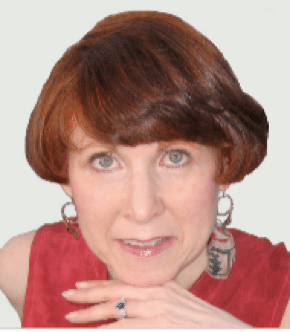
Phyllis Weiss Haserot, president of Practice Development Counsel, is a consultant and coach in cross generational communications. Think 60ish boss and 25ish employee. Or 70-year-old fundraiser and 30-year-old donor. Phyllis has strategies for understanding and working across the generations.

This segment with Phyllis has a survey. Please take a moment to answer two questions.

You’ll find it below. Thank you! If you could also share it with other nonprofit professionals, I would appreciate it.
 

Create your free online surveys with SurveyMonkey, the world’s leading questionnaire tool.

Here is a link to the survey: http://www.surveymonkey.com/s/Y8RSGM3. Please share the link!


Top Trends. Sound Advice. Lively Conversation.

You’re on the air and on target as I delve into the big issues facing your nonprofit—and your career.

If you have big dreams but an average budget, tune in to Tony Martignetti Nonprofit Radio.

I interview the best in the business on every topic from board relations, fundraising, social media and compliance, to technology, accounting, volunteer management, finance, marketing and beyond. Always with you in mind.

When and where: Talking Alternative Radio, Fridays, 1-2PM Eastern

Sign-up for show alerts!

Here is the audio for this episode: 136: Talk Between the Generations. You can also subscribe on iTunes to get the podcast automatically.
View Full Transcript

Transcript for 136_tony_martignetti_nonprofit_radio_20130405.mp3

Processed on: 2018-11-11T22:59:37.150Z
S3 bucket containing transcription results: transcript.results
Link to bucket: s3.console.aws.amazon.com/s3/buckets/transcript.results
Path to JSON: 2013…04…136_tony_martignetti_nonprofit_radio_20130405.mp3.542102077.json
Path to text: transcripts/2013/04/136_tony_martignetti_nonprofit_radio_20130405.txt

Durney hello and welcome to tony martignetti non-profit radio big non-profit ideas for the other ninety five percent. I’m your aptly named host. I hope you were with me last week. I would develop gastroenteritis if i heard that you had missed discover your brand. Nadia touma is a brand innovation strategist with clark vertical line mcdowell your brand goes much deeper than logo and tagline what’s the process to discover your brand strategy once you’ve found it, how do you manage it? Nadia and i discussed and content marketing scott koegler was with me he’s, our tech contributor on each month and the editor of non-profit technology news. What content should you post for consumption? And where should you put it? How do you start your content? Marketing scott and i discussed this week talk between the generations. Phyllis weiss haserot president of practice development council, is a consultant and coach in cross generational communications. Think sixty is bosh sorry, think sixty issue boss and twenty five ish employees or seventy year old fundraiser and thirty year old donor phyllis has strategies for under standing and working across the generations midway into the show at roughly thirty two minutes into it tony’s take two. The transcript for my web chat with maria sample is posted on my block. I’ll say little about that, and also reminder of how important it is for you to be registered in each state where you solicit donations. My pleasure. Now to welcome phyllis weiss haserot she’s president of practice development council she champions cross generational conversation to help non-profits and for profits, solve intergenerational challenges that can hinder productivity, employee attraction, employee retention and succession planning. Her newest project is national cross generational conversation day. Phyllis weiss haserot welcome to the studio. Oh, thank you for inviting me. Delighted to be, have you? Thanks for sharing your expertise. Is today national cross generational conversation day? No, it’s, not also. Why we why we talk of why we’re here. We should be here. We should be celebrating the day. When is the day? Well, we should celebrate every day and i booked way. We should have a cross. A cross generational conversation every day. I’m really encourage off all kinds of organizations to foster that welfare people. One’s national day. What is this project of yours? Way? Haven’t designated yet or not yet. The national day will be in twenty fourteen were expecting to do some pilots and late fall okay, so i will let you know what you mean. The date national cross generational conversation day will be in late fall of next year. No late fall of twenty thirteen, where we’re planning to do that with some pilot cites nationally, will be a year off, okay, but are you are you willing to announce the day when you two so i can mark my calendar? I don’t have the day you don’t have a day yet, okay, you’re working on it, i gotta go. I am working on it. Well, i got two people working on, okay, well, i want to mark my calendar, and i will let you know there’s, an anniversary, absolutely. Let’s just set our terms straight. So we know what that everybody is thinking about the same brackets and generations. What are the generations on? Dh? Their approximate age is okay. We have for now that are in the workplace, mostly three. But but also the traditionalists were still there and we haven’t gotten to the youngest generation yet. So starting with the oldest, we have the traditionalists. And those are people who are generally over seventy. Now. Ah, boomers are bumping up on seven seventy and to, um, late forties. And then we have the generation x which is from late forties down to about thirty four. And then from something like, you know, seventeen or eighteen to thirty three or four is what we call either generation. Why? Or millennials those of the most popular names? There are many others as well. Okay, how do we how do we choose these cut off ages? You say roughly thirty three or thirty for between gen y and gen x how did those get selected? Who to door? Who are? Well, they’re you know, they’re they’re a number of people who have just studied what’s what’s going on and there’s you know, it’s, not absolute. Ah, there are many things that will determine what generation you’re in because it’s really about what influenced you in your formative years, and i when i’m saying the formative years, i’m talking about probably high school and college ages, not not toddlers that was too inert, too young, so people have common things that they, you know, tend to be influenced by wars, economy, music, political, social, economic, cultural and influences so that there is some common things that form patterns. Do we have a name for people who are, say seventeen and under today is any kind of, ah, moniker emerging for them? They’re a couple there’s a corporate naming opportunity way we call them the goldman sachs or the facebooks or something that could be a corporate naming opportunity? Maybe, but it could they might try all right, but they’re they’re they’re a couple of things, you know, those like x and why have have said, well, the next one could be z andi have about a prime something, right? You start at the beginning, but you wouldn’t want to be just a a prime or a double primer so well, a prime would do it. It doesn’t seem like a very what else? What else is emerging on? A couple of i don’t like kensi so that’s out. I actually, like see, i have my son’s name is ain’t we like these, but i wouldn’t use it for the thing that was missing. So a couple of people are using regeneration the re the regeneration re hyphen generation. Yeah. Okay. What? What does that refer to? It refers to all the kinds of things we have to change in the world. For one thing there, you know, there were a number of things that that’s defensible released. I’m just trying to get away, you know? Yeah, i’m not sure that that that’s what i would choose, but there are some people, is that one emerging that you like or you’re you’re still open minded or what? Oh, and i think we’re we’re looking so much on the whole digital native thing, you know? And if there’s some demarcation between the general room, millennials and the and the younger ones, and i think i think we have to watch what’s happening and another thing that i that i feel strongly about accepted it complicates things is that a generation of sixteen to twenty years, it’s much too large and the older and the younger ends were halfs of the various generations are very different from each other, and so, you know, i think you have to slice and dice a lot more war more than then have these, but it just confuses people and complicates things. I certainly when i entered ah, the boomers, so i guess we’re not late forties. I didn’t feel much kinship with those who are seventy or so now, now that i’m or in the middle or a little a little closer to the middle anyway, i feel a little more kinship on both sides, but i’m at fifty one, but yeah, i i didn’t i felt that when i was like i said, when i was forty, i didn’t feel much in association with seventies, but but we were those in their seventies, but we were we were in the same group and i tried to opt out, but there’s no, nobody sent me a check off, you know? And now he was checking on my direct now response pieces there’s never a check off for opting out and, you know, opting may be for the lower the gen x, you couldn’t. You can’t do that, right. Well, i’m cross generational, and i strongly identify with boomers x and y i am actually age, wass boomer. But, yeah, i do. I really, you know, i see the world the way younger people do, and i have lots of young friends and get a lot of energy out of that lab, very allowed to socialize outside my my boomer group, right, i hope. I hope you didn’t do no, yes, of course i did, but i can think thoughts to that gen xers and generalize, think its okay, i hope you do. You can go outside, okay, very good, all right. Let’s see, so we have just, like, a minute a half or so before break. So but well, twenty time you know you’re here for the for the hour. What are what are some of the factors? Well, you mentioned economic could be wars, the digital age. Are there other things that that divide the that that are different across the groups? Um, well, i think, you know, we put those are big categories, if you say cultural, political, social, economic, but there are lots of things within each of these categories that that will divide them. And and i think also that people are so much affected by their background, where they come from and whether it’s a conservative family, a religious family or, you know, other things in the life cycle may be important factor, and that could actually could trump certainly absolutely rule what what person rocket, right and personal style, i think, personal behavioral style and some of that you’re born with and some of it is just your, um, how you respond to your environment, but very often you’ll find the people of two very different ages might get along much better than people who were peers and age, just because they have a much more similar personal behavioral stuff. We’re going to go away for a couple minutes, and when we come back, phyllis weiss haserot stays with me, and i hope that you do, too. Talking alternative radio twenty four hours a day. Are you confused about which died it’s, right for you? Are you tired of being tired? How about improving your energy strength and appearance? Hi, i’m ricky keck, holistic nutrition and wellness consultant. If you have answered yes to any of my questions, contact me now at n y integrated health dot com, or it’s, six for six to eight, five, eight five eight eight initiate change and transform your life. Are you concerned about the future of your business for career? Would you like it all to just be better? Well, the way to do that is to better communication, and the best way to do that is training from the team at improving communications. This is larry sharp, host of the ivory tower radio program and director at improving communications. Does your office need better leadership, customer service sales, or maybe better writing or speaking skills? Could they be better at dealing with confrontation conflicts, touchy subjects all are covered here at improving communications. If you’re in the new york city area, stop by one of our public classes, or get your human resource is in touch with us. The website is improving communications, dot com, that’s, improving communications, dot com, improve your professional environment, be more effective, be happier, and make more money improving communications. That’s the answer. Hey, all you crazy listeners looking to boost your business? Why not advertise on talking alternative with very reasonable rates? Interested simply email at info at talking alternative dot com welcome back to big non-profit ideas for the other ninety five percent. I’ve got lots of live listener love, olive et michigan, reston, virginia, brooklyn, new york welcome live listener love going out to all those cities and we’ve got more to come. We’ve got dublin and mullingar, ireland well, good welcome shaman china, guangzhou, china and chang ching china ni hao he’s happy to have all of you and there are many more listening. Before the show, i pulled listeners, and one of the questions i asked was do you directly supervise? Or are you directly supervised by someone who is twenty or more years from your age? So that’s roughly a generation, right twenty years is approximately b and fifty percent said yes. Fifty percent said no, so half half our listeners have to listeners who were polled our inn in a work relationship that’s at least one generation from them. And the second question i asked is if you answered yes. So now we just have half the half the group from the first question if you answered yes, do you feel communication between the two of you is often hampered by your age difference? And i said often hampered and ah, twenty five percent said yes. Fifty percent said sometimes, but not often, and the other twenty five percent said, no. So it’s, sort of a mix, right. Okay, um, we certainly wouldn’t want here. That was one hundred percent who were having trouble relating to each other often, right? It’s. Only twenty five percent. Yes, on behalf said sometimes, but not often, so maybe we can help. We can especially help those twenty five percent who are often having communication troubles. What are what are the what of the feelings that people are are experiencing when it’s ah, you know, maybe sixty year old fundraiser and a ah, a donor who’s a millennial or or gen x? What? What, what? What are the feelings across these across these people? Well, i think i think it really depends on the people and whether, you know, some of it might even be their own relationship with their own children or their parents, and if we’re looking at the boomers and generation, why, that those two generations are the closest parent child relationships that we’ve ever had in history? And so it is the debt dynamic can be very interesting about that. Ah, a lot of the younger people really have a good warm feeling for older people because they have those good relationships, but it may be and, you know, even if we’re talking about donors and fundraisers, ah lot of the younger people have different ideas about philanthropy, then then the older generations do the kind of things that they want to give to how they want to do it, wanting to be more hands on involved, not just writing checks or you know, doing it electronically, but, you know, knowing getting to know, interact in some way with the people that they are donating to, and i think that’s something that we see really growing, i’m not an expert in the philanthropy area, particularly although i have cause i, you know, so fascinated by everything generational i’ve done that, and i’ve done some speaking to corporate philanthropy people too, and do follow that you have, um, for instance, a lot of the silicon valley people who have made a lot of money now and there are are getting born in their forties, yeah, and they they’re doing their philanthropy in different ways than the generation older than you. So i guess we have to generalize to some extent we’re gonna be able to have the conversation is talking generalizations. And there a cz you identified there are factors that transcend these generalizations. Individual people, your relationships with family, you’re your own personal style. Okay, so but we have to generalize in that in that situation where it’s ah, a fundraiser who’s, you know, could be thirty years older than the then the donor is there. Is there insecurity with typically from the the fundraiser is feeling that here she is talking to somebody so much younger, and they and that younger person really has the power in this relationship. Is there the donor there? The one with the money is there in security? Feelings are, i suppose it could be, but not nearly as much as it probably is when it’s the other way around, when the younger person is asking for money from an older person or the same thing in a in a work situation, when you have a new, older boss, and i mean a younger bus and an older worker reporting to him. Okay, so let’s, look at that, then. So the older, older worker, younger boss, what the one of the feelings are, how do we work with that team to transcend those feelings? Okay. It may be that the younger boss, especially if they have no come newly to that position, maybe feeling, ah, you know, uncertain about how to how to do it and how do you manage other people and even their own age? That’s another, another issue of managing your your friends that you were, you know, just coworkers with with but with older, with other people, you know, sometimes the fear that the other person knows so much more and you knows, maybe going to be trying to take over for them and what they’re doing, like some intimidation it it could be, yeah, it could be intimidated and, you know, and it may be that that there’s absolutely no reason for that it doesn’t mean that the older person really feels that way, right? But the younger person lives might might feel based on these generalizations and stereotypes, right mean, isn’t well, not only stereotypes, but, you know, if you haven’t been doing something for a long time and somebody else has ah, may feel well, you know, they they think they know so much more so why should they listen to me? Am i going to be looked? At enough as an authority figure so that that kind of thing can happen. And i think that what we need to remember is that people have to have respect for each other and to respect experience and not think, oh, well, you’ve always done it this way, but i have a better way or i have done it, you know, and it’s been proven to work for twenty years. So why you trying to get me to do something in in a different way just to say ok? You know it’s not about you, it’s, about whether our common goals here, you know, we have some objective we’re trying to read which we’re trying to do something for a client or for the organisation or trying to serve, solve world problems and it’s not about, you know my way or your way or the highway it’s how can we best work together? How can we take what i know and do really well and what you know and you do really well and figure out what the role should be based on our skills, our knowledge, our interpersonal relationships with people, the contacts we have, whatever it is, what? We need here. And how are we going to make this work? Right? And how can we start to how can we start this conversation across these two people if there is a little tension, a little intimidation, little fear, how do you how does your work work with a team like that? Well, you know, i think facilitating dialogues within work teams, people who have to work together, um, is really something that’s so important and not being done enough, and it should be encouraged by the employers and, you know, sometimes you have to bring in coaches, and it could be i’m not just saying from somebody from the outside, but it could be somebody within the organization. I i think that sometimes with mentors and mentoring circles you can have or this employee resource groups that are that set up around some kind of affinity s o that you see a lot of those for for gender, and you see them for lbgt now you see it for racial, ethnic and, you know, that kind of thing, and we’re starting to see some of them around generational issues, too. And so if you, you know, you have these discussions, you know, whether they’re internally were, you know, coming from the outside, getting people in a non threatening way to start surfacing, how they, how they feel, what you know, what they see is their obstacles. What i’ve read about the millennials is that they like to be like to have their voices heard absolutely, i don’t know so much that they need to see that what they’re recommending, you know, he’s always carried out i mean, i don’t read that there that’s selfish, but they would liketo have input they liketo be know that they’re being heard absolutely, you know, and i think from the older and two when they’re no longer running things, they also want have have a voice, but this opportunity for everybody to have a voice is really important and for the younger ones and one of the one of my favorite names for a generation wireframe millennials, it’s generation, why? W h y for all the questions that they’re always asking and you know when when managers have come to me with, you know, what do i do about this? I mean, sometimes you know either sometimes it’s annoying, but even when it is a nice child. Five year olds kinds of why? Why is the sky blue? Why are we doing it this way? Yeah, and and we taught our kids to ask questions it’s a good thing, but sometimes it’s inconvenient, you know, you’re running off to a meeting to the bathroom, whatever, whatever it is, and there are people who actually managers sometimes feel guilty about it because they can’t on the spot. It’s fun to feel like a prop that question, i can’t answer all the questions that are being thrown at them, right? Okay, so so what one thing that i’ve suggested? Because especially the younger people like working in groups is, you know, why don’t you schedule every couple of weeks a session where anybody can come and ask their questions and get answers to them? And then people can hear what other people are asking that can learn from that they all have their opportunity for for their voice, their self expression, whatever, whatever it is, and again, they don’t expect to get everything that they’re asking for, but also they want to know what’s going on that has an impact on me and i think anybody in or place really wants to know that the more they’re more vociferous about asking exactly not keeping it inside, right? But the more transparency there is, i believe it’s so usually better for everybody. Okay, let me send some live listener love. Tio medford, new york. Middleboro, massachusetts. Bangor, maine live listener love bangor. I love bangor. Yeah. That’s. When? When? When i was an urban planner. And my first incarnation. And that was a client that remained was in urban. That was an urban durban downtown bangor. Okay, i hope it’s benefited from your work. Can you remember something? You wantto somebody’s listening from bangor? What do you what did you do? You put it. Build a park oversea a parka monument. What? What? What can you point to where we were doing? We were doing studies on downtown commercial revitalisation. And what kind of businesses should come in and and attract them? And it really was a while ago. It was like i have no idea what bangor is like. Not sure, but it was a nice being shoretz a thriving small town. Lovely. Because because of your work there, taiwan taipei tai pei has checked in ni hao. Also none. Ching china was not with us before, but none. Ching is now with us. Ni hao out to you also. We have, ah, few more way have several minutes before break, so we’re talking about openness, transparency you want these feelings to be shared in the workplace, but typically we’re not especially, i’d say boomers in traditionalists. We’re not really accustomed to sharing feelings in the workplace. So much is that is that difficult toe overcome their? They’re traditional feelings about about sharing feelings in the workplace? Yeah, i think that you probably have a better chance with the boomers and, you know, especially some of them you don’t remember when boomers came into the workplace, they were going to change the world. No, especially the older hand. I’m on the young side of rumors, so well, i was on the young side, but i’m still a little on the younger younger, so i don’t remember that so and they’re still in trouble and they were going they were going to change things. Yeah, okay, you know, and and were kissed of all kinds of things. And you know what? What are they growing? Long hair? And what is this about woodstock and and the beatles and civil rights, you know, against the vietnam war, all of those kinds of things very politically involved. Ah, so and i think that what we’re seeing also with some of them who were thinking, what am i going to do? And i either voluntarily or involuntarily leave what i’m what i’m doing now, our thinking back to the three kinds of things that they wish they had gotten an opportunity to do when they were younger, but they were encouraged by their parents who came from a much more insecure, you know, depression area, a year era. Ah, to do something that was very respectable, that they thought was a secure job, like, you know, be a doctor, a lawyer, an engineer or something like that nothing is secure anymore, and so that, you know, thinking that there’s still, you know, deep down somewhere, things that they would like to do that that would be helpful to the problems we have in the world, they could join the occupy movement on dh, some of it but but actually occupies similar really start analogous toe the the counter culture and political ah, not really revolution but turmoil and and that we saw in the sixties when the boomers were were of that a war. Of the you know, now what’s now the millennial age, so because i’m trying to compare the with the boomers were for in opposite were opposing politically and socially with what occupy that’s true accepted it and and yeah, it’s very similar, but the younger generations now have a different way of going about most of them would not be involved in protests out on the streets. Ah, they they would go about it in a different way. They tend to their political involvement tends to be different, but but they’re still very, you know, interested in doing something about cleaning up the environment. That’s a big one there, you know, some other issues just took a different form of unoccupied was more of a one of a cohesive group in a lot of different cities than than my at least my sense of what was happening in the sixties, which was much more scattered, and there wasn’t really there wasn’t really even a name to it. Now we have occupy and the and you know, you know, the tagline, the other ninety nine percent, so they even branded themselves sort of all right, we could take take another break. When we come back, tony’s take two. And then we’ll continue the conversation about cross generational conversations with phyllis weiss haserot stay with us. Co-branding think dick tooting getting ding, ding, ding ding. You’re listening to the talking alternate network duitz waiting to get in. E-giving good. Are you suffering from aches and pains? Has traditional medicine let you down? Are you tired of taking toxic medication? Then come to the double diamond wellness center and learn how our natural methods can help you to hell? Call us now at to one to seven to one eight, one eight three that’s to one to seven to one eight, one eight three or find us on the web at www dot double diamond wellness dot com. We look forward to serving you. Hi, i’m ostomel role, and i’m sloan wainwright, where the host of the new thursday morning show the music power hour. Eleven a m. We’re gonna have fun. Shine the light on all aspects of music and its limitless healing possibilities. We’re gonna invite artists to share their songs and play live will be listening and talking about great music from yesterday to today, so you’re invited to share in our musical conversation. Your ears will be delighted with the sound of music and our voices. Join austin and sloan live thursdays at eleven a. M on talking alternative dot com. You’re listening to the talking alternative network. Duitz dahna i’m leslie goldman with the us fund for unicef, and i’m casey rotter with us fun for unison. You’re listening to tony martignetti non-profit radio big non-profit ideas for the other ninety five percent. Durney what a lovely chorus that was love that time for tony’s take to roughly thirty two minutes into the hour late last month, maria simple and i hosted a live chat for the foundation center on prospect research, and that was called what’s in your donordigital see, eh? The transcript of that chat is on my block. So if you are interested in that, the block is that tony martignetti dot com and also wantto just take a moment to remind you of the importance of charity registration. It’s ah it’s, part of the practice that i do aside from the plant e-giving fund-raising consulting because not complying with the state laws in every state where you solicit donations can be a little embarrassing. I remember that chris christie was embarrassed because he created a sandy relief fund, and unfortunately, the fund was not in compliance with state laws. They’re in new jersey that sell embarrassing. Um, mary j blige was embarrassed. Sometimes i call him mary j bilge, but but i do like like most of her music, so i don’t usually call her build, but mary j blige, she has a charity and was not it was not. In compliance with st charity registration laws and that she was a little embarrassed. But lest you think that it’s only for the famous and the notable, a small connecticut police charity was embarrassed when the leader was actually find twenty two thousand dollars for failure to comply with these these laws, and it was a personal fine that was not for the charity that was for the executive director on and i’ve got a little more motivation around charity registration on my block at tony martignetti dot com. If you go there and just search the phrase charity registration, you’ll find one of the posts called charity registration matters and that one details a couple of other episodes of charity registration embarrassment that you want to avoid. And that is tony’s take two for friday, the fifth of april, the fourteenth show of this year. Let me send some more live listener love absecon, new jersey see ya, but i know everybody pronounces it abso khan, but i know that it’s absecon because i have a deep love for belmar, new jersey, which is not too far away. They’re not in the same exact vicinity, but there generally related. And, ah, i still go to belmar every summer, and i hope that bill maher and absecon have well will have recovered from the devastation of sandy. Bye bye the summertime so absecon good good wishes to you and new bern, north carolina live listener love also seoul, korea well, i love the asian thie asian listeners it just incredible. So far, it’s been taiwan, china now seoul, seoul, south korea got to send you an io haserot and we’re also thinking of you soul for some for attention very tense time we’ve seen these episodes before. I certainly don’t know anything about no very little. Well, let’s say nothing about the politics of the peninsula, but i don’t know anything more than i’m reading on our thoughts are definitely with you in in seoul and all of south korea continuing our conversation with phyllis weiss haserot she’s, the president of practice development council, which you will find at p d council dot com that’s ah, if you were going to do that fanatically, radically, that would be papa delta candy counsel. And, of course, counsel is c e o u n c l e dot com oh, and that’s where she’s the president and you can learn more about phyllis is practice there on if you want to google her her last name spelled h e a s e r o t haserot on dh thank you for pronouncing it right. You’re doesn’t just well, i suffered. What do you think i suffer with the name martignetti martin? Ellie. I find that the tease get transformed to elza latto. I get a lot of martinelli’s or martinelli martignetti martignetti they transposed the g in the end, i get o r martin getty there’s the transposition martin getti. So i have ah, have a deep and abiding respect for proper name pronunciation. Was it again? Has a rot? No, no, i know that’s not, uh, okay, so childish, so puerile, like, like i’m you know, i’m a gen y minus minus ten years. It’s terrible let’s talk about some of the some of the other advice that you might have. You know, if you’re consulting around opening up these conversations, you know, certainly talked about facilitating dialogue and having meetings where people, younger people can ask the questions what the strategies have you got for non-profits? It may be struggling. Around these issues. Well, i think that if you have, if you have something that i have met mentioned to you and we’ve talked before, who is about setting up mentoring circles, okay, i want you to describe what mentoring circles are, i think that the first phase of mentoring that we’ve seen is older people mentoring younger word that’s the typical right and done the reciprocal well, let’s say reverse mentoring on which, you know, got some attention because thie younger people tend to be better about technology than the older ones, suggesting that someone is twenty four years old has something to teach me. Is that your is that what you’re suggesting? I think less than would have been true ten years ago? I think that most of the boomers are techno tech dahna logically competent enough to do for most of the things that they need to dio, whereas, you know, you used to have people who had their secretaries assistants doing their email for them. You know which an email it’s really easy, i never understood well, why that was a difficult thing, but, buddy, i think we’re we’re coming together much more, even though you were not born with the computer and all of those things, and, you know, you can imagine a world without them. Yes, i remember, but it was yeah, i think the first thing people thought about was the tech, the gap in technology from one generation to another. And so but but there were other things as well, that the different generations could learn from each other, and the younger generations can teach older generations. I i very often ask i have ah linked in group called cross generational conversation and that’s, we want to do the things i’ve asked, and i ask when i’m doing workshops, what can you personally it’s a younger person? Ah, what do you have to offer as a mentor to an older person? And i think, you know, they need to it’s important, that they think about this for their own confidence as well, because a lot of times, people are reluctant to ask someone that they would like to mentor them because they don’t know, you know, what can they give in exchange? I want to be a taker, right? And, you know, maybe maybe that person wouldn’t particularly be interested, they’re probably pretty busy, but if they have something to gain from mentoring you, then they’re going to be much more apt to say, oh, yeah, you know, i’d love to help you. Well, let me ask you what kinds of things did you see? What kind of response did you see that young people felt they could contribute to an older mentor? You know, sometimes it could be the contacts they have, it could be the way you know, what they observe in the world. Ah, you know, even what? What’s, you know, what’s new and coming up in the market place, you know, what kind of products do you think? What kind of needs air people going tohave that that we weren’t noticing before? So they have, ah, you know, a different sense of that. They talk to different people, they might watch and and, you know, use different media, they’re getting different messages, they’re interacting with people in a different way. And so, you know, anybody who has a business or is trying to interact or rays, or whatever it might be, can get a lot of out of their perspective out of a younger person’s perspective. So you would suggest if someone seeking if someone younger is seeking a mentor, that they explain what value they could bring to the absence. So okay, let’s say, i think the first thing you want to do is whether you’re networking or you’re looking for a mentor or you’re trying to get a client. The first thing you want to do is try to offer something before you’re asking for something. You know, reciprocity is a very big thing about, you know, as as an influence principle, and if somebody gained something from you, they’re usually going toe want to as soon as they can give back, i think most people wanted yeah, i mean, we don’t want to be owing people something for one thing, and you know it and just to be nice still don’t want to do that too, but getting getting back to the mentoring. So so so? So first you have it going one way from older, younger, then you have going the opposite direction as well. Um, reciprocally, your mutually mentoring, but people are so busy now, and a lot of mentoring relationships really fail or wither away because that one person who’s supposed to be mentoring can’t find the time and has other things that might be high priority, and if you put together a circle of people of different generations, different skills experiences and all of that who can draw on each other and people can still pair off went one. But you have a whole lot of people to draw on a whole lot of people to give to, because even if you do ah, you’re lucky enough to get the time of one particular person, no one person can give all the advice that any other one person may need. I mean, everyone does not have exactly the same needs the same life that’s always been my reluctance when people ask if all mentor them. Ah it’s, i’m not sure that i can provide everything that they they’re in need of. Saand i can’t i’m certain i can so that’s always been my reluctant, so you know, sort of qualifying sale, do as much as i can for you, but with a circle you have the expertise of lots of obviously lots of people to drop and their time and so would the circle so you could set up a mentoring. Circle in a workplace you certainly can meets what? Once once a month. The way? Well, i think i went a week it’s probably more time than anyone’s going to devote to it. But if you could do it once a month that that would be very good, or even if it was every couple of months. But other people got together in the interim. A cz they needed or wanted smaller groups. Yeah. Okay. And you’ve seen these mentoring circles work? I have i think again, people have to be very committed to doing doing, you know, you have to show up. You can’t just say the first time, okay? I’m going to be there and and you don’t on a regular basis because not only what should be giving, but you won’t be getting either. Yeah. Okay. Cool mentoring circles. Um, you talked about the, uh, life cycle of ah of a person. Um, what is there? Is there? What are we have defined stages of of our lives? Is that what you meant? Um, well, yes, there are that, but a person can be ah, undergoing or experiencing the same sorts of things at a somebody very different age on the easiest example is, you know, medicamentos years, i’ll get right, okay, dumb it down. Yeah, is men can have children and a much older age than women can. So if you have, ah, father with young children in their sixties that may be experiencing and having the same concerns is somebody who’s in their thirties or twenty or twenty or twenty? If yeah, if people in their twenties air getting around to having children not as much as it used to be, but yeah, right, okay, we’re going to take another little break, and when we come back, we’ll continue. We’re going talk about veterans to you, have some special advice, can be very, very important subject, because, of course, we don’t we don’t deal with trivia here on tony martignetti non-profit rated that goes without saying, phyllis, come on, okay, and let’s, take this break in. Phyllis stays with us, and you should do. You’re listening to the talking alternative network. Schnoll are you stuck in your business or career trying to take your business to the next level, and it keeps hitting a wall? This is sam liebowitz, the conscious consultant. I will help you get to the root cause of your abundance issues and help move you forward in your life. Call me now and let’s. Create the future you dream of. Two, one, two, seven, two, one, eight, one, eight, three, that’s to one to seven to one, eight one eight three. The conscious consultant helping conscious people. Be better business people. Have you ever considered consulting a road map when you feel you need help getting to your destination when the normal path seems blocked? A little help can come in handy when choosing an alternate route. Your natal chart is a map of your potentials. It addresses relationships, finance, business, health and, above all, creativity. Current planetary cycles can either support or challenge your objectives. I’m montgomery taylor. If you would like to explore the help of a private astrological reading, please contact me at monte at monty taylor dot. Com let’s monte m o nt y at monty taylor dot com. Talking alternative radio twenty four hours a day. Durney welcome back, big non-profit ideas for the other ninety five percent, continuing with the live listener love leave massachusetts, minneapolis, minnesota and columbus, ohio. Columbus, ohio. That’s, the appreciate the capital of ohio. I think i believe that’s, capital city live with her love to all those massachusetts, minnesota and ohio. Thailand. I’ve been to thailand. I was in bangkok and i was in pata also thailand, tokyo, japan also japan, konnichi wa. And why are you? You know, we have all these asian listeners taiwan, china, japan, thailand. Now, why are you listening at att one? Almost two o’clock in the morning. It’s oh, it’s. Remarkable. I don’t know why you’re you’re night owls or but consistently, you guys are up late on. Ah, well, this is friday night. Maybe that’s. The reason, but love to have you have you? Have you all, um, veterans? Phyllis, you have some special advice around generational cross generational conversations for for vets. What the special issues first to prevent. Well, first of all, we have ah, we’ve been at war for so long. We have a whole lot of people in their twenties and thirties who are coming back and either wanting to go to school, be educated um, her to teach or to get jobs. And if you think about it, the experience of somebody in their twenties who has been in iraq or afghanistan, or something like that has to be very, very different from the people that you see on the college campuses or, you know, at at at work, if they might have been on the thirty eighth parallel in the korean peninsula, they could have twenty eight, thirty, thirty thousand troops there, right? Right? Well, many, many places, but especially when you, you know, in danger of being fired out every day and their training is they s so much more leadership training, then younger people get now and that thie stress the and, you know, and i’m talking about now, even for people who don’t have post traumatic stress and all of those kinds of things, but that that they’re they’re pretty healthy physically and mentally, even so that you know, that that would put other layers i know on all of this, but they they’re also used to so much more structure if you think about it now, young people tend to and especially you. Know if you’re in school, you go to class when you want you dress the way you want, you don’t have very strict ways of behaving and those expectations, and so i think that the veterans arm or, you know, really more like the older generations because they’ve come, they have more structured workplaces and have been, you know, enough experience, so the lot of them have been leaders and think in that way, whereas the, you know, generalized seems to need a lot of guidance and wants to know what air their expectations, where have you been, the military there very quickly, there’s the court clear, very clear? So is so they’re really not like piers in in many ways. And so is there a problem of perception that people who are older tendo lump them as being the same as people that are in their same age group? And so that those of us who are older or not fully appreciating the differences that that air across vets and non vets, i think that’s very possible, i think that’s very possible on dh way just, you know, these people have been serving our country we need to get some jobs we have dealt with, um, you know, get educated, and so often they will look to people who have had similar experiences. So if there are older veterans in your in your work place, they can be good mentors or help them get up to see speed to how things are ah, loosen up. I mean, because if you’re used to a very rigid structure and suddenly you’re in a different environment, you have to loosen up more, uh, forming these affinity groups so that they are, you know, the veterans feel like they’re not, you know, standing out on different from everybody else around them who is their age can be very helpful. They just really have to think through what it is they’re looking for, what, what their needs are. A lot of them have families more than some of the younger people, particularly in school, and so they may have totally different needs. I want i want to close with what it is that you love about the work that you’re doing. Why do you love this? What moves you about this? I i just find differences fascinating. For one thing, i get a lot. Of energy from the younger people as well as people who are older as well. I saw something just yeah, totally, totally, i mean, i think that’s, why it’s hard to you know, we’re thinking about whether the boomer is going to do they’re not going to retire for most of them and, you know, not thinking even if money was not an issue of, you know, spending their days playing golf and lying on the beach and doing the traditional things that people thought about wanting to dio so what can i do next? I i appreciate the differences, and the other thing is that i just think that it is so important that we get all the generations talking together, working together for what they do in the workplace and solving the world’s problems that we have instead of pointing fingers at each other and say, we look at the world that you’re, you know, leaving to us. Duitz phyllis weiss haserot is president of practice development council at p d council dot com. Phyllis, thanks so much for sharing your wisdom around my absolute pleasure. I’ve had a lot of fun. I’m glad most guests do some are tortured, but not not many, and i’m glad that you’re not among the tortured, and there was no jargon jail there was all such a simple conversation, no jargon, jail love that absolutely, i don’t jarden next week followship not fellowship follow-up ship alison fine is co author with beth cantor of the networked non-profit and alison has been thinking lately about opening organizational culture to allow non-profits to be more reactive to the interests and motivations of their followers while still keeping goals in sight, and alison is going to share her thoughts next week. Also, jean takagi are regular legal contributor returns. We’re all over the web. You can’t make a click without dahna testes piela still trying to say, smacking your head hard into tony martignetti non-profit radio. What i what i actually need to learn is how to say put me on your do not call list in spanish. I’ve been getting telemarketing calls in spanish and i say, put me on your do not call list and they say, no, no, no, auntie ende they don’t understand, so they’re doing an end run around the federal do not call list, so if someone could explain to me how to say put me on your do not call list in spanish. I would be grateful. Any case we’re all over social media and youtube is but one example. My channel, their israel tony martignetti is over ninety videos i’ve got craig newmark, the found of craigslist is on there with me. Seth godin is there. Rachel sklar are from huffington post is there charles rich, the founder of donors, choose dot org’s where teachers post there, their needs and donors give to those needs he’s i’ve interviewed him so that all those people and lots of other videos at riel tony martignetti dot com also some stand up comedy is there. Our creative producer is claire meyerhoff. Sam liebowitz was not our line producer today. Janice taylor was the line producer today. And this shows social media is by regina walton of organic social media. The remote producer of tony martignetti non-profit radio is john federico of the new rules will be going remote next time we’ll be in june at fund-raising day here in new york city. I hope you’ll be with me next friday one to two p m eastern at talking alternative broadcasting at talking alternative dot com no dahna. Hyre i don’t think they’re too good ending. You’re listening to the talking, alternate network, waiting to get me to thinking. Hi, i’m donna and i’m done were certified mediators, and i am a family and couples licensed therapists and author of please don’t buy me ice cream are show new beginnings is about helping you and your family recover financially and emotionally and start the beginning of your life. We’ll answer your questions on divorce, family court, co parenting, personal development, new relationships, blending families and more. Dahna and i will bring you to a place of empowerment and belief that even though marriages may end, families are forever join us every monday, starting september tenth at ten am on talking alternative dot com. Are you suffering from aches and pains? Has traditional medicine let you down? Are you tired of taking toxic medications, then come to the double diamond wellness center and learn how our natural methods can help you to hell? Call us now at to one to seven to one eight one eight three that’s two one two seven to one eight one eight three or find us on the web at www dot double diamond wellness dot com. We look forward to serving you. You’re listening to talking alternative network at www dot talking alternative dot com, now broadcasting twenty four hours a day. This is tony martignetti aptly named host of tony martignetti non-profit radio big non-profit ideas for the other ninety five percent technology fund-raising compliance, social media, small and medium non-profits have needs in all these areas. My guests are expert in all these areas and mohr tony martignetti non-profit radio friday’s one to two eastern on talking alternative broadcast are you fed up with talking points, rhetoric everywhere you turn left or right? Spin ideology no reality, in fact, its ideology over intellect, no more it’s time. Join me, larry shop a neo-sage tuesday nights nine to eleven easter for the ivory tower radio in the ivory tower will discuss what’s important to you society, politics, business and family. It’s provocative talk for the realist and the skeptic who want to know what’s. Really going on? What does it mean? What can be done about it? So gain special access to the ivory tower. Listen to me. Very sharp. Your neo-sage tuesday nights nine to eleven new york time go to ivory tower radio dot com for details. That’s ivory tower radio dot com everytime was a great place to visit for both entertainment and education. Listening. Tuesday nights nine to eleven. It will make you smarter. Dot com. Hyre