Tag Archives: Nonprofit Technology Network

Nonprofit Radio for June 29, 2018: Storytelling II & Test Quest


I love our sponsors!

Do you want to find more prospects & raise more money? Pursuant is a full-service fundraising agency, leveraging data & technology.

WegnerCPAs. Guiding you. Beyond the numbers.

Credit & debit card processing by telos. Payment processing is now passive revenue for your org.

Get Nonprofit Radio insider alerts!

Listen Live or Archive:

My Guests:

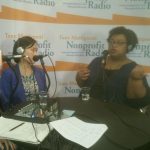
Miriam Brosseau: Storytelling II
Building on last week, Miriam Brosseau has on-the-ground tips for digital storytelling that break down your internal silos and resolve organizational frustrations. She’s like your storytelling therapist, from See3 Communications. (Recorded at the Nonprofit Technology Conference)


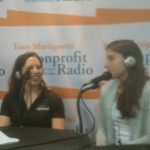
(L to R) Garcia & Hilson

Nick Garcia & Jack Hilson: Test Quest
Email, landing page and digital ad testing: What it is; how to do it; and what to do with your results. Nick Garcia and Jack Hilson are with Mal Warwick Donordigital. (Also from the Nonprofit Technology Conference)


Top Trends. Sound Advice. Lively Conversation.

Board relations. Fundraising. Volunteer management. Prospect research. Legal compliance. Accounting. Finance. Investments. Donor relations. Public relations. Marketing. Technology. Social media.

Every nonprofit struggles with these issues. Big nonprofits hire experts. The other 95% listen to Tony Martignetti Nonprofit Radio. Trusted experts and leading thinkers join me each week to tackle the tough issues. If you have big dreams but a small budget, you have a home at Tony Martignetti Nonprofit Radio.

Get Nonprofit Radio insider alerts!

Sponsored by:

View Full Transcript
Transcript for 396_tony_martignetti_nonprofit_radio_20180629.mp3

Processed on: 2018-11-11T23:52:04.756Z
S3 bucket containing transcription results: transcript.results
Link to bucket: s3.console.aws.amazon.com/s3/buckets/transcript.results
Path to JSON: 2018…06…396_tony_martignetti_nonprofit_radio_20180629.mp3.751193401.json
Path to text: transcripts/2018/06/396_tony_martignetti_nonprofit_radio_20180629.txt

Oppcoll hello and welcome to tony martignetti non-profit radio big non-profit ideas for the other ninety five percent. I’m your aptly named host. Oh, i’m glad you’re with me. I’d suffer the effects of our throw piau sis, if we issued a joint statement that you missed today’s show storytelling too, building on last week mirriam brousseau has on the ground tips for digital storytelling that breaks down your internal silos and resolves organizational frustrations. She’s like your storytelling therapist from c three communications that was recorded at the non-profit technology conference and test quest email landing page and digital ad testing. What is it how to do it? And what do you do with your results? Nick garcia and jack ilsen are from now warwick donordigital responsive by pursuant full service fund-raising data driven and technology enabled tony dahna slash pursuant radio by wagner, cps guiding you beyond the numbers wagner, cps dot com and by telus durney credit card processing into your passive revenue stream, tony dahna em a slash tony tell us here is storytelling, too, with mirriam brousseau. Welcome to tony martignetti non-profit radio coverage of eighteen ntc non-profit technology conference in new orleans. We’re wrapping up our coverage of day two with mirriam brousseau welcome mirriam hey, tony, great to be here. It’s a pleasure to have you. Thank you. This interview with mirriam is sponsored by network for good is the use easy to use dahna management and fund-raising self where for non-profits mirriam is chief information officer at sea three communications it’s e three and her workshop topic is going to be talking about you like you’re not here. Your workshop topic is bust those silos exclamation mark how your digital storytelling khun build internal collaboration welcome again hey, uh, what? Uh, what’s, the overarching lesson that we should be learning like what’s the give us the take away the biggest takeaway about digital storytelling and non-profits not collaborating as well as they might internally. Yeah, absolutely so the way that a lot of our non-profit organizations are structured is intended to be convenient for the organization itself. How convenient for you built around efficiencies and and all of these more easy to manage things that don’t necessarily lead to a whole lot of trust or collaboration. And we’re living in an age today where everything is built around the u customer around the user around that individual person and so storytelling is a great mechanism for humanizing our organization’s overall and starting to build that that supporters centris ity and thinking about how we can shift our operations to be more about the people that we serve in the people who might make our impact possible very articulate. I do it again because we’ve been talking about donor-centric city for i don’t know, ten years or something on there still organizations that may feel they’ve mastered it, but i think our our yeah deceiving themselves, they’re still built around themselves and their saddles. How do we know? Okay, how do we know if we are one of the organizations? And i’m talking about the things we’ve mastered mastered it? We think we’ve broken down silos and we’re donor-centric but we’re not out of one of the symptoms we might be experiencing. How do we know? Yeah, well, you definitely feel it internally if there’s hierarchical management that, you know, really a sense of of control slowness of tackling the same kind of issues over and over without really getting at the root problem. It was like the first time we’ve done this thing. And we’ve done it a hundred times. Yes, yes, precisely so that and then you can also see it in your messages, of course. And so something that c three does a lot with our clients is will calculate what what we call a supporter inclusion score where you look at a single piece of messaging and basically tally up the number of times that you have mentioned the organization in some way, the name of the organization, the ceo, the name of a programme, whatever it is on dh, then you tally up the times that you’re using the word you or you’re referencing the word donor or volunteer or using their name, for instance, and you divide one by the other and see how closely you get two one for so, which would represent more of a partnership. Or if you’re if you’re above one, then you’re really demonstrating that that donor, that person you’re reaching out tio is the center of the story represented through that through that language. You and your yeah, very good words. Yeah. Working in your promotion and marketing. Yes. Shifting that book, it’s just a little bit. Okay. And now how is digital storytelling going to help us. So, there’s, we recommend sort of three step process for thinking about this. Ok, s o the first part of it is a three step process is like click candy for radio. Oh, yeah, you were goingto neo-sage okay, i got you click bait, ready and raring to go for you. So the three steps or the following, first of all, be sure that you are telling the whole story because a lot of non-profits focus on telling the story of the direct beneficiary and not a whole lot else. But when you zoom out and you think about who are all of the characters in our story, who are all the people that we really need in order to make our impact possible? It’s the volunteers it’s, thie, it’s, it’s the donor’s themselves who were usually talking to. But we could also tell their own stories. Their engagement with our missions is impacting them as people in a way more holistic storytelling. Yeah, absolutely. I’m putting a different word on it not but the whole story totally zoom. I’ll get a picture of all those characters on dh. Then think about if you were to position one of those characters as the center of the story is the hero. What would need to happen in eternally in order to gather that only one of those characters and the volunteers? Yeah, the programme. The programme officer? Yeah, doing deliveries up. Ok, so yeah. Ok. Andi, what do you got? Elsa? Right. So first of all, it zoom out, put that right. So zoom out until the whole story and think about it. Think about what are the what are the how do you support that story by through whatever internal processes and that’s that’s the really the clincher there? Because when you’re in a silent organisation to get a siloed culture and culture will eat your storytelling strategy for breakfast, lunch and dinner very well nourished someone recorded you saying that. Okay? I don’t know who was. I’ve done a lot of interviews, but someone said, you know, you know i’m not sure she remembered where she hurt you. One of the sessions i was in someone said culture will eat your strategy for lunch. Oh, yes. Cultures the hungry because you recorded you’ve been quoted on not brother radio. You know you made it i wish i wish you could have contributed. Well, now, the way now we have the attribution. Diego came from that’s great. So so the only the the peace of our arsenal that we have against culture, a culture and and shifting towards that that storytelling you centric strategy is process. Really. So how do we build it into our meetings and our interactions with everybody else in the organization? In order to move in that direction and sort of humanize on and then the final steps. So if you’ve named all of your you’ve gotten that holistic view, you’ve named all your characters you’ve centered one as a hero, building into the process internally, how you captured that story and then finally treating your colleagues the way that you would any good donorsearch a thank you, sell them, tell them the impact of what happened acknowledged that their contribution to this particular story had this had this effect on you personally or on the way that the story went out in the world or the impact of that story going further out. So, yeah, humanizing and putting those folks at the centre, it pays dividends altum i love the idea of thinking of your fellow colleague as a donor? I mean, how how would you treat a donor? Yeah, this search they’re making their character in that story. They’re making a meaningful investment in the work that you’re doing and should be acknowledged for that. Okay, all right, time for a break pursuant. Their newest paper is the digital donation revolution, thanks to amazon’s one click to buy and recommendations based on purchases you’re online donors have higher expectations of you when they give online doesn’t matter that you don’t have amazons budget and expertise you know you need to measure up, get the digital donation revolution it’s on the listener landing page tony dahna slash pursuing radio now back to storytelling too. So let’s see how we, uh, let me break this down too. Wait till i tell the whole story way got to get out of this mindset that it’s all just about the person who’s enjoying the outcome with the right. How do we do this in storytelling? We want to do storytelling in like three minutes. I’m think of a video. Yeah, am i being too narrow? First of all, we’ll use a digital. Storytelling? Yeah. Do you mean beyond video? Oh, for sure, for sure. Okay. Well, kind of kind of content. You’re absolutely any kind of content that your parents know that you’re capturing. Tio talk about your your mission in your impact. Okay, so then how do we what advice do you have for starting the starting to be more holistic in the storytelling? Yeah, so i think, first of all, just literally listening out all of the people that are required in order to make your impact possible and and thinking about one of the things that we also recommend organizations do is think about what’s the intersection between your mission and that person’s aspirations for themselves. So our missions are very forward facing. We’re trying to change something. We’re trying to tackle some injustice and make the world better. So it’s all about the future. And so when we think about those different characters, we want to think about what they envisioned for themselves, for their future and how what kind of person do they aspire to be? And if we can speak to that speaks to that intersection of like, how does engaging with our mission helped these? People become the kind of person that they want to be, then we’re going to have a winning formula in our storytelling very esoteric question, yeah, so let me let me bring it down worse than often example, yeah, so it can be so, but i think it actually makes things a lot easier on us because it’s not about developing necessarily a whole user persona and getting it demographics and like, i don’t care if they shop at target or if they listen to spotify, i care about who they want to be. So for instance, we’ve done a lot of work with the make a make a wish foundation, and some of the characters are in their story are not just the wish kid who’s, the beneficiary of their work, but for instance, thie social worker who was referring that child for a wish, what kind of person does he or she wants to be? Well, they they got into this business in order to serve children and make their lives better and be able tio provided it in a way that they that the family’s night might not be able to if the kids going through a tough time and so in what ways does engaging with make a wish, help them reach that aspirational goal? Um and so when you put that social worker at the centre of the story and talk about their lives and what they’re seeing every day and then saying and what they bring to your organization, how we overlook how we overlap exactly, yeah, and so when so then the story becomes, well, i’m a social worker, and this is what i deal with every day, and when i get to tell a child that i’m referring them for a wish and that this is going teo, you know, it’s it’s, it humanizes your mission, it’s it exponentially expand your impact because suddenly you’re not just serving this single beneficiary it’s absolutely everybody who’s touched by that experience has an impact there being affected by that and it’s changing it’s, changing and transforming their lives and in meaningful ways to and so when you tell that story, it not only bus up things inside, where suddenly i have to talk to the medical outreach team in order to capture that story in the first place, but you’re also opening up a brand new door for other social workers for other people who see themselves in that kind of aspirational role, tio walk through and say like and say, oh, well, i want to be that so you’re not you’re telling the story from their perspective from from the perspective of each of the people involved in this handing over the mike being authentic about it service chain, or if you if you will oppcoll tell me more way our next step, yeah, i think so. I’ll give you another. I’ll give you another exercise because the venn diagram overlap thing is kind of esoteric, so s so when you do have that that list of characters and just list as many as you can be as specific as possible, one exercise that we walk through people through is to do a very simple mad lib you space, which this so the first. So the first space is you take this particular action, you do this thing which and then named the impact. So you, for instance, the social worker, you refer children to make a wish, which does you know all these wonderful things for that child and their family, and honing in on the u which language for each of those characters, is a really powerful exercise, because first of all, you don’t get to name your organization and you don’t get to say you, you don’t get to talk about your programs, you have to go straight from that supporter to the impact that they make and your organization is the witch it’s, the it’s, the means it’s, the facilitator it’s the mechanism by which that that person is making their impact in the world. There’s not even name. Yeah, yeah. So that’s that’s part of that that donor-centric city, that kind of shifting that perspective, you language. It always starts with a u and so an exercise of simple is that can be kind of the core of your messaging for that particular persona or audience segments. Okay, very that’s, great it’s, super fun and it’s. Great to kind of get out of the box with thinking about that for different, for different folks and to really, like, hone in on it and on give it some poetry about and there was this the way in which we make them the hero of the story it’s a it’s. A great way to start. This is the starting, you know, we don’t. Yeah. Okay. We’re not quite there. Yeah, okay. Yeah. All right. So let’s, let’s go to that way. So any one of these characters in the chain of service, any one of these important parts in that chain can now be the focus of the story and how they interact with our organization and our service beneficiaries? Yeah. Okay, give me give me another client story would make a wish or another one that this is you’ve seen. You’ve seen impact. Yeah, absolutely. All the love story of so many great stories. Well, i’m going to give you another make-a-wish example, just because that’s, they’ve got some great, powerful stuff and that’s the first thing that came to mind. So in some of this work there’s a minnesota chapter of make-a-wish made this beautiful video in which they positioned one of their volunteers is the hero of the story. And instead of necessarily focusing on the on the wish kid and it was this story in which the child himself had a condition in which he was unable to speak and really move around a whole lot. And his wish was to have a door really to be able to go out into his backyard and and see beyond the four walls of his house, which immediately just like tugs at your heartstrings. So but telling his story in a way, is not terribly relatable. It’s not i can’t. I can’t really empathize with that situation and it’s actually a little uncomfortable to even think about that and so repositioning story, they they put the hero as the contractor, the builder who actually came in and made that possible, and they talked to him. They talked to the people that he worked with, and i think it they showed the emotional and just sort of life affirming impacts of that being involved in this wish had on that person who’s like this, you know, fifty some year old contract huge e-giving door who’s just building a door, breaking a wall on drilling a door. But he’s the hero, you say he’s, the hero of the story and you watch that and it is so it’s, so emotional and powerful and just draws you in in a way that the story of the wish kid never could and part of what i think this this kind of mentality forces us to do is to recognize that everybody’s got a story everybody’s being transformed by these little moments. And what i love about about storytelling about shifting messaging in this way, is that it? It builds a culture of noticing and of paying attention. Yes. Being intentional. Yes. Paying e-giving attention to others. Yes. How did that story gets told? Was it was it through video that was through video? They had a video version of it. They also published it as as a block post. But it’s ah, yeah, they had a couple of different versions, but the video itself was was the most powerful representation. Okay, we, uh, just got a note that the whole point five o’clock and we were misinformed. So listen, i need another. I need another ten minutes. Can i get ten minutes from the security? You could see that we’re on camera. Right? Gonna get can i get them? Really? I mean, i got a fifteen minute, you know, we’re going to do this for another ten minutes, okay? I don’t know what the time of day is, but i know that. Mirriam and i have been talking for almost sixteen minutes, and i need another ten. Is that okay? Wait, don’t go anywhere, and i’m sorry, we we didn’t know that we were told that, yeah, okay, thank you, little side conversation. Just have the security, gentlemen. Thank you, thank you, sir. Thank you, thank you, thank you. I’m not cutting us off. Fundez live, live, live, recorded in every story, have to have that challenge that has to be overcome, so this is us on the other side. All right, so that was a video story that contract. I love that it’s. Just the guy. We just came to break the door. All right, build a door. Yeah. Let’s, keep going, let’s. Keep going, people. This idea of treating your colleagues the way you would treat a donor you said mohr. But that part resonated with me and we flush it out a lot more. Sure, we just lost the light. Okay, garrett, we’re losing the light. The hole is closing. Okay, it’ll come back. Garrett says it’ll come back on. Okay, there we go. All right. Non-profit radio perseveres. I don’t care what happens. Yeah. So we’re going nowhere going nowhere. Nobody’s going to take us that? Yeah. I mean, i think that heart of especially when you’re working in a silo toe organization. It’s very easy to get caught up in what’s wrong and focus on the tough stuff and want to fix all the problems and anybody who gets involved in non-profit work is a fixer, right? That’s, our that’s, our inclination. We want to make things better. And i think sometimes that we end up losing sight of what actually working. And it’s been shown in all kinds of organizational studies and with with regards to our the way that we change ourselves. The whole positive psychology movement, for instance, is built on this. Premise that if you start with what’s working, you can actually demonstrate more progress more quickly and, you know, put together these sort of lasting change efforts. And part of starting with what’s. Working is is acknowledging the good stuff and saying thank you and being appreciative. And it just changes. It uplifts the whole culture. Is there a client story that you can share that where you saw you saw this make a difference in our organization? Yeah, i mean, i think so it goes hand in hand a little bit with building that storytelling piece into the process as well, these three elements of kind of knowing all your characters, building in the process to gather those stories and then reporting back on the impact and saying, thank you s o we had ah, ah, a little while back, we did a strategy engagement with hillel international, they have a they offer one of many versions of ah, trip for young jews to go visit israel and and build that a nation with it with the country and the people, and they were having a hard time differentiating themselves from the other providers and sort of saw it as a marketing challenge. And what we’ve learned in what we’ve learned that c three is that most marketing challenges are actually internal alignment challenges that can be that, like, with a few little internal tweaks, you can actually do a lot better. And so part of what we built into that strategy into their process. Was first of all regular story gathering moments between them in the united states and the trip providers in the inn in israel s o that they were getting those stories of these transformative moments that were happening for both the kid’s on the trips themselves, and for the and for the trip leaders on all of these different perspectives, right of all these different characters in the story, and as part of that it’s also there’s also an element of just reporting back on this is how we use that story. And this is the reach that that it had and like, thank you, keep it up. And so what happened after we worked with hillel international on that is made a few internal alignment shifts got them to kind of rejigger their messaging. So it felt a little less stock photo and a little less advertising on more story oriented. And they increased their recruitment for the trip by forty percent in a year. Outstanding. Alright, what what? What are some of the questions you got in? Uh, in this in this work in the workshop? Yeah, a lot about pushback from leadership. I’m interested in what was amazing in the feedback you got from non-profits oh, yeah, yeah, there’s in the audience yeah, i mean, we got we got some great little anecdotes of just like those tiny little shifts that people can start making in in order to start building this this more aligned human centric with the culture and some of them some of them are technological fixes, their great organizations out there that are using slack channels capture stories and to share back the impact of the work that they’re doing and the importance of everybody kind of being on the same page around storytelling and digital communications and all of that, which is wuebben so deeply through all aspects of our organization that it actually becomes this really great vehicle for tying everybody together. You said there were some leadership leadership pushback, yeah, so one of the, uh, some of the big questions were just like, well, what if leadership doesn’t? Buy-in, um, what do we do if i if i asked to sit in if i’m the marketing person and i asked to sit in on the development meeting and i’m ruffling somebody’s feathers because i’m on their turf? Then what do? I do about that. And our advice was really well, first of all, don’t make it about busting silos, that’s, that’s not an end in itself. There’s there’s, some other bigger mission and story to be told here on dh. Secondly, start from that point of strength. Start by asking their advice. No. And going there and and, you know, kind of making their idea if you can. But but going in with a with a sort of ah listening, learning, pasture, a supposed toe. I’m going to do this thing and knock down these walls and so it’s a little bit more of that appreciative stance. And starting again from the assumption that everybody has something to offer, everybody has a story to tell. Start with what you have exactly. Okay, start from strength and build from there. We still have another couple minutes left. It got very quiet. You notice there’s? No. Yeah, but in the din of the exhibit, flora’s has been eliminated. Not just gone. Not just quiet. Are quiet. Indeed. What else can we say about this? Er there’s. A couple more minutes. What more did you share in your your session? Yeah, i mean we shared a so there was the buses silas session. We also did michael hoffmann, founder of three, say, three communications and stroll before yeah, exactly s o he and i also let a session that we entitled digital minimalism, which is a which is a related kind of emerging idea that we have open that we’ve been playing with, which is really about this idea that s o thie middle melisa movement has sort of taken hold it’s gotten a foothold in the culture. People are excited about the idea of cleaning their closets and, you know, focusing in on the stuff that really matters and what does it look like? Applied to digital specifically for non-profits? And so what we talked about there was that you may associate minimalism with this idea of less stuff and that’s that’s important that’s definitely part of it, but really, the focus of the minimalist philosophy is that the stuff that you do have should be meaningful and should should be a connection to something t joy into purpose and all of this kind of stuff rather than getting in the way. Mission exactly, exactly commission for sure so is so four. Non-profits in the digital space thie equivalents, the digital minimalism is essentially this idea that, you know, the digital that we use should should thin the line between our supporters and the potential for them to make impact through our organization. There’s a lot of digital detritus out there where there’s a lot of sort of shouting about the stuff that we do and there’s a lot of things that we create just because that’s what? We’ve always weighed it, we need it. Yeah, and all this stuff. Yeah, okay, so did you get pushed back at that session to neo-sage from leaders or people questioning whether my leadership is goingto really be willing to shed? I mean, it could be you could be talking about zoho you’re shitting me, big parts of our communication, it’s challenging panels. Oh, for sure for sure it’s not serving, serving our greater need are serving our our mission. Yeah, it forces you to check a lot of assumptions and i think there’s there’s plenty. I mean, absolutely that there’s there’s plenty of organizations that are, for instance, you know, creating a dozen pdf reports that then go online because it’s written into the grants that they have to create a report and put it online. And so what do you do about that? Like theirs? That’s, that’s. A place where you have to kind of reevaluate whether this this philosophy is going to work in every area, or whether it’s just going to be something that focuses you in the places where it’s most plausible. Okay, uh, give us another two minutes of of the brousseau download. No man. Little community session. Maybe other questions that were asked. Yeah, well, i think a lot of the i would i would almost summarize both sessions. You’re going to get the total download and like a sentence hold right. I would almost summarized both sons both sessions as being about this idea of it’s. Not what you do, it’s. What? What you do does. Okay, it’s, not it’s. Not about what? What it’s impacted exactly. It’s it. And they end that. That idea that you know, non-profits do amazing things. We deliver great programs. There are there’s, there’s, webinars and services and meals being serves, an animal’s being saved and all of that. But really, the and we want to talk about all that. Great. Stuff, right? And put it out in the world and say, like, look, please pay attention to you know, we’re living this attention economy, but when we, when we take a step back and talk about not what we do but what we make possible and what’s through our actions were allowing to happen that transformation, then first of all, like it’s got that more sort of visionary feel to it, it’s, more it’s, more welcoming and approachable. I can relate to it because it’s not like this thing that may or may not have something to do with me, it’s not sort of it doesn’t become a barrier at all, and it keeps us sort of keeps us mission focused like that’s what we’re that’s what we’re here for, and it keeps us kind of owning that those outcomes and realizing that, like with all of this stuff that we’re doing it’s not about the thing it’s, about what we make possible through that thing. And if that’s the message that we can keep coming back to you through the stories that we tell and the content that we creates and the people that we can actually, then there’s hope there is. We’ll leave it there and that’s a perfect place to leave it. Thank you very much. Mirriam. Awesome pleasure durney persevering through the we’re closing. She mirriam brousseau and she’s chief information officer chief innovation officer. I’m sorry, mate. No, you’re right, it’s. Just a innovation. What i say information. I’m a fan of that too. She’s mirriam brousseau and she’s, the chief innovation officer at sea three communications this interview is sponsored by network for good, easy to use donorsearch and fund-raising software for non-profits and you are with twenty martignetti non-profit radio coverage of eighteen ntcdinosaur, thanks so much. Let’s. Take a break. Wagner cpas check them out at weinger cps dot com if you’re on a fiscal year, it may be coming to a close on the thirtieth of this month. You need an audit or just your nine ninety regular is it? Take a look at their sight, then use the contact form or pick up the phone and talk to partner eat each tomb i’m urging you go in real life after you check him out online. Wagner, cps dot com now let’s, go to test quest welcome to tony martignetti non-profit. Radio coverage of eighteen ntc that’s the non-profit technology conference twenty eighteen in new orleans this interview is sponsored by network for good, easy to use dahna management and fund-raising software for non-profits my guest now are nick garcia and jack ilsen nick is senior account executive at mall warwick donordigital and jack ilsen is exactly the same senior account executive male warwick donordigital times two on dh nick and jack’s topic is the test quest optimizing your donor’s journey. Gentlemen, welcome to non-profit radio. Thank you. Thanks. Good. Have you, uh, okay, the donor journey let’s start with you, jack. What are what are donors not getting? I mean, i’m sorry. What are non-profits not getting quite right about this donordigital the experience. Yeah, well, you know, oftentimes when you’re in the poor poppet for-profit space ah, you’re thinking a lot about user experience, right? And where someone’s going to go, what they’re going to click on what they’re going to see, you know, and a lot of non-profits don’t have the time or think that they don’t have the time to capacity to really think through every little piece, so they’ll be not taking precautions or doing tests. And just rolling out what feels right to them. And so we kind of talk about how easy it can be and how simple it khun b to perform a p tests and rolled them out in your program in different ways. So we try to make it as easy as possible for as many different types of non-profits it’s possible. Okay, okay, so this s o jack, this does not have to say i’m sorry, nick. This does not have to be a complicated process, right? Exactly. Be testing is pretty simple thing. Exactly. Yeah, it is. And there are a number of ways that you can start, you know, very low level that doesn’t require a complex data management or anything like that. So i think we’re going to kind of run the full gamut of, you know, examples and things like that testing for for organizations that are just starting out, but also cem advanced testing concepts we really tried teo dig deep and and figure out some unique ideas of things that folks may not be thinking to test that we’ve seen in our work with our clients have some big impacts. Okay, well, we’re gonna do that here too. I don’t want you holding back on like we’re gonna describe what you’re gonna do talk about in your seminar. Sure you’re gonna do it here. I’ll do it. So you’re going. You were talking about the email landing page and digital ad testing. Yeah, let’s. Start with e mail. Is it one of you mohr expert in email than the other or equally fluent? I would say equally fluid. Okay, well, let’s, stick with you, nicholas. We’re there for now. Uh, what? What? Wait, what should we be testing? Yeah. What? I think when we think about email testing, we generally split that out into the email envelope the content of the e mail, which includes the copy, the design and then what’s the email envelope. So the email envelope is the centre name s oh, it’s, basically, what you see about the email before you open and a preview exactly when you’re so there’s the preview? Yes. So that includes the sender name. So you know, one example of ah really simple entry level test is whether you include the organization name in the from line of your email. You know, conventional wisdom tells you that, you know, you may want to include the organization names so that people know immediately who they’re hearing from. However, for a lot of our clients, we’ve tested out of that, and we are rolling out with just the ceo name because we show that that has had a significant lift in open rates, for whatever reason. So that’s that’s a really simple test. Another thing related to the way we exhaust everything that’s in the envelope. What’s on the envelope. Yes. So they’re sure we hit every. Yeah. Yeah. So what detail here? Yeah, absolutely. Do not hold out on us. So there’s the center name there’s the subject line, which is another important one bonem constantly testing that one another one. Is that that preview to pre header? Yes. Head of pre header. Yes. Oh, one of one of our recommended tests there is that we’ve been seeing a big lift with folks who are actually including a blank preh header. So if you notice when you’re when you’re scrolling through your inbox, you know, almost every e mail you received has pre header text. Those that do not now are standing out more. So so. We’re seeing, you know, just little that white space may exactly right. So and things like emojis and the subject line just, you know, things that really make the email envelope pop out. Nine box. Jack, do we assume that people are scrolling through this inbox on their phones? Now is most female is read by phone? Absolutely. You know, i think it’s been depending on the organization, you could estimate anywhere from thirty toe. Fifty percent of your donations could come in through mobile. So it’s, really important to not only be looked thinking about maybe your email envelope and how that appears on mobile, especially as you’re scrolling through very quickly, but also making sure that everything is mobile optimized and works well for for those folks who are looking at their phones. Ok? Eso we exhausted the envelope. Yeah, let’s. Stick with you, jack. Go inside the envelope now to the message itself. What should we be testing in that? What can we test in? Oh, so many things. Well, and we talk a little bit about a few different things, so we will go from maybe email format. Tio general design tests. Template tests that sort. Of thing copy tests weighs a email format. What what? Different formats? I’m sure i know, but i can’t think of them sure and sing them, but i was sure, yeah, and it may be going from plain text message tio ah, regular template that you might use every day kind of thing to see, and maybe the results of your tests between those two things is that you don’t get a significant lift for one over the other grand, and that may tell you that you don’t want to use plain text or it may tell you that you want to use it interchangeably at different times when it seems effective. So ok, i guess use of use of graphics embedded video do we? What do we know about how embedded video does in a female vs there’s a link to click through? Wei have research on that? Well, it depends on what you’re trying to get. If you want someone to donate video doesn’t help all that much. Of course it may influence click through, but it it probably won’t up your response rate very much it may actually, you may see a decline as faras response rate. Because people are just trying to go to your donation page to view that video and then immediately going okay, okay. It’s. Great for cultivation, though. Great. Very getting folks too. Bedded video abetted video. We’re talking about video eyes great for cultivation. I’m sorry. Yes. Yeah. Video is great. Okay. Okay. I was just trying to draw a distinction between embedded where you do. We have to do what you can watch video in an e mail. Can you? Yeah. You have it. Yes. It’s possible. Although there’s specific types of coding more more complex five and that’s. What made it? So i made him work. So if you get into technology issues with right versus just providing a link and it doesn’t work across all browser’s. Okay. Okay. That’s. Hesitation. All right. So you gotta be very circumspect about that. You’re not okay. All right. Uh, what else? What else in the message hyre in the inside the message itself. Jacket should be so, so designed. Tests generally, it may be, you know, like we had talked about overall template. But it may be something as simple as maybe black and white photos. More stark kind of imagery. Sad versus happy, that sort of thing that, you know, many children let’s, say your international relief organization. And and you have lots of folks of single children alone or lots of children. Together. I’m trying to see what’s more effective. If focusing in on one individual is going toe, actually pull at the heartstrings of your owners. Anything else in the e mail cell for we we met our way to the landing page? Um, i think a couple other things that we’ve seen valuable in-kind email testing is just the length of the copy itself. I think this is this is an area where a lot of organizations hesitates sometimes because they have been messaging with a similar length for a long time, and they meet they may feel hesitant to move away from that, but i think it’s important, especially were scared. Exactly. Yeah, on and it’s not an easy thing to test necessarily, you know, taking the same messaging and boiling it down from, you know, six long paragraphs to a really, you know, small bite-sized email is not an easy task. However, you know, i think it’s an important one, because especially in today’s environment and just the way people are used to processing information now is in much smaller chunks, right? So we’ve been seen, you know, a good degree of lifts with just, you know, testing short message versus long message, you know, just things like that about the time of day. Yeah, exactly. Right. Eso there’s yeah. Time of day. Day of week. You know, some some of our clients, are you there even segmenting out, you know, certain folks that are more responsive to messages at different dates and times, things like that. So, you know, they’re they’re so many, you know, complex options for testing and segmentation. Ok, ok. Are we on the landing page now, cheryl? Goodwill that okay? Okay. We’ll stick with you for a minute. Okay? What should we start there? Yeah. So, i mean, we talked about video for a moment. You know, that was one test that we ran on a landing page where, you know, one of our clients felt like they had a really captivating video that had a donation ascot the end, and they thought it would be much more compelling. And this this was at a time when, you know, video was really hot and a lot of non-profits were using that to dr engagement, so they thought, okay? Let’s test video versus a static image on a donation page and it actually suppressed response video did significantly on the donation page, you know? So i guess what the lesson there was that you know, you don’t want to necessarily distract the destruction was in my mind exactly. I mean, the weather is so video rich now visual in rich video, especially, but, you know, people go there for a single purpose. You don’t want them distracted. Exactly. And i think i think that that guy has a lot of our thinking around. Landing page optimization to is that you know you’re you’re breaking up the information on the page into a very concise headline. A very concise subhead. You have to keep in mind that most people are not going to absorb all of the content all the copy on any given page. So you want to, you know, really think about how to structure the page so that all the information is there for folks who want to absorb it all. But also that at a glance, they’re getting what they want so that they can, you know, move on and convert. Okay, okay. Um, jack, anything else about the landing page we should talk about? Yeah, i mean, more toe next point. And you brought up a good point as well. Tony, that, uh, and perfect host shot out. People are on their phones often doing these sorts of things. So making something inaccessible in that way, not just design wise. I i say this all the time and maybe it’s just being in the industry. But if i go on a web page and it is not mobile optimized, i will just leave. And so you you absolutely have to make sure that sort of frustrating. Now twenty eighteen, you have to scroll the sea, though, to see so much and it and it jumps and bounces and windows are not windows, but pictures disappear. Yeah, yeah. Don’t do it, please. Yeah, well, in in one test that that i’ve done with a few clients is adding tap oppcoll buttons to donation pages or action pages. So let’s say you go and there’s a tiny radio button and you have to zoom into the page to try to click it. And you’re clicking the wrong thing and it brings you to another page. So we tested somewhere else. Yeah, exactly. We call them fat finger buttons at some points to make sure that, you know it’s. Easier for folks to decide. I want to give you twenty five dollars instead of ten dollars, you know? Okay. All right. So that’s the landing page? Yeah. You were going to talk about digital ads, okay, testing digital ads. We’re nick. Where were all these digital ads? What kinds of retesting we’re talking social media ads. So facebook ads? Definitely. I would say that’s, where we start with most of our clients and definitely the google network is probably the thie biggest platform that we use for digital advertising. Okay, got to take a break. Tell us you’ve heard the talis moughniyah lll from lee elementary school, where they’re getting a monthly donation from tello’s for credit card processing of a parent owned company. You know you need more revenue. It can be recurring revenue every single month. Ask the people close to your organization who owned businesses to switch to tell us for their credit card processing. It started at tony dahna slash tony, tell us for the video now back to test quest with nick garcia and jack ilsen how do we tell testing with digital ads? They’re really two components, right? So you have the creative and you have the copy associated with an ad, so in most cases, we’re testing multiple versions of both. The image and the copy at a given time on and then essentially combining the two once you have a winner in each category to roll out the absolute best image and the absolute best copy you can to the widest audience, i think that’s the simplified version of okay, well, we can we can go into more detail, but what, you don’t hold out? What what percentage of your audience would you would you test with? I mean, you gotta have against tens of thousands of fans on your page to make this worthwhile. Yeah, well, i mean, we’re no, not fans know, but you’re mean, depending on the dollar amount, right in-kind so yeah. So when we talk about percentages for testing, we usually start with the budget number composed to the audience. Yeah. So for instance, you know, if it’s the first foray into testing and we’re looking at a budget of ten thousand dollars, then i would say, you know, dedicating at least three thousand of that to the initial testing before the final roll out would be, you know, a decent amount, you know? So you wantto probably dedicate in the neighborhood of twenty five. To thirty five percent of your budget to that initial testing. Otherwise, everybody only a thousand duvette appropriate, right? Exactly. So you want you want you want it to be scaleable, right? Okay, how about let’s? Go back to my erroneous question, but i’ll find somewhere it fits and let’s, go back to email a percentage of your email lists would you test with before you roll out the ultimate to the white fulwider story in when we actually have a tool for this on dh. This will work with ads as well. But we have a fruit free tour online on a website. The bell warwick it’s m double d agency. Dot com slash lab w d agency dot com slash lab. Okay, crack receding. Yeah, and there’s there’s a bunch of different tools on there, but one of them is a sample size calculator. So you can and put the numbers of folks that you have to test from it. And i’ll let you know if if it’s how difficult it might be to get a statistically significant result from that kind of test. Okay. Okay. Can we generalize? Tow? How big an audience. How big a list? You need teo be ableto do successful test. I mean, is a thousand enough? Or is a thousand to small? Well, it depends on what you’re testing. And we thought you could just go to the tool. All right, i put you on the spot. I thought maybe they were generalization, but just if it were not a drastic test, then it may take a long time t get that kind of a result. Also latto the toll just use. Yeah. Don’t pay attention of the host question. Okay, so now we’ve got all this data from our email. You know, the envelope, the message itself landing page our ads. What do we do with all this? All this data in each segment, it’s, not just a simple has male the best one or you know what we do with it. All right? Yeah. That’s a that’s. A great question. And you know, we give a few examples that aren’t as simple as okay. Here’s the winner. So we roll out with that all the time, right? For example, we ran a test. That was an email designed test. So we had a very pared down text on ly no. Images designed template for an email versus the kind of standard template where you have the call to action, photo, etcetera and the results there were actually inconclusive, which in most cases is a worthless test. However, to take away their for us is that we can use both of these templates interchangeably, right? So, you know, since one of them is not impacting negatively or positively the performance that gives us two options to choose from s o that depending on the message, if we have a very compelling image, then we use that template if it is more of a text heavy message or, you know, just something where we want to mix up design versus no design that gives us options so it’s important, teo, you know, be able to assess your your test results to and figure out, you know, how to use that effectively, okay, i think i think, yeah, they’re different circumstances for every organization, which is something that we kind of tried toe andi and people say that a lot, but we try to use a lot of different examples in our presentation toe to showcase the different ways that these things and go and really, what what we’re trying to teach is the thought process, right? Like, how can i use this to my advantage? What can i do with these results? Do we need to test again? Where can i go from here kind of thing. So maybe you test using the colors black and red against using blue and white, and you’re finding that black and red is is a statistically significant lift for you for click through rates. For instance, maybe you just want to rule that out during your end when you really care about getting those dollars in and hitting your goals because if you’re using black and red constantly, people are going to get tired of it. It’s not going to be effective, you lose, you lose that lift. Okay, okay. Your description. Talk about unconventional unconventional but practical testing idea. These the ones we’re talking about this is these don’t sound unconventional today. My wrong are they may be they are unconventional. Yeah, no, i think you know, we try to provide ah list like a take take home list essentially at the end of our presentation of of things that we’ve come up with that we didn’t necessarily that aren’t considered conventional in the world of test. Yeah, start talking about okay, pick us off. All right, so in terms of ah, email, copy testing, one thing that we found have a significant lift is highlighting the call to action in an email with, like the simple yellow formatting, like what you’re used to in microsoft word, right? Because it automatically draws the attention people are, you know, programs for lack of a better term to to automatically go to that, right? So we’ve seen big lifts there similar similar thing is ah, increasing the font size of your call to action in an email things like that really simple, something simple like that? Yeah, just really, really simple things. Another one where we saw, you know, like over a thirty percent lift in our email response rate is changing the color of the button, you know, just things like that button formatting, another one that we’ve been doing a lot, ok, last one because i want to see some projected yeah, okay, one more is ah, making a dynamic button so you’re on the donation page, you select to donate twenty five dollars. Monthly, the button automatically updates at the bottom of the page to say, give twenty five dollars monthly or process my twenty five dollars monthly gift. We’re seeing much hyre response rates with with dynamic button testing like that is that when you mouse over, it actually changes automatically when you selected on the page. So the button goes from saying donate or something generic to to the customized amount so it’s kind of confirmation for the donor within the process that they are giving exactly at the level that they want teo and what’s, the difference you’re seeing with that we’re seeing we’re seeing significant lift on that. I think the last time we ran over one of my clients, it was ah, fifteen percent hyre completion rate. Oh, so some people, after they click the donate button some people don’t complete. Exactly. Okay. That’s what? I was missing? Yep. I thought some people back out after clicking. Well, it wouldn’t be. It would be after they select the gift amount. Right. So you come to the page and when you start filling out the field information, there is a gradual drop off in there in the completion people. Having second thoughts as they’re filling in their credit card number and their address, and write some people back out at that point, yeah, so whatever it is, it, it helps. It helps the process along. Okay, write that that changing of the button. Yeah, after it’s, click exactly it’s and confirms the donation amount. Yep, okay, jack, you got some. Yeah. Ah, similar kind of dynamic aspect is bringing in. Ask amounts from an email tio the donation page so let’s, say, or maybe even heis previous contribution, right, you have that information on file, maybe it’s listen, you’re sierra, you have it dynamically pull in from that person’s record onto the donation page, so that may be it selects immediately their highest previous contribution say that’s twenty five dollars, and then uses an algorithm tio go from there and calculate other likely of amounts that they would get if the ask string is the track. Ok, ok, alright, so thats awesome, okay, you got another one? Sure. So, like clicking kapin offgrid click candy for radio when we’ve done that similar on donation and advocacy pages is and and also also an email actually testing the call to action on language on buttons. So if you could use a more generic donate now or match my gift or something that you might use across your program generally, or we’ve tested that against more mission based colston actions. So, you know, help animals right away or, you know, stop trump or something like that that that actually has increased not on ly conversions on pages, but also click through is on e mails. Okay, okay, we just have about a minute or so left. So, nick, i’m going to give you the wrap up. Just remind us of the motivation. I mean, there’s so much we contest what remind us of the value of doing all this, i think the value for the donor for the dogs, the donor journey don’t write mirriam yeah, i think, you know, it provides it, provides them with a personalized path. Right? So it makes them feel like what they’ve done in the past eyes being acknowledged and that things are as easy as possible for them. And ultimately, you know, they’re here to support the cause is and we want teo enable them to do that in whichever channel they choose. Andi, we want to be able to show them their impact as quickly as possible and in his many ways as we can. Okay, we’re gonna leave it there. Thank you. Alright. Thank you. There are nick garcia, jack ilsen. And they are both senior account executives at mall warwick donordigital, thanks very much. All right. Thank you. My pleasure. This is tony martignetti non-profit radio coverage of eighteen. Ntc on this interview is sponsored by network for good, easy to use dahna management and fund-raising software for non-profits. Thanks so much for being with us. Next week, trust me. If you missed any part of today’s show, i beseech you, find it on tony martignetti dot com, responsive by pursuant online tools for small and midsize non-profits, data driven and technology enabled. Tony dahna slash pursuant radio wagner, cps, guiding you beyond the numbers. Weather cps dot com and tell us. Credit card and payment processing, your passive revenue stream. Tony dot, m a slash tony tell us our creative producers, claire meyerhoff. Sam liebowitz is the line producer, shows social media is vices and chavez on our music is by scott stein. You with me next week for non-profit radio. Big non-profit ideas for the other ninety five percent. Go out and be great. You’re listening to the talking alternative network, waiting to get a drink. Nothing. You could. Hello, this is bruce chamlong, host of the web design and technology coach. Join me and my guests every tuesday from eight to nine pm as we discussed the latest in web design, social media, marketing, search, engine optimization and technology way also discussed popular topics, including ward press, making money online, better koegler rankings and more every month way. Also feature the best unsigned music from around the world right here on talk radio dot n y c. You’re listening to the talking alternative net. Are you stuck in a rut? Negative thoughts, feelings and conversations got you down. Hi, i’m nor in santa the potentiality. Tune in every tuesday at nine to ten p m eastern time and listen for new ideas on my show. Beyond potential live life your way on talk radio dot n y c hey, all you crazy listeners looking to boost your business? Why not advertise on talking alternative with very reasonable rates? Interested simply email at info at talking alternative dot com. Are you into comics, movies and pop culture at large? What about music and tv, then you’re in for a treat. This is michael dole. Check your host on talking alternative dot com. I’ve been professionally writing comic books, screenplays and music articles from fifteen years. Catch my show secrets of the sire at its new prime time slot. Wednesdays, eight p m eastern time, and get the inside scoop on the pop culture universe you love to talk about. For more info, go to secrets of the sire dot com. You’re listening to talking alternative network at www dot talking alternative dot com, now broadcasting twenty four hours a day. Are you a conscious co creator? Are you on a quest to raise your vibration and your consciousness? Um, sam liebowitz, your conscious consultant, and on my show, that conscious consultant, our awakening humanity, we will touch upon all these topics and more. Listen, live at our new time on thursdays at twelve noon eastern time. That’s, the conscious consultant, our awakening humanity, thursday’s twelve, noon on talk radio dot. You’re listening to the talking alternative network. Napor

Nonprofit Radio for June 15, 2018: Avoid Website Ageism & Grants For Newbies

I love our sponsors!

Do you want to find more prospects & raise more money? Pursuant is a full-service fundraising agency, leveraging data & technology.

WegnerCPAs. Guiding you. Beyond the numbers.

Credit & debit card processing by telos. Payment processing is now passive revenue for your org.

Get Nonprofit Radio insider alerts!

Listen Live or Archive:

My Guests:

Jessica Meister, Matt Dragon & Justin Greeves: Avoid Website Ageism
How do you design your site to meet the needs of those 65 and over? What about testing with seniors, and accessibility requirements for federally-funded nonprofits? Our panel answers it all. They’re Jessica Meister with Oral Health America; Matt Dragon from Charity Navigator; and Justin Greeves at Porter Novelli. (Recorded at the Nonprofit Technology Conference)


(L to R) Chan & Faulkner

Janice Chan & Danielle Faulkner: Grants For Newbies
Janice Chan and Danielle Faulkner cover the basics of researching and submitting grants. They reveal free resources to find out what’s available, share tips on tracking deadlines, help you prepare for online submissions, and more. Janice is with Johns Hopkins Institutions and Danielle is from Baltimore Community Foundation. (Also recorded at the Nonprofit Technology Conference)


Top Trends. Sound Advice. Lively Conversation.

Board relations. Fundraising. Volunteer management. Prospect research. Legal compliance. Accounting. Finance. Investments. Donor relations. Public relations. Marketing. Technology. Social media.

Every nonprofit struggles with these issues. Big nonprofits hire experts. The other 95% listen to Tony Martignetti Nonprofit Radio. Trusted experts and leading thinkers join me each week to tackle the tough issues. If you have big dreams but a small budget, you have a home at Tony Martignetti Nonprofit Radio.

Get Nonprofit Radio insider alerts!

Sponsored by:


View Full Transcript

Transcript for 394_tony_martignetti_nonprofit_radio_20180615.mp3

Processed on: 2018-11-11T23:52:37.524Z
S3 bucket containing transcription results: transcript.results
Link to bucket: s3.console.aws.amazon.com/s3/buckets/transcript.results
Path to JSON: 2018…06…394_tony_martignetti_nonprofit_radio_20180615.mp3.632452208.json
Path to text: transcripts/2018/06/394_tony_martignetti_nonprofit_radio_20180615.txt

Hello and welcome to tony martignetti non-profit radio big non-profit ideas for the other ninety five percent. I’m your aptly named host. Oh, i’m glad you’re with me. I’d be thrown into foley dupe aqua if you questioned why you shouldn’t miss today’s show, avoid website ageism how do you design your site to meet the needs of those sixty five and over? What about testing with seniors and accessibility requirements for federally funded non-profits our panel answers at all. They’re jessica meister with orel health america, matt dragon from charity navigator and justin grieves at porter novelli that was recorded at the non-profit technology conference also grants for newbies. Janice chan and daniel faulkner covered the basics of researching and submitting grants they reveal free resource is to find out what’s available. Share tips on tracking deadlines help you prepare for online submissions and mohr. Janice is with johns hopkins institutions, and danielle is from baltimore community foundation that’s also recorded at the non-profit technology conference. I’m tony steak, too thank you. Responsive by pursuant full service fund-raising data driven and technology enabled tony dahna slash pursuant radio and by wagner cpas guiding you beyond the numbers witness cps. Dot com and by tello’s turning credit card processing into your passive revenue stream. Tony dahna may slash tony tello’s here is a void website ageism welcome to tony martignetti non-profit radio coverage of eighteen ntc non-profit technology conference. We’re coming to you from new orleans at the convention center all our ntcdinosaur views are sponsored by network for good, easy to use dahna management and fund-raising software for non-profits this conversation is with jessica meister, matt dragon and justin grieves. Jessica is the web user experience specialist at orel help america. Matt is director of engineering at charity navigator and justin greaves is senior vice president of research. Porter novelli jessica justin welcome, thank you for having welcome to non-profit radio your workshop topic is i’m not the dinosaur. You’re the dinosaur. How your website should keep pace with america’s aging population okay, let’s, start down the end there. Justin, who thinks i look like john mcenroe? He he spilled performance that happen. But i remind you of john macro at least at least happy. Yeah, right now. Not the tennis racket slamming john macaron? Not yet. I haven’t gotten there yet. Yeah, yeah. Don’t give me cause, okay? What what’s the issue here, justin way, talking about websites that are built specifically for senior population, like sixty five it over or accessibility of all websites for the for the elder population? Yeah, yeah, i think i think one or the other, but we’re taking a step back from that and looking at everybody and really looking good. How in my part of the presentation, how people are accessing information generally in society and looking at that websites are a part of that news is a part of that social media is a part of that radio shows are a part of that, right? So seeing how those different audiences by age or by other characteristics are doing things online, are getting information. So we really took a broad view about toe understand that, and there are a couple of interesting trends that we found in our research. Porter novelli we do an ongoing program called styles, which is abroad be of americans lifestyle okay, we’ll get into the research. Remind me if i don’t get teo. I don’t know about research company. Okay, sametz what what’s your sense of this. How do you want to open up the topic sure. So charity navigator biggest user percentages is sixty five and over. And if you lump in fifty five and over it’s really a majority nineties, we in ninety percent, ninety percent, probably around eighty percent. Ok, seventy five percent. So we we have a lot of those users. As i covered in the presentation. Over seventy five percent of our donors to us are seventy five are fifty five and over. So that that’s something that we’re constantly considering in our website design communicating with our users and our donors. Okay, jessica, you’re our user experience specialist. And what what? How do you want to open this topic for the elder population? Eso my belief is that technology should be for everybody, and it shouldn’t be limited to just young people, um and that’s on all of us to create technology and websites and designs that air usable by every single person. I think. It’s a negative stereotype that older adults seniors above the age of sixty five don’t use technology and it’s absolutely not true. Both justin and i have found plenty of research. That is completely metoo contrary. Okay, thank you for that. All right, not. Now that i’m sixty five, i’m approaching now, but, uh, i’m not even in the face, you know? I am in the fifty five over. Yeah, i am in that one, okay, i did remember what i want to talk to you about the research, so i want i do want to start with in terms of how thie older population is using data differently using is using technology differently. Yeah, please, just beyond, i think justcause point it’s ah it’s a myth and it’s a long held belief that older people are behind in technology and don’t use things but what we found in our styles, research that i mentioned before is half of people in the silent generation that’s, age seventy two and above have a smartphone mobile device that they’re using and half half seventy two and over half of our subs on dh in boomers, which you’re you’re, you’re a boom here, boomer young, i’m young, you’re young boomer. Yeah, almost genetics are seventy five percent of boomers have smartphones and that’s the primary way that they’re accessing all sorts of things. News your radio show information about websites e-giving donations online so you got to think about the population, which the vast majority of givers of high givers are also older people. You’re not going to be as effective if you’re just still mailing them stuff, right? They need thio interact and access just the way we all do, and they want to do it on the whole device. Mostly. Okay, okay, you want to add more to the research summary? That’s ah, pretty fair summary. So justin’s work has been primarily in quantitative data and looking at it from, like a sky level view. Getting these good statistics on what usage rate looks like. My work has been more qualitative when you actually sit down and interact with have a senior interact with either a website or a tool or technology, you asked them to use it, completing a particular task, and, yeah, the vast majority of them are wanting to do it on mobile as well. And especially from a non-profit perspective, it’s important to keep in mind that sometimes the on ly access someone may have to the internet is, in fact, on a mobile device. They may not have the means or access to like a desktop computer, and so that was something that we found in our research when we redesign tooth wisdom dot org’s, which is a website designed to provide education and accessed older adults to dental clinics, affordable ones in their area. When we did this study, we found that they really wanted to be able to search and that they may be doing this from a mobile device. Yeah, okay, okay, and in the middle, matt at a charity navigator, what was your part in the presentation so way have this predominantly older user base, but we’re also seeing a lot of growth in the twenty five to thirty, twenty four to thirty five year old user community that we’re seeing, so we’re struggling, too make angels to the site that that appeal to a younger generation, but not turn off or lose our older users in the process. So we have a lot of a lot of sort of feedback and help type questions that we get from older users where they just aren’t used to interacting with with websites like younger generations are on dso we’re always trying to sort of factor that in as we make changes to the site or or consider how we present information on the site. It’s. Time for a break pursuant. Their new paper is the digital donation revolution. I always love all the pursuant free resource is very generous. How do you keep up in our one click to buy amazon world? Can you use more revenue? The paper has five proven to work online. Fund-raising tactics that will save you money. It’s on the listener landing page. Of course. Tony dahna slash pursuing radio now back to avoid website ageism. There’s another layer to this two, which is the federally funded organizations. Yes, by law that required, you have to have accessible, abide by and it’s called section five o eight and it was voted on and passed through congress last year, january twenty seventeen and it just went into effect january eighteen o and this is any organization that receives any federal funding whatsoever, regardless of if it’s one hundred percent or if it’s two percent they receive any federal dollars whatsoever, they’re obliged to adhere to accessibility guidelines there, primarily based on the w keg, which is the world wide web consortiums, accessibility, content and six ability guidelines. Okay, thank you for question that. Because we have george in jail on tony? Yes, i apologize. You just walk in front of the prison? No. Yes, i wanted teo put it out there because it’s it’s an important resource. So it’s w c a g and it’s finding online. You see a g? Yes. Okay. Okay. So, so any any federal money, you’re getting grants for service or whatever, but anything at all and the critically this law applies to not just your public facing website, but anything that you use internally as well. So even if it’s just in internal that on ly the other staff members see all the only your millennial staff is using correct yes, it’s pretty burdens. Yeah, so it’s it’s pretty it’s pretty massive. But this is especially critical to seniors and older adults because forty percent of people above the age of sixty five have some sort of disability compared to twenty percent of the general population. And so, if you’re did, if you’re designing for seniors, you’re designing with accessibility in mind. Okay, dahna let’s. See where should we go testing you? So you do the individual testing. So your roll. Justin is more than quantitative research. About bigger, bigger picture recent yeah, my role in the presentation was sort of the higher level trends and another another thing that we all talked about in all near and dear buses, the impact of social media on things you know, we hear a lot about facebook and twitter and linked in and other things nowadays. And so again, there’s another myth that, well, seniors aren’t on technology and they’re definitely not on social media, which is absolutely false also good. The majority of seniors are on some form of social media, most likely facebook, and so if you think about you need to think about how to meet them where they are just convention on our in our engagement earlier today and that’s going to be mostly on facebook, you know, if you’re trying to get people and get them to interact, they’re going to be in a special channel, they’re going to be in facebook, they’re probably not going to be on twitter very often. There’s another myth twitter’s everywhere only thirteen percent of americans used twitter on a regular basis and of course, we all know one of them right here two hundred, chief, so thirteen percent use it on a regular basis thirteen percent of americans use twitter, so? So if you have an older population, you probably shouldn’t spend too much time on your twitter strategy, which is something we worry about, p r all the time you should think about facebook and think about other channels and think about websites and e mail because that’s, where you’re going to find i like coming back to you not because you thought i looked like john mackerel, but, you know, so it provides the broader context. Yeah, i was okay. And then jessica, you’ve done the individual you use your studies? Yes, sitting with seniors watching them way have devices that watch their eyes on a cz they navigate website. No screen reading studies are available from larger group screen reading, so that technology exists you, khun tracking studies tracking studies labbate which yeah, and then those can develop heat maps that will indicate where someone looks on a site but generally speaking, in terms of how seniors look at a website, it’s not very different from how most of us do most of us like to scan websites, we don’t like to read them. The average amount of time you spend on a website is between around single web pages between thirty seconds and sixty seconds. There’s not a whole lot of time, people, people just try to get what they can and they leave on dh that’s true for seniors as well. They’re there for a purpose way know that they don’t come in through the home page. They came from somewhere else they were looking at or looking for something specific, they link to you, they found it, they leave, yes, so he might try to engage them somehow that gets into, you know, marketing and the web site design, but but leave that aside buy-in they came for something specific, and they’re leaving after they get it correct and it’s interesting, because as webb has evolved over time, the home page has become less and less important because, as you said, they’re coming in from google and they’re landing on the pages that they’re looking for. And so for example, on the homepage is right overrated, for example, on our website, tooth wisdom dot or only eleven percent of our users come in through the home page and so it’s interesting. When you’re doing time evaluation oh, how much time should we think about the home page? Maybe eleven percent of your time, matt, i’m guessing. Does that vary for you? Is home page more important for charity? Navigator it’s actually less so so ten percent of our told my intuition eyes a data driven discussion. Ten percent of our total web page views heir of the home page so not not even landing on it. Just visiting it any point during your visit? Ok? Eso there’s there’s ah it’s a similar thing and i think, really the we mentioned five oh, wait like five oh, wait doesn’t talk doesn’t speak it all to how people move through your sight how they locate information on your site it’s about the visibility, the readability, the color contrast so it’s it’s still very important to talk to your users do the kind of studies that jessica did because you’re not going to know you can be one hundred percent five oh, wait compliant and have xero users able tto do what they’re trying to do when they come to your site. That’s absolutely true there’s a difference between accessibility, compliance and accessibility and practice, you have a loss that’s a minimum standard, right? But this is not going as far as you’re describing now. So, matt, you you’re straddling an interesting position because you said, uh, the elder population is most of your users, but you’re the younger population is growing, so you’re constantly straddling. How do you how do you rationalize that? So part of it is we we addressed it to our channels, so so our website, our facebook tend to have an old, older audience. Our twitter followers, as justin noted, tend to be younger, so we can we can sort of target content that way. Another big part of what we have to look at is just we can’t way sort of can never make a really drastic change to something on our website, because that will throw our senior audience even though a younger audiences is almost surprised when you go when i go to a website and nothing’s changed since the last time i’m there that’s sort of the anomaly, but with supporting older users, we’ve made what we thought were very simple changes to our search results page, and it throws people off and they don’t. Understand that it’s not the final destination, it’s just you have to click through to get to the data, and people are people ask us, you know, where did all the data go? Why did you take away all this information when it’s just they’re looking at a searchers all not at the page that used to be looking at so we go, let me go to justin. This is this has implications around the it’s, the way seniors air using the technology. So you’ve demystified ho are not demystified debunk these myths that, as jessica did to seniors or not using technology, they’re not engaged with it, but how they’re using it and their understanding of it is different. I mean, it’s not as sophisticated as someone who grew up with it. Yeah, it has more exposure. Yeah, i think it’s probably not a sophisticated, but they bring their kind of wisdom and life experience to it. So another thing is, what do you really believe when when you see things on the internet? We did this siri’s that things based on the whole fake news and other stuff to look at, how many people actually get news from facebook believe the news and what do they do have someone post something that they don’t like? So what we found is only about one in ten people now believe what they see in social media is news good. Only about a third of those people click through to actually look at the original content about, like, three percent it’s a very small number on then. But the other interesting thing is seniors less likely to have this one bad behavior, which is diferente de follow people who have a different opinion than them? The younger generations are much more likely tio unfriend or unfollowed someone let’s say, tony of a different opinion than idea about politics or some social thing. Seniors are going to ignore it. Younger people are going basically opt out of you and what that means and you feeling about the implication is we all are just star in our own personal echo chamber, right? What we hear, what we want to hear, we’re only talking people have the same opinion and i think that’s a very dangerous point, you know, america’s based on diversity in the melting pot, and if you’re not hearing people from other cultures or believes our angles, whether you think they’re right or not, you should at least listen. Seniors do that younger people do not very interesting. Okay, so dahna matt, i’m interested in what was the little change you made to the search page, that through seniors that you thought was not a big deal, so we actually we service mohr information onto the search result and gave you mohr functionality via the searchers, always doing things like the result s o that the fact that all that functionality and information was showing up on the search page, people didn’t didn’t understand anymore that they had to click in to a charity’s page to see that high that maurin dept is more in depth. They thought they thought you had a cat in a diddle, the right all the all the information down to just what they’re seeing on this screen, right? The one after the after i click search. Exactly, okay, kapin ate it. Is that the right use of the word? Shorten? Keep it simple, alright, reduced, all right, got it. Some best practices. You ah, from your seminar from the workshop description, you promised them best practices for helping the over sixty five, population sharing you s oh, they’re posted on the handshake from our session, which is eighteen ntcdinosaur okay, very good. So we have them posted there, and you should also be ableto flip through materials and find access to those slides. So some of the overarching principles the first one, which is very important is be big, be bold and be obvious. And so this has to do with create things in large text. High contrast, is it good enough? Text tohave a texting, larger obstruction lodging button it’s not that it’s a it’s a good thing to add it’s a nice feature, but you also have to expect quite a lot of people won’t see that available on dh so fun side, but if you make the guy larger, big that’s not still not adequate, so that goes that’s. A lot of people just will ignore that part of the screen, usually because they don’t visually identify it as the thing they’re looking for, like you said, but making text minimum of a year, she educates. The host brings me along. I’m very gracious. I’m grateful for that. Okay? Minimum size, i think, is recommended at seventeen point font for website. Okay, what’s the way know what the average is? We know what typical website is. A lot of people have it smaller than that because standard booker print size is twelve point and so a lot of people rely on that print standard over fifty percent larger yeah, roughly almost fifty percent larger than the standard book. Okay, okay, big, bold and what was it obvious? And so matt and i talked about this senior sometimes having a difficult knowing which items air interact oppcoll and so we recommend, for example, of recognizing the highlight like they don’t know that, like a button is a button on dh, so you might need literal signifiers to make it look like it’s a three dimensional button with a shadow that you would push in three in real life that’s a literal signifier, but it gives a visual indication that something’s interactive ble and i think literal signifier that central ok previous conversation today i was talking with the woman and sheila warren about bitcoin blockchain that you’re talking about the wallet wallet in blockchain. Is that is that what it was? What was the literal signals? That a literal signifier? I would say so i would say so when we refer to something that’s traditional for something that’s new because blockchain is just yes, people just discovering what it even means or how people think of a floppy disk. Us the same little signified, right? Right. A literal signifier. Yeah. Okay, little signal. I always wondered what those were, but when you see a little bank for for your for your savings or something, okay, little signifier, thank you for that. Your host aggression, right? That phrase down okay. And having nothing to do with this conversation, but or very little to do with it. Okay, i used know that matt had talked about how some of the users on their site had also struggled with things that weren’t necessarily obviously buttons. But we’re click. Okay. You got some. You got some best practices for dealing with the sixty five over. Yes. So? So one of the things is is just to make a literal call out. So one of the things we did teo help with. Our search results problem was making sure that there was there was words that said mohr details or more info, something that even though it’s a link and it’s blue and it looks just like every other charity name link that’s in the search results, the fact that it was more of a call to action and clearly something that if you’re saying, oh, i wonder where the details went, you could click on that thing, and it would take you to the following paige so just things that that sort of are very clear next steps or calls to action. The other thing that we’ve done is pages that might be a dead end, like if you click into a history of donation and you’re looking at an individual donation you made and you want to get back to the list for a lot of younger users don’t know they have to hit the back button, but we have we’ll actually put a button that says, you know, return to my donations so that it’s very clear that there’s always a way out from from whatever page you’re on and sort of similar, just sort of having bread crumbs. Sort of at the top of a page that would list sort of the hierarchy within the sight of the page that you’re currently at. So any anything that that sort of keeps people when, when they might think, oh, now i’m stuck. I don’t know where to go next e-giving them sort of an escape valve or an obvious thing to click on has the next step what are the breadcrumbs? What breadcrumbs on pages so breadcrumbs would be like if if you’re if you’re at the top of the charity navigator page and you click into a category and then it cause it will show you the category you clicked on as we list the causes within that cattle. Are you okay? Trail that contrary? Yeah, apple does that. I think they pioneered a lot of websites. Will have that sort of at the top. You are in the nest, right? Baizman nesting. Okay. Okay, justine, i don’t want to leave you out of the best practices conversation, but you know that you’re part of the bone, and i cracked. I definitely have about okay. And all of us share this theory, which is do more research. I mean, i think that the number one stumbling block block that people have and mac gave great examples and just cut you have to know your audience and do research to understand how they’re using your product or your website or whatever and sit down talk of them. It doesn’t have to be expensive, it doesn’t have to be a long process that could be a small focus group of granny’s at home or it could be your friends and family, but do research and have a discipline way. One cautionary note that i’ll put out. I don’t want to get in the acronym jail, but be calm argast drug in jail don’t ruin my little signals are like in jail, the literacy that are the literary sent a liberation, but the idea is don’t collect more data than you need because the gdpr is coming general data protection requirements from europe and so everyone in the united states, if they deal with european counterparts, is going to be required. Tio give people who are citizens of europe and the uk, the ability tio, act like they never visited your sight. Are they you know they could be for gotten and it’s very hard, the finds are extremely expensive. They’re meant to be business shutting fines and so don’t collect the any personally identifiable information you don’t absolutely need and have a way for people opt out of that, let them know what you have and have a way to get rid of it because that’s the requirement and starts at the end of may know yeah, i’ve been doing a lot of reading about that. We covered it on non-profit radio a couple months ago. Yeah, yeah it’s a tough one. But again, you know, the my final answer is you do research, it could be informal can be formal, but gets a users and have a feedback channel because we live in a dynamic world and people expect change. Okay, although matt, when people see change, they don’t always know how to react to it. And sometimes they get panicky. Yeah, and that’s the kind of thing that having a group to test that with, you know i can help you sort of a void that that stumbling block so so even even just being ableto put it in front of a small group of people who are in a representative portion of your audience, you know, putting putting in front of my developers is not a way to know if if are our older audiences going tto find a problem, you have some seniors come out to new jersey, you’re you’re in a small town into joe’s we are alleged wort know what is not gonna rock gonna rock. So so we want we it’s something we want to do more of way. Haven’t we haven’t done it? Jessica’s been ableto really incorporated into her process much more than we have. Okay, we do it all the time. And the thing we always say is you get out of your own conference room. Talk to real people, i think that’s very good advice for a lot of it. Also rates back to what you were talking about. You know, night narrowing your circle of of influence that you allow in, you know, but let’s, get out a little that’s. Good for life. Okay? We have to have, like, a minute or so left. Who wants to wants to put the finishing touches on this subject? A little motivation. Jessica, i’m gonna give it to me, okay? Because i started down that end with with justin, so let’s go. All right, so i think, oh, my gosh, no, i’m on the way they were talking to a friend, you know? We said, you know what i’ve been doing this work? Why is this so important? I think it’s very important, especially in the non-profit community that we don’t just talk the talk, but we walk the walk, and so if we say we’re trying to serve a specific population, it’s very important that we do the work to actually do that. And i believe that building tools and resources and technology for seniors is a way that we can live our mission and serve that population. That’s it rubber. Okay, she’s, jessica meister webb and you ex specialists at oral health america. Well, she’s not also mad dragon, but seated next to her is matt dragon and he’s, a director of engineering at charity navigator, and justin greaves, senior vice president of research porter novelli, justin sorry, jessica and justin. Thank you very much. Thank you. Thank you. This interview has been sponsored by network for good, easy to use dahna management and fund-raising software for non-profits and this is tony martignetti non-profit radio coverage of eighteen ntc and i thank you for being with us. We need to take a break. Wagener, cpas they go beyond the numbers. They’re covering your essentials nine, ninety and audit before they go beyond the numbers. So first is the essentials. Then they go beyond the numbers. Check the matter whether cps dot com start your due diligence there. Then use the contact page or better go in real life. Pick up the phone and talk to you. Eat hooch doom the partner there. Wetness cpas dot com now time for tony’s take two. Thank you. However you’re listening live podcast am fm affiliate if you’re getting my insider alerts each week thank you. I am very glad i’m very grateful that you are with us. Thank you very much. Now let’s, go to grants for newbies. Welcome to tony martignetti non-profit radio coverage of the twenty eighteen non-profit technology conference coming to you from the convention center new orleans. This interview, like all our ntcdinosaur views, is sponsored by network for good, easy to use donor-centric software for non-profits i guess now are janice chan she’s, a tech training specialist. For development and alumni relations. Maybe the tech training special, the one of the only are you the guy? I am a team of one seam of one. She is the tech training specialist in development and alumni relations for johns hopkins institutions, and daniel faulkner is donor engagement coordinator for baltimore community foundation. Ladies welcome. Thank you for having a son like you. Your topic is grant proposals for newbies, bootstrapping research and preparations so that’s perfect, actually, for our audience of twelve thousand small and midsize non-profits some of whom may not be doing grants don’t don’t have to get started on grant’s research. You don’t know how to start putting. Well, there’s a paper depends hyre anymore, but doing out online forms, you know, and that probably should be in the fund-raising mix. You think, daniel, for most be a consideration. Definitely it’s, it’s, it’s. A robust process. But once you get it, handle it it’s really easy to follow year after year. So if you could work it into your schedule it’s definitely worth going active. Okay. Okay, janice, anything you want to add to the motivation step i think you get it gets easier. The first one is always tough to figure out, and it gets easier as time goes on, so don’t get discouraged by exactly first one. Exactly number five will be easier than number one. Exactly. Okay, okay, let’s, talk about some of the research, you know. How do you how do you, uh, find out about grants that might be appropriate for u s o for me, i look for free and easy sources. We love free on free it’s always great. I will plug one, which is foundation center. They have a great website to find funding opportunities they have. If you in baltimore, if you go to a public library, you can actually access their account free. They’re free full membership, most libraries or institutions, educational institutions have a membership through them. So that’s a great resource. If you’re looking for nine nineties, you want information about funders? I use them a lot. Their office in d c is great because they’re really if you call, they’re willing to help you and they’re all volunteered face or they have classes webinars that are free. So i use that a lot in my day today foundation research you khun i’m sorry foundation sent to research. You could do any any of their affiliated library in that country. Exactly. There are many there that you don’t have to be a subscriber. You there so we can be who you want to do for your desktop. You won’t get as many features, but the features that are offered through their free on account justice. Good there are okay. The other other janice free resource is that we could take advantage of besides foundations dahna sure grantspace go for any federal funding and that’s that’s up your alley and you’re usually a lot of states will have a local council of grantmaker zor of foundations, community foundations, humor sort of have a consortium and you can sort of go to one place and get some of them, even have a common common form. Okay, okay. Others other we love free resource is anything besides, maybe your community group. I know. In new york, there’s new york regional duitz association of grantmaker is nigh rag. So there’s that goes well, the foundation center. Any others were involved when we have a bag, which is another resource, like a bag thing. Well, i would say community foundations are a great way. Usually most their websites give a general opportunity list of what’s going on for their fund holders. So in baltimore, we have over eight hundred funds that come through our foundation. So that’s a great source. If you know your community foundation, get in contact with them to see what’s available and how they can help. Okay? Okay, anymore i’ll keep asking. You say there are no more also like your state or local organization of a non-profit associations. So, maryland, the suspicion non-profit organizations has some of those. Resource is that you can, you know, make an appointment schedule to use as well. Ok, for research there, there for research research. Resource is also okay. Okay. Anything else? I think that covers everything the free and easy. The user friendly ones that are a great start there won’t overwhelm people. Those are really good sources to use when you’re first starting out. Okay. These are also for not only finding well grants, doing your own research around foundations that may fundez your fundez or work. These are all resource. Is that exactly that? Well, okay. Okay. What’s, the next step. So now we now we know where we should be applying. We’re taking it step by step. Danielle, where should we where do we go next? Well, for me, after i’ve done all the research, i have a proponent of writing one grant and then from there outsourcing it and using it to write many multi purpose. Exactly. I call it my my thanksgiving dinner of granting if you go one grantspace irv’s, everyone. So that’s, where most of my work comes in, i would say gathering information that pertinent to your organizations, so that might be your mission statement all your financial papers on the irs, things working with your program team to make sure you have the right lingo in a language down to explain the project that you’re want funding for take some real time to gather that all in one location. So when you sit down and write, you don’t have to go and have to go back and forth. I’m a really big component of doing all the hard work first, so then you can focus on the writing if you that’s not your strong point there’s also a point that’s tangential to that which is make sure you follow all the instructions exactly. Hide everything just for doesn’t really matter how burdensome you think it is. Yes. And they say twelve twelve point fonts on double do it, it’s not a suggestion. Find tabs? Yeah, ever. What was jonas finder town that they need to be labeled? Just do it. Okay, it’s like, in that sense, it drives me of dealing with government bureaucracy. I’m just they may ask things that don’t make sense to you, but and it may not even make sense to the people who are asking for it. It may have been twenty years ago, but just do it okay, just comply. You know you’re asking for their their support. You gotta comply, right? And i’d like to add a point to that to write figuring out like one of things we talked about our session was having a go or no go less right there’s things that yeah, there’s some hoops that you’re going to jump through it’s going to be worth it. But you also wanna they’re going to be some things that maybe is a stretch too far for organizations. Kind of taking you off mission. You’re kind of drifting. From things. So you want to make sure that that’s really feasible, invisible as well? Okay, that’s a very good point, especially in terms of mission, you know, it’s only it’s only sort of related to what you do, you know, they’re going to read through that, right? And you’re probably gonna be unsuccessful in the grant anyway, you know. So why try toe conform your work, tio what they’re looking for? Better to stick with exactly what you do, find funders for that makes it ok. But look at the different angles of what it is that you do that might be appealing to that funder, but it’s, so good to be at the end of day. What you’re actually trying to find accomplice, you gotta be on the same page, okay? Oppcoll you talk about i’m just drawing from what was in your session description? Oh, interpreting instructions is that is that basically what we’re talking about? Or is there more spending one? Yeah, just read them. I would have after you’ve written the actual brand and this is way after have someone not associated with the organization or maybe a co worker who’s, not in the process. Read the instructions of unread your grants so they can look at it from a different eye. Make sure you hit all the targets because if you’re in it and your writing it, you might think you answered that question correctly, but in reality he didn’t, and someone outside of your space well under sand so i would definitely, if you have the time, try to get someone outside of your world to read it and the instructions fired-up anything that janice you want to add, i think also, i don’t like to start with what’s needed less when i go through the instructions like, okay, let’s, before we can gather everything’s, make that checklist that i don’t lose something or i can get somebody else rolling on whatever i need, i need their help with. Okay. Last november, i hosted a panel at the foundation center. I’ve done a fair amount of speaking there. It was not a great writer or professional, but it was a panel of grayce grant oars, funders and one non-profit and the subject matter was building a relationship with the institution, even including at the applications, you know, some some explicitly say no calls. So oppcoll but others are more open to communication or maybe it’s no calls and, you know, we take emails, but talk a little about that early stage where you’re still rating, having getting questions answered, you know, not being afraid, anybody? Well, i’ve never come across a call for a proposal that didn’t have instructions on if you have questions during the process, they always air usually upfront about that which they prefer follow that to a t and that that’s what i told my freelance clients the same way, you know, if you do have a question, let me go through that process for you, but don’t like magically run into that person for that thunder that’s not really appropriate, but follow their rules just like the instructions for the grant follow the rules. What do you mean that people see through that stuff? Yeah, you know, it becomes law fake and phony, and you don’t want that, i don’t know and if the end, if they don’t write, i mean funders know they’ve your non-profit what you’re looking for us funding, right? Like that’s already in the back, right? You want to you want to find out? What? What it is that that fundez hoping to achieve through their grantmaking so that you can line that up. But i think also, if they don’t have explosives constructions about, don’t call, don’t e mail anything like that, right? You know, it doesn’t mean i don’t feel like you can’t. You’re like, you know what? Like our boardmember knows somebody on their board, let’s, just see if that would be okay to have a meeting. Tto, learn more and meet with their program officer to see you. Is this a good fit? Doesn’t line up or, you know, it should be it go looking elsewhere. Good. How about tracking deadline? Make sure we go to a lot of details were like twenty five minutes, yeah, don’t hold back, don’t hold out on non-profit video sures deadline, so deadlines ah, and i’m one of those people would put, like, you know, two weeks ahead of the actual deadline on my calendar, but i think that there are a lot more, you know, when i did a lot of my grantwriting is before a lot of project management skills were easier to use and they are, so i just put a lot of things in a spreadsheet on dh kind of, like project manage things that way think they’re a lot more project management tools now, right where you can put in due date it’s gonna trigger reminder and send you an email or, you know, when you log into that system, et cetera, but i think that that is really key, because if you you know, if you don’t similar, like if you’re applying for a job, you don’t follow the instructions, you don’t meet their time frames, you don’t show that you’re respectful of their time, they’re going like, why am i exactly? We have a deadline it’s an easy right off that in the next way didn’t say postmark said, bye you know you’re gonna be disqualified our land and also building and buffer times using technology. First of all, that’s a technology help brovey times yeah, you’re not gonna be able to devote a solid week to this, so don’t leave five business days before the deadline to get started on that right? Be realistic about what you can do in the time for him, a lot of opportunities may pop up it’s a rare with grants cause cycles are pretty much the same, but be realistic if you are a team of one r office that small, i don’t think you can pull off the whole grant and a time frame of a month that’s a lot of work to do for one person if you’re a small office buy-in some opportunities you have to wait for just go after next year, but yeah, be realistic about those deadlines and don’t think you could just write a grant overnight. I thought clients asked me that, and i always turned them down right away. No, you won’t get my best work at that, so yeah. Just be realistic about what you can produce. What your staff can take on that’s also related to what we were just talking about it, asking questions of the the foundation of the thunder. You know, if the question is coming the day before the due date yeah, that looks back that you know, that even you can’t mask it. They know they’re down you again. You’re gonna be gonna be found out. So all right, plan ahead. Leave yourself enough time. So even a month is really not enough time for a small shop. I like to do at least four to six months and that’s if everything is weight, should be. But there are those rare occasions where something pops up. You can’t miss out, you need it. That’s where i would say if you’ve already written that one grant, you’re prepared already so you can dust it off for what you need from it. And you can apply to that one that pops up within a month. Otherwise, i probably wouldn’t go under a month just because of what you have to produce. If it’s a brand new grant and if they’re asking for a lot. Of extra things that you don’t have time to produce in a you know, good manner, i think the weather you’re starting from scratch like your writing a grand for a new program that you haven’t had to write one for me for right? Like a lot of stuff you can recycle, but some things you can’t or like, they’re taking a very different tack on whatever it is you’re doing. I think the other thing is that the attachments, right? If they want their like budget for mated, a format, a specific way, you you know, your finance person doesn’t have that time, right? So i think just being cognizant of that and being cognizant, what you’re asking of your coworkers will also make the process smoother because you’re always like, i always worked closely with the finance people with our program south and the better relationships i had with them, like, okay, let’s, be realistic about this and also is this realistic for me to ask for? Or is there are there some adjustments that we should make that’s so meet the put the funder is looking for, but that aren’t going to be just a pain for everybody to actually implement if you get the grand also good point too you’re going to be counting on other people? Or is that another reason to allow enough time? Exactly? I don’t want to make enemies in your you got enough opportunity. Do that elsewhere around. Same team here. Okay, i gotta take a break. You’ve heard the talis moughniyah lll from lee elementary school, where they’re getting a monthly donation from tell us for the credit card processing of a parent owned company that’s the secret to the monthly pass of revenue from tell us, ask the people close to your organization who owned businesses that would they switch to tell us that’s the key? Get those insiders started tony dahna em a slash tony tell us now back to grants for newbies anything else around this discussion about deadlines? More hold out on us now don’t wait to submit an online application so the last day like i always i actually block, would block off time on my calendar because i definitely like the day before submitted and like their website has gone down, you know, like will this count against us? We don’t know, maybe we should have submitted it earlier, and so then you end up panicking about it. You know why you schedule it, like at least three days in a fans for, like, an online submission, or, you know, maybe till i get it in the mail, get it, you know, tracks, you know, it’s worth getting a track for that piece of minds. I once drove across town and actually dropped it off. But that’s, an idea you got there twenty minutes before that funders office closed. Got there, just in the nick of time. It was a day off, but that was not ideal. Don’t do that. Don’t do that. Don’t let this happen to your exact a proud moment, okay, but thanks for sharing. Hyre. A prepper preparing for online submissions. We just talked about that clearly. Tips for online. We got more time to get now, when is your sessions? Have you had it? This morning. Okay. Now you spoke for an hour on this topic. And you? We did. Okay. What? I think it was just right. Join now. We’ve been together for seventeen minutes. So are like sixteen minutes. We have a minute of prep. You got more. Don’t hold out on us. Ah, fun fact about me. I love reading nine nineties that’s. If you know what those are, the virus form nine. Ninety. Exact wired by latto you like you’re not talking about the easy no, no, no, no. Thirty patients postcard postcard don’t no, no, actually, i started high school with a non-profit i was volunteering for that’s how we fund-raising to come back because we’re all volunteers so i was taught very of sixteen. Seventeen howto break them down and i enjoy it now for sure somebody tips on how to decipher how to get out of the good things to know you can find out who you need to contact as far as who to invite to her events, if you’re afraid that religion is the foundation, you’re looking at the wound, yes, so they have to list who was involved with our foundation. So i’m talking about their board, who their highest paid person is our persons, you don’t have to disclose your five thing exactly he’s on the nine, ninety okay would say if you are not inviting those people to her events, you should, because those are the people who have power clearly in that organization. If they don’t know who you are and you’re not on their radar, you should be, and that list it verifies, hey, they’re important to be on this form. I should probably know who they are, and they should know who i am so that i always tell people check that list out is web sites aren’t always updated quickly on dh that’s, a yearly thing that the irs form also their disclosure of where they give money. People can say a lot of things, but what they report to the arrests have to be legit, so looking at how much they give tio organizations that are like yours, so if you’re, you know, arts organization and you find a nine ninety where they’ve given in the past, but their highest gift has been two thousand dollars. I wouldn’t go for them for ten thousand dollars. I would stay in that range of okay under two thousand it’s the first time, maybe a thousand, but it gives you a good indication of what they’re capable of giving that’s also looking at their salaries if their executive director only makes fifty thousand and you need that probably shouldn’t ask for fifty thousand. But you should definitely okay, little things like that where you can break that down on nine nineties there free. You don’t have to. Everyone has tohave one. Some of them are located on people’s websites, so they’re really easy to find this buy-in store have foundation. They d’oh d’oh scores another one. I sir, has its foundation, of course, has attorney xero back-up probono also happens. We’re together database e-giving well, yeah, yeah, so little things like that. I kind of check on what i do take on a freelance client and they say, oh, i want to go after this grant, i check out that foundation first and say, is this worth your time? Because they might have grand ideas off. Oh, they’ll give me this when in reality no, they’re not so it’s. A good way to double check yourself and it’s a free source and they have to give it something else that can happen is referrals from board members, but not bona fide like just right. Oh, i heard i heard the rockefellers funded. Yeah, great. You know, let’s see, if that i dont happen, you know our work, you know, they have a lot of money, a rockefeller have a lot of money and gets to exactly everybody knows that. And if they’re not allied with what we’re doing now, what’s the point. Sometimes you have to press back, push back. Otherwise you’re going to be real. Or if you find in baltimore, we have certain family foundations where they give to similar organizations throughout the year if you’re new on the scene and saying, hey, is this a good opportunity or good contact? Tohave you can find similar people are doing your work and say, well, they’ve already got a contact with them. They might like me too. So it’s a good way to say like, are we on the same level, you know. Will they even, like, welcome, ian, if they’re already on that same mind. So i like to look at that. Zoho your peers are exactly know your peers are going after. So you khun get a piece of that pie. Okay. All right. Those were excellent. Thank you, danielle. Insider like pro tips for the nine. Ninety it’s. A weird thing i liked. I glad somebody likes to look at them. It’s mitch, what else? We got several minutes together. Somebody but somebody had brought up like they had this sort of weird program model. And anyhow, i think one of things that’s important to think about is as much as we harp on following the instructions and following, you know, everything that they asked for the tea. Like what? Their contact preferences are, et cetera. Also don’t feel like you should be boston by that. Right. So that’s that’s, i think where working your network has the potential. Teo, open up. You know, other ideas. So i get in terms of corporate funders. Right, corp corporations usually have both, like the they might have a corporate foundation, but there’s a marketing dollars that they give. Out of to write for a slightly different reasons, right? But if you have a conversation with whoever’s in charge of giving right, or even if it’s somebody in their corporate social responsibility department, right, you can have that conversation about, you know it does this make here’s what we’re doing here, some opportunities for your organization to get involved, you know, maybe if employees engagements important to them, whatever it is, right? You finding out what that angle is for, what they’re trying to achieve through there giving right, whether it’s on the marketing event sponsorship side or they really like that grants more formal grantmaking side for it or some bridge of the combination of the two right, and then also corporations, national corporations in this half like local community e-giving where that local store of, you know, say of a large chain store, they might have that store manager might have the ability to give out small grantspace right, it’s a good way to get your foot in the door and say like, hey, can we get we work across the state? Can we get? Is it possible to get funding at that state level? So i think don’t be afraid to sort of, like, figure out what is your foot in the door to start that conversation with them and that’s also where you can find out. Okay, you know what? Maybe this isn’t really good fit, but people move around to write and they remember you like you’ve had a really good relationship with them. You’ve, like, always kept him updated, invited them to your events, right? See what we’re doing, even if you’re not doing it right now, maybe you personally, like i would make, you know, like we’ve gotten i’ve seen people like, you know, like, okay, my company isn’t doing right now make a small personal gift because i think you guys are doing great work, right? And those people have moved, and i’ve also see them come back and say, like, you know what? I’m a different organization that now funds programs like yours, so you know, like, the more you can build those relationships and have those conversations just get on people’s radars, as danny mentioned, the more people you know, just like personal networking, the more people know what you’re doing and see that impact it has, then i think that’s more people can advocate for you. Someone who’s volunteered to re grants for review. Ah lot of the decisions come down to do i know who this person is. Do i know who this grant us for? Andi it’s very shallow thing to say like, well, i don’t know who that is, why i give money even though they’re doing great work, but it’s a reality. If you’re not on their radar, why would they take a chance on giving this x amount of money? So you really do have to think about how you’re engaging those people that you’re going after and don’t just approach them when you need money approached me around so they know who you are and they feel comfortable getting with that amount of money that isn’t that the same as what we do with individual? Yes, come to the clinic and engaged. We educate them just like them. And then, you know, the ultimately that there may very well be a solicitation for some, you know, for something and and janice, you’re point is very good to terms of corporate, you know, it’s not only about money, but employee engagement, your opportunities it’s often very important, right? Or if they’re start opening headquarters in a new community, and then i have a relationship with that community, and you, d’oh, right, that’s, a good place to position yourself as well. Okay, uh, we still have another couple of minutes left, like men and a half or so together. Daniel, i guess. My three takeaways for writing, because that’s, my background study, playwriting. But this is how i get to write as well. It’s all over it’s weird, but i would definitely say, win or lose, funded or not, i was under thank you letter i’m a big proponent of thank you letters that’s part of the follow-up you never know when friend funding will become available. So that little piece of thank you, you know, regardless, we’ll keep them engage. I always say simple equals fundez so you might have a beautiful paragraph about everything you’re doing, but when it gets down to it, it might be too much. So that goes back to the instructions. If they have a word limit, follow it. But also you’re getting too wording and just what you’re doing. Just take it out. They really want to look at the numbers and the outcomes and how they’re going to get that money back if there is opportunity for that looked like that. And then your last one kind of brief. Last one said you had three three takeaway? No, i don’t never mind. Okay. Thinking. Sorry, right to protest to yeah, those are the two big ones too big to take away. Okay. All right. We are going to leave it there. All right, so my pleasure they are. They are jenise chan, the technical training specialist in development and alumni relations for johns hopkins institutions on danielle faulkner dahna engagement coordinator at baltimore community foundation. It sounds like she’s also a freelancer. Yes. Okay. Okay. Girl right. That’s, the freelance for arts funding in baltimore city. We’re looking for that girl right where you are, right? Tio? Yep, like playwright. Okay. Danielle janis, thanks so much. So much. Tony martignetti non-profit radio coverage of eighteen, ninety si, thank you for being with us. This interview sponsored by network for good, easy to use donor-centric software for non-profits, thanks so much next week. Storytelling and free facebook fund-raising if you missed any part of today’s show, i beseech you, find it on tony martignetti dot com were supported by pursuing online tools for small and midsize non-profits data driven and technology enabled. Tony dahna slash pursuant radio by wagner, cps guiding you beyond the numbers wetness, cps dot com and by telus credit card and payment processing, your passive revenue stream durney dahna slash tony tello’s, a creative producers claire meyerhoff family boats in the line producer shows social media is by susan chavez and our music is by scott stein of brooklyn. You with me next week for non-profit radio. Big non-profit ideas for the other ninety five percent. Go out and be great. You’re listening to the talking, alternate network, waiting to get you thinking. Nothing. Good. Hello, this is bruce chamlong, host of the web design and technology coach. Join me and my guests every tuesday from eight to nine pm as we discussed the latest in web design, social media, marketing, search, engine optimization and technology way also discussed popular topics, including ward press, making money online, better koegler rankings and more every month way. Also feature the best unsigned music from around the world right here on talk radio dot n y c. You’re listening to the talking alternative net. Are you stuck in a rut? Negative thoughts, feelings and conversations got you down. Hi, i’m nor in santa, potentially ater tune in every tuesday at nine to ten p m eastern time and listen for new ideas on my show. Beyond potential live life your way on talk radio dot n y c hey, all you crazy listeners looking to boost your business? Why not advertise on talking alternative with very reasonable rates? Interested simply email at info at talking alternative dot com. Are you into comics, movies and pop culture at large? What about music and tv? Then you’re in for a treat. This is michael dulled, your host on talking alternative dot com. I’ve been professionally writing comic books, screenplays and music articles from fifteen years. Catch my show secrets of the sire at its new prime time slot. Wednesdays, eight p m eastern time, and get the inside scoop on the pop culture universe you love to talk about. For more info, go to secrets of the sire dot com dahna. You’re listening to talking alternative network at www dot talking alternative dot com, now broadcasting twenty four hours a day. Are you a conscious co creator? Are you on a quest to raise your vibration and your consciousness? Um, sam liebowitz, your conscious consultant, and on my show, that conscious consultant, our awakening humanity, we will touch upon all these topics and more. Listen, live at our new time on thursdays at twelve noon eastern time. That’s, the conscious consultant, our awakening humanity, thursday’s twelve, noon on talk radio dot. Yeah, you’re listening to the talking alternative network.

Nonprofit Radio for June 1, 2018: Tech Mindfulness & Fringe Benefits Trigger UBIT

I love our sponsors!

Do you want to find more prospects & raise more money? Pursuant is a full-service fundraising agency, leveraging data & technology.

WegnerCPAs. Guiding you. Beyond the numbers.

Credit & debit card processing by telos. Payment processing is now passive revenue for your org.

Get Nonprofit Radio insider alerts!

Listen Live or Archive:

My Guests:

Beth Kanter, Carrie Rice & Meico Whitlock: Tech Mindfulness
Our Nonprofit Technology Conference panel wants you to avoid technology burnout or overcome it if you’re already there. They have mindfulness advice for your entire office, your teams and you. They are Beth Kanter, Carrie Rice from Carrie Rice Consulting and Meico Whitlock of Mindful Techie.


Gene Takagi:
 Fringe Benefits Trigger UBIT
Tax law now requires your nonprofit to pay unrelated business income tax on parking and commuting expenses you provide for your employees. Our legal contributor, Gene Takagi, shepherds you through the new land. He’s principal of NEO, the Nonprofit & Exempt Organizations law firm.

Gene Takagi


Top Trends. Sound Advice. Lively Conversation.

Board relations. Fundraising. Volunteer management. Prospect research. Legal compliance. Accounting. Finance. Investments. Donor relations. Public relations. Marketing. Technology. Social media.

Every nonprofit struggles with these issues. Big nonprofits hire experts. The other 95% listen to Tony Martignetti Nonprofit Radio. Trusted experts and leading thinkers join me each week to tackle the tough issues. If you have big dreams but a small budget, you have a home at Tony Martignetti Nonprofit Radio.

Get Nonprofit Radio insider alerts!

Sponsored by:


View Full Transcript

Transcript for 392_tony_martignetti_nonprofit_radio_20180601.mp3

Processed on: 2018-11-11T23:54:33.872Z
S3 bucket containing transcription results: transcript.results
Link to bucket: s3.console.aws.amazon.com/s3/buckets/transcript.results
Path to JSON: 2018…06…392_tony_martignetti_nonprofit_radio_20180601.mp3.632003455.json
Path to text: transcripts/2018/06/392_tony_martignetti_nonprofit_radio_20180601.txt

Hello and welcome to tony martignetti non-profit radio big non-profit ideas for the other ninety five percent i’m your aptly named host oh, i’m glad you’re with me. I’d be forced to endure the pain of zoho iq andthe assis if you stung me with the idea that you missed today’s show tech mindfulness our non-profit technology conference panel wants you to avoid technology burnout or overcome it if you’re already there, they have mindfulness advice for your entire office, your teams and you. They are beth cantor carry rice from carry rice consulting and miko whitlock of mindful techie and fringe benefits trigger you b i t tax law now requires your non-profit to pay unrelated business income tax on parking and commuting expenses you provide for your employees. Our legal contributor, jean takagi shepherds you through the new land he’s, principal of neo the non-profit and exempt organizations law firm i’m tony, take two, show your gratitude. We’re sponsored by pursuant full service fund-raising data driven and technology enabled tony dahna slash pursuant radio by wagner, cpas guiding you beyond the numbers wagner, cps, dot com and by tell us turning credit card processing into your passive revenue. Stream tony dahna slash tony tello’s here’s our panel on tech mindfulness welcome to tony martignetti non-profit radio coverage of eighteen ntc you know what that is? It’s the two thousand eighteen non-profit technology conference coming to you from the convention center in new orleans. This interview, along with all our eighteen, ninety si interviews, is sponsored by network for good, easy to use donorsearch and fund-raising software for non-profits my guests right now are beth cantor carry rice and miko whitlock welcome all three of you. Thanks for having us. Our pleasure, my pleasure. Thank you very much. Carrie with cantor is master trainer, speaker, author, blogger and her latest book is the happy, healthy non-profit carry rice is principal at carry rice consulting, and miko whitlock is founder and ceo of mindful tiki. All right, your workshop topic is had a conker technology distraction and burn out and be more present for yourself, team and organization. All right, that’s pretty lofty presents. I feel like starting right in the middle. Carrie, we’re not so president so often, are we? Well, we broke up our session into our presence for ourselves, our presence for our team and our presence. For our overall organization, that was my focus was really about what are we doing to make it possible for those of us who aren’t members of the paid staff necessarily to remain present for the organization in a way, that’s not pushing them past their use of technology in a mindful way that to their own benefit as well as for the organization. Okay, so so each of you, i guess, has has ah, part of this three tiered presentation. Is that correct? Yes. Okay. So then carry is the organization, right? Isn’t in the organization. Okay, the host needs some notes to keep this straight. And beth was yours. Climb the we the wean? Yes, ourselves that we being of teams or internal organization staff working together. Okay. And, miko, what is your part of this? The eye, the individual? Oh, you’re the individual. Okay. Okay. So how do beth and carry distinguish the two? The two years of years the organization so you’re outside the organization, extra marries outside the organization and remaining being present. And you’re here in the internal. Okay. Got it. Yeah, i do. Alright. So far. I hope i don’t lose it. I got it? Okay. We’re also trying to overcome tech burnout. You’re we’re all concerned about tech burn out what’s the trouble here, rico? Well, the trouble is twofold. So one is what i described his intention deficit disorder, where we have a lack of clarity about what it is. We’re actually focus on it in a particular moment. I don’t think that’s a crazy coin. I mean, i think that’s out there is an attention deficit disorder. Intention? Oh, intention. Attention. Oh, well, i’m glad i okay. Intention. Definite deficit disorder. I’d yes idea. Okay. I made that clear. Yes. And so part of the work i do is around people to take a step back and really reflect on what it is that you’re trying to do in particular the context of a non profit organization, what’s your role. And what are you pushing in terms of the actual mission and the outcomes for this one aspect of it? The other aspect of it is that we have to recognize that the technology is designed in such a way that is intentionally draining our attention. Right? So is, you know, we have push notifications that are set up by default, for example. For social media, for our mobile devices. And we have to understand that that’s intentional. But they’re also ways for us to control that we can turn off those modifications. We canoe certain absent applications to regain our attention, to be more present. But those are sort of two aspects of it lack of intention and then also the intentional effort by companies to actually take and hold and keep our attention. Attention. Okay, thank you. And welcome back to non-profit radio. Thank you. And i talked in twenty sixteen and the other person on the panel who i spoke to in twenty sixteen was best cancer. We’re talking about your was then your new book? Yes. Ok. Healthy non-profit healthy non-profit, which is still you can still get it. It’s. Not like it’s out of print or anything. But in twenty sixteen, it was new. And your co author wass lisa sherman. He’s a sherman. Is she here? Not this year, but this year. Okay. And how is this work today? Different than what we talked about in twenty sixteen and happy, healthy number off it. Well, if we go back to that radio program in your archives, we talked about self care and taking care of ourselves and talk on a culture of well being. So this is a subset of it on dh specifically how staff working together can be highly productive unless distract less distracted and get their works done. And i think what we’re faced with is something called collaborative overload, which is back to back meetings, too many emails, too many platforms, and that keeps us from getting things done. So a lot of what i talked about is how could you be more intentional about your work together to combat this distraction? Okay, we’re cement wristing phrases that lack of intention intension deficit disorder, collaborative overload. Carrie, did you come with the special phrase? Welcome to non-profit a radio is very ous a newcomer. Welcome, i always surround myself with the best, so you’re you’re non-profit radio. Exactly. I’m a non-profit radio way with you and beth in mikko doesn’t get much better than that. Um, well, i come from a world where my branding is called empathetic non-profit management, which is basically that all the stakeholders of the organisation should be treating each other the same way that we treat the recipients. Of the services that we provide so the empathy that we have towards the poppies or the homeless people, we provide the same level of empathy tours, donors towards board members towards members that we’re looking at each of those groups through that same empathetic lens. And so by doing that, and then combining that with technology it’s about changing the expectation of what we do internally on our team or what we do is individuals based on the work that meeko is suggesting that we’re saying, well, maybe that doesn’t all apply to the external stakeholders who aren’t actually getting paid to do the work that we’re doing as professional does not okay, there’s a lot here, we’re gonna unpack it. I’m the remedial person on the panel, okay? Because you all have been thinking about this for years, or at least, you know, it’s, right? I mean, years or at least months in collaborating around this on the newcomer. Well, same way. Okay. Right. Well, ok. I want everyone thinking out of an average. Okay, on average are so you’re quick learner. So bring me along. Yeah. Be respectful. Okay. Uh, it’s. Time for a break. Pursuing they have a new paper, the digital donation revolution how do you keep up in our one click to buy amazon world? Can you use more revenue? A loaded question? The paper has five online fund-raising tactics proven to work and save money proven tactics you will find the digital donation revolution on the non-profit radio listener landing page. Tony dahna slash pursuing radio now back to tech mindfulness look, i don’t know where should we go? I want to start with the i’d like to start with the i actually down the end. Okay, i will start the individual. This the lack of intention this is all around helping us to stay focused right now so that we can be more mission successful ways all it’s all for the good of the of the of the social yes, there’s the societal good. But if we don’t bring it down to the if we don’t start with the individual, we can’t be maximally efficient in helping change the world. Yes, my yeah. Is that a decent contacts i put in an early yes, and so it it starts. I use a framework to people to sort of have ah place to go when they get distracted, right? So distraction is inevitable. So we’re talking about is getting a tool, a framework that they can walk through. It starts with understanding your why or your purpose. So why you showing up? Why are you committed to the work that you’re doing and then understanding based on your based on your wine, your purpose? What your actual goals? And you might have many goals that you’re focused on any point in time. And once you identify what your goals are, you actually prioritize because he recognized that with multitasking were actually mohr effectively be focused on a few things, that we’re not very good. Multi taskers, actually, are we even though we think we are what there’s actually wait, i thought we were not. Are we? Am i wrong? Well, you could say i’m wrong, i’m wrong. Why? In the technical sense, one way you could talk to this is not only me and nico, am i wrong about them? I’m walking about multitasking, i thought we were not really, truly you can’t really multi task exactly on what it when you’re doing two different task, your brain is just switching back between. The two on every time it switch treyz delays, and it also uses up brain cells and raises quarters all of cortisol levels that raises cortisol levels. So i was right. Okay, how come nobody said i was right? I am going to tell you that i think you’re right. It depends on the way to find monisha audiocasting so silent when i know for me i was seeking information that wasn’t next time, i’ll give it to him as long as it’s deserved. I mean, of course, it’s wrong if i’m wrong say, i’m wrong, but if i’m right jump on it, you know, it doesn’t happen that often. There you go, give credit where credit is, tio. Yeah, i actually like transitioning between projects, it’s just that for me i have to set aside an amount of time that works best for me to make those transition and that time is probably more than ninety second i s actually it is more than ninety seconds. Another thing about multi tasking is it takes you several seconds to re find yourself. We acquaint yourself with the task that you left, but you’re not going back to that could take his lorts nine or ten seconds for more, you know, when you’re like bouncing just quickly. I mean, it could take it could take ten minutes if you were writing something, you know, if it is a bigger piece or something. All right, because it’s not just the switching cost is also the cost of actually getting back to the place where you left off, right, and then take some time, they sort of speed up again, right? Right. Okay. Okay. All right. So good. We’re focusing on the on the you know what? I have a question for you, though. Sure. How does the eye how does what you’re describing relate to what carries part of this is she’s here you’re talking about carrie, talk about the individual as off site worker or as a as a consultant to the organization, but you’re also talking about individual. How do your how do your topics today differ? Well, i was so that they overlap, and so when we talk about why we’re talking about obviously, the individual right organizations are not just things they’re made up of people and the same thing when we talk about boards and other external stakeholders, we’re talking about people and individually way have to be able to show oppa’s out best cells so that collectively, when we come together, we can maximize our collective right, carrie okay, carrie where’s the overlap, right? So if someone were following amigos presentation yesterday about thie ability to say yes and to be able to say no with intentionality, then i want a board member who feels comfortable saying no to me because then when they say yes to me, i know they really mean it because i know that they have the skill set to say my schedule is too busy to be doing that right now or it doesn’t fit into my why of why i’m involved with this organization specifically. Okay. Okay. Um, i saw you nodding. You wanted you wanted anything with beth that’s about this promise not to swear this time you can go back, tio? No, it was twenty sixteen. Or was it fund-raising day in new york city, so, like twenty, fourteen or something? My boys just cracked fourteen and the two thousand thirteen thirteen remember better than okay. Two thousand thirteen fund-raising day n y c and best drop the f bomb, but she promised not to do now because i have affiliate stations that are governed by the fcc way, we can’t use the seven, we can’t use the seven words that george carlin had a lot of fun with, okay, okay, in any case, the whole context or yeah, long term listeners will remember best dropping everything twice in the same, the same discussion that certainly new visitors can go to your archives. Thirteen was only on one time that year, you find cantor at twenty martignetti dot com get the twenty thirteen appearance from fund-raising day in new york city. Okay, with that contact. Well, there’s something you want to add to the discussion. So, yeah, i think the collaborative overload is made up of four, four things the four piece and they’re not bad words. I don’t get what you don’t sow planning, planning priorities, being president and then people. So our relationships, interaction with staff and how we work together, communicate and collaborate on projects can lead to burn out in stress and certainly having, you know, just for example, let’s say my phone’s here, right? Yeah. This is like techno fear in ce and a bunch of people are doing this at a staff meeting it’s getting in the way of getting things done. We’re not giving each other our full attention and intentionality. I even considered that maybe you have a word for this cycle of insulting, well talking techno fear with techno parents? Yeah, insulting technology. A little offended you? No, i’m not talking in a meeting and people were picking up their phones. I’d rather they walk out this way. I think they’re going to the bathroom and i’m not tracking their time, so they’re gone for fifteen minutes do-it-yourself trouble may i’d rather they leave and come back and do it while i’m talking. But here’s the thing and it’s a lot of what i talked about in terms of the week. We have to be intentional about the way we’re working together. So if there are work and we’re being explicit at a meeting, we’re not checking our phones during the meeting or a technology unless it’s supporting the technology or else it’s a device free meeting. Okay, all right, so waken new can help with policies. Ground rules were also are also trying. Teo set norms that have to do with acknowledging riel life happening. So for me, some having someone come into a staff meeting and say, i’m waiting to find out if my father’s okay in the hospital. So i’m going to be looking at my phone during the meaning of exception exactly, but sat having that norm set so that someone is sneaking away to look at their phone and distracted from the meeting, but to be able to share with the members of the team. This is why i’m distracted right now i’m doing the best i can than everybody else khun give that person support and make them more successful. I agree, and then the knot intentionality around it. Here’s the reason why? Okay, okay were rough about halfway through and we we’ve talked around way talked about this. Why this is important. I want to spend time on strategies. What is our listeners? They’re in small and midsize non-profits how can they apply this work to them? Or if they are an outsider? Or maybe even a virtual employees carry reitman might you’re you’re part of this. I told myself i also applied a virtual employees. Absolutely, absolutely. Yeah. I mean, i don’t want to drill down through yeah, yeah, and specifically, when it comes to technology wellness with external stakeholders, my rule is simplicity is that sometimes the complicated solutions like using, for example, slack for us to keep track of our conversations for a lot of people who don’t work in a corporation or in an office or in a non-profit they don’t know anything about that program, so coming up with a simpler solution and saying, oh, let’s, just use google chat or let’s, just use text messaging or something like that it’s a simpler solution for an external stakeholder than an internal stakeholder like the teams that that’s talking about where you can actually say, okay, everybody needs to get up to speed on this particular technology, but it’s really hard to do that when it’s someone who is a donor or a boardmember or an external consultant or someone who’s working off site, so you’d probably rather i didn’t say we’re willing it down for the lowest common denominator. I prefer not to use that phrase whenever possible, but i will i’ll stick with simplicity because that people keep it simple, silly, i won’t say stupid keep it simple, silly. Okay, good enough. Miko, how about cem cem, drill down tto strategies. Teo, you know, overcome this tech burnout. So the first thing i will say is that not every solution is a digital technology solution. And so starting with just taking time to really get clear about your intentions and as i was saying, establishing norms in terms of policies around how you actually meet and how technology is involved or not in those meetings and using the time at the beginning of the meeting just run through really quickly. Hey, guys, this is what we agreed to. No cellphone today. Is everyone okay with that and running through it that way? Don’t think i was out, and that would be the time to raise your hand and say my father’s in the hospital. I do. I’m doing the best i can. Okay. Okay, so but if you’re looking for a technology solution, there are a number of aps out there that are really cool that really help you too be clear about their intention and to help you not to spend as much time on your device is doing things that aren’t moving your mission. Or your wife forward. So i think a moment for example, moment is an app that you can download for the iphone and for android moment, yes, moments ok? And it simply keeps track of how often you’re actually using your phone and how often you’re actually using different aps. And so you can look at the data that you’re getting from this and actually haven’t awareness. Oh, i’m spending two hours a day on facebook. I’m spending three hours, you know, looking at instagram like us five hours out of my day. Maybe i could be spending that time doing something else so that simple awareness could be oh, really begins to instigate a shift in behavior. Okay, okay. Strategy strategy for the we the team one one one that’s real popular’s tohave an email charter which includes things like what is your policy around after hours emails which can cause a lot of stress. It’s not so much the amount of time it’s this sense that you’re on call all the time it’s just it’s just the just the existence of it. Right? So having a really formal policy about, you know, for normal business email, i mean emergencies and disaster relief and all that it’s an exception way. Don’t expect youto at reply to your email right away between seven p m and seven a m sometimes it takes, you know, making sure that the senior leadership understands this and is modeling that behaviour as well. Yes, i know it does not. If not c e o on down buy-in none of these strategies, they’re going to be our gonna be adopted, right? Exactly those exceptions ceo is allowed to look at her phone during the meetings. The whole thing crumbles, right? I mean, we got nothing to bases, all right? And that came up in our session as well. Someone asked that my ceo’s looking at the phone all the time and what i know there’s so many things i want to implement, but i can’t and i ask that person well, do you manage a team? She said, my senior management won’t listen to me and i said, you managed to team and i said, yeah, just your team listen to you well, most the time they said we’ll create that culture on your team exact change. You can change the way we roll yet. Okay, okay. That came out and came out on the previous conversation today to try to think about what the the context of that was. Oh, it was trying to get buy-in from above, actually way. Label them buy-in bitches. Bitches is okay. All right, all right, all right. It is ok. Carrie and laura, i think they’re very good team. They’re very good together that used to be at the humane society of us. And anyway, we dump them two buy-in bitches, but one of them said, if you can’t, you can’t make them get get the buy-in above. Then manage what you can on your on your team. So same same idea and then show it off to you know, when your boss sees how productive your name is being, they say what’s the secret why’s your morale so good, why is your productivity so good? And then you’re able to say, because we we managed expectations, we set norms and you’re actually you’re managing up and there was another, another instance that came up with in this case, it was a consultant, mike. My clients expect me to respond to them right away. How do i address? That expectation and it’s kind of well, you. If you reply, you set up the expectations. We know you break the norms. Yes. You know, when that you teach people how to treat you essentially you notice that the boundaries early? Yeah, yeah. Beth is right the first time if you respond immediately, that’s that’s the rule and that becomes, however, if you reply with or if you maybe make make a call instead of replying with email, you know, i don’t i don’t do after hours. I don’t do after eight p m e mails or whatever. I mean, i you know, i have my own life. You said the boundaries of the expectations early and i ninety nine people out of a hundred going to respect that, i think. And i read it it’s in my consulting contracts, actually, that i only do work between norvig snusz hours. Okay, well, you’re the mindful technique. You if your story miss up and get off that shot his mic off. Great, but but i saw kivi, larry miller speak recently if bloom khan and she was talking about the types of roles where we want to be responsive to our members in real time, and so having there be certain members of your staff who have a different work schedule where they’re in the office only twenty five hours a week and then they’re available evenings and weekends fifteen hours a week to be checking so that if someone posts and says, oh my gosh, what do i do about my dog there’s someone who can respond in real time and say, we can’t help you with that? Why don’t you try calling this emergency number but that they don’t have to work full time in the office if they’re going to be available during alternative hours? That’s something that they actually negotiate with their workplace and the expectations air managed and that it actually works really well? Kibby it was an example that give you gave, and i thought that was it great way of thinking of it when we do want to be able to be responsive during weird times, that’s also has implications across time zones yes, yeah, likewise world where the people on the west coast what’s the expectation and carrying your you know, maybe you’re a consultant to a virtual employees on the west coast. Are you? Are you expected to be up and working at six a? M or do you work the hours of your zone? There are policies that cuts both ways, right? But what are what is our policy? That’s when it gets back to the normal? No, we need to go with the norms are what the ground rules are. Yeah. What’s bloom con it’s a balloon khanna blew the bloomerang unconference they do a column around here? Yeah, yeah. Bloomerang does an educational conference, which i know a lot of other vendors do as well so that their their clients are actually getting a lot of information as well as using excellent products, you know, across the board. Okay, that j lo j love involving bloomerang, i guess founded bloomerang. Actually, i think he’s been on the show. A lot of good people now and even more good people. Like i said, i only i only surround myself with the best company. All right, you can place carrie. You still got a couple minutes left. Let’s. Go back to yumiko. You got another another strategy. Tip tool. Best practice? Yes. So you can take control when you come to digital vices like your tablets in your mobile devices, you can actually take control so the defaults might be set to push notifications to you. For example, every time you get an email every time someone likes a post on facebook, but you can actually adjust those setting so that you’re not getting pained every time. Is it really necessary to get a get a email every time somebody likes a post your comments on it? Is it really? That is a really essential? Is it essential? I don’t, i think not. Right? Well, israel, i imagine that could be circumstances where i might be the case. If you’re managing social media on behalf of her brand, maybe it does make sense if you’re monitoring comments, but as an individual, maybe not if it’s, especially if it’s getting in the way of you getting meaningful work. Okay. Okay. Excellent. So look at those defaults. Yes, because the platforms want you engaged. Exactly. Uh, that’s how they make their money? Yes, yes. Yeah. Linked in with the with the what is like that you can you can vote somebody with you. Give somebody a endorsement. Endorsement? Yes, with the endorsement. Oh. My god, it’s rampant? What do i mean? That first of all, they’re meaningless. It’s just an engagement hook. Yes, i think. All right, we don’t need to be notified. I’m obviously i’m sure you’re sharing my bias. Uh, sorry. Okay, but its host. No, no smiling. Now, you don’t think it is all right. Listeners are accustomed to this he’s rants. Okay, another strategy. Ground of something else we can do within the organization. Uh, what? What could we do? Root. Nice reflection. Okay, right out. How are your liberation? Okay, so, uh, because the stress and burnout is what i call fired-up leadership, our fire drill culture, which is basically oh, my god. The grants to tomorrow. All hands in the conference room let’s, get this done and and kind of if there are fired rell’s, you know which happened? It’s having the discipline toe push the pause button and figure out, is there a bigger systems issue or something we can address toe? So we don’t have this fire drill next time. Yeah. Weekly fire drills latto program. No, no one. And it pulls people off their work. It creates a lot of stress. And if the leader has that fire drill, leadership, culture, it’s, the shrill voice. It just causes a lot of stress. Yeah, and that’s, not productive, it’s giving me. I got a chill. I mean, i got a i got a physiological reaction, just as you were, and i didn’t even do it. And full fire drill voice. She didn’t run around or anything. I think it is all my fault. Okay, excellent. Zoho what about you said you call that routinized reflection? Yes. Ok. Ok. What about what about in the organization? Dahna dahna i don’t know. A collective time together. Devoted collective time. That’s not devoted to work. Well, i was kind of other reflection or something. Well, well, two things too quick. Tips. Okay, so so there’s the five wise, which is an exercise. When the fire drill happens, sit down with the team, do a twenty minute brainstorm. Why did this happen? Oh, because we didn’t have the grant on the calendar. So why did that happen? Oh, well, we don’t have a grantspace started before you drilling down, asking why? Why? Why? Why so that’s a really good practice? We actually find out the root cause we’re right through all the symptoms, right? If your record and try to fix it, thie other one is because we have bad time management tools were not using time management tools or headline management, right? Well, saliva flying there that’s mine. You know, sex on that time i was on the table didn’t hurt anybody. Okay? And the other thing is having look ahead. Rituals and ah, latto non-profits do this many don’t just like looking at you probably do this because you’re scheduling what’s coming up the next quarter, the next month, one organization that i know they have stopped days and stop days are they don’t have any internal meetings that one day a month, it’s actually a development team, and they work on getting that deep thinking done the creative planning, finishing up the proposal they didn’t right so it’s not filled with all the meetings and deadlines and stress. Carrie, i’m gonna give you the last shot. Unbelievably, this is we’re almost done last last tool tip strategy tech. I mean, idea what what you got both of my tools would be empathy and empathy. It would be self empathy. It would be taking a moment and assessing yourself and looking at all the expectations you have for yourself and others have for yourself and then empathizing and really thinking about what you’re actually going through. And then every other stakeholder you work with just walking a mile in their shoes and just imagining what’s challenging them. And how can you make it easier for them as well? The empathetic, empathetic also. Thankyou. All three. Very much. This one flew. Flew. Sometimes i gotta pull teeth. This one. Not like that. Okay, they are beth cancer, master trainer, speaker, author, blogger carry rice principal carry race consulting mika whitlock, founder and ceo mindful techie. And you are with non-profit radio coverage of eighteen ntc this interview sponsored by network for good, easy to use dahna management and fund-raising software for non-profits. Thank you so much for being with us. Need to take a break, wagner. Cps before they go beyond the numbers, they cover the essentials for you. Nine ninety and your audit. Check them out at wagner cps dot com. You get to know them in one dimension on the screen. Then go three d real life. Pick up the phone. Talk to the partner. You huge tomb. Or of course, you can use the contact page on the site. If you prefer. I like to talk to people. I like to get on the phone with you. Very nice guy. Not going to let you down. Wittner, cpas, dot com they will take care of you and your auditing. The end accounting needs. Jean takagi is coming up now. It’s, time for tony’s. Take two. I hit this last week, the ninety six year old secretary um i didn’t know who writes this crap. I didn’t hit the ninety six year old secretary she’s already dead. But i did mention this last week and i should write this. I need an intern to blame. She this woman gave eight million dollars to two non-profits in her will had very unassuming lifestyle all of our old life. Nobody knew that she was anywhere near ah millionaire, you know, able to give away eight million dollars in her will. Ah, my takeaway from this is in the video, the little teases i want you to show gratitude toe all your donors. She was not a donor, but she could have been. And she if she had been, she would have been very modest. So that’s sort of a tease. Take a look at the video at twenty martignetti dot com leinheiser love we got we got we got tons where’s it going to it’s going tio let’s start with cambodia and ottawa, canada you’ve been with us a few times. Ottawa welcome back. Germany, gooden tog gergen, india i’m sorry. I can’t i don’t know. How to say hello in indian but the live listener love goes to you brooklyn, new york that is not foreign att least not in my in my book, maybe from people in queens. It is taipei, taiwan ni hao where’s our china. No one in no one checking in from china today. Um, bring it back to the u s, tampa, florida, brooklyn, new york, multiple new york, new york get the to get the two borrows know staten island, queens bronx not checking in today. San francisco, california is with us washington, d c and new bern, new bern, north carolina. The live love goes toe all each and every live listener and the podcast pleasantries that the vast majority of our audience over twelve thousand listeners each week the podcast pleasantries to you. Whatever. However you fit it into your schedule, you binge listen. Six hours on a time on on sundays, pleasantries to the podcast listeners and the affiliate affections to our am and fm station listeners throughout the country. I’m grateful that your station carries us in your schedule and i’m grateful that you are listening. Analog analog will never die. I don’t care what anybody says analog is not going to die am and fm listeners affections to you now it’s. Time for fringe benefits trigger you b i t i i i can hear his heart beating it’s racing. He knows he’s coming in and he’s jean takagi he is managing attorney of neo the non-profit and exempt organizations law group in san francisco. Of course he’s, our legal contributor he edits the non-profit the popular non-profit law blogged dot com you should you should be bookmarking that are subscribing to that non-profit law block dot com he’s the american bar association’s twenty sixteen outstanding non-profit lawyer he’s at g tak welcome back, team takagi. Thank you, tony, how are you? Hey, you’re coming in booming. I love it. I’m doing very well. Thank you. Thank you, it’s. Good to talk to you, it’s. Been it’s been some time? I think it’s it feels like it’s been too long. I don’t know what has been but it feels like it. Welcome back. Thank you so much. Great to be back, tony. Thank you. So we’re talking about ah, cem cem tax law changes one specifically regarding is narrow category of fringe benefits and you be i tv. Ah, unrelated business income tax. We haven’t even talked about this for quite some time years. So remind us what unrelated business income tax is. Please? Sure. I mean it’s a great starting point. Because, um, a lot of folks have never had to deal with it before. And i are going all of a sudden have to have to have to deal with it now. But generally speaking, the unrelated business tax is on income tax that’s imposed on unrelated business trade income, which is income from a trader business that’s regularly carried on. So basically, with the same frequency and continuity is for-profit would do it. And that’s not substantially related to the organization’s advancement of its own charitable or other five a onesie three purpose unrelated business taxable income. That’s what? What? The income tax is going to hit now that people call it. You bit right, cubine? Yeah. Cubine for unrelated business tax. The acronym? Yeah. I’m wondering why it’s not a bit. Because it’s it’s unrelated to not eun it’s, not eun related. So i was. As i was thinking about this, i may adopt a bit you can stick with. You but if you want to be a dinosaur but the trend is moving now because one data point creates trend. It’s now moving toward a bit. Okay, so, quite roll off the tongue is nicely, but it really doesn’t. I think it’s coming is better because it’s unrelated itt’s a it’s, a sin tactically, grammatically, you know. Ah, naturalistic. All right, um all right. So, wait. So we have taxes on we have in minor ways or in, in narrow ways has put it that way in narrow ways on tax exempt organizations because the irs says that they’re primarily tax exempt, right? That what’s up. Yeah, well, i think what they are, they’re tax exempt on income from donations and on income from related activities that those air activities that substantially contribute to advancement of their their charitable purposes, and we never look at how their profits are deployed. So if, for example, a social services organization runs the coffee shop that had nothing to do with job training or anything like that, it was just ah, they bought a franchise coffee shop and they were making money. But using all the profits to go back into the social service stuff. That’s still unrelated, so any earnings coming out of that business would be taxable. Okay, um, and this gets to the three pronged test you mentioned it’s, trader business regularly carried on and, uh, not substantially related to the organization’s exempt purpose. That’s. Right. Ok, ok, we may. We may come back to these because i want to i want to get to the crux of this thing, and then i wanted tear it apart a little bit. I have a lot questions about why, why we’re getting, why, why this is being imposed on us. It doesn’t seem to fit, so you’re going to help you, khun, help all of us out. Hopefully, other people are questioning this, too. Although it’s, too late, it’s not like this is a proposal, i mean, it’s, it’s. A done deal. You have to deal with this thing so so if you have a bit liability, then you have to calculate how much tax you owe to the irs each year. Is that right? That’s? Right? So you’re gonna have to pay now, it’s a flat rate of twenty one percent attack on your puppet and you have to file. Thank you, john. Thank you for that thousand dollars arm or of of the unrelated business taxable income you’re going to have to file form nine, ninety with the irs, so that goes along with your regular form nine ninety siri’s filing, and this is important because this is going to hit churches as well that otherwise don’t have to file nine nineties, but if they’ve got unrelated business taxable income of a thousand dollars or more now they’ve got a file in nine ninety and paid twenty one percent tax on it. Oh, very yes, very interested, right. Churches are exempt from the nine ninety requirement, but now they’re going to file this nine ninety t assume t is for tony handup pick up. Okay? Yes. Interesting churches were swept into the nine. Ninety requirement under this. All right, what? They’ve always say if they if they had over a thousand dollars about unrelated. They always had to file this. But we’re creating new sources of this. We’re gonna have a lot more organizations and that’s. Why it’s important for churches to be aware of it now as well. Interesting. Yes. All right. Let’s, let’s. Get to the crux of it. What is the new source? What are the new sources that we are here talking about today? New sources of of it. So this all stems from what’s known as the tax cuts and jobs act on dh that’s basically congress’s new tax act. So i think most of us and we on an earlier show we talked about the tax reform act that hit and started to apply as of january first of this year two thousand eighteen. So under this tack fact there’s several provisions that affected non-profit on tax exempt organizations and one of these had to do their several that applied to to the labbate unrelated business income tax. But one particular thank you. Thank you very much. When in particular that’s. Quite distressing. Is that now a qualified transportation fringe benefits that’s provided by an employer to an employee is going to be taxable so it’s not any income that the non-profit is receiving it’s, actually, for most of them, an expense that they’re paying for a fringe benefit for their employees. Um and all of a sudden now they didn’t have to last year, but starting this year, they have to pay tax on giving a qualified transportation prince benefit to an employee. Okay, now it sounds like you’re you’re ah, you’re consistent with my thinking because you just drive. It is distressing, and i didn’t see how it was income because typically pre-tax income, but all right, so let’s, let’s define what is a i guess the acronym is q t fbi? What is a qualified but i’ve drug in jail, so, you know, i’m not could put myself in jargon jail. What is a qualified transportation fringe benefit now that is going to trigger a bit under the tax law, so it would include things like any employer provided shuttles to work transit passes that that you might give teo your employees so that they can take the metro or whatever hyre transit that that they have to get, get to work and workplace parking. Zaf employers air providing any of these things to their employees? Not that they’re getting any income from it, but the expenses that they pay out. You’re gonna actually have to pay an additional tax on that now. Yeah, i can’t believe this. Well, it’s dis incentivizing mass transit because they’re going to get tax, the organization that gives you money toward your transit pass or pay, but gives you the transit pass directly. Uh, this is like it’s, like the global warming and climate change enhancement act. Dis incentivizing that’s a lot of levels. I can’t believe the dis incentivizing mass transit usage by taxing the benefit. Ah non-profit employer giving it to employees it’s ludicrous. So i’ll give you a little bit of their ration. Now, if you call this a restless since jean so calm of the calming voice as i’m ranting. All right, go ahead. Yes. Give us the rational please. They’ve taken this away as a deduction from for-profit sa’s. Well, so before a for-profit employer that provided thes qualified transportation bridge benefits, upleaf shuttles and transit classes, workplace parking could deduct it. Yeah, before they pay income taxes on their net income, that kind of made sense, right? You know, it’s an expense to run your business and you’re trying to do do a good thing. Yeah, trying to attract attract labour that may come from a distance, so you’re helping them pay for or offset the cost of their commute? Yep. Then durand non-profits for-profit do not get teo. They lost that deduction. They lost that as of this year. So that’s part of the text you no cuts in jobs act so that that’s one area of new revenue for the government is despite the tax cuts. This is one area new revenue that businesses can’t deduct this and non-profits have to be taxed on it. So it’s kind of ridiculous, but this sweeps end a ton of charities, small charities included and churches that have no unrelated businesses they’ve never had to understand. You bet or a bit because i’ve never had any unresolved business better elearning income so that they would never file the nine, ninety they would never worry about paying this type of income tax, and all of a sudden they’re not making any more income, but they have been providing parting to their employees. Yeah, park and now i’m in transit. If they don’t file the night nineteen, they don’t pay the tax and they could get it, you know, with interest and penalties as well. What’s the rationale for equalizing corporate and non the corporate and nonprofit sectors. Why? Just because one loses a deduction, which also is a disincentive, teo mass transit and commuting it’s equally. But, you know, removing that deduction for for the corporate community is unequal disincentive tio teo taxing it on the non-profits but where’s, the what’s, the reason for having two equivalent make these two equivalent way if we remove the deduction for corporations and we have to, we have to tax it on the on the non-profit sides like they’re competing. What? What? What? What’s the rationale for trying teo equalize thes yeah, it’s a good question, tony, and i don’t know that i have a policy answer just no that’s, basically, that their explanation is to put everybody on the same playing field. But this doesn’t make sense. Non-profits inc organizations, because they’re doing public good, that businesses aren’t required to do so. I don’t get it either. All right, thank you. Let’s. Take a break, gene. Tell us moughniyah lll have a talisman eal ly elementary school is receiving a monthly donation from tello’s for the credit card processing of a company one of our parents owns likely the easiest donation source we have ever secured. End quote, monthly passive revenue that’s what? Tell us we’ll get you the easiest donation source ever think of people who are close to your organization? Who owned businesses who would be willing to switch their credit card processing. That’s what it’s all about. You get passive revenue indefinitely. Start with the video at tony dot m a slash tony. Tell us now, let’s. Go back to fringe benefits that trigger labbate with jeanty jeanty. That could be like you could be a deejay. Or so our rapid jeanty. You like it? Jean d’you did a rap for us once. Didn’t you think you write a rap ones? I’ve written a few you well, i only labbate really perform. Yeah, you did one. You have many. But you performed one on the show like jean t gene t the gene gene t the law machine. Remember, jean, you could be ging t the legal of machine. Remember rum? What was that with chuck barris? Oh. Gosh! Oh, gosh. Oh, don’t got anything geever gene, gene, the dancing machine. Oh, yeah, i remember him. You’re going to be your gene gene the law machine. Gene gene, the law machine gt. All right, jean jean don’t think i’m going to forget this either. Gene gene, the la mission. All right, gene t i love it. Um, okay, so you’re you’re is as dismayed as as i am i i just i cannot see them. Well, i’ve ranted i can’t see the rationale for the equivalent ing equalizing the corporate and nonprofit sector dis incentivizing mass transit. All right. And then so let’s go through. I mean, how does this work in the in the three pronged test? Trader a. You bit a bit of it. I made a mistake. Labbate is has been, um um created when it’s something that’s ah non-profits carrying on a trader business that’s regularly carried on and not substantial related to the organization’s exempt purpose. I mean that this is not even doing this for-profit it. So, it’s not it’s a trader of business. This is not a profit. This is a fringe benefit, employees. How does this fit? And there’s no. Income generated either so it doesn’t fit. They just threw it in because there’s a system of taxing non-profit that has nothing to do with prince benefits, but they found a way to teo just stick it in, and it doesn’t fit your right so that part of the problem, although in one aspect what you said was true, you know, this is the law now, there’s, not much we can do about it, but in another part we can actually do something about it. So while the basic laws are there, there’s just a lot of open questions and a lot of misunderstandings and ambiguities and no way to understand exactly where it applies and where it doesn’t apply in certain circumstances and a whole bunch of organizations, including the national council non-profits the american institute of e p, a american society of association executives are calling on the treasury department, the irs to say, hey, don’t implement these, you know, laws yet because we have no clear guidance and we don’t have a way to tax plan for this because we don’t understand where it applies and where it doesn’t apply, and you’re saying it already takes effect. As of two thousand eighteen, the laws were rushed through without understanding. There are no regulations yet, so treasury hasn’t built regulations yet, right? So how do they enforce something where nobody understands exactly what it means? Our eddie, these organizations challenging the existence of this prevision or they’re just asking questions about it. Do you know? Well, they’re asking for a delay and implementation until there are regulations that are promulgated and regulations require comments. And so it takes a while to get done. But there are so many open questions, i don’t know that they can change the law in and of itself on left congress to become the law, but the regulations that are underneath it and we can discuss some of the open questions that are out there, they’re asking people to comment to the irs directly. And you, khun, you know, if you googled irs comment and tax forms ah, and you put the form nine ninety it’s it’s on ly basically email form nine ninety and say delay. You know, uh, imposing any liability on us until you tell us exactly what the rules are you all right? Now we will get to some. Of the questions i do want to make it clear that we’re not talking about employee’s losing the income exclusion for these benefits, right? That that remains intact. That’s that’s, right? So employees that get these fringe benefits don’t have to pay tax on it. So it’s pre-tax you’re not losing your pre-tax benefits up to two hundred sixty bucks a month for commuting and two sixty month for parking. That’s not right, that’s not employers that are paying for it are now being advised by some of their accountants. It doesn’t fit into their budget additional tax cut that benefits. Yeah, because the tax rate is twenty one percent, right? Correct. So twenty percent of two, sixty is fifty two. So this is costing if you’re giving your if e-giving the max for either commuting or parking, of course will be one hundred for if you’re doing a max for unemployed e you know, this could be roughly fifty bucks to one hundred bucks per employee in tax. Well, it will be over a year, you know, five hundred twenty bucks expand on this. All right? I was just doing it by the month. Oh, yeah, right. Yeah, exactly. One hundred sixty bucks per person? Yeah. Additional tax on the non-profit. So if you have ten employees that you’re doing it for that over five thousand on dh that’s, a modest size non-profit right? All right, um okay, so you have to. So what? What’s what’s your guidance before we get to the questions? What do you recommend? Non-profits do gene be the voice of reason while i’m ranting, please? Well, first you got to understand how many employees you’re actually providing these fringe benefits to and do do you think that they are covered by the tack? So there are these open questions that that we haven’t started to talk about yet, but open questions. So if you’re providing parking transit passes or shuttle bus service is tio any of your employees consider how much tax you may have to pay on it, then you’re gonna have to figure it out in your budget. Can you continue to provide all of these fringe benefits and pay the tax, or do you actually have to do something else? And one of the other things he might do is take away the fringe benefits and just pay employees the income. For them to do with themselves now, that’s not a very attractive option toe a lot of employees. So it’s more than just the money you’re gonna have to think about in doing this. But those discussions have to be had now and comment to the irs and say we can’t we don’t even know how to plan for this until you tell us what the rules no. Yeah, because giving them giving it to the employees of straight income obviously raises their income tax liability. Exactly. All right? Okay. Any any, any more guidance how to proceed or that that exhausted? But i think that’s all the guidance i can give now, but the one area that we’re really uncertain about it, the whole parking area, okay? What’s going to pass the question and stuff on shuttle buses, which not too many small non-profits would do it’s pretty clear, but parking is like it’s just so full of opening that we don’t know what that means. Like suppose you suppose you offer parking too. Ah, guests of your office, you have a parking lot next to your building. My boys just cracked like i’m a fourteen year old building. On dure employees use that, too. What? What? What does that mean? Yeah, that that’s. One of the questions that we have is if the parking is available for anybody for free, then presumably allowing your employees to use it to shouldn’t count. But what if there are a limited number of spaces? So so we know that really, the general public is not using those bases. Or what if the spaces say employee parking only. So those are some of the questions that we have about parking. And what if you know what if the building is is owned by the employers? That doesn’t cost them anything to provide the parking. How do you figure out what the cost is? And how much do you pay tax on it? A lot. A lot of open questions. Okay. Uh, yeah. Um all right. So should we suppose were in that situation. Suppose we do. We we have a parking lot. We owned the building and the lot. Um, we should be talking to our tax adviser. Yeah, but times are tax adviser, and you ask for help again. Delay implementation of the rules. The irs should tell us in treasury. Department should tell us exactly when it applies and when it doesn’t apply, and right now they’re not saying anything because they happened figured it out yet either. So ah, and one more area i wanted to touch on sometimes it the charity isn’t really even providing the benefit themselves because it’s subject to this salary reduction, so basically the employees saying reduce my salary by two hundred bucks and, uh uh, you know, because i want to use that for parking is a pre-tax benefit, so the charity isn’t even paying for it, but the irs seems to have told us at least unofficial coyness when when officials, you know, told attendees at a big conference a couple months ago that the irs would impose you bit on these payments. Employers are made, you know, it’s coming from the boys themselves, it’s over jean okay, committed to this and and what aren’t there some some towns that require ah pra vision of transit benefits? And so aren’t there circumstances where employers might be doing it? Because it’s required by law? Yeah, and that’s so it’s not really a fringe benefit? Is it it’s a required benefit that you have? To give in new york city, washington, d c san francisco shot out. I’ll tell those cities and then the non-profits there you you’ve got some issues. Those are places that require require the benefit is a pre-tax salary reduction. Oh, come on. I mean that. Well, yes, clearly this has not been thought through, but that has to be an exception. That’s that’s not a fringe benefit. That’s ah that’s following the law that’s a legal requirement wrecks that are going to make that clear. But right now, we’ve just got the word of one official that says yes, they’re going to oppose you bit on it. And so that’s the best guidance we have right now. But we have no official guidance labbate gene of it. Um, did we know this was in the in the tax law? I know the thing was enormous. Nobody in congress read it. That was notorious. It was too big to read. It was rushed through. Didn’t have those the hearings that air routine and major tax revisions. Do we know this was buried in there? We well, only those who are paying a lot of attention. I knew it was in there. But it wasn’t the biggest problem that charity, you know, we’re facing. There are other issues with bill, so this particular provisions didn’t get a lot of attention until more recently. Ok, i see. Yeah, there were. There were concerns about. Taxes on large endowments, which we did get on the very high end right there. Remember, there was discussion about whether churches would be exempt from the the politicking. That’s, not the right word, what’s. The help me actually election nearing election, hearing that that still is a big concern for a lot of people that it’s been put into another bill again that that the irs can’t enforce against five twenty three’s, not just churches, engaging an election year. Oh, that’s in a bill that’s in the bill now it’s in the bill. Next. Oh, so and they’re certain factions of congress that continue to slip it into all sorts of bills because there’s a very strong republican platform buy-in that that is to really destroy, and i think that was president trump’s words destroy the johnson amendment, which is the part of five a onesie three that says five, twenty three can’t engage in election hearings, can’t, you know, become partisan political actors? Yeah, right, the johnson amendment yes, we’ve heard a lot about that. All right? Um, we got like, we’ve got to wrap it up so jean, i don’t know if the next time i talk to you will be ah, we’ll be the four hundredth show on july twenty seventh. Maybe we’ll get you in june. We’ll try. I’m not sure, but thank you very much for today and i look forward to talking again. That’s so do i, tony. Very excited. Teo, join you on the four hundred show as well. Cool. Congratulations, creek. Preliminary. Congrats. Thank you again. He’s at g tak e ta ke subscribed to this thing for pete’s sake. Non-profit law block. Dot com read it subscribed to it next week. Henry tim’s with his new book, new power. If you missed any part of today’s show, i beseech you, find it on tony martignetti dot com were supported by pursuant online tools for small and midsize non-profits data driven and technology enabled. Tony dahna slash pursuant radio weather. Cps, guiding you beyond the numbers. Wagner, cps, dot com and tell us. Credit card in payment processing, your passive revenue stream. Tony dot mm slash tony tell us. A creative producer is claire meyerhoff. Sam liebowitz is the line producer, shows social media is by susan chavez, and this music is by scott stein with me next week for non-profit radio big non-profit ideas for the other ninety five percent go out and be glory. You’re listening to the talking alternative network e-giving geever e-giving hello, this is bruce chamois, coast of the web design and technology coach. Join me and my guests every tuesday from eight to nine pm as we discussed the latest in web design, social media, marketing, search, engine optimization and technology way also discussed popular topics, including ward press making money online, better cool rankings and more every month way. Also feature the best unsigned music from around the world right here on talk radio dot n y c. You’re listening to the talking alternative network. Are you stuck in a rut? Negative thoughts, feelings and conversations got you down? Hi, i’m nor in sumpter, potentially ater tune in every tuesday at nine to ten p m eastern time and listen for new ideas on my show. Beyond potential live life your way on talk radio dot n y c hey, all you crazy listeners looking to boost your business? Why not advertise on talking alternative with very reasonable rates? Interested simply email at info at talking alternative dot com. Are you into comics, movies and pop culture at large? What about music and tv? Then you’re in for a treat. This is michael dulled, your host on talking alternative dot com. I’ve been professionally writing comic books, screenplays and music articles from fifteen years. Catch my show secrets of the sire at its new prime time slot. Wednesdays, eight p m eastern time, and get the inside scoop on the pop culture universe you love to talk about. For more info, go to secrets of the sire dot com dahna. You’re listening to talking on their network at www dot talking alternative dot com now broadcasting twenty four hours a day. Are you a conscious co creator? Are you on a quest to raise your vibration and your consciousness? Sam liebowitz, your conscious consultant on on my show, that conscious consultant, our awakening humanity. We will touch upon all these topics and more. Listen, live at our new time on thursdays at twelve noon eastern time. That’s, the conscious consultant, our awakening humanity, thursday’s twelve, noon on talk radio dot. You’re listening to the talking alternative network.

Nonprofit Radio for May 11, 2018: SMS Fundraising II & Digitally Tracking Your IRL Work

I love our sponsors!

Do you want to find more prospects & raise more money? Pursuant is a full-service fundraising agency, leveraging data & technology.

WegnerCPAs. Guiding you. Beyond the numbers.

Credit & debit card processing by telos. Payment processing is now passive revenue for your org.

Get Nonprofit Radio insider alerts!

Listen Live or Archive:


My Guests:

Meredith Begin & Ellen Pascale: SMS Fundraising II

(L to R) Begin & Pascale

A new panel continues our convo from last week, taking on KPIs, testing, your donors’ lifecycle, and more. They’re Meredith Begin from Upland Mobile Messaging and Ellen Pascale with The Humane Society of the U.S. (Recorded at the Nonprofit Technology Conference)


Emily Patterson:
 Digitally Tracking Your IRL Work
Self-described “data nerd” Emily Patterson talks you through online tracking and analyzing of your offline activity. She’s founder of Bee Measure. (Recorded at the Nonprofit Technology Conference)



Top Trends. Sound Advice. Lively Conversation.

Board relations. Fundraising. Volunteer management. Prospect research. Legal compliance. Accounting. Finance. Investments. Donor relations. Public relations. Marketing. Technology. Social media.

Every nonprofit struggles with these issues. Big nonprofits hire experts. The other 95% listen to Tony Martignetti Nonprofit Radio. Trusted experts and leading thinkers join me each week to tackle the tough issues. If you have big dreams but a small budget, you have a home at Tony Martignetti Nonprofit Radio.

Get Nonprofit Radio insider alerts!

Sponsored by:


View Full Transcript

Transcript for 389_tony_martignetti_nonprofit_radio_20180511.mp3

Processed on: 2018-11-11T23:52:44.322Z
S3 bucket containing transcription results: transcript.results
Link to bucket: s3.console.aws.amazon.com/s3/buckets/transcript.results
Path to JSON: 2018…05…389_tony_martignetti_nonprofit_radio_20180511.mp3.330193287.json
Path to text: transcripts/2018/05/389_tony_martignetti_nonprofit_radio_20180511.txt

Hello and welcome to tony martignetti non-profit radio big non-profit ideas for the other ninety five percent. I’m your aptly named host. Oh, i’m glad you’re with me. I’d be thrown into karate. No durney mia, if you joined us me with the idea that you missed today’s show sms fund-raising too a new panel continues our convo from last week taking on kp eyes testing your donor’s life cycle and mohr. They’re members of begin from coupland mobile messaging and ellen peskay alla with the humane society of the united states that was recorded at the non-profit technology conference and digitally track your hyre l work. Self described data nerd emily patterson talks you through online tracking and analyzing of your offline activity. She’s, founder of be measure b e and that’s also recorded at the non-profit technology conference on tony’s take two it’s time to make time responsive by pursuing full service fund-raising data driven and technology enabled tony dahna slash pursuant radio wagner sepa is guiding you beyond the numbers. Wagner, cps, dot com and by tello’s turning credit card processing into your passive revenue stream. Tony dahna slash tony tello’s let’s, kick it off! Here’s sms. Fund-raising too, welcome to tony martignetti non-profit radio coverage of eighteen ntc non-profit technology conference coming to you from new orleans hashtag is eighteen and t c this interview is sponsored by network for good, easy to use dahna management and fund-raising software for non-profits my guests for this session are meredith begin and ellen pascal. Meredith is mobile strategist for a planned a mobile messaging, and ellen is mobile marketing manager for the humane society of the united states. Mary ellen, welcome, you should have you both. You’re thankyou. Your topic is can you really raise more money? Can you really raise money through text messages? Meredith start, do you think there’s some skepticism around this? Is that why you freeze that as a question? Can we really can you really do this? I think there is a lot of people don’t they look a text messaging as just a one to one thing on, and they don’t really know it as well of organizations using it as a tool in their tool box for fund-raising for long term, it was just a one off for right relief for volunteers or something like that indeed, is the back and forth engagement throughout the entire life cycle of the subscriber on dh. With that engagement, there’s often asked for for some funds to help out with some programs. Okay, ellen, what is that life cycle look like? Meredith is talking about the life cycle of the donor through your your your text program? Well, well, they become, and usually through advocacy, okay? Or or or through one of our just opt in key words and and we like we’ll ask them for money for maybe a rescue or something, an animal rescue and yeah, eso and we’re asking a lot of the same people that are on her e mail list that are, you know, see, they’re going to our web site there, seeing our ads there are facing their facebook followers and whatever, uh, and and they they donate at higher rates on sms, which is kind of something that might be surprising to you because you’re not used to seeing a lot of brands or especially non-profits in your text, you know? Hyre but yeah, and then we follow up the same way email would thank them and yeah, we use is it’s like an outbound, you know? Broadcast service similar t mail, but different because it’s, you know it’s a different type of medium. How did the open rates compare email versus sametz a marriage until i speak a little better to that. Ok, well, how about you know what i mean? Just for the main zsystems xero but i don’t know how how open rights should be captured on sms, but there seems to be there’s like an industry staff just this has ninety nine percent are open of texts, which kind of makes sense when you think about your own text like you’re not leaving them just sitting there with a little red right now, who does that? Buy-in but i don’t know how that’s really counted you have something that i’m sure it’s actually the industry that counts, quote unquote, open rates for email, i mean, for text messaging on dh they so we basically go by reports from what the industry provides to us, and i’ve seen statistics from ninety eight, ninety nine percent of text messages are open and the majority of those air within the first ninety seconds well, the ninety seconds yes, ok, i should really be that surprised it. Takes a priority in our lives until the next thing comes along that trumps texting the way email got trumped by by texting right? I mean there’s going to be another technology? Maybe you don’t know what it is. I mean, text messaging sms messaging has been in existence widespread since since the ninety’s the first text message a billy was in nineteen ninety two eso email isn’t that much longer, although you’re right that that text messaging is kind of the new or medium has people emails play the email, open rates are decreasing action race conversion rates fund-raising fund-raising everything’s decreasing on email because people are are finding other mediums to communicate. And text messaging, though, has continued to stay strong and steady buy-in you don’t want to predict what’s gonna happen, what it’ll look like, the landscape will be ten years from now. Years from now, there is this new thing out that technology the industry is trying to push forward and called rcs rich communication something and it’s similar to kind of building out miniature web pages via a similar text messaging system. But the industry is still currently working out pricing for that it’s quite. Possible that it’s going to be cost prohibitive so there are no technologies that tend to come out, you know, there’s, there’s, aps chat apse that are used with push notifications. But those all requires somebody to actually download an application in order to be able to use everybody already has actually passed on their phone with a smartphone. Exactly. Okay, so ellen so the humane society has made as mainstream hoexter text e-giving it’s a part of your fund-raising plan. I don’t know if i could take credit for making e across, you know, not not your pioneered it, you know, but you mainstream did i mean within you make so is a part of your fund-raising yeah, it’s it’s not now, by that you mean just to clarify you mean text, text to donate, as in like hoexter keyword and two don’t have ten, ten dollars, out of your way. You educate me? Maybe i’m maybe i’m not referring to right way we’re talking about text e-giving i thought that i meant yes to give is actually just a portion it sze one one way to text and doo doo fund-raising okay versus what there’s some other way. Yeah, way volunteering or what? Well, so most of the money that we raise using sms is through broadcast messages with a link to a donation for okay, i’m hearing this for the first time. So give me a chance. Cast messages with link to monisha. Okay. So text message with you like this, but there’s like, you know, okay, something. Yeah, so that’s us reeling out, doing a deal. I’m the remedial student. I’m just learning this for the first time, but all tryingto hold up my side of competition. Okay, so most most of the that’s, the way it’s done well, that’s, most of the money we raise is from that comes from that. Yes, right. But we definitely also for, you know, for mention before we do a lot of animal rescue. So there’s a lot of like disaster response to the lot of urgent asks. And in those cases it’s really useful to have texted donatas well, that’s that’s when you see, like text love to teo two due to donate ten dollars, to our animal rescue team and that’s, you know, during like hurricane harvey or something. And so so that yes, so we raise money both ways, but we, but partially due to the size of the gifts, i think is why the sending the techs out with a wink? Usually i mean, definitely raises more money, okay? Hyre in terms of best practices or well, before we go on to that, i just wantto kind of clarify the difference between broadcast messaging and text to give s o the broadcast messaging that helen’s talking about where you send out a broadcast with a link, those air to subscribers who have all confirmed to receive text messages from you already. So though ellen is able to send out a text message to them, ask them to donate the text to give where you’ll see a keyword to a short code toe donate a certain number of a certain amount of money, those air usually only five, ten or twenty dollars, allotments amounts and it’s actually a pledge to donate, and then those that funds those funds are actually pulled out. You’re basically build through your phone bill, so if i pledged to donate ten dollars, then on my next phone bill, i see an additional ten dollars debit. Ok, ok, we’ve seen that, yeah. Okay. Thank you for distinguishing against the medial for medium part of this panel. It’s. Time for a break pursuant. The art and science of acquisition is one of their content papers. Has your revenue could use more donors? Therefore, you need to keep your prospect pipeline full so the money keeps flowing to the important work that you’re doing. Hence, you need this paper. The art and science of acquisition it’s on the listener landing page at tony dahna slash pursuant radio let’s, go back to the remedial student learning sms fund-raising too. All right. So some of the tools yeah, let’s, let’s talk about some of the tools that are out there to help you put make mainstream this into your fund-raising plan some of technology that’s available. Wantto start. Sure. So i’m with the blood mobile messaging and a lot of are. A lot of your listeners probably are more familiar with mobile commons. We mobile commons was purchased by up land software about three years ago. Now, so it’s been a long, slow process to change our name and so are now up on mobile messaging. Yes. Um, and, you know, we have tools. Everything in our in our toolbox in our platform so our customers can actually log into a platform to manage their list of subscribers to create groups of segments based on based on geography based on legislators based on how they’ve behaved in previous text messages. There’s, all sorts of custom fields that you can use to kind of personalized thie engagement with the person on the other end. We also have trackable links. Eso each link has a little code added to the end of it so that we know when someone receives a text message if they clicked on it or not. Weii, you can send sms or or emma’s messages. Mmm. Way of jargon. Jail on non-profit sms is your standard messaging service. Yeah, it’s one hundred sixty characters it’s like the original text message. Emma’s is pretty much the same thing, but you think you have the unlimited characters for a multimedia? Some message passes. I never know. Media message ings, multimedia’s one word service your hat messaging multimedia’s one neo-sage messaging service service service is i don’t know zsystems okay, so emma messes if you attach like a graphic or a gift for some sort of an attachment along with a text message of ellen. You see, actually, i want to go step back. It was there any reluctance in humane society to bring this are looking or smile to bring this into into the fund-raising plan? There may well have been, but i have only been duitz i’m doing this since june two thousand seventeen officially. Okay, so i was able to kind of bypass a lot of that, but i wasn’t the orders i’ve been in the organization for seven years about don’t try to do any age with that wake enough. Okay, good it’s. Not long enough. Okay, um, yeah. So when i when i started sending her text, we already had a pretty good list and there was a pretty good buy-in internally, they’re great people running the program before, okay, but yeah, i mean it’s, it’s, it’s an ongoing process to kind of sell it internally as something that’s worth continuing to invest in because it is a smaller list. Then you know, if people used to email people using millions of followers on social media and it’s and it’s not that many just because of what it is because it’s it’s something you have to opt into, you’re not used to seeing millions. You know, when you go in your email, you see a ton of non-profit ideo i don’t know, i kind of company is emailing you. I should say and it’s it’s not, you know, you could just leave him in ignore on email. But where there’s a mess, you’re going to opt out if you’re annoyed by it. So it’s so it’s, kind of, you know, there is a smaller lines now it’s growing, but yeah, so so, yeah, the thea the buy-in is an ongoing process, but i did. I was able to skip over most of it. Okay, but of course, you have metrics to demonstrate what the are alive does look like so you can be making your case. Oh, yeah, okay. Absolutely. Okay, uh, what are some of the things you measure? I’m going to jump around right now. We’re going. Now we’re gonna move to metrics, one of the things that something you recommend on our listeners role in small and midsize shot probably smaller than humane society, but still we’re big non-profit ideas for the other ninety five percent. Yeah, so you’re gonna represent the big non-profit idea. Part of what you may be measuring. Well, a lot of the the kp eyes keep performance indicators and hears you are this. I want to got there, i think. E think i guess i’m a little nervous, but so a lot of them in the same is what you’re tracking. Email, quick, the rate. Well, response rate. Something to call action rate, depending on what we’re standing on. Radio it’s the number of people that did the thing you want them to dio over how money works, abila saying or delivered were delivered. How is that different than the click through rate? So click the rating is how many of the people that, well, how many clicks it just clicks not the people that, like, donated so it’s. So it’s clicks over delivered it. Supposed teo donated over deliver. Okay. The ultimate action over. Yes. Yeah, andi. Also a conversion rate. So it’s, seeing how many people that clicked on it actually went ahead and donated and that’s a lot of times indication of where you’re sending them. In that case, the message is clear. In that case, the denominator is how many people click now? How many people were sent? How many people click, then, actually then took the action? Yes. Okay. Proportion with simple fractures were doing instructions, right? Yeah. Okay. Um, i mean, i also look att i lookit opt out rates to see if, like, if it’s a kind of indicator of maybe i’m spending too much of one thing. Okay? Or if a lot, i mean, if people are interested in something i’m asking not necessarily with fund-raising so, yeah, that’s it’s something i definitely keep track of delivery rates to from a lot of the message we’re failing. Are you the person actually writing the text messages? You are? I was the better. I was going to meet somebody. One of them? Never. Yeah, never. Okay. We’re in the right place. You’re one of my highlights, possibly of my career. When i was out at happy hour and i was telling somebody i used to run the mobile program at food and water watch. I was telling somebody about it, and she was like, wait a second, are you mayor? I was like, yes, i’m there’s grantspace totally like that’s. Like when somebody says, oh, i already listen to your show. Oh, hey, welcome. Thank you. Yeah, yeah. That’s. Great. All right. Any other k p i that we should be measuring. That elearning mentioned order for fund-raising specifically, we’re going to get two other goals. Means gold platform. The optimal messaging platform allows you to do so, maybe testing eso. At that point, you could you could. Use you could basically tested measure anything that you want. You could test time of day. You could test whether or not using somebody’s name and their text message makes a difference. You could test who the messages from whether you put the organisation’s name at the beginning or the end there’s, whether a graphic makes a difference or not, whether defer to different types of graphics make a difference. We wish one of those is the winner. Okay? Not not dissimilar from what you might. Just an email. Correct? Because the subject line but testing some things are similar. Correct? Okay, related. Difficult part with fund-raising is, you know, just like with email. Is it’s it’s hard to get that statistically significant number if if you’re listed small. Luckily, well, not luckily with through hard work. Humane society of united states list is quite large. So so they are able to get some good numbers. Okay, let’s, talk messing with different goals. But where? Ellen, what are you using besides fund-raising? Are you using sms for other purposes? Yeah, so are our main goals for a sametz are fund-raising and adversity just kind of our main roles goals for digital market department here. Is that your fund-raising obviously as well. And so so yeah so way. Send maura text. Not for fund-raising then we send for fund-raising so advocacies the most. You know what we’ve message most about? What kinds of actions are you trying to stimulate people too? Well, a lot of calling legislator, congressman locally a lot of times to we’ve had them called city council members lots of calls. So then upload has a has a good system for, like you reply call to, like, be connected. So it’s it’s, kind of like integrates like mobile, very tech savvy text savvy. Okay, uh, and i mean there’s, some there’s, some engagement and education as faras goals too. But the mingles air abila fundez meredith. Other clients that you see using sms for other purposes. Oh, yes, well, we have probable messaging mobile comment specifically because that’s, the platform that were it’s currently called, has in addition to non-profit customers, there are a lot of health organizations, health and wellness. S o a couple of health, what i’m trying to say benefits, health benefits or so and better santini and better is an organism is one of my customers and and they engage with their members on different insurance. Eso if there’s deadlines coming up for enrollment, if there’s different things, having to do it different, that with their betterment, education, education, information, and said there’s, some of that your doing, some of that but it’s smaller one of the with this being an election year and one of the really great tools that we have is a polling place locator s o we dude use data from the pew charitable trusts that they it’s it’s actually, the voting information project and it’s, a partnership with pew, google maps and thes and state agencies for elections. People can text it if if an organization sets up the polling place locator way we have the all the data, you just plug it in and is ready to go. They gonna have people in their text a keyword into their short code or just a note, a broadcast and reply with your address and zip code. We’ll send her your polling data, it’s all automatically it’s a it’s, a query tool within the platform itself. We want listeners to be thinking about what? What there, constituents, whether it’s volunteers donors just interested interesting people. You know what information is valuable to them related to our work, right? Right, exactly. And so if there’s events coming up, we want to get real recruit people to a rally you can even organize through that you can organize buses once or rides, and then once you have a list of all your buses, maybe say, you’re you’re going to try and convert people to a washington, d c for a gigantic rally, you could have people text in their address and find the bus that’s going to be in their community, and then they can get connected. That way they can r s v p elearning about trying to get people to opt in. What first? What channel do you use? Use? Use, use text and then say, how does it work? Way texan until they until they often yeah, so starting with so they’ll well, that that is an option for the most part way have abassi alert pages. Oh, our informs on website so if you want to send a message to a congressman or something, an email message there’s a form and then one of the fields there is mobile number and it’s got like a checkbox hopped into tax and that’s we get most of our list from that, which is great because we also get all the admiration that was on that form and they’re also under the melons. So we kind of second tio okay, but also way have a on our website in the footer there’s an opt in, we have none are after, you know, in our some of our email auto responders, i guess after donation after an advocacy action, there’s like text agents arrested three or six before topped and text okay. And does that include text to give that is are you allowed to be allowed to solicit by text what you get that additional often? Yeah, so we’ve takes good question. Yeah, so it know all of your questions have been coming in last o years? Yeah, initiating yourself the host does wonders, actually, yeah, it really does work. Yeah, let’s hope so, but yeah, so they’re on different short codes, so we can’t. I wouldn’t be able to say to text out to our my subscribers, mice drivers are stretchers. Like reply to donate ten dollars, through your phone bills, your text to give, because it’s a different phone number, they be replying, toso, those air maced, mainly seen on social media, or on our website, the like text to give the text, love to to want to do, too, okay, but opt in is three oh six, four, four you get people opt in to text to give they don’t, actually, i mean that there’s. After they’ve texted to give there’s, they get a reply that says from uscis is replied mohr, teo, teo, get text from us, and then though they will get her normal broadcast, but they really are kind of separate. They’re they’re separate short, okay, which means separate lists, basically it’s. Yeah, different purposes. Yeah, sure, code is like the phone. Oh, yeah, sorry, okay. Oh! Let’s see about some of best practices. I’m just going by your session description, right? I’m not no there’s. No gotcha questions here. I’m just going by what? You what you promised. So you promise in your session, you gotta deliver it also to not probably in short form. But we got we got several minutes left. Some best practices. Let’s start with you. Name? Name one. Okay. Always engaged. Even if you’re not asking for fund-raising you need to be consistent. Text subscribers are they’re they’re better with consistency. So if you’re going to send a text message twice a month senate text message twice a month if you don’t send a text message for a long time, then all of a sudden you do. You might see a really high opt out, right? What i remember. Remember this with them? Yeah. Okay. Okay. Ellen, you wanna go? Yeah. So the as faras i can’t really hear anymore. You can’t hear. Okay, you guys check your headset volume. Okay, well, goto you can hear me. We’re good. Yeah, we can’t okay if i were you talking to me, if you can hear, you know that’s pretty good. Yeah. Okay. You got it. So the tone is to be more conversational. Uh, e-giving because you texting is is more conversational than an email. And i wanted to be like from your friend, right? Your friends ask you for money about, like, five or six times a year. My favorite kind of friend? Yeah. So, yeah, definitely. The tones you try for humor? Not not really up to one hundred sixty, two hundred sixty characters. Text. I don’t know if my if the audience necessarily like if it’s got to be the right fit defense organization. I don’t know if i have that. If i work for an organization that would really make a ton of sense that we’re sending, like, you know, this horribly sad, like puppy rescue texted and you know something and then talked about it. Yeah, yeah, really. It’s hard, yeah. Characters. Oh, it’s. Uh, yeah, i was attracted teo and ultimately met my wife through this backward. Princessa personals ads were in print because in the little one column inch ad, she made me laugh. That’s pretty impressive, you know, she was, like, wanted elvis. And that she had a she had a supermodel supermodel amy, who was a supermodel look alike that you mentioned in your year durney covered. She said she said, cindy wanted elvis, cindy crawford look alike, except for left ear lobe left knee cap, you know, arm is arms, navel it’s, you know, that’s pretty good. You make me laughing. One column inches that’s, that’s, that’s this extraordinary. So i answered that i answer that, and i’m not going to say much to my chagrin mike delight. Yeah, so one hundred sixty characters. It’s. Tough to get somebody laugh. Okay, but one of the great things about texting is that you, it’s engaging so you might say, hey, you wanna hear a joke and then the person will be, like, sure, and then you send in the next messages automatically follows up, knock, knock who’s there and so is short. But you can. You kind of you can like i like your other menu. Yeah. And then got consent for a joke. A joke? You know, we’re lightening it up today when he was joking, knock, knock or whatever. So you kind of lead the conversation, but that allows you to get more information and less amount of character space by, like by engaging back-up you’re bonding a little bit. Yeah, there could be some value in it trying to do that every once in a while or something. Joke in a week. I don’t know way the month maybe i wouldn’t do every semiannual feels like you don’t have enough joking. Yeah. Stain on my voice is cracked, like fourteen to stay in the program. Yeah, we only have two jokes here. Copy that. We’re doing okay, huh? Uh, stay on back. Best practice. Another one. I did. And then i forgot it when you anything. Yeah. Come and get well present for fund-raising really? For anything that you’re say, linking off to make sure that wherever they go to is mobile optimized it’s, you know, and also keep in mind that not everybody everybody may i on your list, obviously has a has the ability to get tax, but not everybody has the ability to eat. They don’t a smartphone, not everybody. So just keep that in mind with your text. If everything has a link, a lot of people like i can use it. Ok, there’s enough. People out there without smartphones to be conscious of them. Oh, yeah, yeah. And you can send a segment around tonto, right? And you could segment right? And but yeah, definitely if you sent people to a form and it’s like, you know, a desktop from there, like pinching and everything it’s like it’s. Not a good look. Okay, removal latto yeah, jurors did years occur to you, meredith? Yes. Stay on topic with what they’re like on message with the rest of the organization. So if you are, you know, running a campaign on one particular topic, you want to make sure that all of your messaging through text is the same same graphics? Oh, no, same. Is that ok? But then you also want to be very sensitive about what’s going on in current affairs. If there is a saying, you know ah, school shooting or something. You don’t want to be sending out your joke that same exact day. Okay, consider context on what’s happening in the big world. In fact, outside your organization. There’s a world outside your work. Okay, because we’re gonna leave it there. That’s meredith begin mobile strategist for a planned mobile messaging. Mr and ellen nasco, mobile marketing manager for the humane society of the united states. Meredith ellen, thank you so much. Thank you for having me back. Would you lighten up a little bit? Did you loosen up a little? You know? Not not even a little. Even a little know. All right. Well, anyway, thank you on dazzle. Our interviews are at ntc at eighteen. Ntc this interview responsive by network for good he’s a used dahna management and fund-raising software for non-profits. Thank you so much for being with us in eighteen. Ntc. Let’s, take a break. Wagner. Cps. Start your due diligence. It’s at wagner, cps dot com. Okay, so go there. Get comfy. Cozy with the firm. It’s it’s. Other clients practices areas, etcetera. Then pick up the phone and i urge you talked to you eat huge tomb he’s a partner there. You know he’s. Been a guest here. You tell him what your needs are. He’ll listen. Tell us they can help you. No pressure, he’s. Not that way. Chatham up, he’s. Good people eat each tomb. Start at wagner cps dot com now time for tony’s. Take two. Summer is close. Very close. So now is the time to make the time for your time away. And i very much hope that that is going to include time off the grid. No e mail, no phone, no. Any other contact with the online world, which is we’re going to talk about the in rio in real life world very shortly. No contact with that online world. Get away from it. At least for part of the time. My encouragement video is that tony martignetti dot com goodling dot com. Now hear this. I’m a safe too. Looked our founder of good link at goodland dot com non-profits connect with businesses that advanced their missions. When i want the best connections i listen to non-profit radio. Thank you, chief. Good link with a c l a and see the new marketplace. Where non-profits meet vendor’s. No cost to you. Your bridge, your connector to products and services. I’ve tried to help them get started. See what you think they could check him out. Good link with si dot com. Now i have to live. Listen love and the etcetera, etcetera. So just going down the line. Ottawa, ontario live. Listen love up to yu up north munich, germany. Good dog. Uh, lou salome does california, waterbury, connecticut, brooklyn, new york, new york, new york, las vegas, nevada. Lovett, tampa, florida live listener love to each of those people, places and cities on the podcast pleasantries to our over twelve thousand on the podcast we might be pushing thirteen. You know, i haven’t looked lately, but i get a suspicion from another’s metric. Ah, so glad that you were with us. Podcast podcast audience the pleasantries go out to you and the affiliate affections toe am and fm am and fm listeners throughout the country affections to you as well. Now time for emily patterson and digitally track your hyre l work. Welcome to tony martignetti non-profit radio coverage of eighteen ntc from new orleans, louisiana, at the convention center. This interview is sponsored by network for good. Easy to use. Donorsearch monisha meant and fund-raising software for non-profits. My guest is emily patterson she’s, founder of be measured. Welcome, emily. Hello. Thanks for having me come back. Because we i talked to you yesterday too. I was part of a panel. Now you’re solo. Good to have you. Yes, my pleasure. And your topic. This time for today is track your non-profits i r l work digitally. You love digital thatyou love data, right? You’re in, you’re in data deep. Yep. I am a data fiend. Okay, i think your session description may have said data data. Geico data nerd. You know so many where it’s cool to be a nerd now i definitely yes, it absolutely is. Ten years ago, even five years ago, it was not so cool. Yeah, absolutely is. Read the twitter profiles so many of them say geek nerd yes, yeah, i always tell people i do the nerdy side of marketing so it’s off in the stuff that other people you know don’t want to do. Because it’s not creative, it involves lots of excel. Okay, but you’re in it. And you love wonderful. All right, so what what’s? Why do we need this session? It’s just break it down. What what’s so what’s so important here is not getting done quite right. You feel so? I mean, the just rolling up our sleeves if you don’t watch in the video she’s rolling up the sleeves, okay? We’re getting into it. No. Excellent. My inspiration was that there’s. So many tools to track online what you’re doing, you know, if you’re putting out stuff on social media or your website or email or basically anything that’s on the internet or digital talk, did digitalized weight t think of anything that’s online? It’s still easy to track, you know, it’s probably harder to figure out what data to be looking at or to pick a vendor to track it than it is to actually get the data that’s the easy part, but a lot of non-profits i would say almost all of them, i mean, they’re not just based on line, they have a lot going on on the ground, too, you know, the people that they’re trying to serve, they live rial lives there, sometimes interacting with computers or their cell phones, but they’re doing a lot in their regular life to that you want to know about. So this was toe look at a couple of different case studies for how non-profits in two totally different fields? S o we had conservation and then consumer protection about how they built these digital platforms and then got people to report on what they were doing in their real lives into them and then so they could get the data. Teo, create more educational content or depress outreach or, you know, tweak their programs that they were more effective. So it’s pretty cool. Okay, so, what’s, the best way to go into the show. We just should we go right into the case studies that you have a way to relay cem groundwork even more first. What do you feel? You think we’re ready for the case studies? I mean, there was a couple i could talk a little bit about similarities between the problems that they faced. Or maybe i should explain the case studies first. Ok, let’s, do the case study. All right. So now i saw three in your description is just too well that you two have america forest new dream in the better business bureau. We’re focusing on two out of three. Yeah, so i had better business bureau and american force foundation. And there is two projects for american force foundation that were, you know, kind of. Couple clolery okay. The new dream is out. Yeah. New dream. They were unable to attend the conference. Fortunately, turned into a nightmare. So wait. Although they’re very nice there’s still sleeping. You dream is still sleeping. Okay. Let’s do america first. So america, i’m sorry. Murcott forest. What can we what can we learn from that? What was the story there? So american forest foundation there non-profit that serves people who own forested land of ten acres or more. So it’s a very specific audience. Unfortunate it’s also very hard to reach audience because it’s not like you can just by an email list or going for on facebook and, you know, just target this demographic because, i mean, what do they have in common is how do we know who owns for us, huh? So if they’re not publicly owned, okay, so american forest foundation, they’re always trying to get data from these people about, you know, you know, what do they care about? What are they doing on their land? Because ultimately, they want teo get them more involved in conservation activities, especially in the on the east coast of the us. We think about forestland, force land is, you know, being part of a national park or a state park. But actually, a lot of it is owned by thieves. Private landowner. So might be people who inherited it from there their families or it’s a vacation property. So it’s, lots of smile parcels and, you know, it’s important at that time, akers could be minimum minimum ten acres. There are small. Yeah. So it’s important for them to know. And they’re geographically dispersed right over the country. Or is this international organization or this is the us? Us. Ok, but they’re all over the country, obviously, all right. Nor they’re all over the country. But it’s a lot of people, especially on the east coast. Yeah. Okay. Oh, really? A lot. Mostly these interesting. I would’ve thought mostly western or at least midwest. No. Ah, well, there’s. Not that many for forest land. Not just private driving ownership. Okay. Forest land? Yes. Okay. There’s. A lot more nationally. Own land and thoughtful and setting me straight. Okay. Yes, there is a lot more force. Like fairies are important too. I’m sure. Alright, but we’re not dealing with america prairie. Okay, there might be a different non-profit. Go ahead, please. Anyway, so geever a lot of people, you know, in the land, and they just kind of sit on it. Where? There. There are things that they need to be doing to take good care of it personally, i’m not a forrester, so i can’t go into great detail. But, you know, to improve water quality and animal habitat and protect against forest fires, lots different things. So american force foundation is always trying to reach these people, and you get data from them about, you know what they’re doing on their land and how best to get them to take these actions. So they have a couple of products. The website i was talking about was my land plan and it’s kind of part. It sprung out of a survey that the, um, national forest service did back in, like twenty eleven or so talk to these small landowners, and they found that, you know, they they didn’t really have a lot of good information about forestry that was catering to them. It was very written for a very professional level audience. They didn’t have a lot of good tools to understand what they needed to do, so they built this website for this audience. You know, to be a tool for them. My land plan. Okay, sell. How did they, how did they drop people, too? This site, with the constituency being so difficult, identify how they get people to my land plan. Yeah, that was definitely the challenge. Through ah, a lot of adjusting and a lot of facebook ads honestly ended up being one of the best ways to our get to them. So i know there’s a lot of kind of facebook ads, there’s a lot of bread press going on with them right now, way, i’m not sure when this is going to air, but we’re in the air in the week when mark zuckerberg is testifying two days before different congressional committees about facebook’s collaboration or whatever i work with cambridge analytica and also the russian hacking. So justo filled listeners and i don’t know when we’re going to be airing this, but it may be a couple months from now, but just hearken back to that’s. What emily’s referring to this is mark zuckerberg week in washington d c okay, please, no. Yeah, i mean so. Yeah. One hand. I understand. Where? That’s? Yeah. Where that’s coming from. However, at least one having worked with ff actually, at this point, i used to work for a photo. And then anyway, this is a couple of years ago. So we tried all sorts of different ways of marketing this site. Buying advertising and local newspapers in certain areas where we wanted to reach those landowners buy-in email lists and facebook ads were by bar in a way, the most effective way to reach people when we tested a lot of different messages and it’s kind of ironic, but the hunting message targeting people who are interested in hunting, who we’re interested in improving their land because they wanted to attract more turkeys or deer elk. Teo ended up being the most effective way we were able, tio get new sign ups for the site, but the person who is in charge of this program is a vegetarian, so it was always paying her to be writing these he’s hunting and all right, so so they that’s how they got people to the site and then what’s the what’s the lesson we can learn from from a f f thiss survey site, so it didn’t really start off as a way to collect data about landowners, but we quickly realized, like, what a great treasure trove it wass we have set up a lot of tracking using both google analytics and then also, you know, because it’s a platform where people can come in and they can identify, you know, what goals they have for their land. They can map their land. They can select, like, almost like a project management type tool that they want. Teo, you know, they do this or that in there. Future. I’m listselect future projects. So we have all of this information. And we know where in the country these people are and we know, um, you know what, what sorts of things they have on their land, how many acres, you know, have these certain activities identified with a lot of information for them. So kind of in the meantime, american force foundation is transition to focus more moron lesson. Finding every single landowner in the us and communicating with all of them to focusing on landowners in certain areas that have kind of priority projects like theirs. You know, certain parts of the country where there’s, you know, type of tree that really needs to be rehabilitated because it’s a home for a certain type of wildlife, i want you. I want to explain this to me like you’re talking to your friend. Okay, okay. Duitz you know, just, you know, let’s, drill down. So what if you if if i was asking you what you know what? One of the lessons i can learn from this case? What, what, what can we learn? Just help me get to the bottom. I’m going to get to the bottom line of what’s the value for listeners. In studying this case, what can we learn about their use of data up? In-kind let me think about it. Okay, well, you know, so so you know, in terms of hyre what? What was the what? I guess? What was the value to the organisation for collecting all this different type of data? About size and what’s on it now, and what their future plans might be mean? How did they how did how did ff then use the data? I’m trying to get out? Yeah, so right now they’re, you know, kind of like i said, focusing on certain areas of the country so it’s, pretty cool because you can they’re very interested in measuring whether something was effective or not. So with forestry it’s hard to tell, if you know, like ultimately their end goal here is to, you know, grow, re grow up a type of forest, but that’s a goal. That’s, you know, one hundred years out. So my lamp has been a great way of seeing, like, are people taking kind of intermediate level actions to kind of get them to this bigger endgame? So, you know, we don’t previously, you know, you might be sending people surveys in the mail to ask them, you know, have you done? X y z or they would, you know, schedule a visit with, like, with a forester. That was another big thing. You know, those are all very time consuming to measure, you know, anything that involves the mail or in person visits are super expensive and, you know, just very teo. So this was kind of a way for, you know, people to proactively go online and do some self reporting on those actions. And so then they’re so enormously scalable. Targetable you, khun, drive people from certain regions to there? Yeah. Okay. Okay. So now you have all these people in this platform, and we know they live in a certain area so you can see if they get thes e mails, messages from their local forestry department saying, like, hey, you need to do this stuff on your lands, go to the platform, you know, i read about it. Then schedule this thing, you know, now we have the ability to track that whole process and be able to see okay, five percent of the people who got this e mail did x y z. You know, previously they had no idea. You know, people might get a postcard in the mail a postcard in the mail saying they need to do something or visit from a forestry professional. And you know who knows what happened with that. Okay. Got to take a break. Tell us i have this tello’s moughniyah lll quote tell us, has opened up a whole new stream of donations for our non-profit. It has allowed business owners to support us without any additional cost to the company. That’s barry dodson, founder of accelerate ministries. Whole new stream of donations. That’s. The long tail of passive revenue for you. Year after year. Do you need more revenue? Get started at tony dahna slash tony. Tell us now back to digitally tracked your iron will work. You built this site for people to go to it’s. Really sort of a survey. But it’s, not a male chimps survey, you know i mean it’s it’s. A lot friendlier and more interactive. So it’s not your it’s. Not what most people think of is a survey. No it’s. A little bit, i think it’s interesting because it’s a little bit of ah it’s. A little bit for the audience and then it’s also a little bit for the organization it’s a tool that useful for them, there’s a lot of information on there. But then it’s also, you know, gives data toe ff that they wouldn’t have otherwise. S o i think, you know, that’s definitely. One of the lessons is you can’t create a platform that’s just hey, give us a bunch of data about yourself because most likely people aren’t going toe really wantto participate in that. So there has to be an incentive for land value for them. Okay? Okay, very good. I think one of the things that affected you at the data that was interesting that people the users always really liked is they would dio kind of a report at the end of the year putting together hey, this is what was most popular on my land plan and send it out to the users. So it’s, kind of like, even though you’re giving us your data, you know, we’re doing stuff with it, like you get to see it too, and they, like, you know, people are always kind of nosy about what everyone else is doing. So shared results. Okay, very good any more? Anything else we should flush? Out about that one before we go, the better business bureau. That’s it. We covered it. Okay. Okay, how about the better business bureau story? All right, so there’s one is this one is totally different thing. This is about scams. What kind of scam? So and honestly, this one is a kind of an interesting mirror image to the other story. So better business bureau. They, you know, they of course report on businesses, but they also get a lot of people interested in reporting scams to them. And it was kind of always something that people would think of when they thought of the better business bureau about for a long time. They didn’t. They didn’t have anything to do. They didn’t have any way for people to report if they had been contacted by a scammer had fallen for a scam. They only did legitimate businesses and complaints against real businesses that exists. We’re talking about mail scams, email scams, phone scam. Pretty much any type of scale. Okay, not just business scams. Yeah, right. Not just a fraudulent business. Okay, so it would be something like, you know, somebody might contact you pretending to be a real business like you get an email from someone saying, oh, you know, this is capital one. You need to update your password please click on this link and then enter yourselves security number and your mother’s maiden name. Why stop there? Both date of birth would be nice to be needed to have that also. Okay, so they didn’t have a capacity for collecting all this. Then obviously, they want to turn around and help consumers. All right, so so what do they do? Yes. So they do, you know, do a lot of consumer education. So so they build on a platform, you know, just like american forest foundation. But this time, instead of people reporting on their land, its people reporting on their scams. So it’s called bbb scam tracker and you have you, you know, cia facebook scam. Just bring up space. Look again. Or you you get called by some on the phone. You go there and you fill out this form, has information about you know, what was the business that contacted you? What was the method? They have classifications of different scam. So, it’s, basically some information about your your age and location. Whether you’re a member of the military, ah lot of different fields that they used for reporting, you feel that all out and you felt the scam details and then it goes into a database and unfortunately, baby is not a yeah, you know, police, so they unfortunately can’t investigate and arrest anybody, but they’ve been using this for, you know, consumer education would create a lot of contents with it, you know, the it’s all open to the press, you know, not your personal details, but reporters will go in there to find victims so that they could do stories help alert people about, you know, these scams because honestly, i think, like, awareness just knowing like this is out there, don’t click on this is the most important thing. What kind of content if they’ve been creating from it, you know, news articles, you know, it’s regularly, pretty in aa i was just working the other day because they’re one of my clients, too, you know, helping a reporter from cbs, you don’t find victims for for a story about, you know, a new scam, so that happens all the time they do alerts or anything as they see trends they say, you know, we’re seeing this special kind of phishing scam with this particular kind of phishing scam that they do consumer alerts also, yes, they dio in fraud. I know i’m the data person, but i actually write the alerts about scared. Okay? Fashion first. Okay. Okay, so, yeah, i mean, when i will go in there or i will get an email from one of the local bvs saying, you know, hey, we’re seeing a lot of phone calls from this are also a lot of reports on this certain thing and write a weekly alert about it. So this week, if you are interested, i can tell you about by what i wrote what’s happening this week. Go ahead. So, honestly, that it is i have been doing this for maybe eight years now, and it never stops like there’s, always some sort of new scam out there. And so this week it was, and scammers are if you leave a bunch of tabs open on your browser, which i do all the time, i got jammers. Scan if you have, like, a log in page, they can hack into your computer and up. You know, reload the website with a fake log in paige. So if you have, like, the log into your bank up there, the real instead of it being, you know, wells fargo dot com it’s now skim, skim scam dot com. But you don’t look at the girl so you can put in your log in information, and then now they have it covered, so don’t keep so don’t keep form form pages open means it only for loggins or could be and it could be any form. I suppose it could be any. Yeah. Ok, i suppose it could be any page, but they wanted to be a log in because that’s, where you’re going to be entering. Okay. Well, the information that i can tell it was a credit card purchase page. And then you went off to do some. You know what else to do? Research a comparative price somewhere else in the meantime. Okay, but keep your keep your keep your form. Tabs clothes don’t keep. Don’t keep tabs. Yeah. You know, we just don’t pay that much attention to what’s going on. I am guilty of this, too. Yeah. So always double check the girls, before you enter in operation. Okay. But baby does a lot of research to with the information that they collect. So they publish. You know, a yearly survey about yearly report on called the bubi annual scam report or something and it’s all about people who you know what data they have seen, what different demographics are affected by scams. You know what? What types of scams are trending? All sorts of they have. Ah, research department. Who handles this? Sal krauz okay, you want to give us closing thoughts and we’re going to wrap up closing thoughts about, you know, just about the topic. Generally. Why? Why? It’s important, teo track what’s going on in real life using digital data. Yeah. So i think having the data in a in a digital for data of courses are always a existed through surveys. O r, you know, people on recording things on paper to having a digital way is it makes just just so much more useful, like so much more accessible. So you can have. You know, neither of these organizations. Bebe is national. But, you know, they only have a few people in their in their national office working on the sort of thing. So you can, with a smaller staff, be able to produce, you know, some really interesting project. Products with your with your date that you’re collecting if you have it in a central location, and if you’re able to get your people who are spread out all over the place, tio. Report. What’s going on in their lives, you know, i’m just a contractor for baby. I spend only a couple hours a week writing these scam alerts, but it’s, because i have all that information in one place i don’t have to, like, call up people from all over the country. Teo, to get this. And because of that, you know, were able to get, you know, lots of press, pick up outreach and just do a lot more education. So even though it seems like a big expense to build these platforms, you know, i definitely think it’s worth it. If it’s a part of your mission. Yeah, if you have a lot of especially a lot of educational. If you have a big educational mission where you’re tryingto reach a lot of people, data is now really important, you know? I think good, we’re gonna leave it there, and it was important way opened with we opened with data data nerd and never got close with the importance of data. She’s emily paterson, founder of be measured that’s b e measure and this is twenty martignetti non-profit radio coverage of eighteen ntcdinosaur provoc technology conference all our interviews here are sponsored by network for good, easy to use dahna management and fund-raising software for non-profits thank you very much, emily. Thanks. You’re welcome. Thank you for being with us next week. More special wisdom from the non-profit technology conference. If you missed any part of today’s show i d seat you find it on tony martignetti dot com were supported by pursuing online tools for small and midsize non-profits data driven and technology enabled. Tony dahna slash pursuant radio wagner, cps guiding you beyond the numbers witness cps dot com and by tello’s, credit card and payment processing your passive revenue stream. Tony dahna slash tony tell us our creative producers claire meyerhoff. Sam liebowitz is the line. Producer shows social media is by susan chavez. On our music is by scott stein. He with me next week for non-profit radio. Big non-profit ideas for the other ninety five percent. Go out and be great. You’re listening to the talking alternative network, waiting to get in. Hello, this is bruce chamois, coast of the web design and technology coach. Join me and my guests every tuesday from eight to nine pm. As we discussed the latest in web design, social media, marketing, search, engine optimization and technology way also discussed popular topics, including ward press, making money, all i medical rankings and more every month way. Also feature the best unsigned music from around the world right here on talk radio dot n y c. Are you feeling unhappy with your body, shape or size? Ever feel control with food? I’m elizabeth from nourish the soul, and on the show you will uncover the route to these imbalances and discover a permanent solution toe having a healthy relationship to food and your body. Join us every thursday morning at eleven a, m eastern time on talk radio dot buy-in. Hey, all you crazy listeners looking to boost your business? Why not advertise on talking alternative with very reasonable rates? Interested simply email at info at talking alternative dot com. Are you into comics, movies and pop culture at large? What about music and tv, then you’re in for a treat. This is michael dole. Check your host on talking alternative dot com. I’ve been professionally writing comic books, screenplays and music articles from fifteen years. Catch my show secrets of the sire at its new prime time slot. Wednesdays, eight p m eastern time, and get the inside scoop on the pop culture universe you love to talk about. For more info, go to secrets of the sire dot com. You’re listening to talking alt-right network at www. Dot talking alternative dot com, now broadcasting twenty four hours a day. Are you a conscious co creator? Are you on a quest to raise your vibration and your consciousness? Um, sam liebowitz, your conscious consultant, and on my show, that conscious consultant, our awakening humanity, we will touch upon all these topics and more. Listen, live at our new time on thursdays at twelve noon eastern time. That’s, the conscious consultant, our awakening humanity, thursday’s twelve, noon on talk radio dot. You’re listening to the talking alternative network.