Stephen Christopher Nill: “Planned Giving Accelerated” & The Martignetti 3-Step, 1-Week Planned Giving Launch
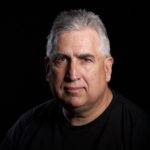
It’s a first for Nonprofit Radio! Role reversal. Guest Stephen Christopher Nill leads the conversation and interviews Tony about his book “Planned Giving Accelerated: The Cut Through the Sh!t, No-Nonsense, Practical, Step-by-Step Guide to Start Legacy Giving Fundraising at Your Small to Mid-Size Nonprofit Simply in One Week with Bequests (The title may be longer than the book. Did you need a nap?),” launching on 15 September. A major part of the book is the 3-Step, 1-Week Planned Giving Launch.
We’re the #1 Podcast for Nonprofits, With 13,000+ Weekly Listeners
Board relations. Fundraising. Volunteer management. Prospect research. Legal compliance. Accounting. Finance. Investments. Donor relations. Public relations. Marketing. Technology. Social media.
Every nonprofit struggles with these issues. Big nonprofits hire experts. The other 95% listen to Tony Martignetti Nonprofit Radio. Trusted experts and leading thinkers join me each week to tackle the tough issues. If you have big dreams but a small budget, you have a home at Tony Martignetti Nonprofit Radio. View Full Transcript
Welcome to Tony Martignetti Nonprofit Radio. Big nonprofit ideas for the other 95%. I’m your aptly named host and the pod father of your favorite hebdomadal podcast. Oh, I’m glad you’re with us. I’d be stricken with pulsatile tinnitus if I heard that you missed this week’s show. Here’s our associate producer, Kate, to tell us what’s going on. Hey Tony, here’s what’s going on. Planned giving accelerated and the Martinetti three-step one-week planned giving launch. It’s a first for nonprofit radio. Role reversal. Guest Steven Christopher Nill leads the conversation and interviews Tony about his book. Planned Giving Accelerated. The cut through the shit, no-nonsense, practical, step by step guide to start legacy giving fundraising at your small to mid-size nonprofit simply in one week with bequests. The title may be longer than the book. Did you need a nap? Launching on 15 September. A major part of the book is the 3-step 1 week planned giving launch. On Tony’s take 2. My book is here. Here is Planned Giving accelerated and the Martinetti three-step 1 week planned giving launch. Woohoo! It’s a pleasure to welcome back Steven Christopher Nill, JD who founded Charity Channel in 1992 and built it into one of the world’s largest online communities of nonprofit practitioners. Through charity Channel Press, he has published dozens of books on fundraising and nonprofit governance. Across 4 decades inside development offices and advising hundreds of nonprofits, he has helped raise billions of dollars. You’ll find him writing weekly to development professionals at charitychannel.com. Steve is also on LinkedIn. Steve Neil, welcome back. Tony, it’s uh, it’s always fun to join you on your show. You’re quite a character and I always have a good time. So thank you for having me back. It’s my pleasure. Um, I, I don’t mind being a character. That’s, I, I, I, I, I’m, I’m gracious, I’m grateful for that. Thank you. Um, we’re, so we’re running this episode very differently. This is a first. I’m the guest. Steve is going to lead the conversation. He’ll interview me about my book, Planned Giving Accelerated. You’ve heard rumors about that book, which launches on 15 September, the week we are releasing this episode. Steve I’m in your hands. Tony, um, well, first of all, as you know, um, I’m a publisher and technically still am, although I, uh, not accepting new titles and most of the titles I published are in the rearview mirror now, it’s been so many years. But I have to start with the amazing title of your book, um, the Plan giving accelerated Part. Um, is, is something that even even Wiley might like, but then. The elephant in the room, your subtitle. The cut the. Can I, can I, exclamation point. Oh, no, we say shit now. Let me, let me do it. Uh, comma, no nonsense, comma, practical comma, step by step guide. Longest subtitle I’ve seen in a book, maybe ever, and, um, that, and, and that, that would have had to have given wily acquisition editors. Wait, you didn’t even give it full justice. So let, let me go. OK. It, it’s, it’s planned giving accelerated. The cut through the shit, no-nonsense, practical, step by step guide to start legacy giving fundraising. At your small to mid-size nonprofit simply in one week with bequests. The title may be longer than the book. Did you need a nap? That is so long that I, I didn’t even think that was the the real whole title. And so I, that’s why I left it off. And now that I’m, I’m looking right at it, I see I screwed that up. It, it’s like unbelievably long title and it’s so, it’s so much fun and Um, it tells me right off the bat that this is that I’m gonna be reading and I did a down to earth, um, just a very real, real book on plan giving. And I have to say, even though my press has published more than a few titles on, uh, plan giving and major gifts over, over the decades, um, And we’ve always tried to be down to earth too. You, you take the cake. This is, this, this got my attention. I, you almost made me want to go back into publishing, uh, just to be able to publish your book, but, um, couldn’t quite pull that trigger. But congratulations to you on writing the book you wanted to write because obviously, um, and I understand there’s quite a story behind the whole Wiley thing and But you you’re not gonna tell it without sitting in a bar somewhere with some wine, apparently, um, but I I bet it’s a delicious story and they really missed out if they didn’t pick this up because this is really something. I really, really mean that. It’s a very good read, very enjoyable read. Not something you expect on on a topic like Plan giving. So why don’t we start with this question? From your perspective, what is plan giving fundraising, and what’s its value to nonprofits? And I, I would not normally ask that question because everyone kind of has an idea of what that, what the answer would be, but I don’t think they’re ready for the answer you would give it, so go for it. First, as, as a guest here, I, I, I wanna do what I do when I’m a guest on anyone’s, uh, podcast. I, I thank them. So I, I thank you very much for leading the conversation, uh, uh, here on nonprofit Radio. Thank you for your willingness to do this. You volunteered and I, uh, immediately thought that was a great idea and, and here we are. So, um, um, thank you. Um, thanks also for recognizing the fun. And the accessibility of the title, that’s, that’s why I’m having fun with it. That’s why it’s the cut through the shit, no-nonsense, practical, etc. etc. Um, did you need a nap book? Uh, yeah, uh, I want folks to know that this is, this is accessible planned giving. This is practitioner level, not academic. The, uh, this is a book that you’re not gonna find it, uh, Columbia University, uh, nonprofit fundraising management, uh, master’s degree curriculum. They’re not, they’re not gonna, they’re not gonna make this book part of their coursework. Uh, but it, I didn’t write it for them. It’s for practitioners. Um, and there’s a little side story too, the, the two major nonprofit, uh, sort of, I think, legacy media outlets, uh, refused the book. They wouldn’t, they wouldn’t excerpt it, they wouldn’t review it. I guess they, they believe it has to be, uh, an academic tome to be worthwhile, uh, in their limited minds in their limited scope of what planned giving is. So that’s, that’s ancient thinking, uh, and that’s what I’m fighting against with the audacious title and just the whole idea that you can have fun with planned giving. And it can likewise be easy, uh, and accessible and affordable. So thank you for recognizing that. And, and I, I didn’t forget your questions, but thank you. Well, I want to thank you. Um, we, we resonate on that because the whole reason I started Charity Channel Press was to find authors like you who, who were very down to earth. And, and just didn’t try to gussy everything up in academic prose all the time and that’s, uh, so you’re kind of my hero. I really. Let me ask you though, I, I know I, I, you, I didn’t answer your first question. I’d love to get into the myths of plan giving. All right, I didn’t answer your first question though. Did you, did you want me to go ahead. I’m still answer your first question. I, I took an elaborate, you know, I was, I’m being, uh, I’m trying to be a gracious guest. I’m, I’m being thankful. Um, yeah, the value of planned giving, uh, it, it’s sustainability. Uh, start that with endowment growth, lots of planned gifts, and the one that I focused on in the book, gifts and wills, come as lots of, I mean, the vast overwhelming majority of gifts and wills come as the most desirable type of gift any nonprofit can get, unrestricted cash. And I recommend putting as much of that unrestricted cash as possible. I realize there are constraints. We gotta keep salaries paid. We gotta keep the rent paid, etc. but as much as possible, put that into endowment, which helps create and support your, your mission’s sustainability in your community. And for a small nonprofit or a medium sized nonprofit who I, I gather those are the two, markets that your, your book written to, I shout them out in the title to at your small or mid-size nonprofit. I’m promising this is, this, this book is for you in small and mid-size shops. And so building, building an endowment may not even be on their radar screen by the time they pick up your book, but after they’re done reading it, I think they’re going to be able to see that they can do that and you’re showing them the way to do that. Is that right? Exactly. Yeah. If you have zero endowment, like I, I, I say, and, uh, like Grandpa Martinetti used to say in his broken New Jersey Italian accent, none you worry. None you worry. You, if you have a zero endowment, you, you, everybody, every nonprofit had a 0 endowment at some stage, you can launch. You can launch with those first planned gifts when they come to fruition. This is, it’s doable. It’s very, very doable for small and mid-size nonprofits. I guess what I, what I’d like to get, get into a little bit here is if, if I, I’m and I have, I have started some small nonprofits and and um have been in that role myself. If, if I’m, if I’m seeing executive director, um, maybe we do or don’t have a development person on staff, probably don’t in some, in many cases. And, and I think about plan giving. I think about all these really super technical kinds of of things like charitable trusts and and. Um, calculating deductions and, and income streams and, and, and, and all that stuff, and I think, man, we are just nowhere near being ready for that. What would you say to that executive director, Tony? Yeah, they’re buying into, uh, one of Tony’s top 6 myths of planned giving. Uh, and one of those is that we have to offer lots of gift options. So that means we have to train up our staff on the, the, the, the plan giving methods you mentioned, and, and I often cite the, the nuances of a charitable remainder unit trust with net income makeup provisions. Which, which really does exist. Uh, yeah, so we, our staff has to get educated. We, we, we’re gonna need a year of professional development in planned giving before we can be confident to, to meet our donors and talk to them about planned giving. You, you’re, you’re buying into a myth that, uh, I, I despise. Um, it is, it, it’s a myth. It’s one of Tony’s top 6 myths. You launch your planned giving with the most basic, the simplest, the most easily understood planned gift there is. gifts in wills, also called charitable bequests, they mean the exact same thing. And there are 3 things about gifts and wills that are, are about wills that make these sort of universally understood, because nearly every American adult knows what a will is, how will works, and that they need to have a will. Those 3 things are in your favor, that they, along with, uh, 17 other reasons, because in the, in the book I have the Martinetti, 18 reasons why. Gifts and wills are the place to launch your planned giving. So I don’t just have one reason. There are lots of reasons why gifts and wills are the place to launch planned giving for, for small and mid-sized nonprofits. You listed 18 of them in the book and um with the first one being they’re the most popular plan gift by far. Uh, is that true? Wills, um, gifts from wills outpace a charitable remainder trusts or life insurance trusts and things like that. Yeah, by far, um, you, you, you, you’d expect to see at least 75% of All the planned gifts in, in any planned giving program. You can name the, name the largest nonprofits you can think of in the country, uh, uh, Harvard with whatever $50 or $70 billion dollar endowment or go to the other coast, uh, the University of California system or Go to the University of Chicago or the Cleveland Clinic or go to down to Texas, University of Texas system. Um, where in, where, where can we pick in the heartland? I don’t know, University of Missouri, University of Oklahoma, um, Wyoming. At least 3/4 of the planned gifts in, in any of those programs are simple gifts and wills. And in some smaller shops that I’ve worked with, I’ve seen it be as high as 90% of all the gifts are these basic, simple, charitable bequests, gifts and wills. Yeah, by far the, the most popular. So, if, if I’m a, if I’m running a small to middle sized nonprofit, Tony, what would be reasonable for me to expect in terms of um what my agency will receive over say 5 years if I start a program and according to how you suggest doing that in the book, how should I view that? Uh, well, in terms of dollars, uh, the dollars received, I mean, gifts and wills mean that this is cash to your nonprofit when that planned giving donor has died. So, this is long-term fundraising. I make that very clear. Uh, so 5 years, there are metrics, we could talk about what metrics you might use in the, in those 5 years, but, you know, the likelihood of someone dying. In those 5 years, uh, I guess it’s kind of small, unless someone very elderly in their, maybe in their 80s or 90s has put you in their will, because you’ve launched Plan giving and they were one of your top prospects. So that’s a possibility. But, you know, folks in their 60s, 70s, 80s, they’re most likely gonna live at least 5 years. So, you know, the, the, the dollars realized would be, wouldn’t, I wouldn’t expect to realize many planned gifts in just 5 years. If you want, so it’s a longer scope, but it’s mentioned in the book, the average charitable class is $35,000 right? The average is $35,000 in the US. Yes. Um, it’s just that you have to wait, you know, for people to die for this to become cash. So, again, very clear, this is long-term fundraising for your nonprofit. So, if, if I’m, if I’m looking at a program like this, and I have all of the needs of uh of, of a smaller middle-sized nonprofit in front of me, uh, obviously current giving is gonna look very attractive to me. But to the extent that, that I want to start building an endowment or, you know, providing for the future, I’m not gonna have a lot of assets to invest to do that. I’m not gonna be able to train staff and, and do all the things that I would think of as a plan giving program. But you turn that on its head, you make the argument. Very well, that the investment is really low to achieve the results you’re talking about. Tell us about that. You’re, you’re, you’re kind of, uh, like pecking at the Martinetti 3-step 1 week planned giving launch. It’s, it’s 3, the 3 steps are, are the 1st 3 chapters of the book, and, and they’re all identify your top prospects. That’s step 1, right? Yes it is. I read your book. Launch with gifts and wills. That’s Step 2. That’s chapter 2. Step 2, yes. And then cultivate and solicit your top prospects. Step 3, right? That’s right. Those are the 1st 3 chapters of the book. Within a week of reading those 1st 3 chapters, you can launch planned giving at your nonprofit because launching means. You’ve had your first conversation. Whether it was a cultivation or solicitation, that’s gonna depend on the, the top prospect who you had that very first meeting with, depending on what stage your relationship is with them. But that’s the launch. There’s not a campaign. There’s not a press release, there’s not a four color brochure even. You don’t need a web page. You don’t even, you don’t need a website. You don’t need a web page. You just start having conversations with your top prospects and of course I talk about step one, how to identify those top prospects. But you’re right, it’s not, not only is it not expensive, it’s just, it’s, it’s wildly affordable. You have everything you need. You have the data in your CRM database to get the top prospects. You’re just gonna go query on longevity and consistency and loyalty of giving. And of course, I go into a lot more detail. And then you start with gifts and wills, and that’s where I make the case with the Martin Etti 18 reasons why gifts and wills are the place to launch. So you know you’re, you’re comfortable starting with gifts and wills, and that’s, that’s the, that’s the primary, actually, more than the primary. That’s the sole focus of your marketing and promotion, which, uh, I get lots of marketing tips in another chapter. And then step 3, that’s where you actually start having the, as you said, the cultivation and, and solicitation conversations with those top prospects you identified in step 1. You have everything you need. You have the data. Now you, now you know to start with gifts and wills, and you have the relationships. You’re talking to people who love your work. We know you’re, we know they love it because they’ve been supporting it for, for 1520, 25 years in some cases. Those are your loyal, committed donors that you identify at step one, chapter one of the book, and you open the conversations with those folks. That’s your launch. Conversations with committed loyal donors about a gift in their will, celebrate that. You’ve launched Planned giving when you’ve had that first conversation. That seems so simple. Um, I, you know, you, you and I have, have a lot of years in the planned giving arena and we know how complicated things can get. Um, I hate that. I hate it. I, I get that. I get that you hate that, and you’re starting to make me hate that too, even though I love the, uh, I love the technical aspects from my, from my own career, but You make this really accessible by focusing on. The, uh, sort of, I’m not even gonna call it the lowest rung of the ladder because frankly, it’s the lion’s share of gifts that come through it, so that doesn’t do it justice. And it’s also the, the, the most direct and straightforward thing that you can ask somebody to do because everyone knows they need a will and You don’t have to tell them what it is, and yet if they salt your organization in there as a bequest, um, your, your organization at some point is going to receive a significant gift, right? I mean, it’s, it’s just so accessible. That’s what amazed me about, about, um, your approach. Yeah, I, that’s, that’s exactly what I want folks to recognize that it is accessible and affordable and easy for small and mid-sized nonprofits. Uh, you, you’ve, you just characterized it perfectly. So, I wanna hear about the um uh OK, let me, let me, let me say this. I laughed out loud and all kinds of places in the book, especially the footnotes and and I’m gonna confess here that my, my years as a publisher. Conditioned me to hate footnotes, Tony, and I even mentioned that to you not long ago. And I suspect that if, if I had published your book, you and I would have had to arm wrestle over, over footnotes and, and that would be my bad because as I look at it with fresh eyes. Uh, there is so much fun in the, in, in, in your humor that you, you would miss if you don’t read those footnotes. So I’m gonna, I’m gonna withdraw my, my stupid publisher’s knee jerk reaction about footnotes and, um, eat my words because I was wrong. I was really wrong. And if, if you don’t read Tony’s footnotes, you’ve missed at least half the fun of, of his, of his book. It’s, they’re so fun and refreshing. Um, So tell us, I, I, I, I used to have this thing called Nil’s breakfast rule um back in the late 90s that I wrote about where I would take financial advisors, you know, uh financial planners, insurance people, bankers, real estate people to breakfast every morning. And Um, cultivate them to, to, to send me clients, nonprofit, um, or potential clients who would make major gifts to, to nonprofit organizations. I call that Nils. Breakfast rule and, and it, you know, it was a key, a key thing that led to my success in that, in those, in those days. Then I read Martin Etti’s meal plan and you’re like, wow, I, I had to learn what that is. So why don’t you tell us what is Martin Etti, what is the Martignetti meal plan? Uh, thank you. Yeah, um. MEAL is an acronym in, in that, uh, which stands for Meals Expertly Allow Learning. I, I put this forth because I love doing donor and prospect meetings over meals. I, I’m an Italian guy. Food is very important to me, but beyond my love of food, I think there’s real value to having meetings over a restaurant meal. It doesn’t matter. Breakfast, you had your breakfast, you had your breakfast rule. I’m surprised you didn’t call it Breakfast Club. Neil’s Breakfast Club, like NBC or The Breakfast Club, like the Breakfast Club movie, the movie from the 80s, but you were just way more creative than I am. You had a rule. All right, you, it was a rule instead of a club. It’s more, uh, it sounds more authoritative as a rule than a club, um. So first you start with the shared space. We’re, we’re, we’re sharing a physical space, a table. I’m not talking about sharing meals. I don’t, I don’t pass my, my, uh, my lunch over to, to the donors to share, no, but we’re sharing a physical space. So I feel like I’m in community with a donor or maybe it’s a donor couple, you know, they may be spouses or partners I’m meeting, but usually it’s one on one. I feel like I’m in community with the person because we’re in a shared physical space. We’re sharing that table. And then the other advantage. Is the, the, the understood. Just the universally recognized cadence of a restaurant meal. We know when there’s gonna be a short pause, like after the server takes the drink order, and the drink might, you know, it’s something that’s not necessarily alcohol, it might be iced tea and water. We’re, we’re, you know, but then we’re gonna have like 3 or 5 minutes before the beverages come. Um, and then they’re gonna take our, that’s a short break, so you can kind of pace your conversation around the, the milestones and everybody understands what the milestones are. Both, everybody at the table knows because every, every, every adult knows how restaurant meals get, get paced out. Uh, and then you know, after you give your entree order, then you’ve got about maybe 10 minutes when the entree comes, so you pace yourself around that. And then when the entree comes, then you know if you’ve got 1520 minutes while you’re eating your entrees. So, the, these milestones, you can, as the professional fundraiser, kind of time and pace your, your conversation around them and, As the server comes, these are sort of natural valuable breaks. Maybe you want to shift the conversation. Maybe you want to, maybe you don’t, but you can use those breaks as a, as a pivot opportunity because there’s been the, because the server has come. So, I, I think between the, the shared space and being in community and the understood and, uh, universally recognized cadence of a restaurant meal, I think there’s a big advantage around, um, you pacing your conversations at, at restaurant meals. I, I am quick to add though, For some folks who may not be comfortable with that, maybe they don’t like the idea of a social setting for this, for this conversation or for any of their donor prospect meetings. Uh, maybe they’re worried about alcohol, like if, if my donor orders alcohol, do I have to, but I don’t drink or I don’t want to drink at a business meal or awkwardness around who’s gonna pick up the check. If there’s anything that concerns you about doing this in a restaurant, then don’t. Then you, you do it the way you do meetings best. Your office, their office, their home, those sound like the most three likely or it could be some other, some other place that’s, that’s not a, a, a, a restaurant. You do it the way you are most comfortable, for sure. I just, I, I put forth the, the Martignetti meal plan because I see value in it and I wanna share it with the readers. Well, that makes it very down to earth and and and practical, doesn’t it? And I think that’s brilliant. I really do. It’s time for Tony’s take 2. Thank you, Kate. My book is here. 15th of September. That’s the launch date. You can get it. It’s at Amazon, it’s at Barnes and Noble. You just look for planned giving accelerated. And it will come up. Hard copy version, paperback version, Kindle version. I’ve got you covered. The audio version will be coming, but not for a couple of months. audiobook version, that, that, that, that’s coming later. Right now, hardcover, paperback, Kindle. Amazon or Barnes and Noble. Wherever fine books are sold. Woo. Uh, my gratitude again to Steve Nell for this week’s show, for interviewing me about the book. You know, it’s, it’s been a journey. And uh you’ve been along with me. I’ve shared all about my, the process, the editors. The legacy media that turned me down. Different milestones through the journey. So I thank you for being with me through the journey too. Somehow I feel like it’s not quite over. I don’t know why. It just feels it’s too abrupt. It can’t really be done. I mean, it is done, but it’s done, but it’s not over. See, it just feels like there’s gonna be more to, more to say about the book. We’ll see. Just feels that way. So, but the book is here. Wherever fine books are sold. Barnes and Noble and Amazon. And that is Tony’s take 2. Kate. Congratulations, Uncle Tony. This is a very big milestone. Um, also, this is the first time I think I’ve ever said your book’s name all the way through. It’s a lot of fun. That’s the idea. Thank you. Thank you for your good wishes. Um, yeah, that’s the whole idea. I want people to see in the, in the, in the title. What’s it called? The title, that’s what the, that’s the word. That, uh, this is a fun book. Absolutely, absolutely. A lot of good humor in there. I think you should say it one more time all the way through, real quick. You do, huh? OK, I won’t turn you down. Planned giving accelerated, the cut through the shit, no nonsense, practical, step by step guide to start legacy giving fundraising at your small to mid-size nonprofit. Simply in one week with bequests. The title may be longer than the book. Did you need a nap? Thank you. We’ve got Beu butt loads more time. Here’s the rest of Planned Giving Accelerated and the Martinetti three-step, one week planned giving launch with guest host, Steven Christopher Nill. I want to kind of circle back to to the myths of planned giving because. You know your book is about plan giving, but it is not. It doesn’t accept the the normal sorts of approaches to plan giving that you read in so many, so many books that are published on on the subject and I’ll be honest, I published a couple of those myself, um, you know, so I’m right there too, and You, you start with plan giving is not only for wealthy donors. Explain that. This is ideal, Steve, for your, your modest donors, your, your donors who make small gifts during lifetime, because there’s no lifetime cost to this. This is, this is gonna come from their estate. At their death, there’ll be a gift of cash to your nonprofit. So it’s ideal for modest donors, and you’re making a huge mistake. You’re leaving a lot of money on the table. If you think this is only for your major donors. Your wealthy donors, your board members, maybe, if they’re wealthy. Yeah, they’re good prospects. They could be very, very good prospects. But they are not your sole prospects for planned giving. It is not wealth-based. Someone who makes gifts like for the durations that I was talking about 1520, 25 years or more in some nonprofits. If, literally, if their average gift was $5 and they’ve done that all those years. And even if they lapsed a couple of years in the past, you know, but they came back, they’re not currently lapsed. Then they are an ideal prospect for planned giving, for a gift in their will. They think about you all the time, year after year after year, right? Even at a $5 level. Odds are they wish they could give more while they’re, uh, while they’re living, these lifetime gifts. But for whatever reason, they give at the $5 level, but they do it so regularly and they’ve been doing it for so many years. They’re a great plan-giving prospect. So, you don’t wanna make this only for your wealthy donors. That’s, that’s a big mistake. Like I said, leaves, leaves a lot of money on the table from, from very modest donors because That this kind of gets into something else I talked about the planned giving multiplier. People have so much more capacity to give through their estate than they do their income while they’re living. They don’t need it anymore, right? They don’t need it anymore. It’s now going to their dear loved ones and to your nonprofit, if you’re asking them. So, um, they, they have a lot more wealth in their estate, and you just don’t want to make assumptions, uh, uh, around what someone’s wealth is based on their lifetime giving. That’s a huge mistake. I’ve seen. Donors with a, like a $1500 total lifetime giving, not annually, total lifetime giving, $1500. 6 and 7 figure gifts uh in, in their wills. And that’s the multiplier. How many more times. Uh, a gift in someone’s will is greater than their total lifetime giving. So, in that case, you know, the multiplier can be in the thousands. Well, myth two is plan giving is too complicated. Uh, boy, oh boy, that is the accepted truth, um, out there, isn’t it? I mean, that’s, that’s got to be the closed door you’re trying to pry back open, right? Yeah, it’s not complicated when you launch correctly. Um, you don’t even give the language that somebody can drop into their will. Actually, I appreciated that. It was very practical in that regard. Simple bequest, yeah, a simple bequest. That is really not complicated. take it to their lawyer, but When it comes down to it, it’s a, it’s a single clause in a will, and you give them the sample language that they take to their lawyer. Yeah, either go to your lawyer or some folks complicated, yeah, or, or some folks are doing it online now, more, more online now than do their will online. But either way, yes, I give them a, I give you a sample bequest paragraph for, for you to share with folks to drop. Into their will. Uh, yeah, that’s it, you know, it, it is simple, Steve, and I, I, look, I, I don’t want to diminish the other planned gifts. I, I talk about them, I stuff them into, not even a chapter though, an appendix. All the, the gifts of life insurance and the charitable trusts you were talking about and qualified charitable distributions and, and gifts from IRAs. Well, that is a qualified charitable distribution, naming beneficiaries, all those, all those other valuable gifts. But that’s not where you launch. That’s not where you launch. You launch with the simplest, the most common, the most popular planned gift by far. And again, I’ve got the 18 reasons why in the book, why you start with, with gifts and wills. So, Those other plant gifts can be valuable, but you can go into those in future years if you want to. But just take comfort knowing you don’t have to. You can have a wildly successful planned giving program 20 years from now, and all you’ve ever done is promote simple gifts and wills. Let’s go to myth 3. Plan giving requires expertise, um. So here, here I am, uh, an attorney who spent decades, um, in the field and, and, uh, uh, I, I felt it took a great deal of expertise, but you’ve debunked that myth and I, I think that’s really interesting. Tell us why it doesn’t require expertise. Well, I’m with you. I, I, I’m a former attorney and I’m a current planned giving consultant, and I, I, I’m telling you, you don’t need an attorney or a consultant, and I don’t mean just on staff, I mean on your board, as a consultant, as an advisor, you don’t need them. Uh, because you’re keeping it so simple. You’re talking about gifts and wills. Everybody understands, again, what a will is, how wills work, and if they need to have one for themselves. Those three things are in your favor. You don’t need a consultant. You don’t need a lawyer. You don’t need expertise at all. You just need what you’ve already got. The data in your database. Knowledge that you launch with gifts and wills and the relationships, that’s where you start with those cultivation and solicitation conversations with your top prospects. You have everything you need in-house. You don’t need anything more. And your fourth myth you’ve you’ve addressed, which is plan giving means offering lots of, of gift options and you do, as you say, um, move the more advanced, uh, concepts and, and, and techniques into an appendix which I appreciated very much because. You’ve made the case so well that a bequest program is really going to be very powerful and very attainable. And so, getting into the more exotic instruments, which require a tremendous amount of of expertise, but produce a relatively low amount of um results compared to the simpler bequests. Um, I thought that was brilliant and, um, so, so myth number 4 is, is totally busted, um, and even with me, and I, and I completed a lot of structured gifts that were very complex over over the years and Uh, and even I saw that, you know what, a bequest program gets you what, 80% of the way there with like 5%, not even that, of, of the resources to do. I made those percentages up, Tony, you, you’d have to correct me, but small amount of resources with a whole lot of leverage in terms of results with the, with the bequest program. Yeah, you just start having meetings with those top prospects that, that you identify in step one. And again, those, you know, I had some early readers, you know, the beta readers, uh, a couple suggested that I take out all the, uh, I originally had them when I was at the early writing stage, I originally had a chapter devoted to all the, all the gifts beyond bequests, and some of those early readers suggested I remove the chapter because it’s contrary to my, my thesis that you don’t need them. Uh, they felt like they’re, they’re unnecessary. You make a whole case. All you need is bequests. And then, you know, you, and then you, and then you add in all the, all the others in a, in a chapter. So I, I took the advice halfway. I relegated them to an appendix. It’s sort of, it’s a resource so that if someone does talk about another type of gift that they are interested in, or in a couple of years, I say, I suggest like after 2 to 3 years of devoting your planned giving program. To bequests, then if you wanna expand, you’ve got the resource in in the appendix. um, those gifts can be valuable but not for launch at a smaller mid-size nonprofit Steve we just, we’re trying to, we gotta stay focused we’ve got bandwidth constraints we’ve got budget constraints. I guess bandwidth and capacity are the, are the same thing. So, Small and mid-size shops you focus, you focus on what’s essential. Identify your top prospects. Start with gifts and wills. And cultivate and solicit those top prospects. 3 steps. That’s the way to launch. Now, uh, myth 5 plan giving will hurt our other fundraising, um. Talk about that. Yeah, also untrue, like, like the others, um. I’ve seen through the years, I’ve been doing planned giving since 1997, I’ve seen probably thousands of people who have made a planned gift commitment, a gift by will. Let’s focus it on gift and will. A gift by will, and they’ve increased their other giving to that same nonprofit. Now, Those are anecdotes, um, almost 30 years’ worth, but still anecdotes. So you, you can, uh, rely on the, Quantitative research of Professor Russell James at Texas Tech University, who wrote the foreword for your book. I’m very grateful. He, he signs on to the, to the easiest, the, the, the way to launch planned giving at a smaller mid-sized nonprofit, keeping it simple. Yes, he wrote the foreword. I’m very grateful for. Um, and he has quantitative research. So one of his studies, his, his, his area of research at Texas Tech is planned giving fundraising. That’s what he studies. And he has a study that showed that, uh, for folks who make a gift commitment, uh, a gift by will, promise, On average, 75% of those folks will increase their other giving to that same nonprofit. So during their lifetime, during their life, yeah, but lifetime giving on average 75% will increase. So the myth, uh, that myth like all the others, uh, falls. Well, and the final myth, actually not the final one, let’s see, you have 6 myths or 7, 6, 6 myths. Um, Tony’s Tony’s top 6 myths of, uh, playing. Um, Tony’s top 6 myths of plan giving. And the 6th 1 is, it’s, it’s, it’s the dreaded death conversation that, that you’re talking to somebody about their, their death. It’s really uncomfortable. They don’t want to talk about it. You don’t want to bring it up. And that’s what this is all about. That’s the myth. What’s the truth of that? Yeah, this one is particularly heinous to me. Um, I, I’ve got the top 6 myths. I put 5 of them in one chapter. This one, It is so, uh, so hateful, uh, and so insidious that I devote its own short chapter to it, that this is a death conversation, as you said, and we just, I flipped that on its head. It’s a conversation about life, the life, the life, longevity and sustainability of your nonprofit’s work in your community. Because Steve, that’s what. You as the professional fundraiser or readers have in common with long term loyal committed donors, the love of your work, we know they love it because they’ve been supporting it for in some cases decades, we know you love it because you’re fundraising for it. So across all the things in this country currently that could divide us, whether that’s politics or age or geography or gender or identity or. Whatever You have this in common. You both love the work and the planned gift that you’re talking about, the simple gift in the will, is designed and is going to prevent the ugly future where your work ceases in your community 25, 30 years from now. You both know, you and your donor, your long term committed donors, you both know how important the work is in the community and that it has to survive, so. Again, put the myth on its head. It’s not at all about death. You’re not talking to folks about their death. You’re talking about the life and longevity of your work in your community. That’s powerful. That really is powerful. That’s the focus of the conversations, every one of them. Well, Thank you for debunking those six myths, some of which I signed on to, um, myself, and, uh, I, I’m looking at it from a completely different perspective and that, that’s super, super interesting and valuable. And even though you write in a really down to earth kind of no BS way, Tony, and just call it like it is. You’ve got some profound things in in here that surprised me and delighted me to read and really made me think, and I appreciated that, um. And anytime I thought you were getting a little bit too, too technical or something, which was very rarely, I just go read one of your footnotes and start cracking up. So, you know. I’m glad the footnotes work for you. They, they do, they do. I worry that, I worry that, um, there’s so much fun that they take you away from reading the, the, the other parts of it, but in, in the, in the final analysis, the, the whole book is, is a package that, and it’s, it’s pure, Tony, I mean, I don’t, I, I haven’t spent a lot of time with you, but when, when I have, you, you’ve got this. A sense of humor that I’ve come to appreciate and it comes through in the book so well and it, it’s the opposite of a dry book on plan giving. I mean, this, even if you didn’t care about plan giving, it’s a fun read, to be honest, and, uh, I, I really recommend it highly. I really do. And, uh, and then once again, I find myself wishing I’d published it. Oh, you’re very gracious. Thank you, Steve. Thank you. Well, it’s, I mean it, and I, I guess. I, you know, I, I’d like to. Find out, um. Your thoughts on where you want to leave folks, before we we close this this this time together out, um. And also I’d like to make sure we mention where people can find your book once it’s launched because that’s important too. I, I, what I’d like to leave folks with is, is. The willingness to shift. The mindset that planned giving is Undoable, uh, it’s inaccessible. It’s out of reach for small and mid-size nonprofits that this is only for big medical and education institutions. That’s false, categorically false. I’ve done it for years working with small and mid-size nonprofits, launching and growing planned giving programs. That’s, that’s why this is the Martinetti three-step one week planned giving launch. I mean, that’s the, uh, I, I, I want you to understand that you can be very, very successful at planned giving in your small or mid-size nonprofit. That’s, that’s why I name you out, call you out in the. I guess I should say shout you out. And sometimes I, I get the, the colloquialisms all wrong. It’s a shout out, right? Not a call out. Call out is bad. I shout you out in the title. The book is for you. You in your small or mid-size nonprofit can be wildly successful at planned giving. Focus your launch, 3 steps, the 1st 3 chapters of the book. So I’d ask for a mindset shift that we can’t do it. It’s, it’s, it’s not for us. That’s, that’s wrong. That’s wrong. And I, I, The book proves it to you and it sounds like you’re convinced, Steve. Um, so I, I thank you for recognizing that when you’re launching, you stay focused in your small and mid-size nonprofit, and you can be very, very successful at planned giving. So thank you for recognizing that too. Well, you made it, you’ve made it very attainable by a busy, harried, uh, small nonprofit staff, however large that staff may be, usually under-resourced. And you’ve really eliminated any possible reason not to launch such a program, Tony. I really, um, commend you for that. And I’m assuming, uh, oh, I wanted to ask you, you also, besides the book, you also offer a course on this. So tell us a little bit about that too before we, uh, I can’t be too, yeah, the, the course will be maybe next year. I thought I was doing, I thought I was doing both, became too much. Uh, I, I, I was too ambitious. So, well, maybe I’ll interview you, uh, when that’s launched. I’d love to, by the way, if, if it’s available to do that. Um, absolutely. Folk, let’s we’re now I’m, I’m focused on the book this year. So we’re focused on the book and you asked where you could get the book. Um, you, uh, it’s wherever fine books are sold, um, which means Amazon and Barnes and Noble in our, in our times. All the book info you can find at plannedgiving accelerated.com. Starting September 15th, that, well, this, when, by this, when this comes out, um, on the 15th, the, the, the, the sale links at each of those, you know, at Amazon and Barnes and Noble will be at that site. So you can either go right to the sellers or you can go to plannedgiving accelerated.com. OK. Tony, this has been a pleasure. Thanks for letting me turn the tables on you. You, you normally interview, uh, everybody and, and you interviewed me, uh, once, and, um, thank you for letting me, uh, interview you. This was fun. I hope you’ll do more of this, uh. Um, if you’re, you know, hopefully, uh, uh, somebody else would like to do that too, but I’m certainly willing to come back and talk to you about the course once that launches. So anyway, OK, I’m not, I’m not sure. Uh, it’s, it’s a little awkward, but, uh, it’s still fun. I don’t mean, I don’t mean that it’s fun. It’s just, uh, it’s awkward, uh, but, uh, it’s, it is fun, and I, I thank you again. I, I thank you for your willingness to do it. You, you volunteered. It was your idea and, uh, I, I, I thought it was a great one. So I, I thank you very much for doing this, Steve. Oh, you’re very welcome, Tony. Thanks for thanks for being a good sport about it too. I hope others other people have enjoyed it as much as I have. Next week There’s been too much going on. We just don’t know. Absolutely. Lackluster host, uh, just, there’ll be a show, I promise you that. If you missed any part of this week’s show, I beseech you, find it at Tony Martignetti.com. Our creative producer is Claire Meyerhoff. I’m your. Uh, I don’t know who I am. Got too excited. Our creative producer is Claire Meyerhoff. I’m your associate producer Kate Martinetti. The show’s social media is by Susan Chavez. Mark Silverman is our web guy, and this music is by Scott Stein. Thank you for that affirmation, Scotty. Be with us next week for nonprofit radio, big nonprofit ideas for the other 95%. Go out and be great.

 It’s a first for Nonprofit Radio! Role reversal. Guest Stephen Christopher Nill leads the conversation and interviews Tony about his book “Planned Giving Accelerated: The Cut Through the Sh!t, No-Nonsense, Practical, Step-by-Step Guide to Start Legacy Giving Fundraising at Your Small to Mid-Size Nonprofit Simply in One Week with Bequests (The title may be longer than the book. Did you need a nap?),” launching on 15 September. A major part of the book is the 3-Step, 1-Week Planned Giving Launch.