
Big Nonprofit Ideas for the Other 95%
I love our sponsors!
Do you want to find more prospects & raise more money? Pursuant is a full-service fundraising agency, leveraging data & technology.
Crowdster, online and mobile fundraising software for nonprofits. Now with Apple Pay mobile donation feature.
Get Nonprofit Radio insider alerts!
Listen Live or Archive:
- On Fridays at 1pm Eastern: Talking Alternative Radio and tune in
- Listen to the March 11, 2016 archived podcast
My Guest:
Eugene Fram: Policy vs. Paper Clips
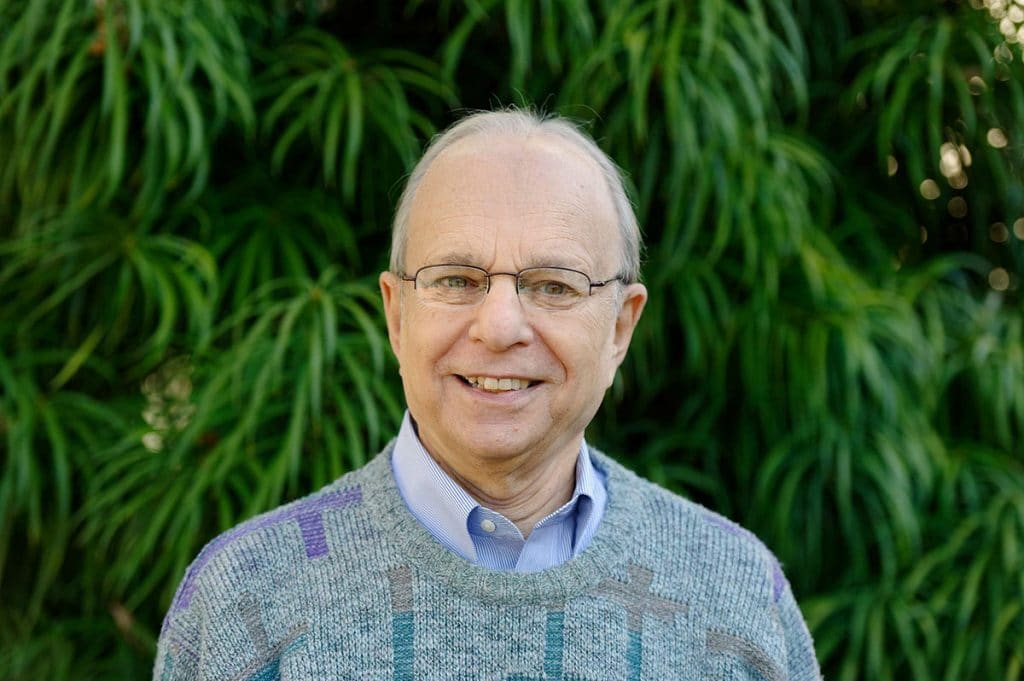
Eugene Fram is author of the book “Policy vs. Paper Clips.” He introduces you to a corporate model of board governance to cut out the minutia from agendas so your board can focus where it should, on policy and planning. He’s professor emeritus at Rochester Institute of Technology, (Originally aired on April 26, 2013.)
Top Trends. Sound Advice. Lively Conversation.
You’re on the air and on target as I delve into the big issues facing your nonprofit—and your career.
If you have big dreams but an average budget, tune in to Tony Martignetti Nonprofit Radio.
I interview the best in the business on every topic from board relations, fundraising, social media and compliance, to technology, accounting, volunteer management, finance, marketing and beyond. Always with you in mind.
Get Nonprofit Radio insider alerts!
Sponsored by:

View Full Transcript
Processed on: 2018-11-11T23:39:16.258Z
S3 bucket containing transcription results: transcript.results
Link to bucket: s3.console.aws.amazon.com/s3/buckets/transcript.results
Path to JSON: 2016…03…280_tony_martignetti_nonprofit_radio_20160311.mp3.291713623.json
Path to text: transcripts/2016/03/280_tony_martignetti_nonprofit_radio_20160311.txt
Hello and welcome to tony martignetti non-profit radio big non-profit ideas for the other ninety five percent. I’m your aptly named host. We have a listener of the week lynette johnson in virginia, she tweeted, listen to an old tony martignetti podcast with professor john list on the way to work today. Great stuff. Thanks. Thank you, lynette. That was from the february eighth twenty thirteen show and i’m gonna have to replay that one. I’m glad you brought it to my attention. That’s a very good that’s, a very good one. Lynette johnson, listener of the week thank you so much for your love of non-profit radio we have a new affiliate station welcome w l r i ninety two point nine fm in lanchester, that’s, lancaster and chester counties, pennsylvania. They’re a pacifica radio affiliate also non-profit radio is there on saturdays and sundays at ten a m welcome wlos tow our family of affiliates and welcome to the listeners in southeast pennsylvania. They’re in lanchester love it! Oh, i’m glad you’re with me. I’d bear the pain of osteo conroe dysplasia if i heard even a skeleton of the idea that you missed today’s show policy versus paper clips eugene fram is author of the book policy versus paper clips. He introduces you to a corporate model of board governance to cut out the minutia from your agendas so you’re bored can focus where it should on policy and planning. He’s, professor emeritus at rochester institute of technology and that originally aired on april twenty sixth. Twenty thirteen that’s a great shows from twenty thirteen on tony’s take two my dream realised we’re sponsored by pursuing full service fund-raising data driven and technology enabled, you’ll raise more money pursuing dot com and by crowdster online and mobile fund-raising software for non-profits now with apple pay crowdster dot com eugene fram coming up here he is from april of twenty thirteen of course i said lots of good shows from twenty thirteen. There were lots of good shows in twenty fourteen and twenty fifteen and we’ve had several in twenty sixteen also. So are you looking at the non-profit radio archive? Just go to tony martignetti dot com search whatever key words you need and all the shows related will show up. Here’s your jean fran, showing up my pleasure now to welcome eugene. Fran. He is professor. Emeritus at rochester institute of technology he’s, a consultant, board chair and volunteer director for non-profits he has authored a co or co authored more than hundred twenty five journal articles on marketing and non-profit and corporate governance, he wrote the book policy versus paper clips, which you confined on amazon to introduce a governance model that we’re going to talk about on twitter he’s at eugene fram f r a m just like the oil filter eugene fram, welcome welcome good morning to you. Good morning to you, it’s it’s morning in california on the day that we’re recording. Very early morning so thank you for joining me this early from the left coast it’s. My pleasure, jean are you are you part of the fram filter family bunny chance? Unfortunately i am not you’re not those things still around. I don’t own a car. I haven’t had a car for years. We are fram oil filters still around. Do you know what? I think? They’re still on the web? I seen them. Okay, you have but that’s, not you. I’m sorry on that’s. Not name that’s. Alright. I’m not part of the great martignetti liquor family in boston. And new england either. That’s. Okay, the both of us are suffering from famous names and chronic under representation in the in those wealthy families. Yes, we’ve been born with huge handicap. I’m still trying to overcome mind. I hope you have overcome your one hundred twenty five articles. Yeah, somewhat. But, you know, my ambition is to go to a thousand. Okay. Well, now that you’re in retirement, you have more time for that. But yes, that’s true. Professor emeritus jean what? What’s what’s happening with boards? Why? Why do you feel they are missing the mark? Well, boards from a governance point of view non-profit boards and from the government’s point of view frequently have retained the old, uh nineteenth or twentieth century model off of governance where the board has a multitude of committees and tries to eventually micromanage the uh uh, the staff in the process, nothing gets done or the organization, although it has potential as stunted growth. Ah, if it in that way, because volunteers like myself and again as i talk, i’m not talking as a non ah non-profit ceo or e d i’m talking as a volunteer director. We can’t be there. Day today, and we can’t, uh, manage the minutia that it’s no, are they not necessarily monisha or the work that really needs to be done and we can’t really manage truly professional staff, we can help, we can advise we can help. We have an obligation to set policy, but ah, but we’re simply part timers or some person has described that we’re birds of flight through the through the organization because we’re there, uh, traditionally three to six years, and the staff stays and works and works under different boards. Your concern is that despite the well meaning board on dh and individual members having great potential and the best interests of the organization heart, you feel they’re actually through these old models stunting the organization? Absolutely. And i think it could be proven when you look at any number of organizations which has suffered this way. Do you want to give an example or to, uh well, i’ve consulted with a number of them on, but i don’t want yeah, i’ll talk t o generalities specific organizations where, uh, the the board actually got ah, where the volunteers on the board actually got involved to the level. That they were they were managing departments. S o if the decision had to be made, the department had first went to the volunteer uh ahh advisor or whatever they call him at the time and then went to the e d with the advisers either decision or concern or whatever the department had wanted. So the organization didn’t grow until they finally change. They finally changed the model full time employees reporting to a parttime volunteer diver. Person. Exactly. Oh, my all right. Let’s, let’s. Start with the beginning of the process and we will get to the corporate model that you lay out in your book way. We’ll get to that let’s. Take a couple of discreet sort of time line points and along a board members life cycle with the organization like i’d like to start with recruitment makes sense, i think. What can we what can we improve around our board? Recruitment? Well, the chief executive officer where, whether they be a nadie or a president ceo, as i suggest, needs to have more contact with the board with the individual board members, i think. Ah ah, they have tto have more contact between meetings that has to be in often and formal. Ah, and they have tio they need to get to know each other. And i suggest, uh, that, uh, they actually made quarterly to informally discuss the concerns and the challenges that the chief executive officer is facing. I, uh there are various techniques for doing this. I recently read in the harvard business review, uh, a recommendation that the ah ah o r one for-profit ceo actually sends a e mail out to the board every sunday morning. Uh, just laying out very briefly, uh, in this case, his concerns about what’s going on in the organization and what new ideas? He has a c as he indicated in the article, he says, i don’t worry about grammar right now. Gina, i’m trying to focus on recruitment, so maybe maybe in in in this board meeting is often is you you’re suggesting they’re identifying gaps in the board and maybe they can try to fill those gaps with new board members? Yeah, that’s, right. Okay. And but as they’re going through that recruiting process to identifying skills that they need that the board is lacking, how should they be talking to potential? Board members well, they should talk to board members that what they do is to value their contributions of time, the most important thing, and they make ah, meaningful use off the board members time. Ah, they don’t ask the boardmember the potential boardmember to do frivolous things, uh, such as stuff envelopes or our or get involved with watching slide shows or commenting on slide shows as one that i’ve heard of s o that that they focus on, uh, they focus on the policy and the strategic issues of the organization. Okay, we’re going to take a break now, jean, and when we return, we’ll keep talking about the little about the life cycle of the boardmember and then we’ll get into the corporate model that you lay out in policy versus paper clips, so thank you, gene is going to stay with us, and i hope you do, too. You’re tuned to non-profit radio tony martignetti also hosts a podcast for the chronicle of philanthropy fund-raising fundamentals is a quick ten minute burst of fund-raising insights published once a month. Tony’s guests are expert in crowdfunding, mobile giving event fund-raising direct mail and donor cultivation really all the fund-raising issues that make you wonder, am i doing this right? Is there a better way there is? Find the fund-raising fundamentals archive it. Tony martignetti dot com that’s marketmesuite n e t t i remember there’s, a g before the end, thousands of listeners have subscribed on itunes. You can also learn maura, the chronicle website, philanthropy dot com fund-raising fundamentals, the better way. Oppcoll welcome back with jean fran, and we’re talking about policy versus paper clips and focusing your board where the attention, where its attention ought to be on policy and planning and things like that. So jean question about in the recruitment process, the expectations around time and fund-raising for potential board members were still now just talking about the potential member what should, what should a non-profit be revealing about time and fund-raising well, they first ought to be very clear about the time commitment expected, and they ought to delve into a deep discussion with the boardmember on this because i’ve just consulted with a organization that has recruited some very fine people who are working on people who are building their careers, and they lay out the they discuss the the time commitment for the organisation, but in the final analysis, after being on the board for three to six months of the people have, uh, huge work commitments, and they say, j i just can’t meet the time commitment. Oh, and so they had to restructure the board in a way that allows the chairman much more responsibility. I think that a board chair should have and what about the fund-raising expectations? Uh, well, not all board members will enjoy fund-raising. I think it’s necessary to find those who might enjoy it or have experience with it to make some commitment to it. Andi, do you want to see that as a dollar amount or more flexible based on the individual based on what the individual strengths are, if they have contacts? That’s one thing, uh, if if they have aa dollars to give or you are in the are able teo network with people of substantial wealth, that is another thing. Okay, but there ought to be. Do you agree with this one hundred percent participation personal at some level for for all board members? Yes. That’s necessary? Because foundations, when you go for grants often look at that as a board commitment, showing board commitment that they have made the financial commitment to the organization. Should these expectations be in writing for the potential boardmember? I think so. But i think it depends upon the culture of the board and they understandings that air developed at the beginning. If you, uh, if they, uh, if the board gets a lot of questions after after being on the board for a while about those commitments, maybe it’s necessary to put it in into writing, but not necessarily a legally binding tract of oh, no, no, no, no. Okay, but just something that here’s what we’re expecting and please, you know, indicate that you’ve reviewed it. So we’re all have well have consistent expectations, right? We’re all on the same page, okay? Eso then moving. Teo orientation. If you recruited the right people, what should board orientation look like? Well, orientation, uh, should take place. I would say over i again size and complexity of the board, about a six month period. Oh, and in the sense that there might be a half day or a couple our orientation about the organization and its mission is a go mission vision and values. Ah, and any other details that they they have to be concerned with. But then other issues ought to be, uh, brought up for the new board members as they as they progress through their first six months during this period, the, uh, the board chair and the ceo. I need to be readily available to answer questions from from the new board members, so that they become fully apprised of the issues as they go along a two day board, uh, section in which a lot of information is thrown at the person, uh, simply doesn’t stick its a matter of repetition, understanding and going through the process themselves. And as you know, we all learned best when the when the problems are immediately in front of us. For example, with board liabilities, a lot of boards will bring in a lawyer and and lay out the potential liabilities for a boardmember in their particular situation, uh, they hear a lot about the laws, but they if you’re not a lawyer, they frequently forget it. Uh, so when an issue comes up ah, that the that there might be a a personal liability in in the situation, it’s up to the ceo and the board chair to remind the new people and refresh the older people that this particular situation might be affected by this particular legal precedent. Would you put new board members on a committee right away, or would you keep them at large? I would keep, um, at large unless they have a strong desire to go on a committee and of course. A sze yu know i suggest that there are really only three committees needed. Yeah, on this is a way of getting into the corporate model. What are those three committees? Well, first that’s. Very simple. You have a planning and resource committee. Uh, that looks forward. It looks towards the strategic plan. It looks towards the resources that i have both human resource is and financial resource is it looks forward to the planning that is, that is necessary. It also has a special responsibility that the other committees don’t have. And that is to is teo monitor and mentor ad hoc committees. Any man, uh, if special issues come up of a strategic or policy nature ad hoc committee need to be formed for that particular issue clearly, because because we don’t, we only have three standing committee, so we’re going to get this right. We’re gonna need ad hoc committee, particularly everything. Ascot committed to take care of the issues. They come up, come up esso, and then that that their their their responsibility on the other side of the picture is the assessment committee and assessment committee simply assesses how we have done. Okay. Oh, and that includes the arctic function and the er in states such as california, where you need a separate audit committee. A subcommittee of that assessment committee performs the audit function, meets with the auditors this all seeds up to the to the executive committee. The third committee, which has the traditional executive committee duties of of ah, of acting for the board and emergency situations, and taking a final review off the various reports that air coming through before they come to the board. So it was, you say, have a board of twenty one people with seven on each. You will find that by the time it gets to the board through the process is the large part or nearly all the board are familiar with the issues they may disagree with with some of the proposals and have other ideas at the board meeting. But everybody is full of pretty much everybody is wholly informed. You say twenty one board members as an example. So this is can this corporate model worked for organizations that have just maybe half a dozen boardmember xero their way, we could divide that in four or however we want to. Arrange that depending upon the needs of the corporations of the non-profit uh, this is a flexible model, okay? And people have used it in different ways on dh dahna, for example, i once met a person, a new organization that didn’t have any standing committees, all committees of the board were ad hoc committees reporting to the entire board. They were happy with it. I would have been happy with it, but evidently it worked. It worked for them. All right? So there’s flexibility is this more what we see in corporations and you have to you have to help me out because i don’t i’m not familiar with the corporate model is is this more typical of the way corporate boards operate? Very few standing committees? Maybe not exactly the same, but very few standing committees, lots of ad hoc committee’s. Well, this is being proposed by the ah by some major consultants. Now, as you as you noted in the book, however, i hate to say, but i’ve been at this for more decades than i care to admit and in turn ah, they’re a ce faras. I know. Based on the sales of the first two. Books there, which was the first to additions, which were their sales of over ten thousand copies. I would estimate the thousands of boards have adopted it on dh. However, it is still controversial among some boards and its best used with boards who have, ah, a about a million dollars budget and roughly let’s say about ah ah, over ten to twelve, fourteen full time employees when it comes to the nation type of non-profit board uh, the i think the traditional model of bored involvement in operations is necessary because, uh, they’re simply not the man power to get it done. The basic problem in the process in the change is that boards begin with board involvement in operations, and when they grow, they still sick with the old model stunting the growth of the organization, frustrating the chief executive office operations officer and on dh missing huge opportunities that they could have right in their growth gene, i’m not clear on, but i’m not clear on something. Is is your recommendation for smaller organizations teo to stick with a more traditional, smaller younger organizations? I guess. Yes, more traditional sport model if you have an organization with a budget, for instance. I know one that i’ve been very close to. Uh, it has only has a budget and does great work. Charitable work have two hundred fifty thousand dollars a year in that case, uh uh, i would stick with the traditional oer organization, however, in the book. Hey, hey still need tohave on audit committee of some sort. And the book describes what is necessary to have that, you know, once or twice a year a cz the accounting issues and financial issues come up. And of course, the corporate model is important, too. I have in mind, as the organization grows exactly that’s the transition there were going. I’m just saying that’s the transition that your urine compensation and allows you, teo, to growth a very large to a very large organization. If you want to go in that direction and and it’s sort of mandated once you get a larger number of poise and ah ah, nde larger financials to handle if you’re in the area of over a million, if you’re in the area of one point five, two, three, four, five, six million so forth i had one client a couple years. Ago that still had the old model on dh they had a budget of six million dollars and, uh, the chief executive officer said to may look, i could be running away with this board, you know? They’re just not had supporting me in the way they should be supporting me there, worrying about the details on the operational details that they hear about now that’s the policy versus paper clips. Yeah, and just there worrying about hypothetically the paper clips just to remind listeners that gene fram is professor emeritus at rochester institute of technology and the author of that book policy versus paper clips. Jean what? What can we expect? Aside from maximizing our growth potential? Sounds like more efficient operations. What else khun kayman organization expect if they adopt the corporate model of board governance? Alright, well, ah one is the the board members feel that they’re doing meaningful things. They think they see that they’re proposing projects. They’re monitoring their development, uh, they’re getting to know the staff. Eso if the succession issue comes up, they know who, uh who? Ah, who? The, uh, prime candidates might be. And they become really mohr involved with the organization, as i indicated in policy versus paper clips. Ah, the ideal organization is a partnership between the board, the management group and the staff. They are all working together, there’s communications there ideally and ah, and they’re all focusing on the the objective of meeting the needs and the grow, often the growing needs of the client. Okay, we just have about a minute and a half or so before the break. What about employees who are accustomed to going to board members with with problems that assume that’s gotta stop? Yes, that has to stop that’s what they refer to it is the end run in the non profit organization. So the end runs have to stop, and they and everybody has to understand that it has to stop so that people are not. People are not reporting to board members, they’re reporting to they’re they’re they’re supervisor or maybe it’s the ceo and president. But yes, but we can’t be going to board members for everyday problems. No, we can’t pay, uh, salary levels, uh, problems with promotions and so forth and so on. That’s particularly difficult and smaller community and smaller communities cerini where many of the employees might know the, uh, the board members personally, you know. So that becomes important. So there is a transition period, uh, which can take anywhere from two to three, maybe even four years while this adjustment takes place. Okay, jean jean, we have to take a break. We’ll have plenty of time or to talk after this. After we go away for a couple minutes, i’ll come back. Tony’s take two and we’ll keep talking to jean frame about the corporate model. Stay with me. We have two more with jean fran. Of course. Coming up first. Pursuant. It’s a simple problem. Solution statement. You need to raise more money. The pursuing tool velocity helps you. How can i make it simpler? Yeah. It’s one of the latto one of their tools at its designed to keep fundraisers on track with goals and that’s, whether you have devoted gift officers or you’re the sole fundraiser or director of development or you’re the executive director doing fund-raising probably all the more reason you need technology in the smaller the shop, the more efficient you need to be going to be going toe ntcdinosaur provoc technology conference. I’ve got lots. Of technology interviews coming up more about that shortly. But you need technology. Velocity is one of these tools that can help you. Um, no more index cards. I hope i hope. That’s analogue oriented by now, but or spreadsheets. Please check out these tools pursuant dot com crowdster they have a deal for non-profit radio listeners eager get thirty days free or fifty percent off. That means you can try a crowdster peer-to-peer fund-raising sight completely free for a month or you get the fifty percent off which means pay for a month and get him on three or pay for two months. Get two months free. Add it on claim your ah crowdster deal which everyone works better for you claim it at crowdster dot com and in the chat window, tell them you’re from non-profit radio and which deal you want. They’re all prepared crowdster dot com now time for tony’s take two a dream realized since i was five years old roughly i have wanted a house by the beach ah mei grandmother and grandfather grandma grandpa martignetti used to take me to the beach in belmar, new jersey and they had a home there and my parents just dropped me and my brother off for weeks at a time during the summer. And even when school was, you know it was whether was even before i was school age. But then school time, you know, summer vacation. Of course, weeks at a time, we’d be grandma and grandpas, belmar, new jersey beach house and i just like i got sand in my blood, and i have realized the dream. I now own a home in emerald isle, north carolina, and the beach is across the street, and along with the beach comes this ocean that is twenty four seven it’s, remarkable. It never stops, and i hear the ocean. I see it, it’s, it’s, across the street’s, my across the street, neighbor. So it’s all ah, very pretty special, um, no longer in new york city full time now, just part time, more time down in ah, in emerald isle and, uh, there’s a video called my dream realized and that’s at tony martignetti dot com with a little more detail about this, but, um, yeah, very special realized dream non-profit technology conference that’s coming up its later this month, march twenty third, twenty fifth. I’ll be in san jose, california. I hope you’re going to be there. I’ve been talking about it, it’s an excellent conference, lots of smart people helping you use technology. As i was saying earlier, you need it. You can’t you can’t get away from it. And if you’re not using it, not embracing it that’s just like, you know, neutral on it. But if you’re not embracing it, you’re probably not as efficient as you could be in lots of different operations, but fund-raising program other administration h r time management, you know, whatever it is, um, you need to be embracing technology in twenty sixteen pursuant is going to be there. They’re going to be right near me. I’ll be getting interviews on the on the exhibit floor space, i’ll have a booth and then we got a green room right next to that for guests who come early, big, big, you know, big establishment but non-profit radio big presence there pursue it would be right near and i’m expected to get around thirty interviews, maybe even a little more over the three days. This is my third, um, the interview schedule. I’m going to put that up at tony martignetti dot com. You could see who’s coming up which days the conference info is at inten dot org’s and that is tony’s take two for the two hundred eightieth show three hundredth show is going to be coming up. The anniversary is always july. I don’t know exactly which day i didn’t look too counted out. But the three hundredth show is going to be coming up in july. That will be our sixth anniversary. Let’s do i feel like i feel like live listener love so let’s. Ah, let’s hit the live listeners and there are many. Ah, i got some of my new neighbors in north carolina. New bern is with us and chapel hill, north carolina. Thank you very much. Live. Listen, love there, but also cleveland, ohio, pittsburgh, pennsylvania where i spent a very formative four years at carnegie mellon university. I was able to graduate in four years. I was remarkable. Class in nineteen, eighty krauz in nineteen eighty four, no nineteen, eighty four that’s. Right, ninety, eighty was the golden knights. It, uh, northern valley, old japan elearning i’m opening up a lot today. It’s. Unusual. Yes. Krauz ninety four, carnegie mellon, pittsburgh p a live listener. Love to you coming back to new jersey. Florham park. Cool. Ah, brooklyn, new york. Live listener love. Oh, there’s. Another, uh, duncan, south carolina. Not too far from north carolina. Los angeles, california. Nyack, new york. Welcome. I don’t think i’ve seen nyack before. St louis, missouri. I was stationed in aa. Ah, whiteman air force base in in ah, knob noster, missouri. But i did not live in knob noster. I lived in warrensburg, and somebody puts all this info together. That’s all on facebook. Anyway, i think s o st louis? Yes, i used tio used to spend time in st louis. We would take a train from st louis down to mardi gras. Did that for two. Years in a row from the beautiful st louis train station st louis live listener love to you, atlanta, georgia and san jose, california, where i will be in aa was it ten days or so? Roughly let’s? Go abroad? Mexico city, mexico window star days tehran, iran i don’t know how to say it, but live listener love to you. I don’t know the would that be farsi. I don’t know what foresee i’m sorry. I hope you’ll accept my live listener love in tehran. Tokyo multiple in tokyo, japan of course. Konnichiwa and seoul, south korea always checking in and multiple there too. My always question do you know each other on your haserot? Also, bolivia is with us. Bolivia welcome live listener love. Okay, let’s, get back. Teo eugene fram and his book his book, of course. Policy versus paperclips. Gene let’s. Keep talking. Okay, what about you? Mentioned? Just briefly. Let’s. Talk a little about assessing the work of the of the ceo. Who does? Does that fall under in this corporate model? Well, that’s the that’s. The assessment committee makes sense. Ideally, the assessment committee looks at, uh, two aspects of the of the ceos. Work and the organization’s outcomes you don’t look for processes, you look for outcomes and, uh, these khun b those, uh, those data which are what we might call ha ha ah, hard data and that’s the data that you have with accounting records, records of membership, what a number of clients, things of that nature that you can easily major. And then there there qualitative ah, measures that you can measure and has should make sure which most or many organizations don’t major, for instance, impact on the community or or excuse me image. Ah, in the community, things of that nature more qualitative. And in that area, i suggest that you do what we call dahna, uh, use imperfecta metrics. In fact, i have an article out on it, and i’m sure if any of you ah, if you take a look at my, uh website, you will you will see it there. Or if you even put it on in under my name, you will find it is available on on the web on. And that is a process that i suggest with the co author that if you use in perfect metrics over time that you khun dr process dr provoc progress and develop exchange it. Develop change. Excuse me. Jeans, blogged, itt’s. A little little lengthy. So i’m going to suggest that the easiest way to find jeans teo, do a google search on eugene fram? Yes, thank you very much. I have now have ah, ah. In fact, i have an anniversary right now. I’ve just put out my hundred fifty fifty it’s block a titled what non-profits ceos think of their boards? Other recent ones, air program reductions are mandated. What can a non-profit do? Okay, in another one just for example, is management knows all what does a what’s a non-profit director to d’oh. Okay, and people will find you. Really? I think. Easiest through a google search. Now, this year’s have put my name into google and there there’s a lot. A lot of links there for you. This use ofhim. Perfect data. Gene, won’t you say a little more about that? Doesn’t doesn’t sound like something we’d want to rely on. Well, if your process is good and you sample, uh, reasonably well, you get data. That is not exact. But you get a feel for it. Uh, for for example, i once have was on the board of a of a charitable non-profit that was targeted. Ah, to counsel. Ah, p ah! Various people in the community was heavily supported by the united way. And we weren’t getting many. Ah ah ah ah! We weren’t getting many respondents from the inner city, so i suggest it as the boardmember uh, that i, uh, talk with some of the people in the community. What, that time no one was the settlement houses and ah, and see in the inner city, uh, which were community centers, which is a better word for them and and see what they perceived is the problem. Esso i went to them, and i found out what i what they thought were the problems. And now you’re only talking to three people, but they knew the communities there. And the, uh the first thing that happened was the aids of the community centers called ah, my, uh, my president and ceo and said, guess what? One of your board members coming down to talk to me, so i ah, and he said, yeah, i know. And we had agreed to this prior to that and so i listen to these people. I came back. I gave him feedback. Hey made changes to try to ah garner a greater proportion of the clientele from the inner city. And then after a year, uh, went back and talked to the people and i said, as are many changes and they said yes, there’s been modest changes, but there’s still more that needs to be done. I fed this back to the present ceo. He made changes. And then at the end of the second year ah, there were there were substantial changes, and the board got out of the business of of evaluation at that point. All right, so buy some. Buy some key interviews of the right people, right? Yeah, we don’t have statistical significance. And exactly, but on everything that surrounds ah, proper peer reviewed research. But who can afford to do all that all the time? Exactly. And and the article contains practical examples. Were both myself and my co author, jerry tally, a sociologist. Uh, both of us have been in ah, and quote in the business a long time have have used the model and have found it very, very helpful and over. Time if you repeat this asai did and and the example i gave you it was only a about a two year run until the things started to turn around and then the ceo was evaluated on on on going from there you mentioned earlier something i wantto spend a little more time with the proper title, your recommendation for title. For the the chief of the of the organization, you feel pretty strongly that executive director is not sufficient. No uh, executive director can mean various things because it’s, used in in a in a wide variety of ways on executive director, can be a volunteer who manages the budget of a small church with a let’s say, a two hundred thousand dollars budget. An executive director, khun b, for instance, one i’ve encountered recently ah, was the was the head of a ten million dollars dahna a charitable organization with over one hundred employees, and, uh, i don’t think, uh, the title executive director in the twenty first century, even in the last part of the twentieth century, gives, uh, the chief executive officer off a non-profit the position and stature that that, uh, that he or she needs toe work effectively. So what do you prefer to see? I prefer once you get into the make the make the transition, i prefer president and ceo because people understand their what that means. It’s clear that that person has read sponsor ability for operations, except those decisions that have to be made by the board. And that title may have significance for board members also that they recognize the responsibilities of of the president. Ceo exactly on dh to add to that. And in many cases, the non-profit president ceo has more management responsibility than a number of the members of the board. For instance, if you’re a professor, you loft and ah, don’t have any management responsibilities, um, never had it. Okay, you worked as an individual contributor. Same thing about a physician who is, uh, who has a single practice. Ah, same thing with the, uh, a lawyer who is, uh, who has a a single practice or even a part of a major law firm. They just haven’t had the responsibility of the that the president and c the chief executive has off of the nonprofit organization implementing this. A corporate model seems to me there’s a lot of trust between boardmember sze, between the board and the president, ceo between the staff of the organization and the president ceo between the staff and the board. It sounds like there’s. A lot of trust required. Yes. You have to have trust it’s it’s. Really? Uh, if you’re and you picked it up exactly. It is a trust model it’s. A model in which you have to trust the ceo. Uh, you have to trust the staff that they are professionals. But on the other hand, it also calls for rigorous evaluation. It’s not the traditional evaluation of the border, the staff where they send out a questionnaire at the end of the year and and ask people to return it. You don’t get full returns and the questionnaire is poorly formatted. It takes investigation and robust evaluation. And what are we going to do with trustees who are reluctant to give up the the managing the paperclips responsibilities? How do we manage those people with difficulty? Yeah. Hope you got something better than that. Otherwise i’m taking you off now. I’m going to cut your mic down. If that’s the best you can do. No. With some people, you have to give them what they might consider a meaningful activities, such as, uh, chairing the annual dinner on things of that nature who are not working, who are not interested in the policy. For instance, if you have a major donor, who, uh, just is not interested in policy and strategy, and wants to do that over time. What you hope will happen with the ah corporate model with my model is that, uh, the, uh, board will turn over to people who have these dynamic interests and understand that they have to do a robust evaluation, not a cursory one, and that the majority of the board will be those types of people. We got to take a break. Jean fran stays with me. And i certainly hope that you do, too. Like what you’re hearing a non-profit radio tony’s got more on youtube, you’ll find clips from a standup comedy, tv spots and exclusive interviews catch guests like seth gordon, craig newmark, the founder of craigslist marquis of eco enterprises, charles best from donors choose dot org’s aria finger do something that worked and they are levine from new york universities heimans center on philanthropy tony tweets to he finds the best content from the most knowledgeable, interesting people in and around non-profits to share on his stream. If you have valuable info, he wants to re tweet you during the show. You can join the conversation on twitter using hashtag non-profit radio twitter is an easy way to reach tony he’s at tony martignetti narasimhan t i g e n e t t i remember there’s a g before the end he hosts a podcast for the chronicle of philanthropy fund-raising fundamentals is a short monthly show devoted to getting over your fund-raising hartals just like non-profit radio, toni talks to leading thinkers, experts and cool people with great ideas. As one fan said, tony picks their brains and i don’t have to leave my office fund-raising fundamentals was recently dubbed the most helpful non-profit podcast you have ever heard, you can also join the conversation on facebook, where you can ask questions before or after the show. The guests were there, too. Get insider show alerts by email, tony tells you who’s on each week and always includes link so that you can contact guess directly. To sign up, visit the facebook page for tony martignetti dot com. If you have big ideas but an average budget, tune into tony martignetti non-profit radio for ideas you can use. I do. I’m dr robert panna, author of the non-profit outcomes toolbox. Welcome back. We’re wrapping up. We have about another five minute it’s. So and want to continue with with jean for the that time and talk about some of the advice that you have around week board practices. There’s there’s. Something on your blogged. There are a few posts on your block about overcoming week board practices. One of those is one of those bad practices is overlooking absences. What do you suggest there, what’s the problem. And what do we do? Well, you have boardmember sze uh, who, uh uh, fill a board members, uh, board position and they’re consistently absent. And, uh, this is a very touchy situation. They may be very fine. People have great skills, but they simply don’t have the time to attend board meetings, which have obviously critical to the organization. Uh, i think the best thing you can do is to try to talk to these people, try to retain them on the board or understand, uh, what they’re missing by not attending the board meetings in some instances. Ah, it’s it, khun b a a termination discussion. For instance, i just recently encountered one and which, uh, the board chair had this discussion with the person and she said, i’m just sorry i like the organization. Ah, and and i’m i’m tied to the mission, vision and values, but i’m doing international travel and my best, the best i can do is to open up the position and resign in other cases if you can find the root cause of it and do something about it for them that’s that that could be ah, that could be another alternative, but it’s very situational on dh, very individual to see what you can do. Teo, handle the situation you had suggested earlier. There may be a different role for the person, maybe it’s not our board. Well, something else they can do to support the organisation in this one, they’re, uh instance that i just, uh i mentioned i i, uh, had talked to this individual and i said to her, well, look, uh you’re it’s obvious that you can’t do anything immediately, but your role made in your job may change again. Uh, have you asked about taking a leave of absence from the board and ah and ah ah, future time. A year, year and a half. Two years, maybe things during that change around and so she’s still connected to the board in some way, i may even get minutes of the board and so forth. So on as a way of retaining that person’s interest in the organization because she was she’s, a very fine person. Thoughtful, analytical does critical thinking and had very broad x variances. Kind of the dream. The dream boardmember. So you try to make these accommodations. What about insufficient due diligence on the board first? How do we how are we going to recognise that? Well, i think that’s again the, uh the, uh the board chairs ahh responsibility along with the chief executive officer. When things are not discussed in an adequate detail that they bring the issues up that they pride to do some of the due diligence for the people. Because again, the board members are not being compensated by large. They are. They have other job that are their main main concern. And so you may need to help them along on the dew dealings. Due diligence side jean has other identified bored weaknesses and and how to overcome them on his on his blogged jean what is it that? You love about working on boards? Well, i i like the people. Ah, and i’ve served on a number of human services are, you know, charity type boards as well as, you know, trade associations and so forth, but on the boards that especially those that are charitable in nature, you see in these organizations, people who figured early stand ten feet tall, they do much more than they are compensated for, they do it willingly, and they really have the client’s interest that mind, ah, at heart, and and then in their mind, you know, i’ve seen ah, social workers in on and homes buy-in group homes ah, take take some of their clients to their own homes on weekends, or even take them on vacations far beyond what is required of the people in order to ah, help them overcome the handicaps that they have. You know, those are just examples, and when you see people like that really dedicated it and you can contribute in your way, you know, i can’t do those sort of things, but i can contribute to they’re doing it, we have to leave it there. Eugene fram, professor emeritus at rochester institute of technology, google him remember it’s like the fram oil filters fr am googling to find his blogged his book is policy versus paper clips it’s on amazon jean, thank you so much for being a guest. Well, thank you for having me been my pleasure next week. Professor adrian, sergeant on relationship fund-raising did you think that i forgot the affiliate affections and podcast pleasantries perish the thought podcast pleasantries to those listening on whatever device or whatever time you’re very welcome at non-profit radio and i’m very grateful for your support pleasantries to you and affiliate affections, especially our newest affiliate, w l r lanchester affections out to all the am and fm station listeners throughout the country. If you missed any part of today’s show, i beseech you, find it on tony martignetti dot com where in the world else would you go? And i just don’t know about that. We’re sponsored by pursuant online tools for small and midsize non-profits data driven and technology enabled pursuing dot com and by crowdster online and mobile fund-raising software for non-profits now with apple pay crowdster dot com today’s show is dedicated to my aunt josie, who just died. This past week, not a blood aunt, but one of those ants, that just she was an ant, even though she wasn’t a blood aunt and josie, i love you, i miss you already. Our creative producer is claire meyerhoff. Sam leave, which is a line producer. Gavin dollars are am and fm outreach director. The show’s social media is by susan chavez. On our music is by scott stein. Be with me next week for non-profit radio. Big non-profit ideas for the other ninety five percent. Go out and be great. What’s not to love about non-profit radio tony gets the best guests check this out from seth godin this’s the first revolution since tv nineteen fifty and henry ford nineteen twenty it’s the revolution of our lifetime here’s a smart, simple idea from craigslist founder craig newmark insights orn presentation or anything? People don’t really need the fancy stuff they need something which is simple and fast. When’s the best time to post on facebook facebook’s andrew noise nose at traffic is at an all time hyre on nine a m or eight pm so that’s when you should be posting your most meaningful posts here’s aria finger, ceo of do something dot or ge young people are not going to be involved in social change if it’s boring and they don’t see the impact of what they’re doing so you gotta make it fun and applicable to these young people look so otherwise a fifteen and sixteen year old they have better things to dio they have xbox, they have tv, they have their cell phones me dar is the founder of idealist took two or three years for foundation staff to sort of dane toe, add an email address card. It was like it was phone. This email thing is right and that’s why should i give it away? Charles best founded donors choose dot or ge somehow they’ve gotten in touch kind of off line as it were on dh and no two exchanges of brownies and visits and physical gifts. Mark echo is the founder and ceo of eco enterprises. You may be wearing his hoodies and shirts. Tony talked to him. Yeah, you know, i just i’m a big believer that’s not what you make in life. It sze, you know, tell you make people feel this is public radio host majora carter. Innovation is in the power of understanding that you don’t just do it. You put money on a situation expected to hell. You put money in a situation and invested and expect it to grow and savvy advice for success from eric sacristan. What separates those who achieve from those who do not is in direct proportion to one’s ability to ask others for help. The smartest experts and leading thinkers air on tony martignetti non-profit radio big non-profit ideas for the other ninety five percent.